Spain
SpainSpain, From May 2009 to September 2013
I made 3 trips to Spain: Marbella in May 2009 then Rosas and finally Empuriabrava, near Rosas...
|
Rosas and Empuriabrava, two seaside towns where Catalans and French meet. We are in Spain but the road signs are often written in Catalan, which is surprising the first time. To understand this, just read the headlines of the latest newspapers and the demand for autonomy/independence of Catalonia, you can consult Wikipedia. Marbella, also by the sea, is more English than Spanish. The English settled there and almost imposed part of their culture there.
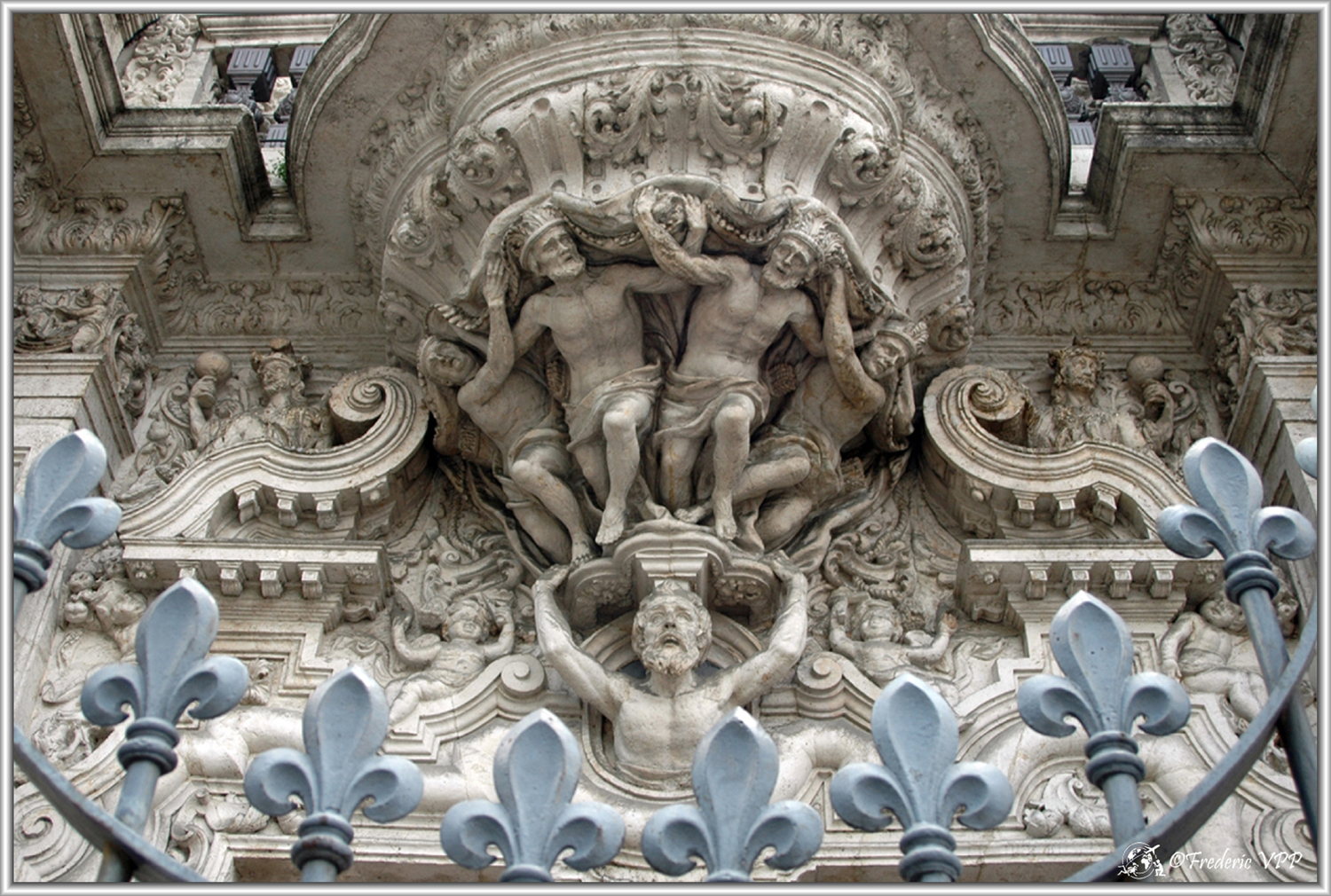
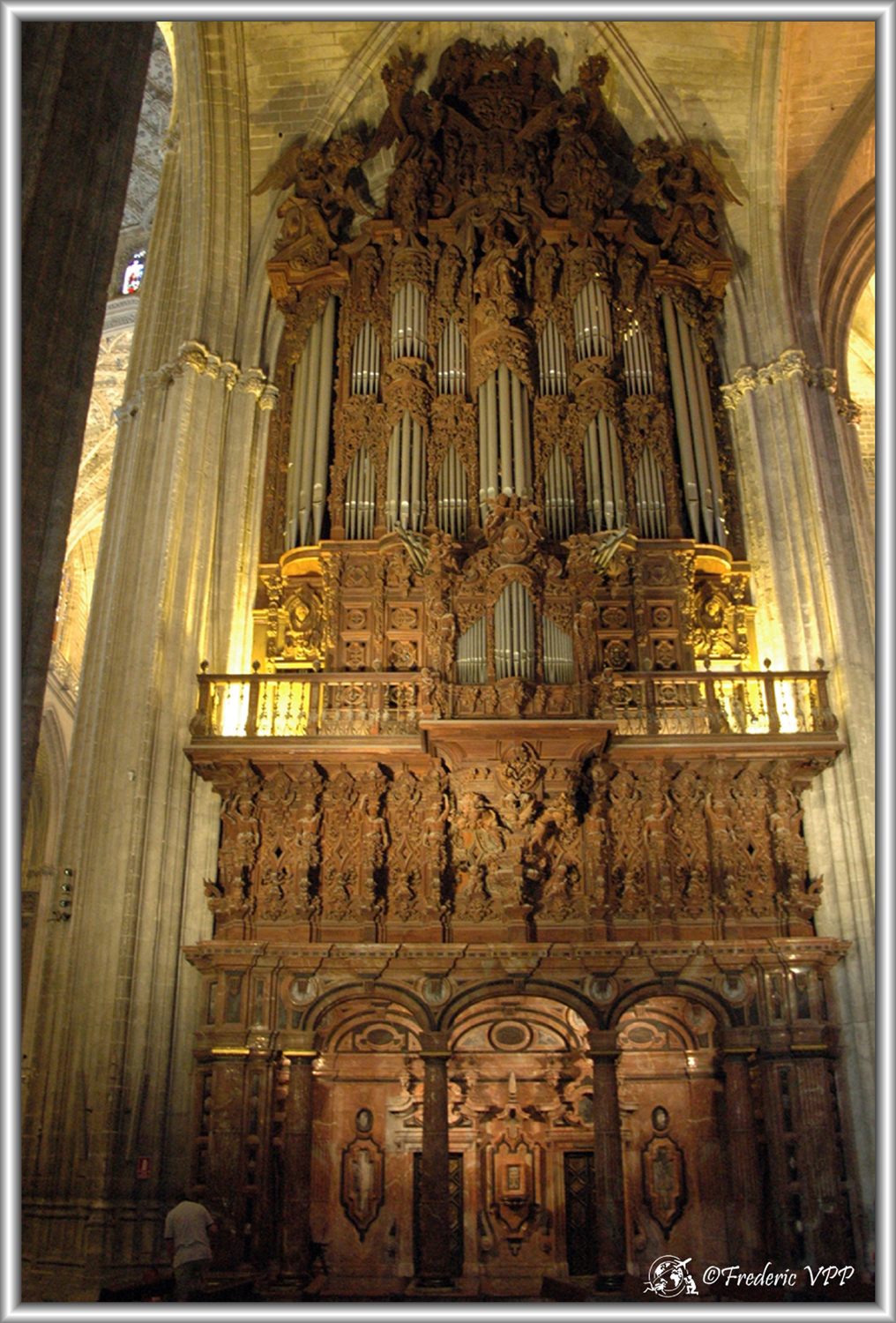
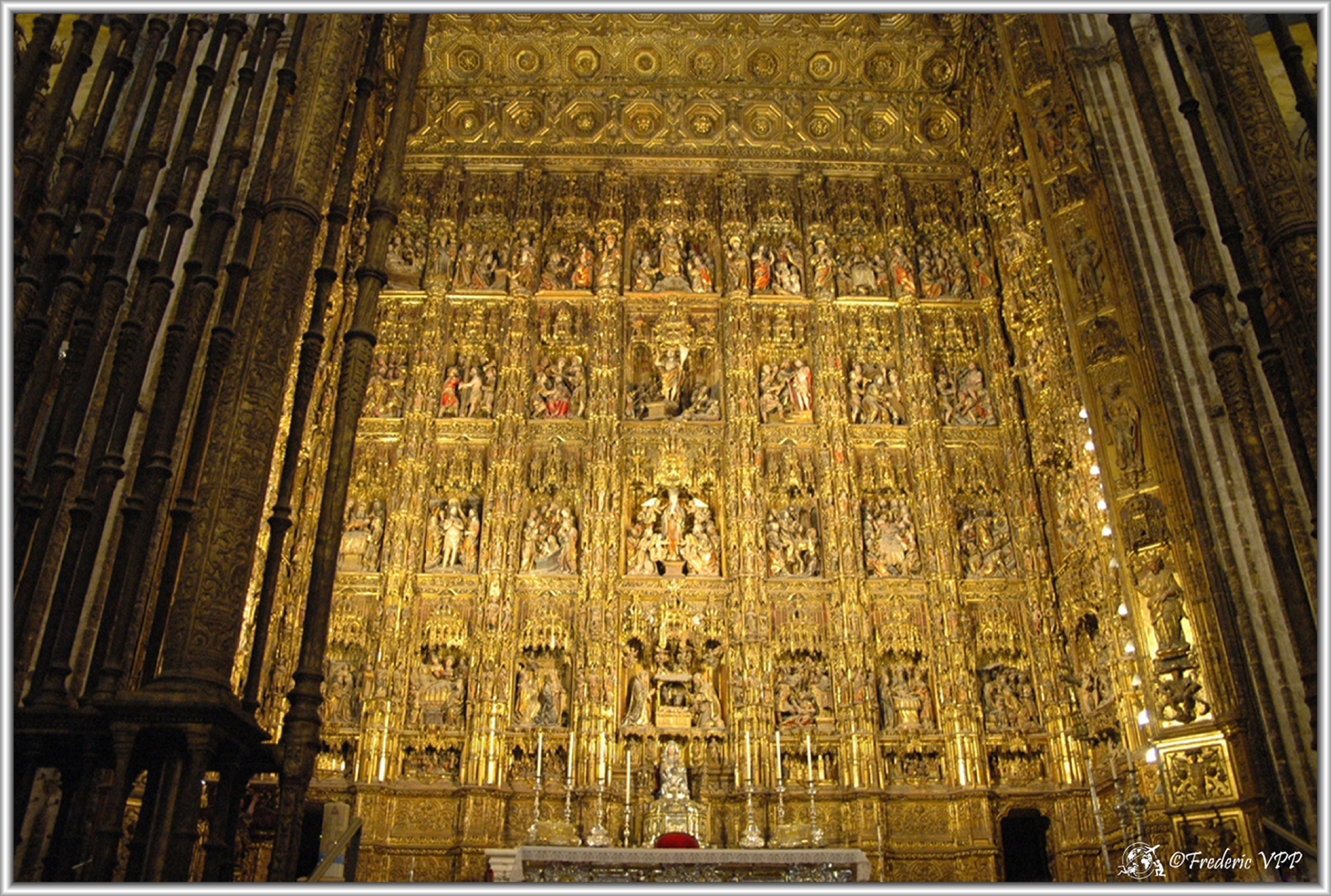
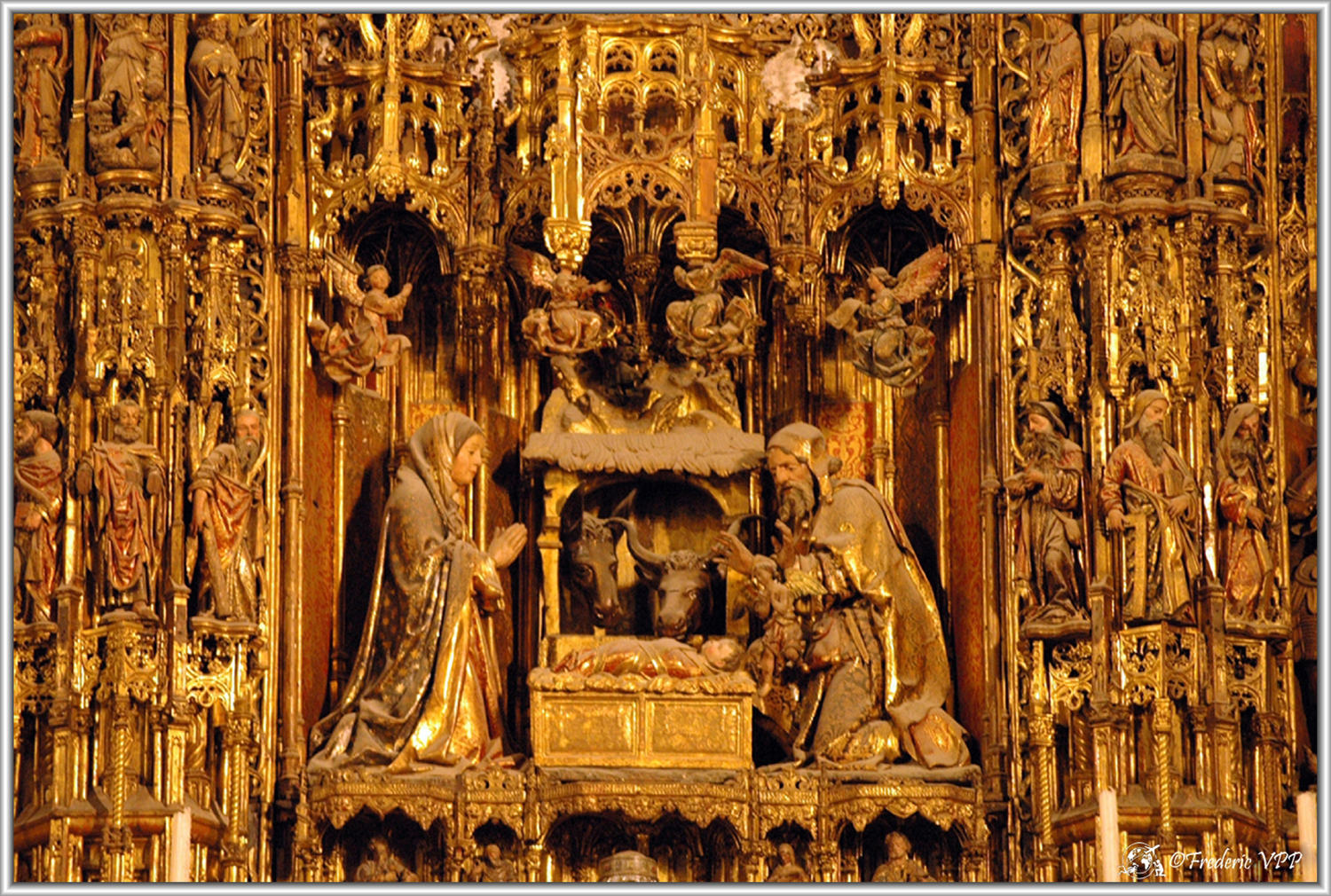
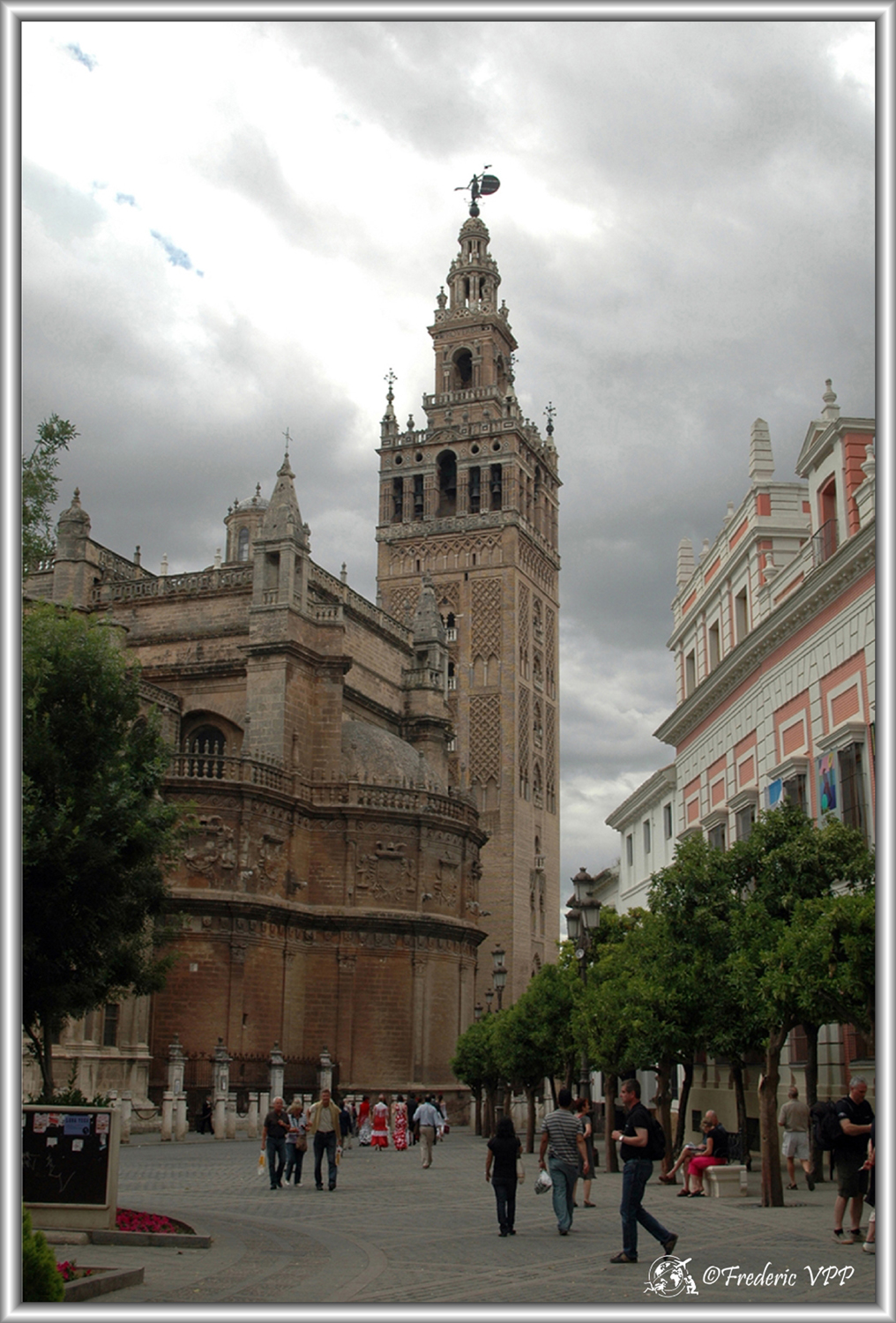
Visits to Barcelona, Malaga, Seville, Gibraltar gave me a glimpse of this country that I loved when I was young through many trips with my parents. I must have been around 12 on my first trip. A magnificent place, where mass tourism was not yet really present. Entire beaches were beginning to be bought up by foreigners. I still have magnificent images in my head: the peasant taking a nap under an olive tree after hard work and a hearty lunch, the women going to fetch water from the fountain. Spain has changed a lot between what I saw when I was 12 and what has been there since 2009. If you go to Spain, don't miss Seville with the Cathedral of Our Lady of the See or the Alcazar, Madrid the capital and Granada.
|
|
Spain is a country steeped in history. Due to its location, the Spanish territory has been subject to many external influences, often simultaneously. The Romans left their mark with numerous vestiges. The Arab-Berbers led by Tariq ibn Ziyad conquered the country in 711 and did not abandon it until 1492. 7 centuries of colonization that marked the country with the Alhambra of Granada or the Alcazar of Seville or the houses of typical architecture with a patio in the center of the house.
This country was also a colonizer where great explorers were born such as Christopher Colomb (the Americas but we believed in India), Francisco Pizarro (Peru) or Hernán Cortés (Mexico). The Spanish colonial empire was immense. But all these colonies also ensured the decline of Spain. Spain's power gradually declined not only because of the costly wars it waged and the revolts that broke out, but also because of an artificially prosperous economy thanks to the riches of the New World.
Spain lost most of its colonies in the 19th century, especially from the 1820s and its later colonies in 1898 (Cuba, Philippines, Puerto Rico, Guam). This monarchical country briefly became a republic. But soon became a monarchy. In 1931, the Bourbons were driven out by the 2nd Republic. In 1936, the Popular Front was victorious and the era of General Franco began. When Franco died in 1975, the monarchy was restored and Juan Carlos I, the new king, quickly restored representative democracy.
|
|
Sorry if the links are outdated or not accessible
|