Warsaw
Warsaw, Poland, June 2018
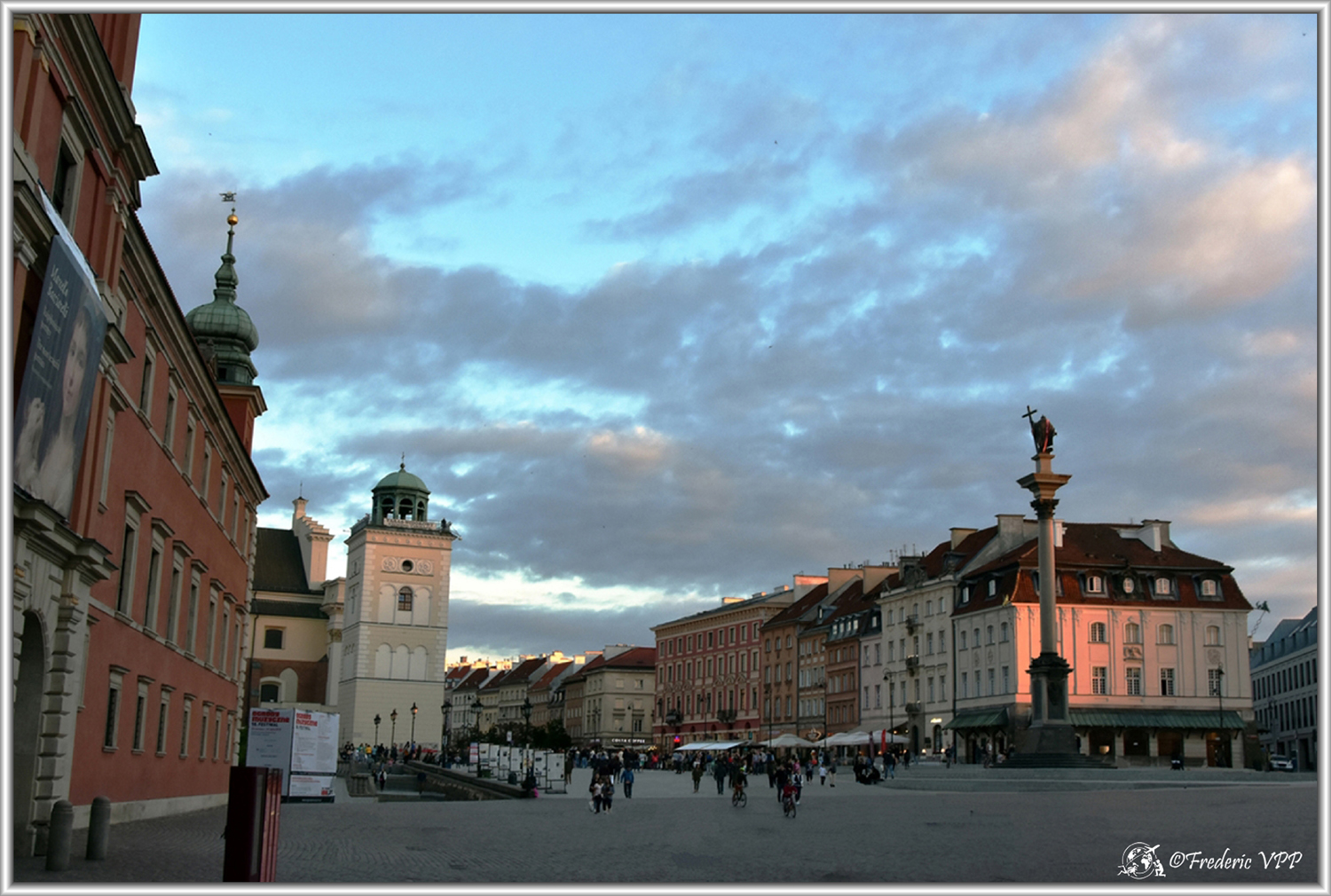
Warsaw is known as the Phoenix City for having managed to rise from its ashes. At the time of the debacle, Adolf Hitler ordered the entire city to be razed: 84% of its buildings were destroyed. The reconstruction was made like a huge puzzle, and for some, old photos and engravings were used as a model...
|
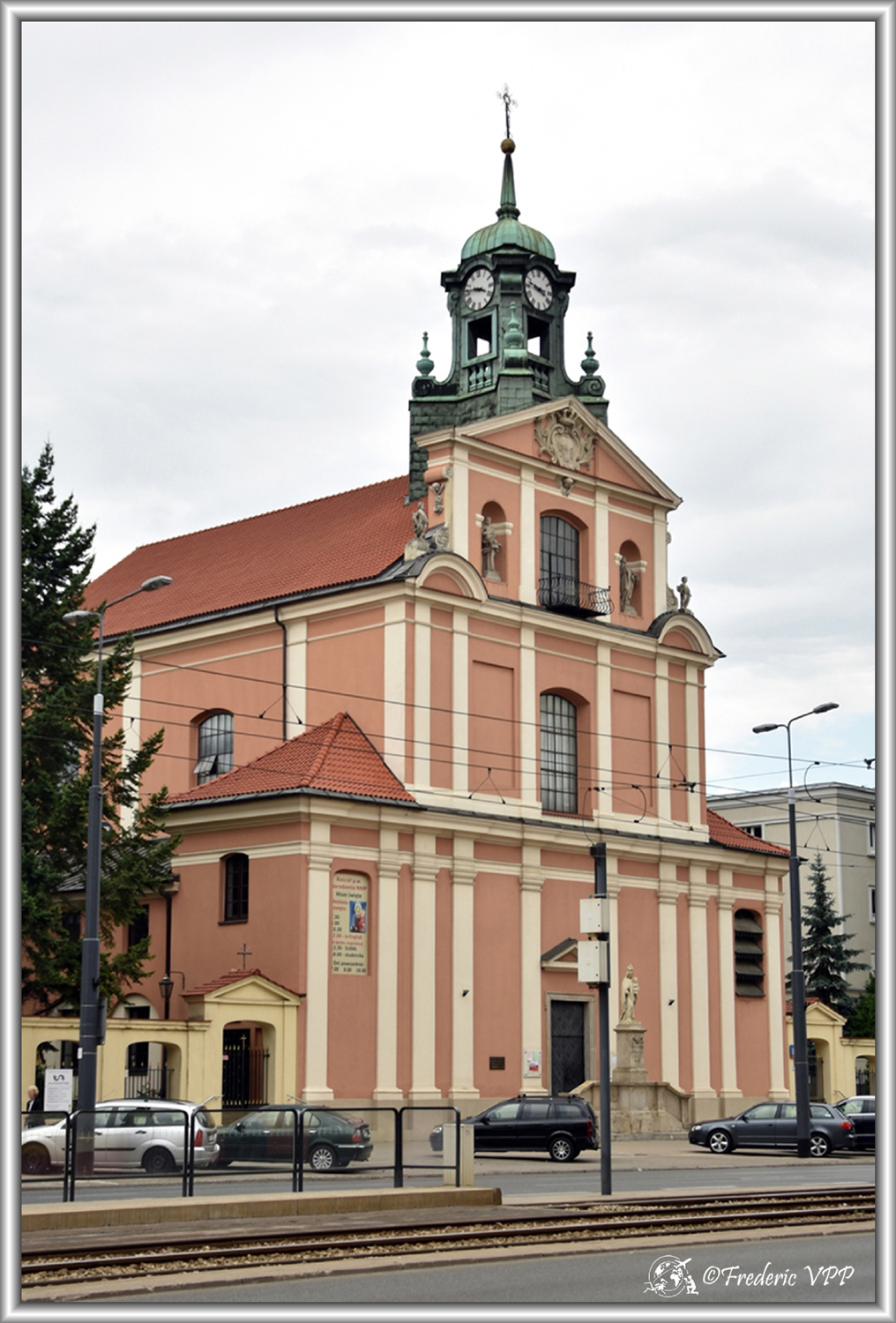
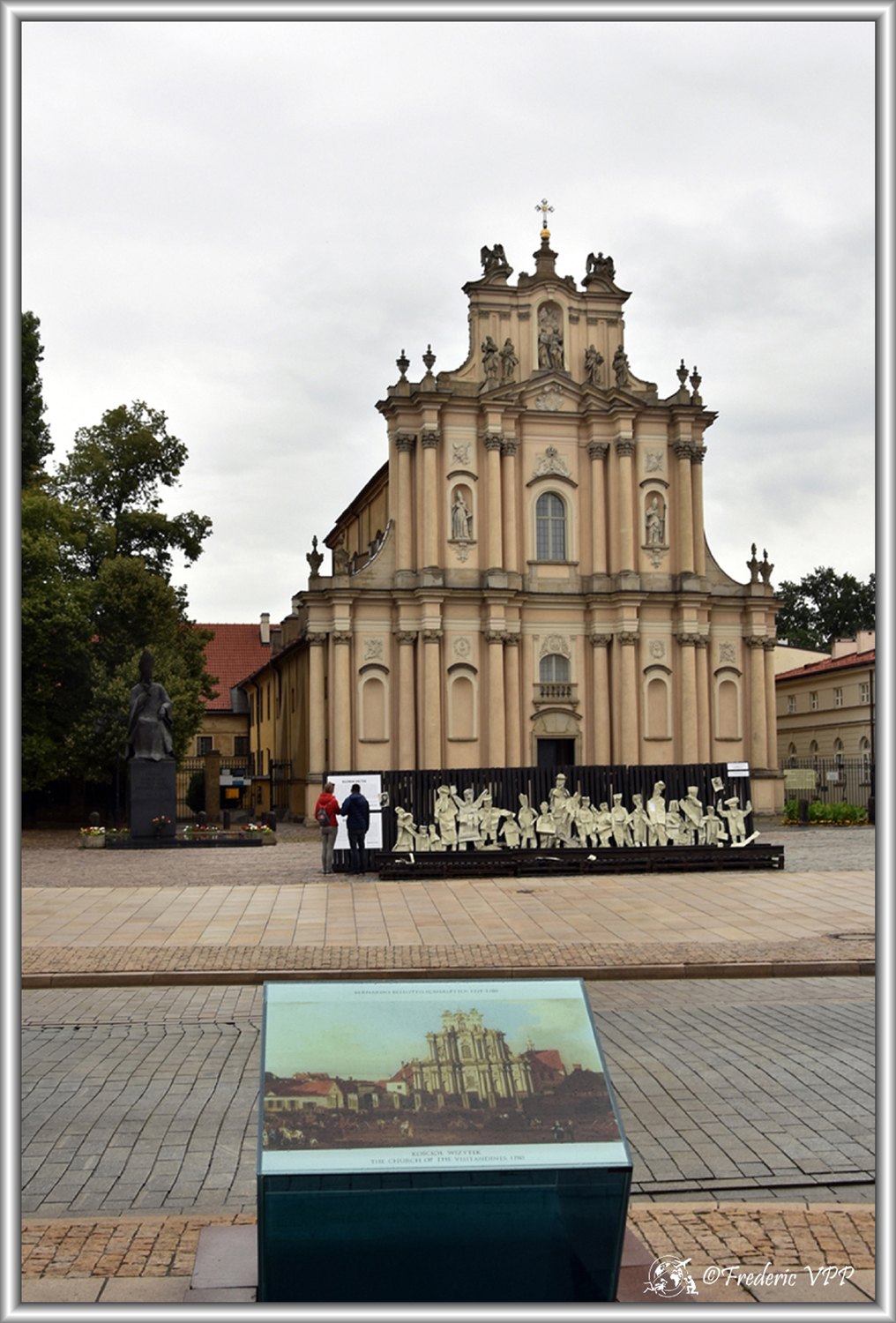
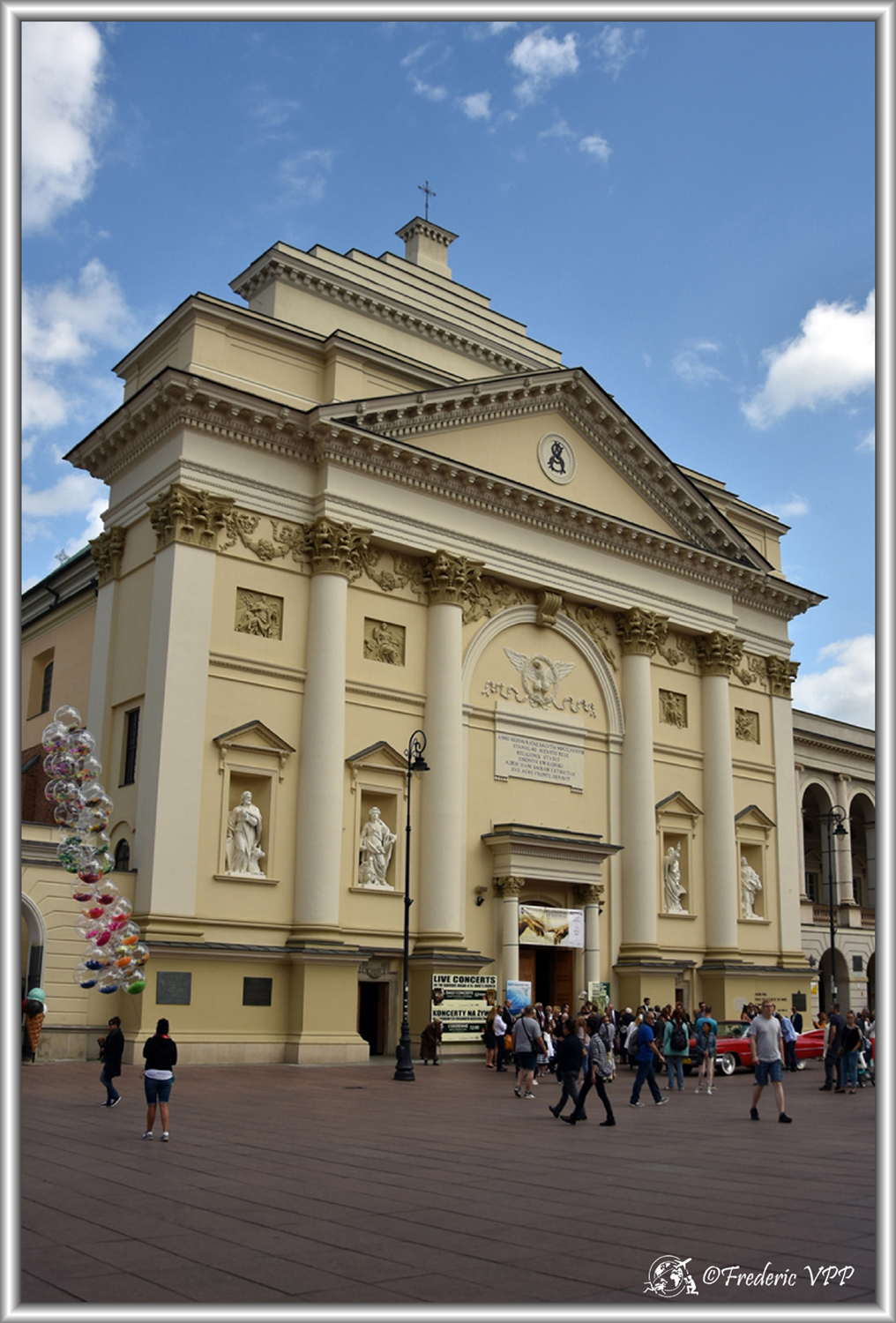
This city is amazing and amazing. Surprising because I didn't have the feeling of oppression like in big cities. It is a very airy city with many parks which delight Polish people on weekends. You can drive for miles without seeing many cars. Stunning because due to its destruction and reconstruction, the monuments are of an old style but seem to have emerged from the ground only a few decades ago.
The only negative point I would give is the lack of information in English both in transport and in front of certain buildings.
|
|
The full official name of the city is Capital City of Warsaw. The city is cited from the 14th century under the names of Warseuiensis (1321) and Varschewia (1342), then Warschouia (1482), to later become Warszowa and finally Warszawa, the current Polish name of Warsaw. This name means "belonging to Warsz". It is presumably a 12th and 13th century aristocrat who owned a village on the present site of the Mariensztat district.
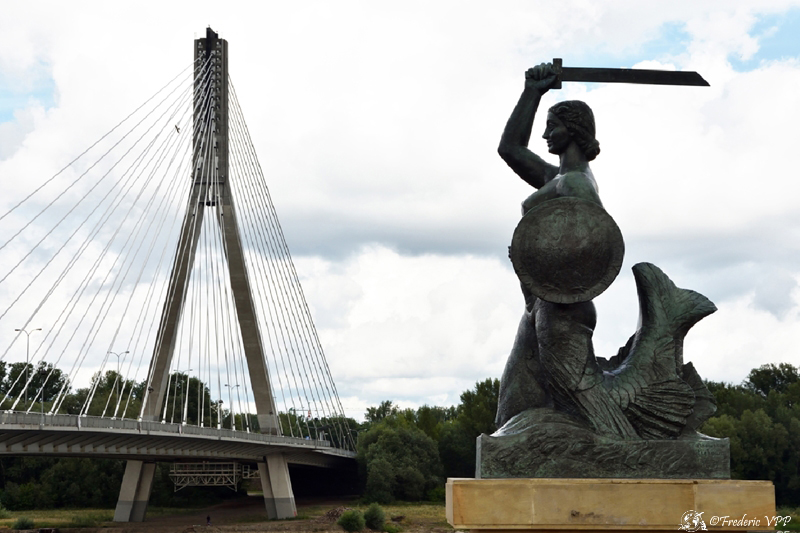
Popular etymology attributes the town's name to two legendary figures named Wars and Sawa: Wars is a fisherman living on the banks of the Vistula and Sawa a mermaid with whom he fell in love. It is this siren (in Polish: "syrenka") which is represented on the arms of the city. The first fortified buildings built on the site where Warsaw is today were those of Bródno (9th and 10th centuries ) and Jazdów (12th and 13th centuries). After the attack and destruction of Jazdów, a new similar settlement was established on the site of a small fishing village called Warszowa. Around 1300, Boleslaus II of Mazovia, Prince of P?ock, established the present city of Warsaw, at the beginning of the 14th century it became one of the seats of the dukes of Mazovia, and then the capital of Mazovia in 1413. At that time, the economy of the city was based on crafts and trade. Following the extinction of the ducal line, the Duchy of Mazovia was integrated into the Polish crown in 1526. In 1573, the city gave its name to the Confederation of Warsaw, officially establishing freedom of religion in the Republic of Two Nations Stanislaus II, the last independent king nt of the Republic of the Two Nations, remodeled the interior of the royal palace, and he made the city an important center in the artistic and cultural field, which earned Warsaw the nickname of "Eastern Paris". It was incorporated into the Kingdom of Prussia to become the capital of the province of South Prussia and then liberated by Napoleon's army in 1806, Warsaw became the capital of the new Duchy of Warsaw the following year. During the First World War, the troops of the German Empire failed to take Warsaw in the Battle of the Vistula in September-October 1914, but they managed to do so a year later following the defeat of the Russian army at the battle of Warsaw in August-September 1915. In March 1918, the brand new Russian Soviet Federative Socialist Republic abandoned Poland to Germany by signing the Treaty of Brest-Litovsk which put an end to German-Russian hostilities. The German revolution of 1918-1919 hastened the end of the war. On November 11, 1918, while the new German power was signing the Armistice with France and England in the Armistice Glade, the Polish Regency Council handed over full powers to Marshal Pilsudski, a highly charismatic figure who appeared as the providential man of revived Poland. Warsaw became the capital again the same day with the establishment of the second Polish republic immediately proclaimed by Pilsudski.
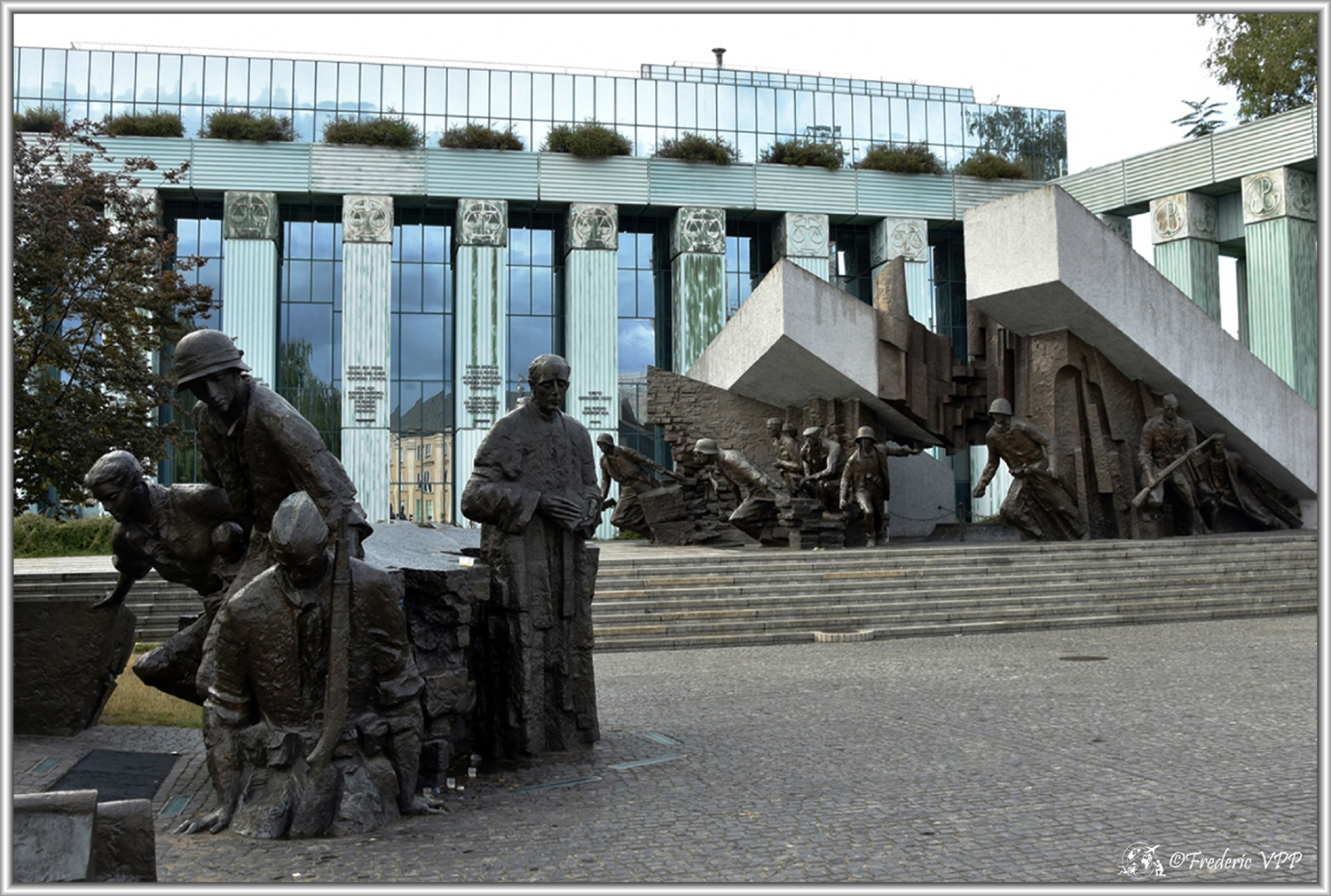
During World War II, central Poland, which included Warsaw, came under the control of the "General Government of Poland" established in Krakow and administered by Reichsleiter Hans Frank. All institutions of higher learning were closed and Warsaw's Jewish population - several hundred thousand, about 30% of the city's population - herded into the Warsaw ghetto. In July 1942 the Nazis launched the Great Action. The Jews of the ghetto are rounded up on Umschlagplatz, Stawki Street, then deported to the Treblinka extermination camp. When the order came to permanently destroy the ghetto as part of the "Final Solution", in April 1943, Jewish fighters launched the Warsaw Ghetto Uprising. Despite weak firepower and numerical inferiority, the ghetto held out for almost a month. At the end of the fighting, almost all the survivors were massacred, only a few managed to escape or hide. The Jewish population, which was the largest in all of Europe before 1939, was entirely decimated by the Nazis. Today, many tourists, especially those from the diaspora, visit the Powazki Cemetery, the Umschlagplatz Monument and the Jewish Cemetery in Warsaw.
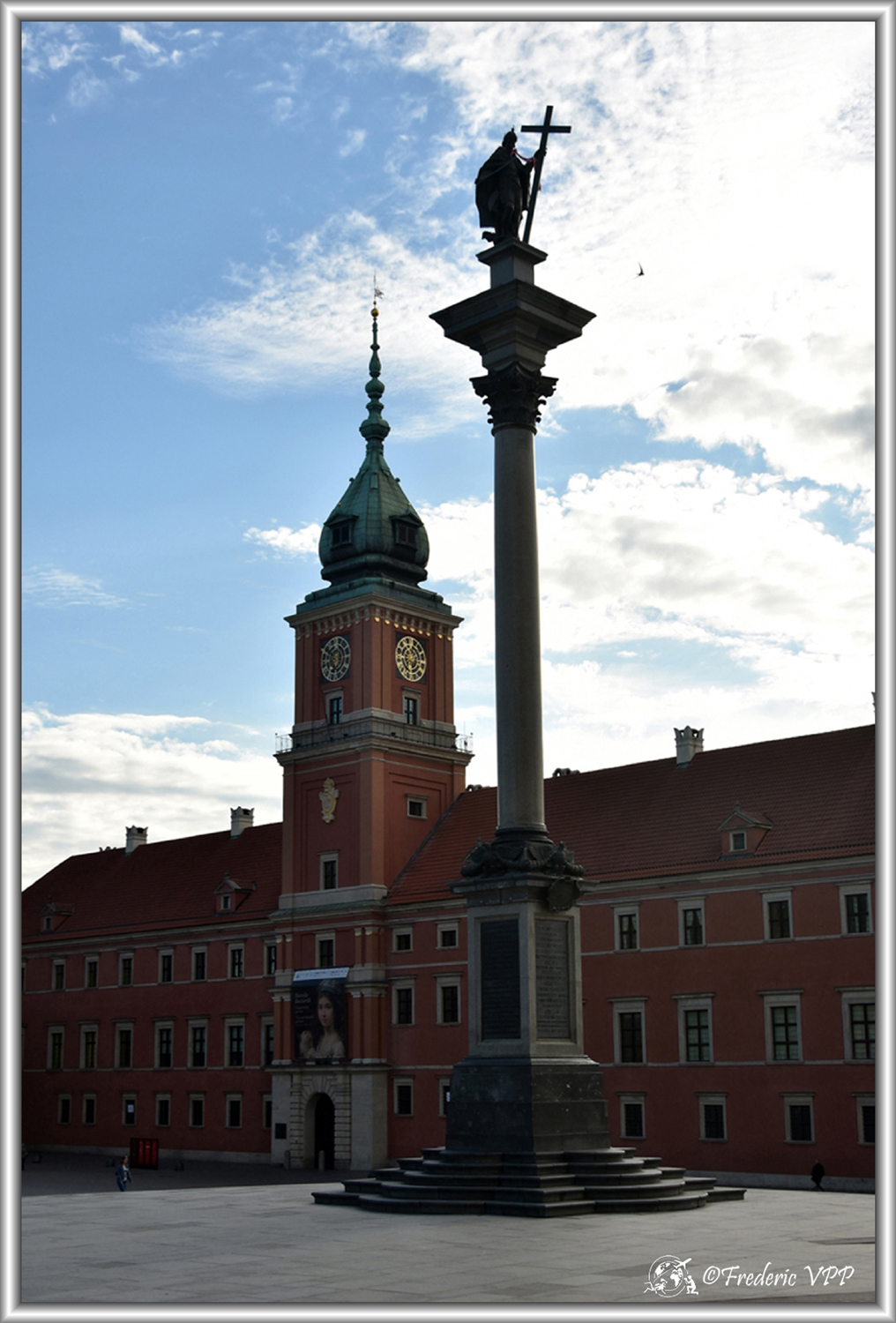
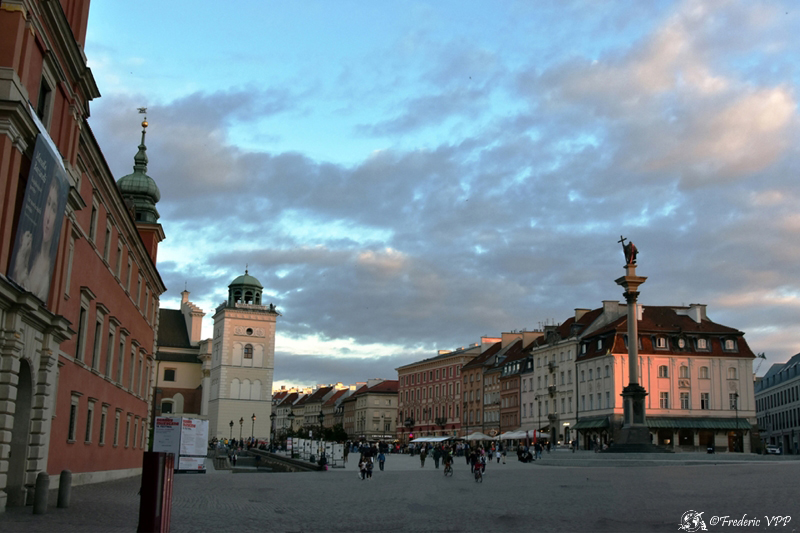
Work on the reconstruction of the Old Town began immediately, and the first phase of the work was completed by 1953. Two years later, the cathedral and several churches were in turn completed. The decision to rebuild the royal palace was not taken until 1971 and the last works lasted until 1988. If the Old Town was entirely rebuilt identically, as were many public buildings, palaces, mansions and churches, also restored or rebuilt in their original form, some of the 19th century buildings preserved after the war in a state that could have led to reconstruction being envisaged were nevertheless destroyed in the 1950s and 1960s (this is the case of the Palais de Leopold Kronenberg, for example).
In 1979, less than a year after becoming pope, John Paul II traveled to Warsaw and celebrated a mass there in Victory Square. He ended his sermon with these words: "And I cry out, I, son of the Polish land, and at the same time I, Pope John Paul II, I cry out from the depths of this millennium, I cry out on the eve of Pentecost "Let your Spirit descend! Let your Spirit descend! And renew the face of the earth of this earth!" The Poles interpreted this word as an encouragement to initiate the democratic changes to which Polish society aspired and as support for the underground trade union Solidarno's'c.
The immense work of restoring the Old Town of Warsaw earned it its listing as a UNESCO World Heritage Site in 1980.
|
|
Sorry if the links are outdated or not accessible
|