Dublin
Dublin, Ireland, November 2018
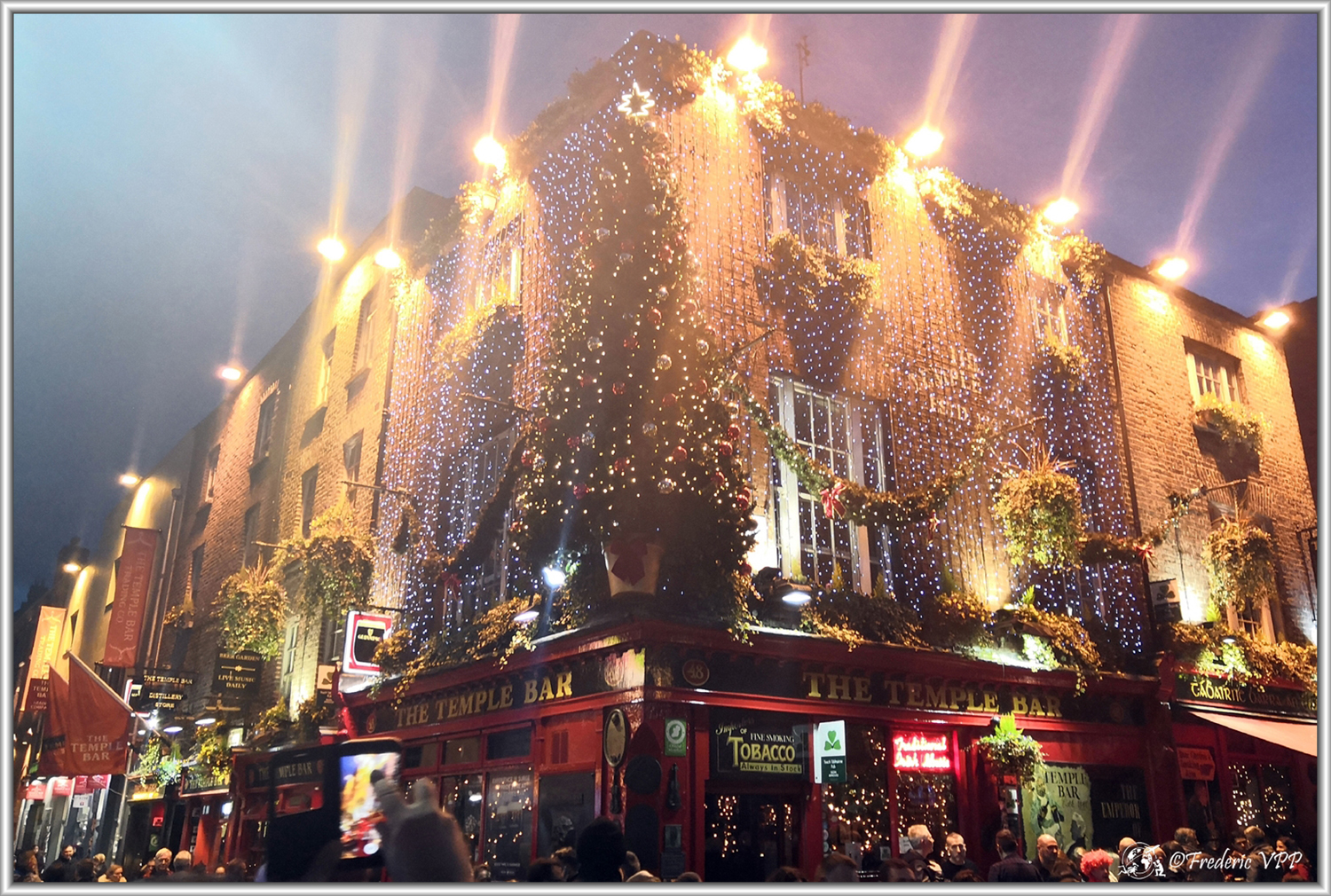
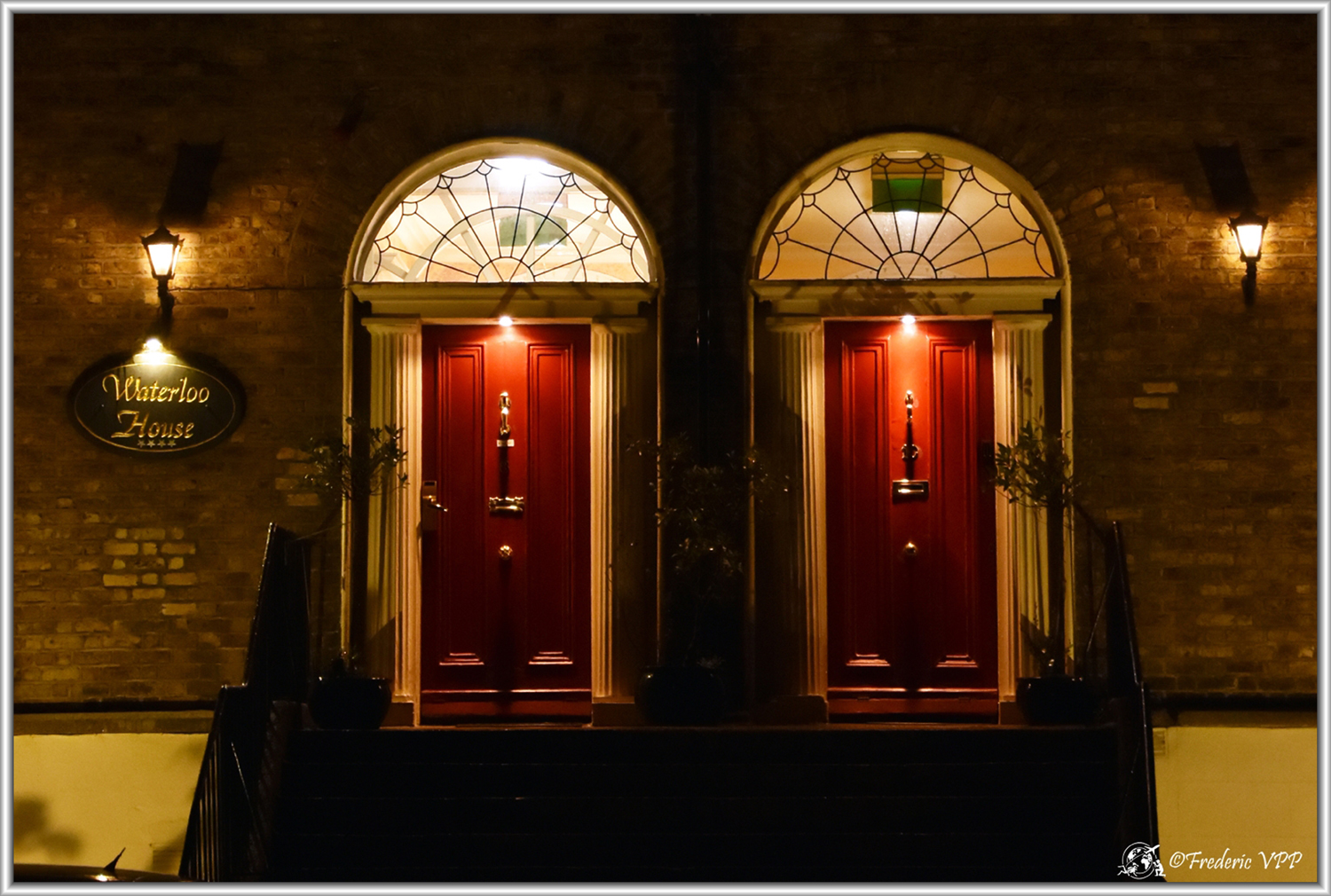
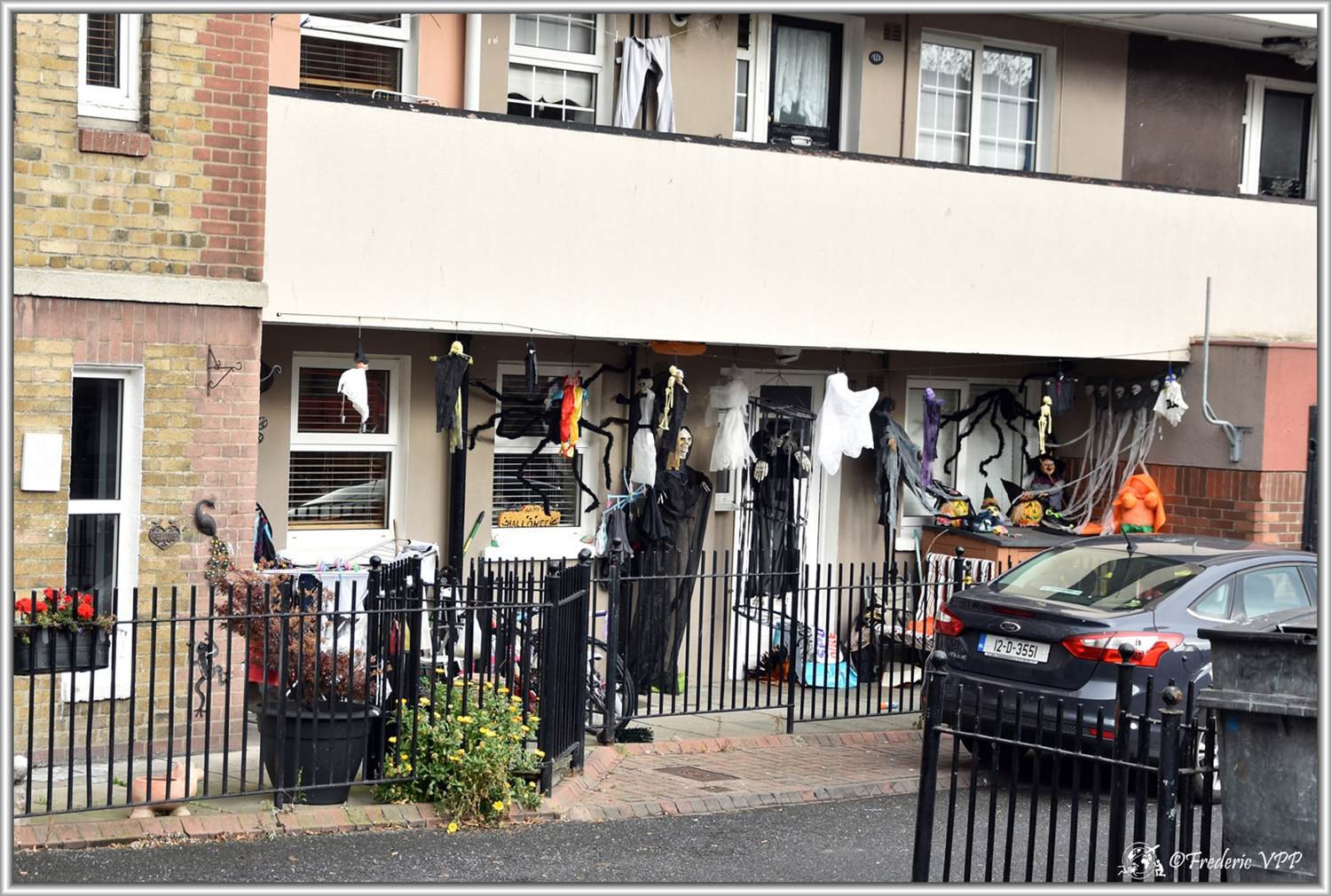
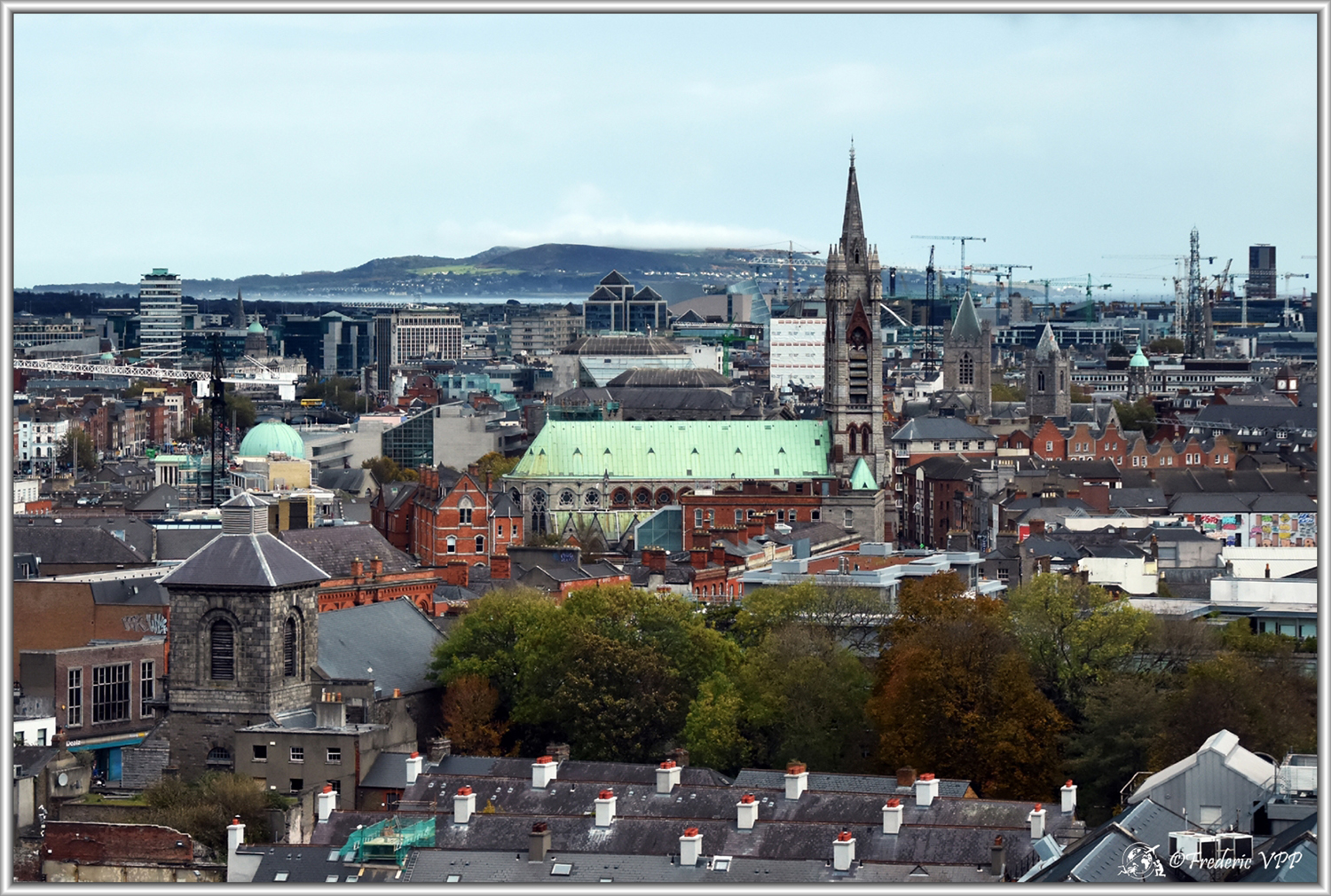
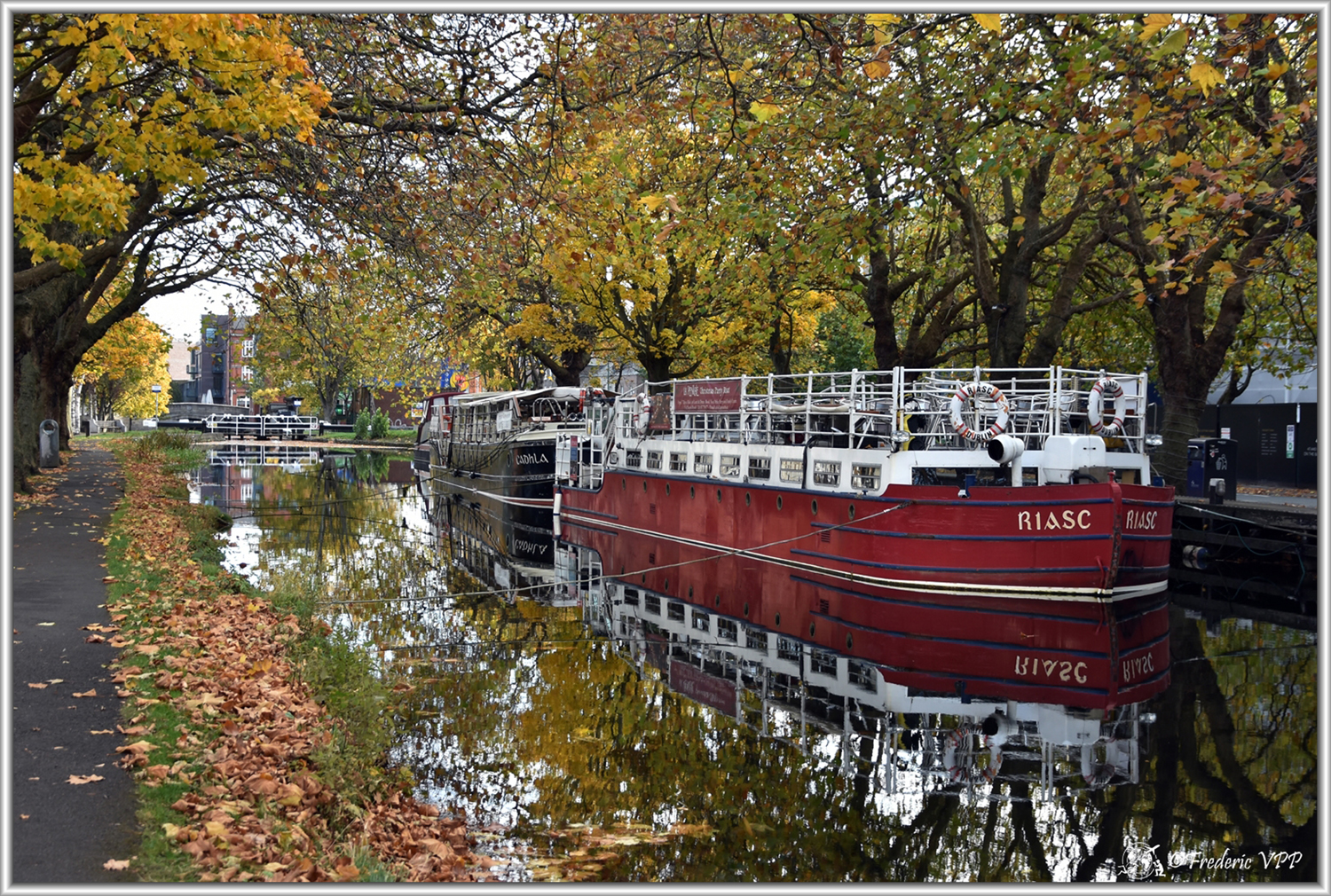
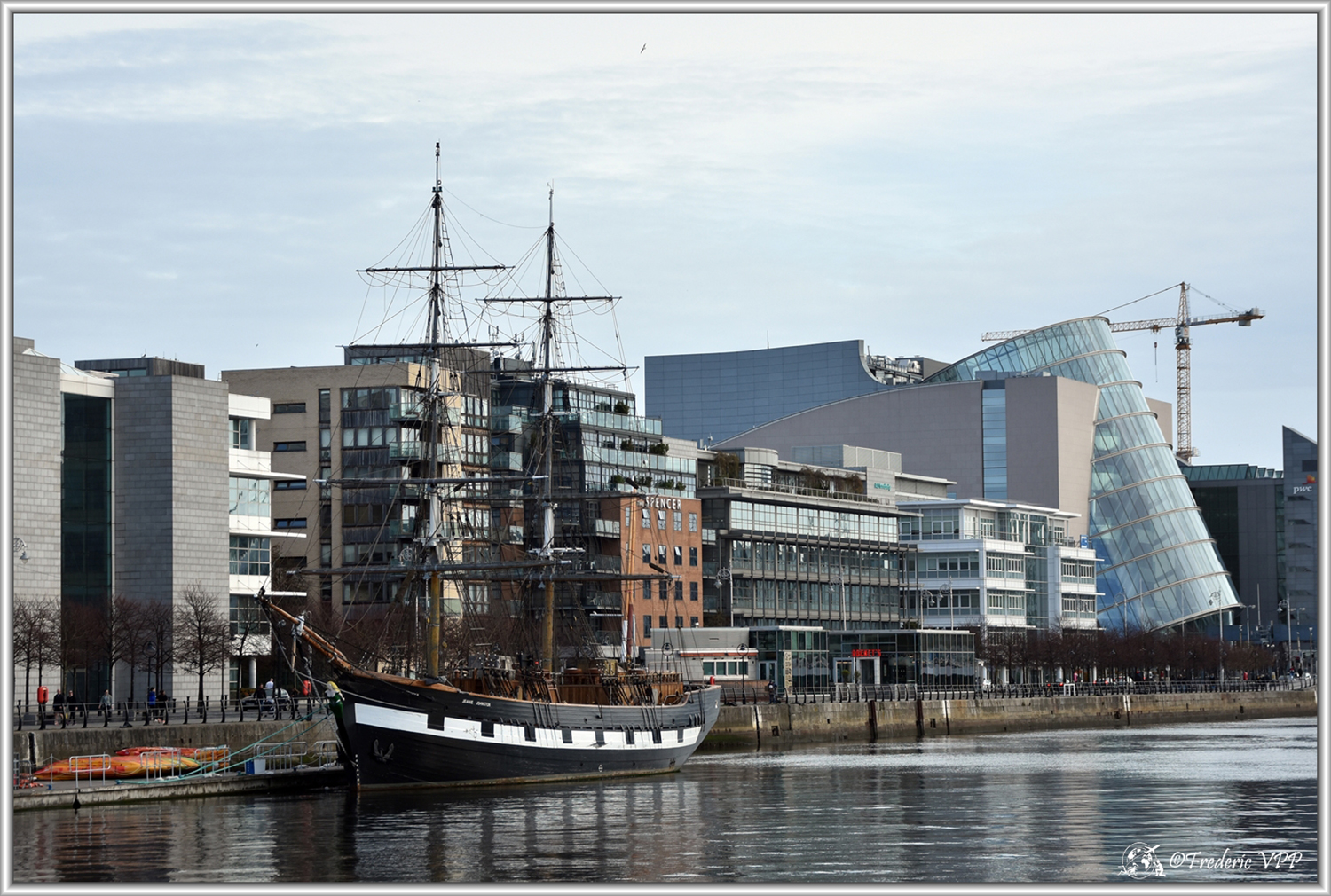
It really is a city to discover. I did not expect to find such a lively city. The city is teeming with people. I was there on November 1, a famous date for "Halloween". Stores, bars and restaurants included, play the game with many decorated windows, the houses are too!...
|
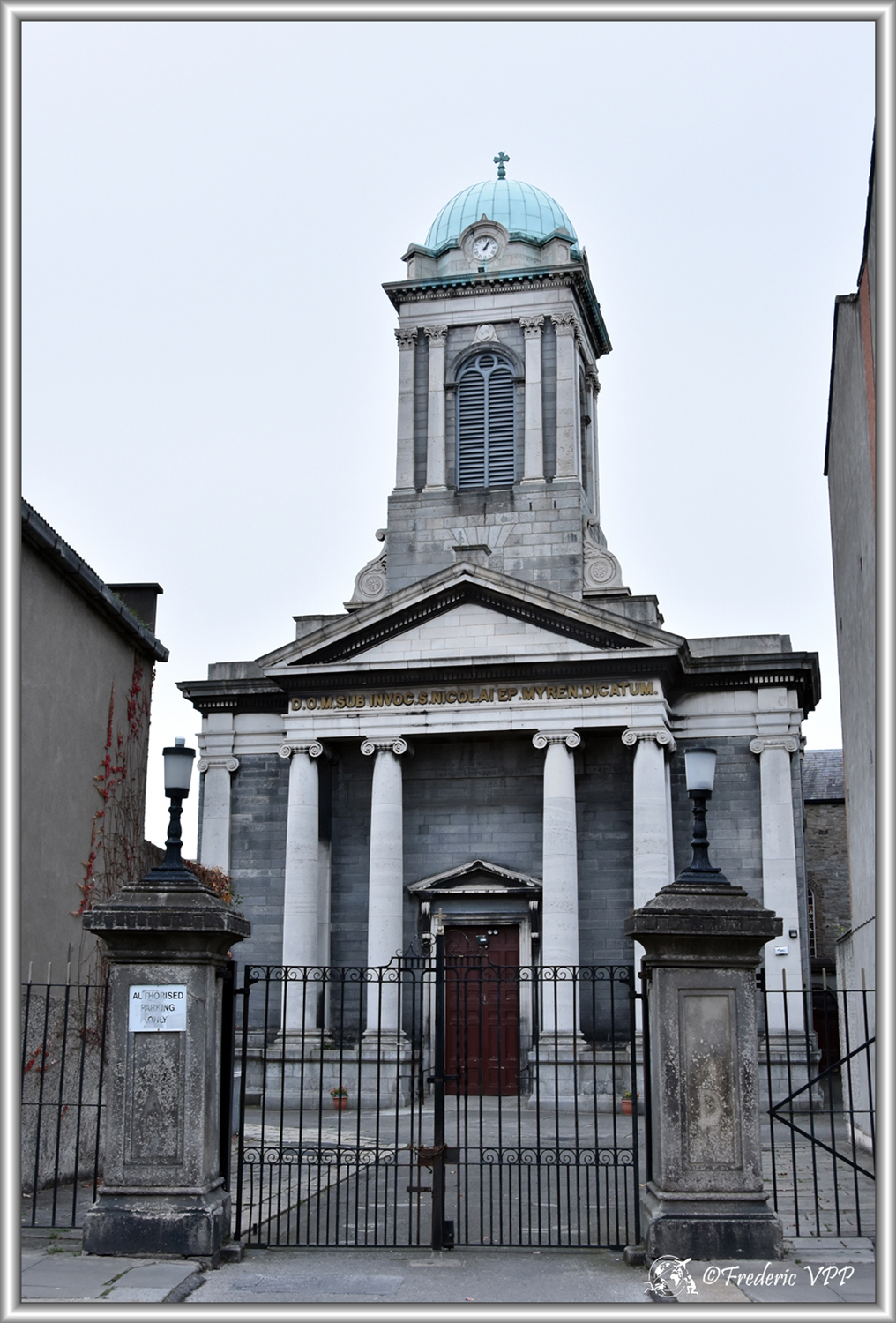
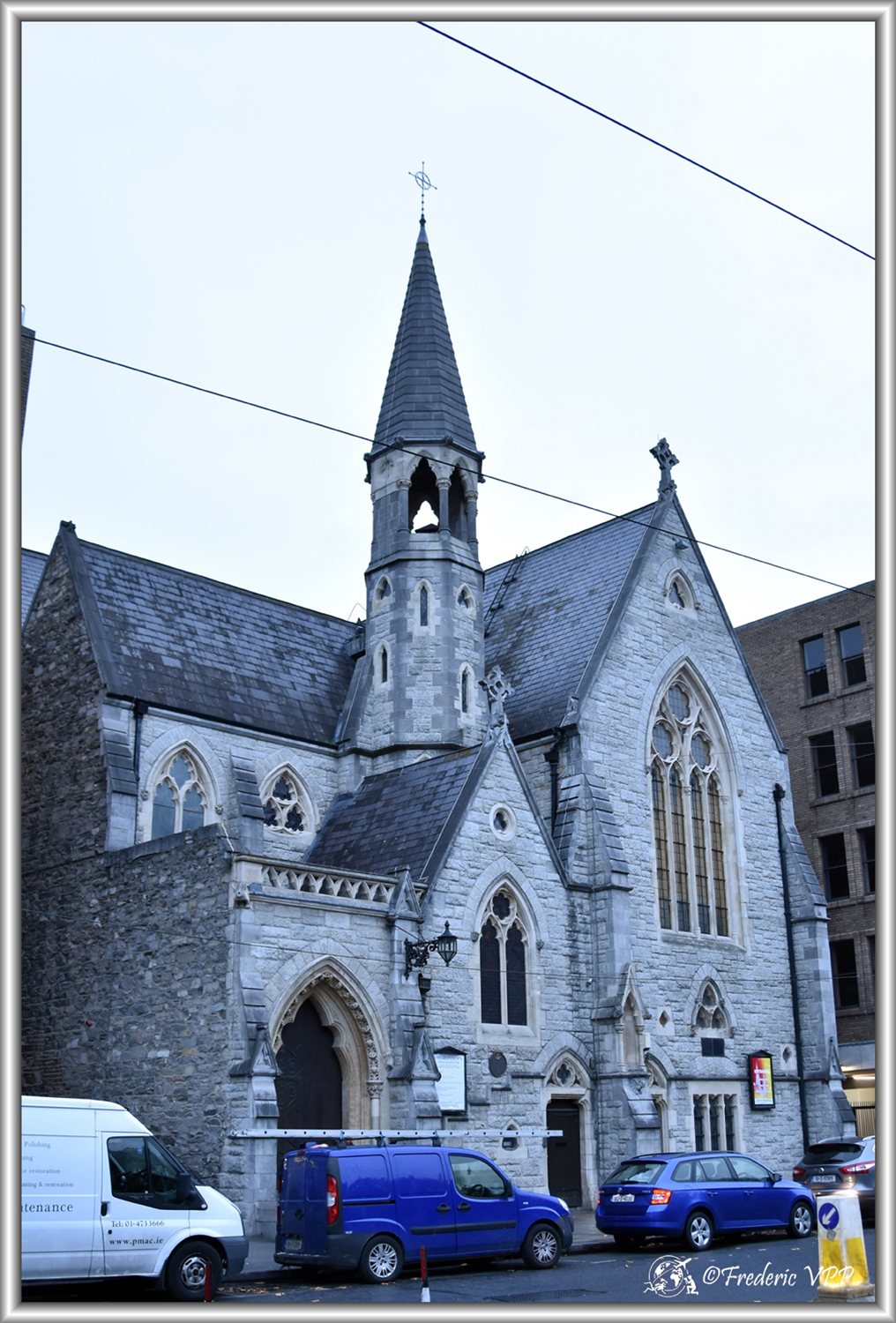
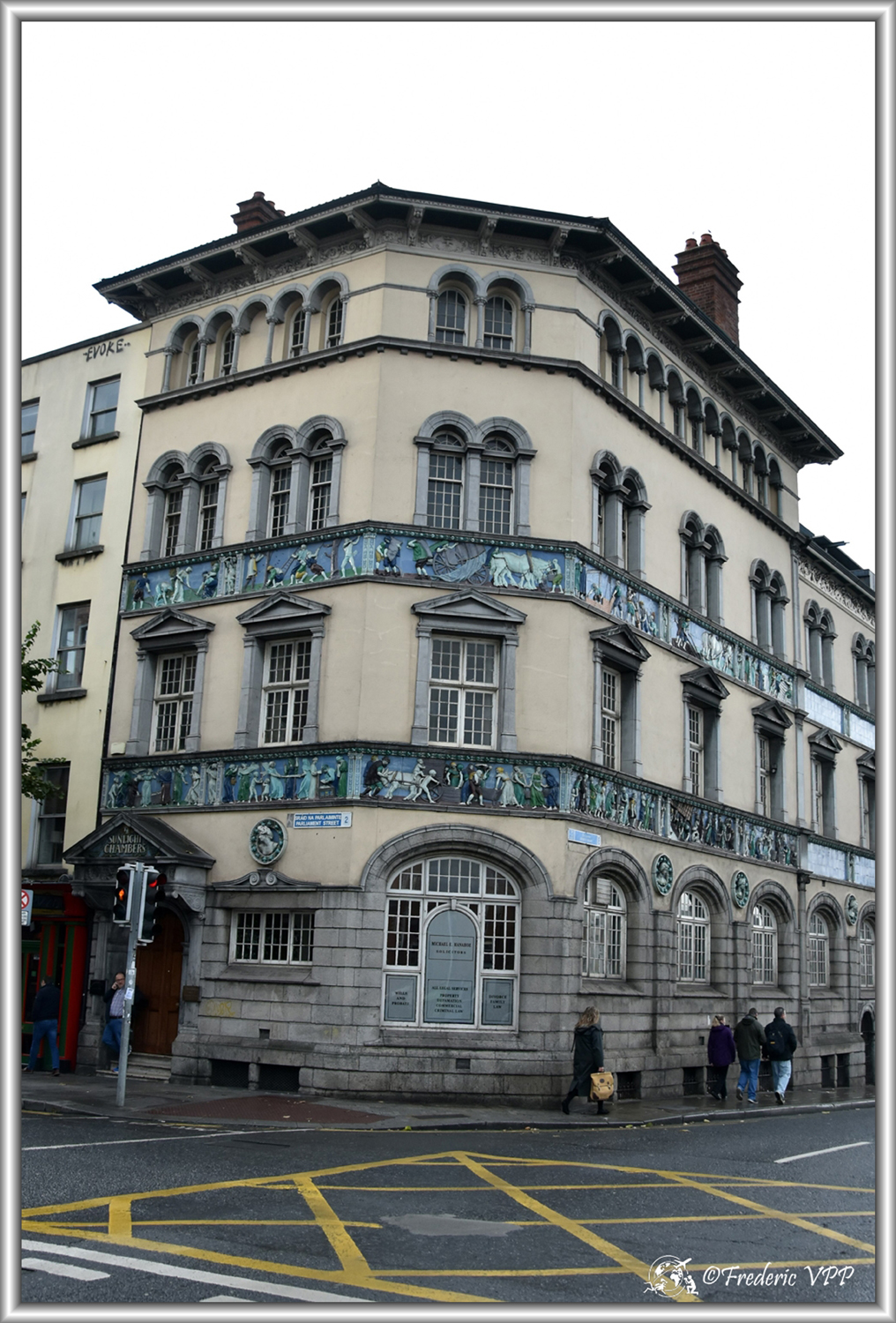
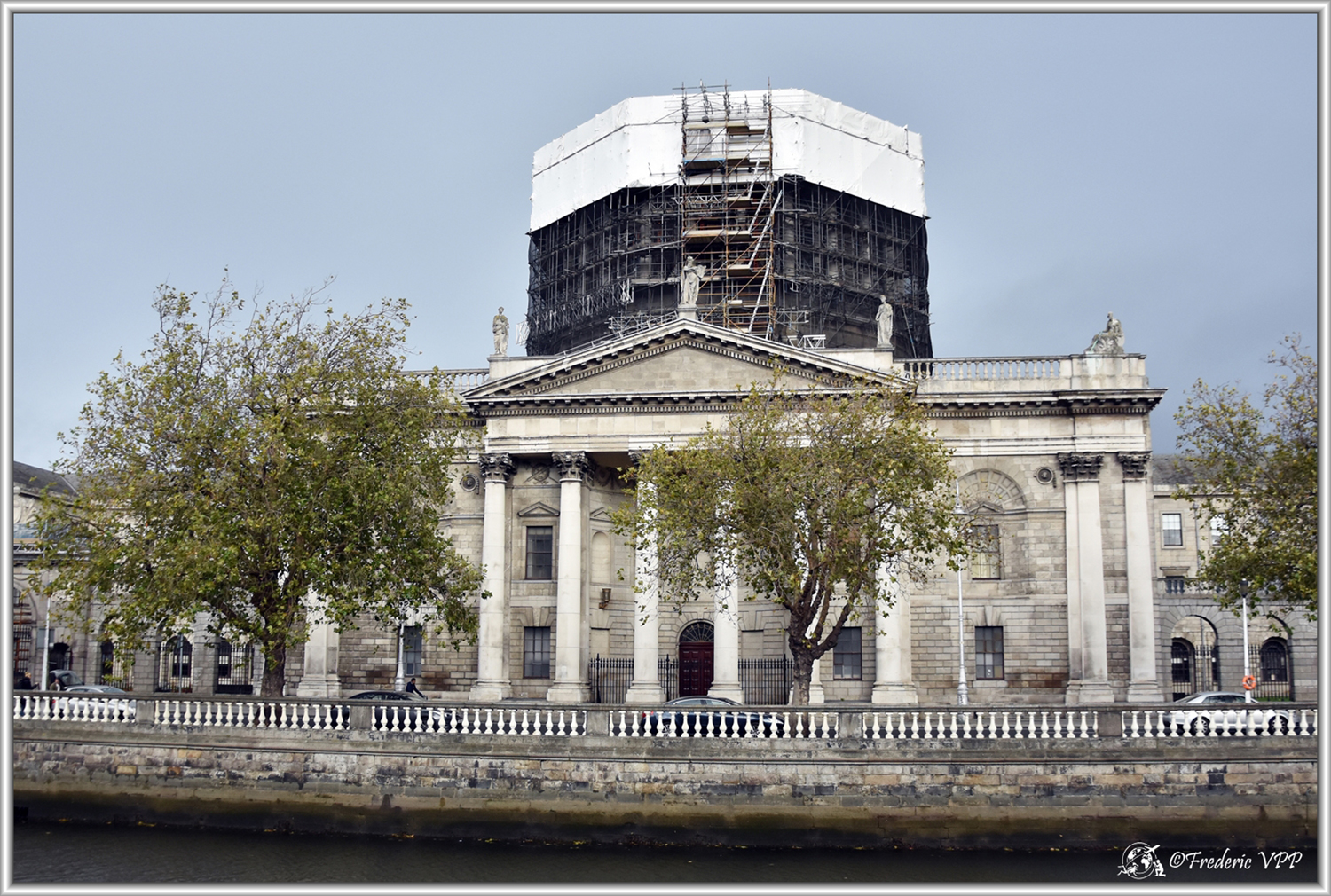
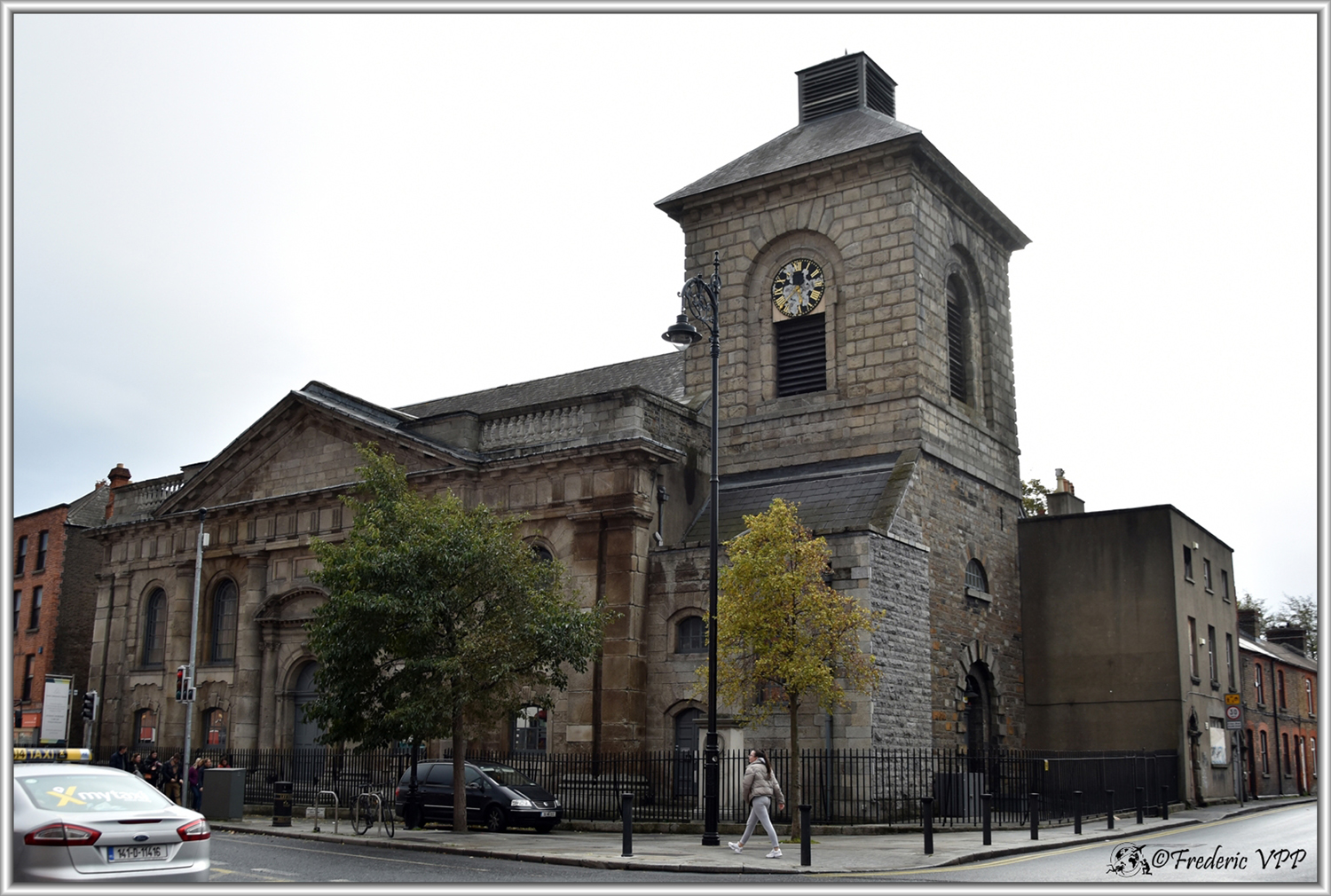
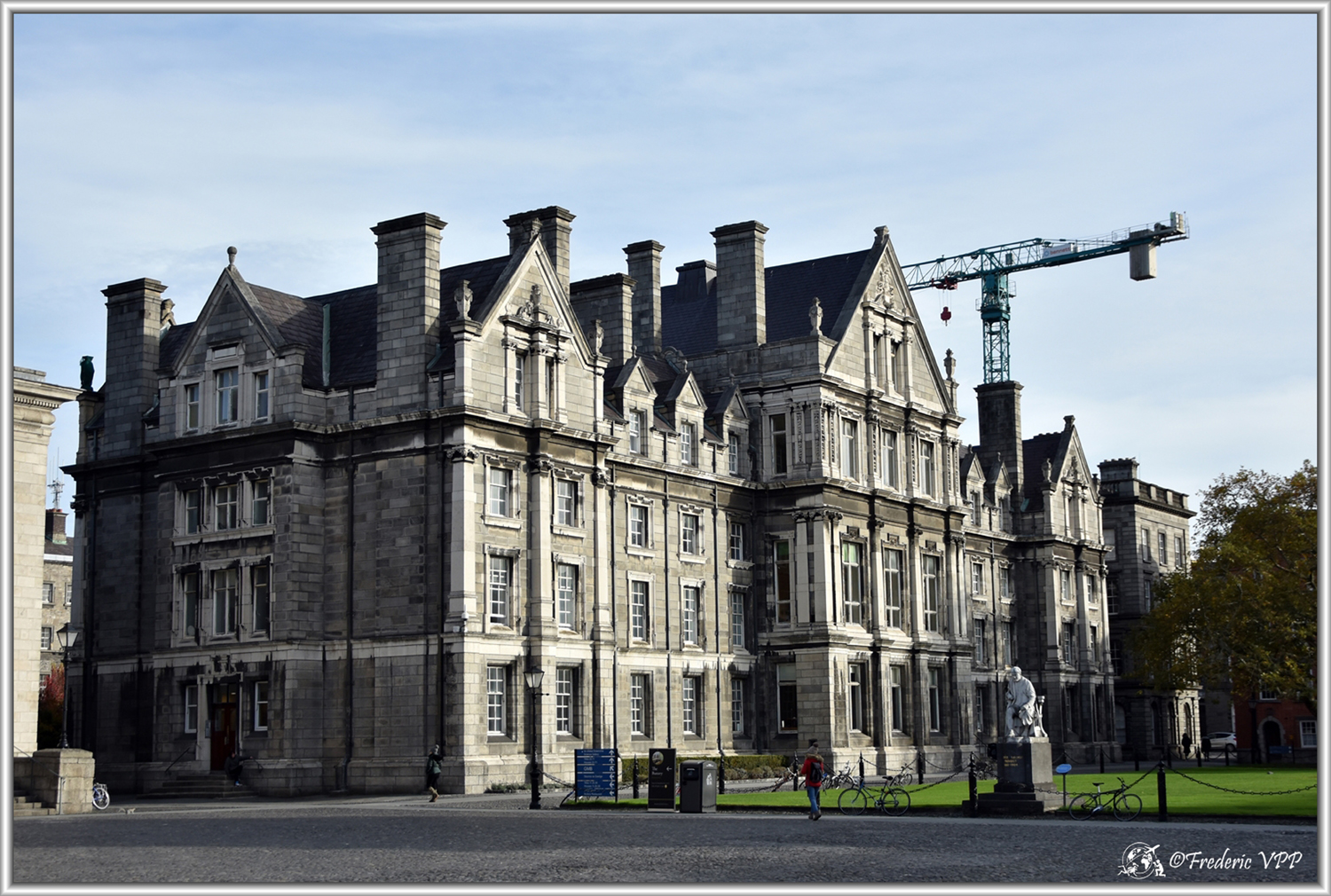
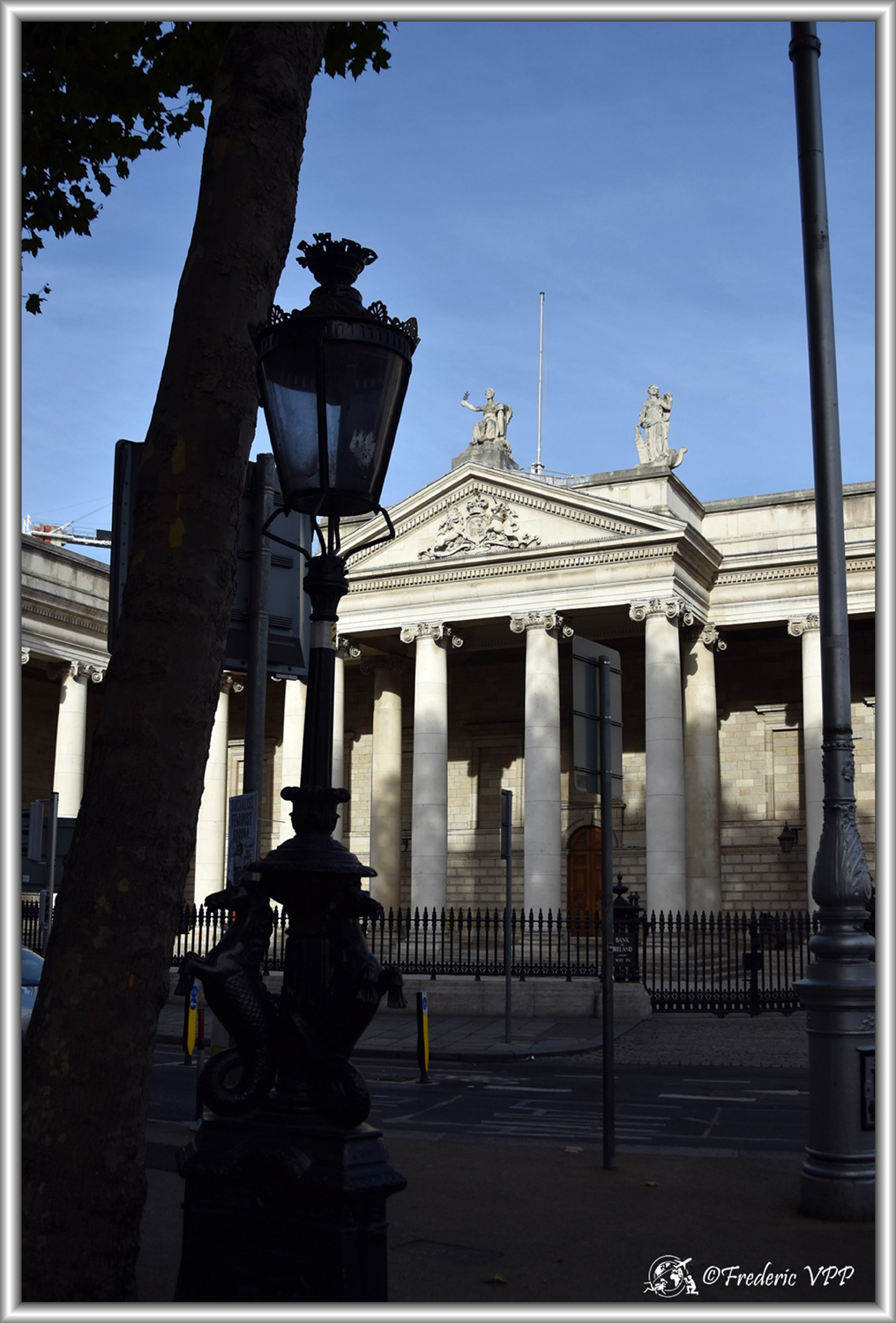
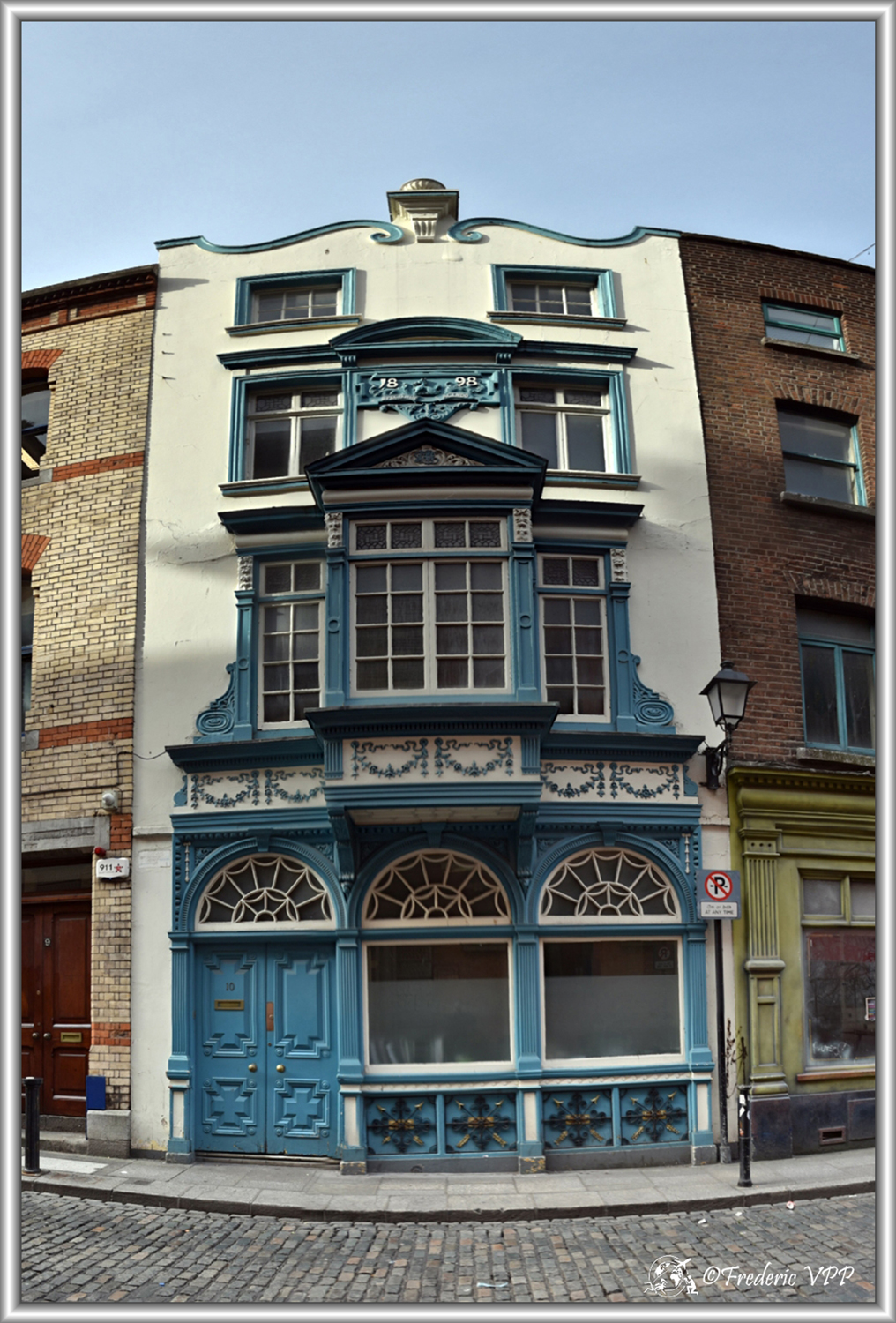
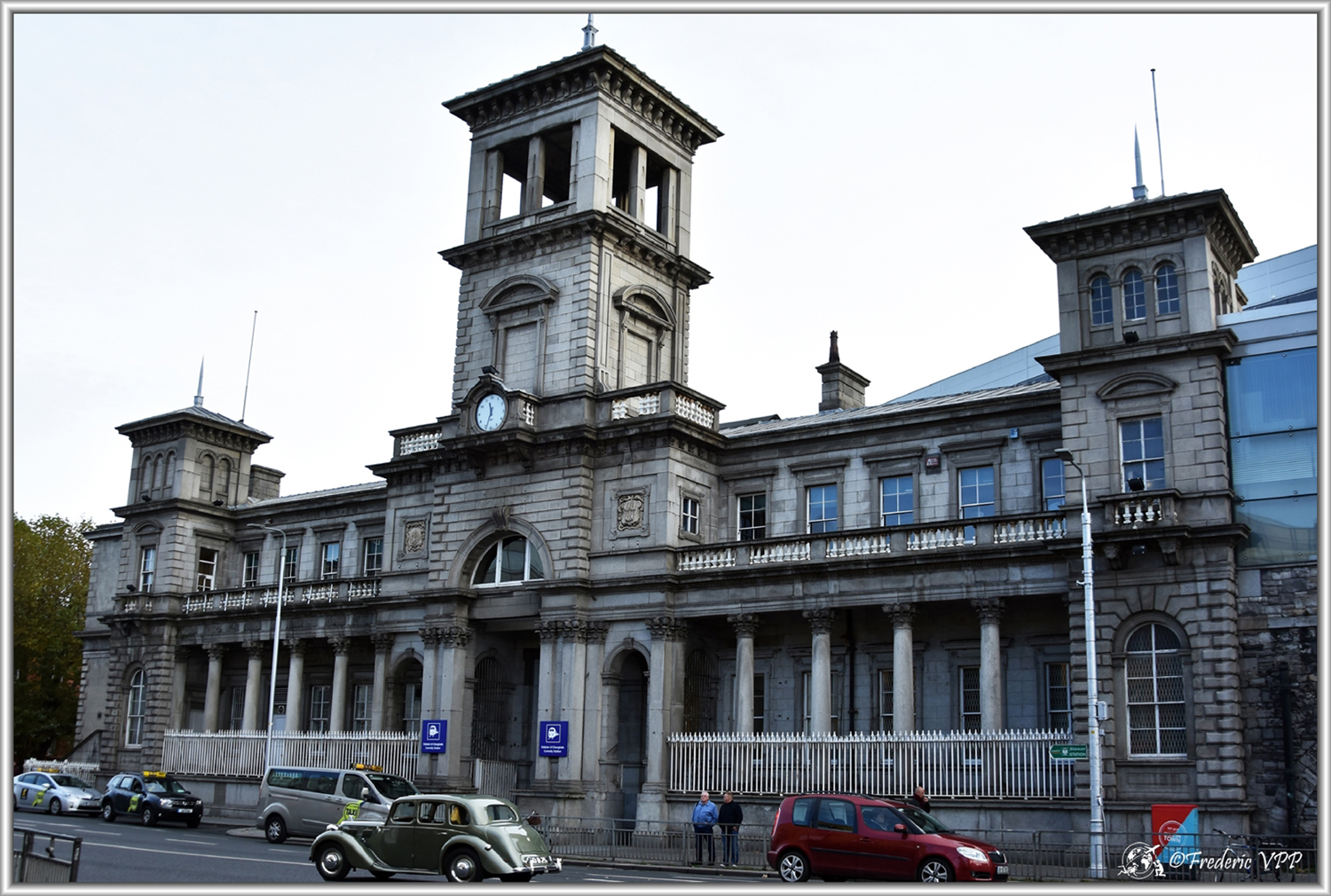
The architecture is massive and the churches are very simple on the outside. You have to push the doors to discover a grandiose interior. I was also pleasantly surprised by the number of graffiti in the streets.
|
|
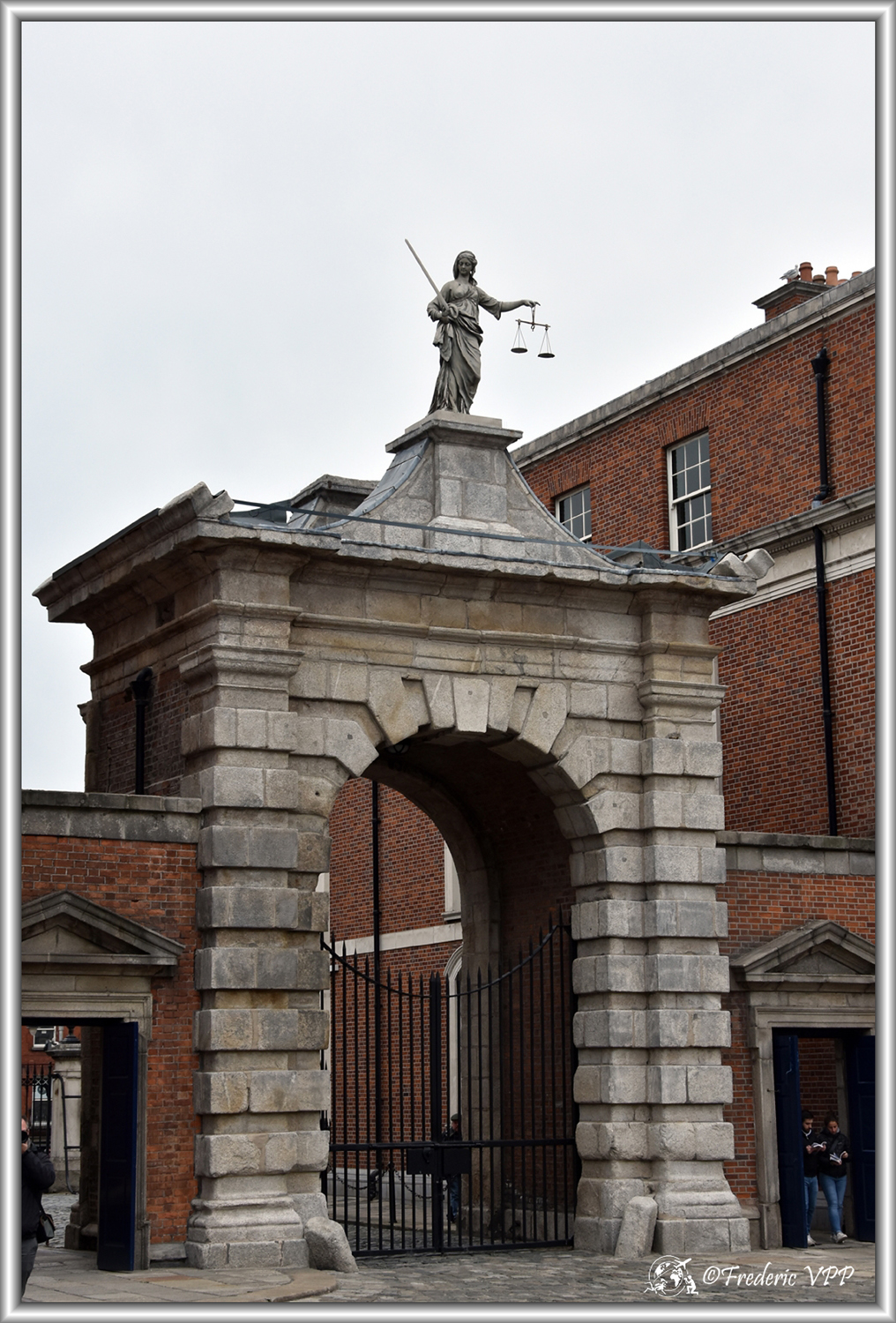
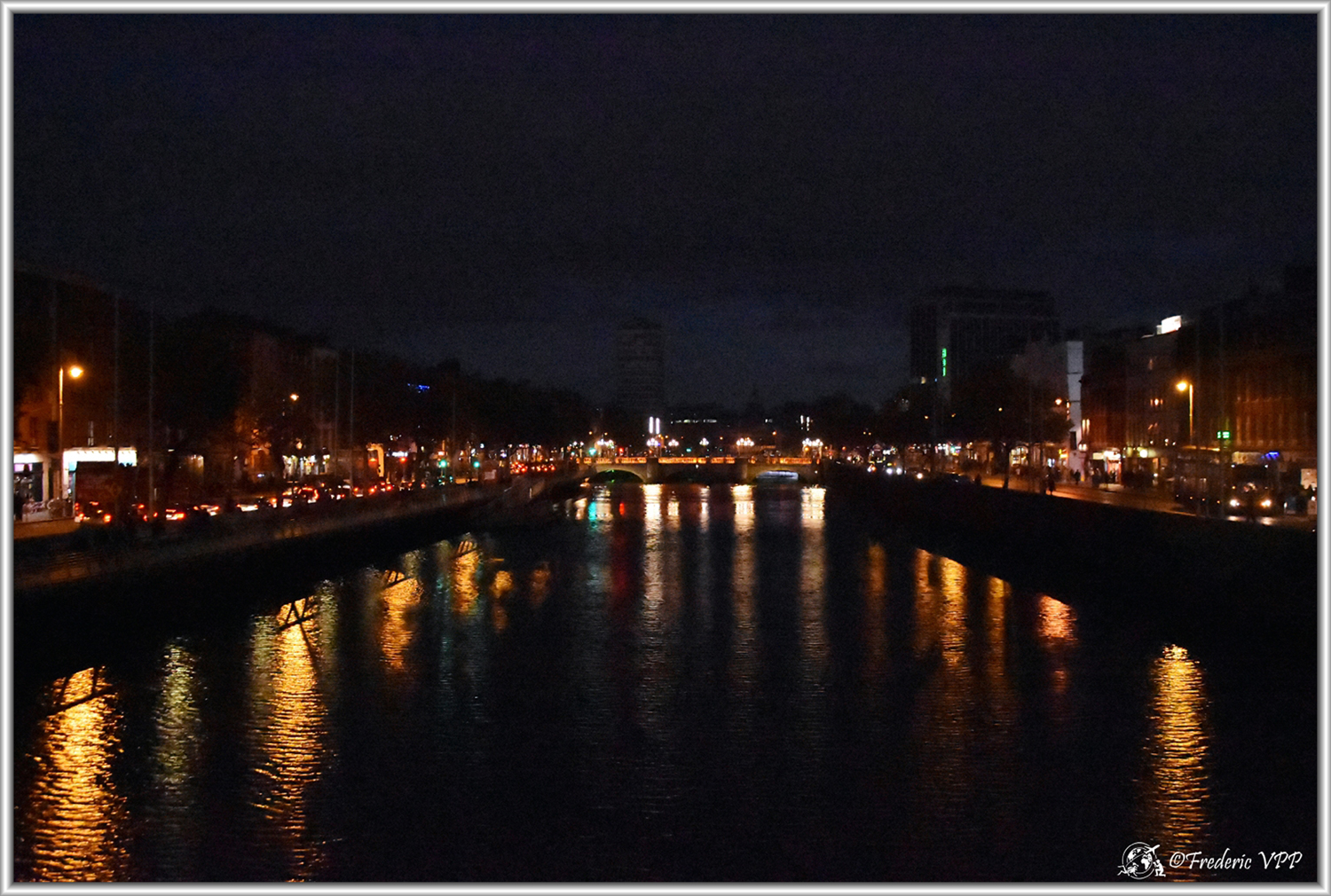
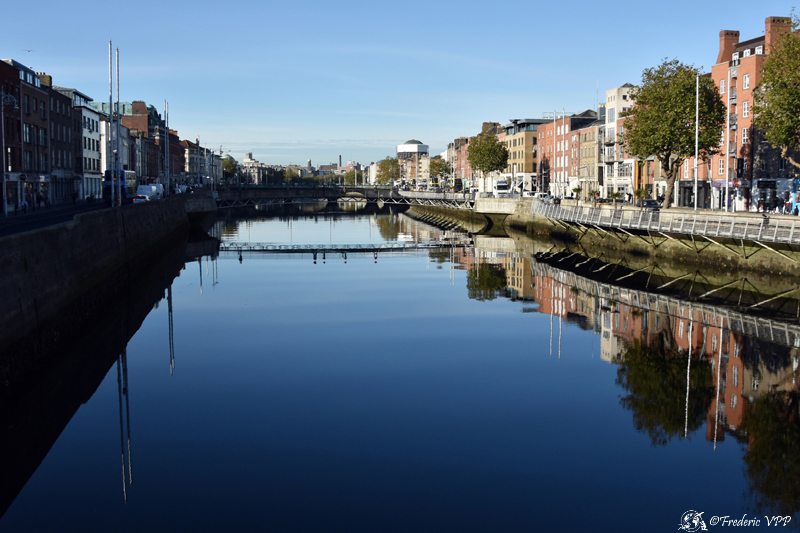
The name "Dublin" is generally considered to derive from the original Gaelic "Dubh Linn" ("the black pond") which now means "bay of smoke", the name of a basin in a tributary of the Liffey, near which was erected the first stronghold of the Irish Vikings, or "Gall Gàidheal". There are, however, doubts about this. In the year 837, Thorgis returned there for the second time, this time accompanied by a fleet of one hundred and twenty Viking ships. Sixty of them go up the River Boyne, the other sixty up the River Liffey. According to the annals of the time, this formidable military force mustered under his authority. Unknown in his own country, all accounts of his conquests are found in Ireland and the British Isles. Upon their arrival in Dublin, his men seized this community of fishermen and farmers and erected a solid fort according to Scandinavian construction methods, on the hill where the current Dublin Castle stands.
The modern names of Dublin refer to this double origin: "the original hamlet" for the Gaelic name, and "the Viking village" for the English version. After the invasion of Ireland by the Anglo-Normans (1170/1171), Dublin replaced the Hill of Tara as the capital of Ireland, with power residing in Dublin Castle until independence.
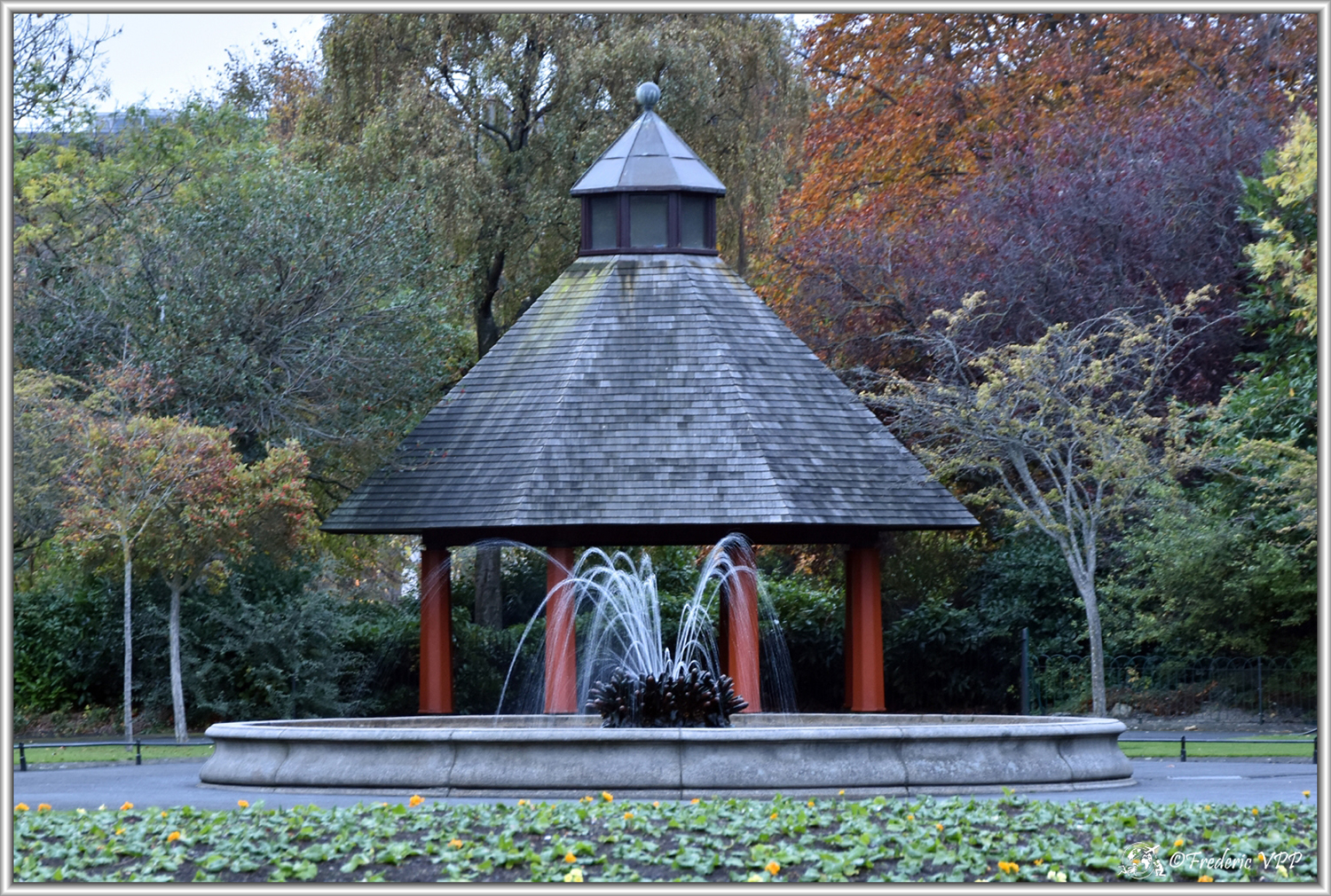
After their victory at the Battle of the Boyne in 1690, William of Orange's Protestant troops, including 3,000 French Huguenots, settled many of their men in Dublin, to distance themselves from the controversial Protestants who had colonized Ulster and Munster for a century. The 239 Huguenots of Dublin have a collective burial, "Huguenot House" in the small street of Mansion Row near the park of St Stephen's Green, created in 1693 in the new Dublin, where the names of 239 of them are engraved, listed in alphabetical order. Their political and cultural domination was facilitated by the exile for France of 20,000 Jacobite soldiers at the time of the Treaty of Limerick, among whom were the bulk of the Irish Catholic nobility, a large part of whom had already been expropriated, in the regions of Munster (central west) and Ulster for a century.
The Easter Rising in 1916 brought instability to the capital, and the Anglo-Irish War, while the Irish Civil War left the city in ruins, with many of its finest buildings destroyed. The State of Ireland rebuilt a large part of the buildings of the city, but without taking any real initiative to modernize the city; parliament was moved to Leinster House. From 1922, following the partition of Ireland, Dublin was the capital of the Irish Free State (1922-1937) and then of the Republic of Ireland. Dublin was several times affected by attacks in connection with the Northern Irish conflict, such as those of 1974. From the 1990s and the period of the Celtic tiger, the city underwent many transformations, in particular by the creation of new districts, buildings and infrastructures, in the center but also on the outskirts, as well as by the arrival of new populations made up of young workers from Europe and Asia.
|
|
Sorry if the links are outdated or not accessible
|