India
IndiaIndia, October and November 2019
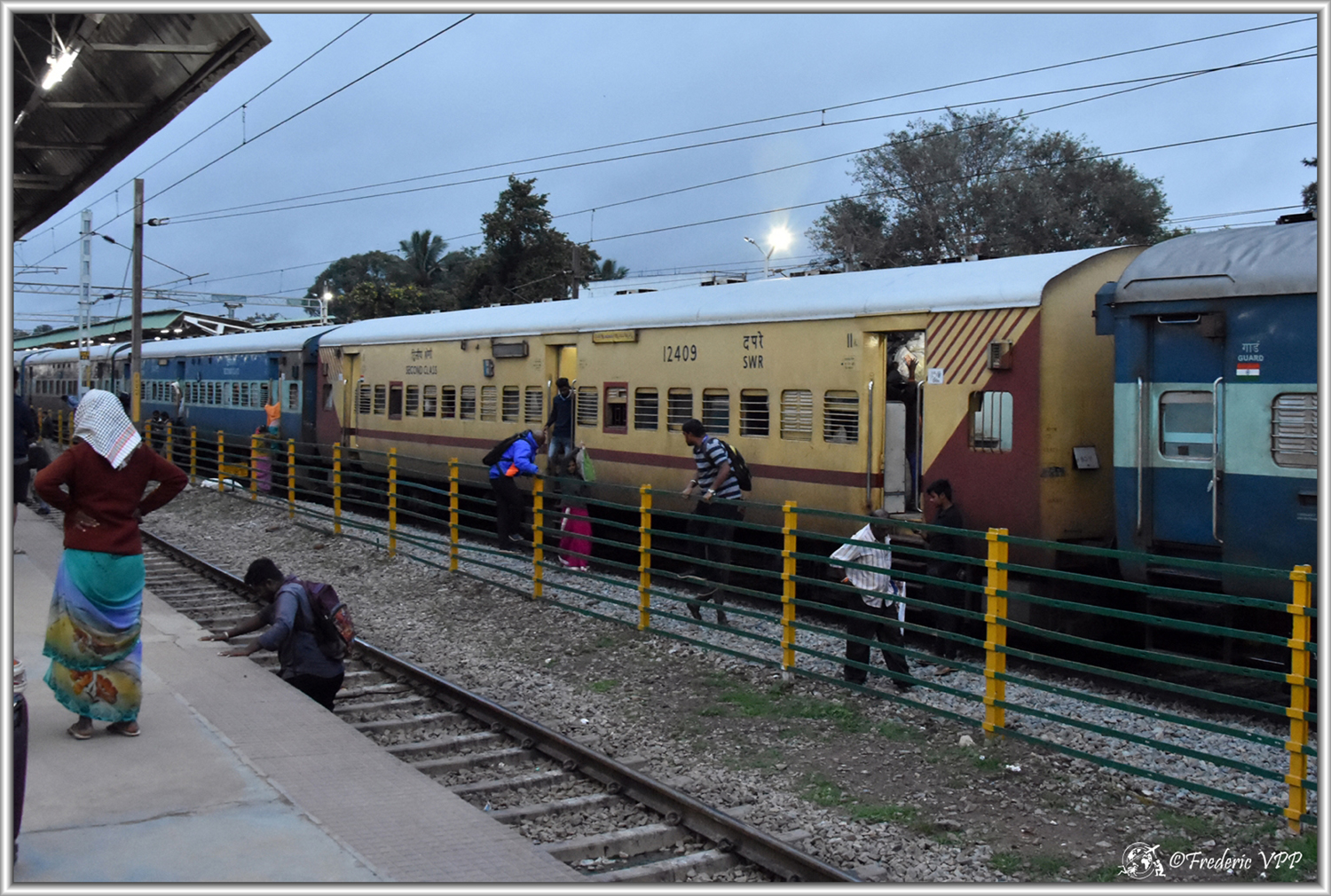
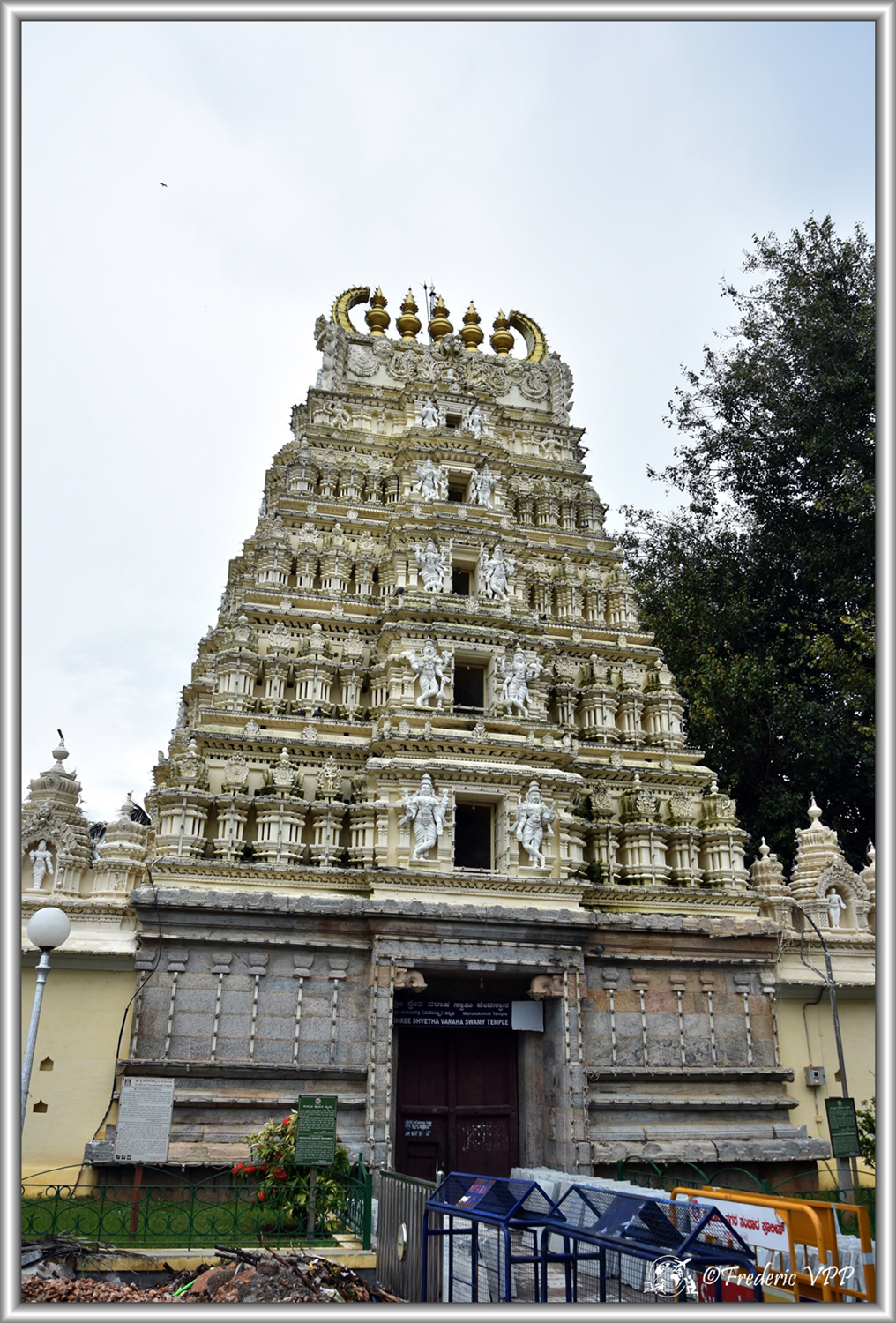
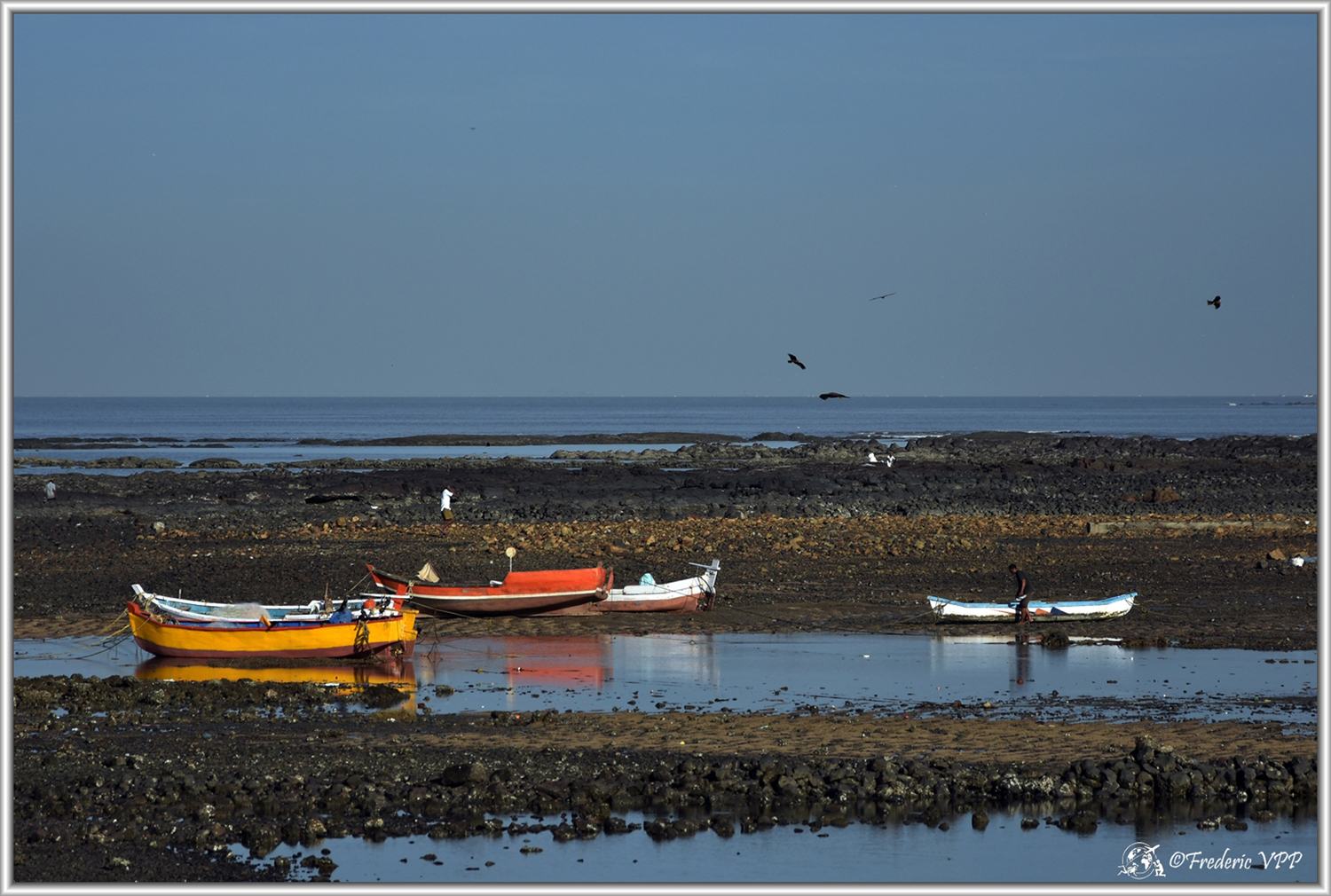
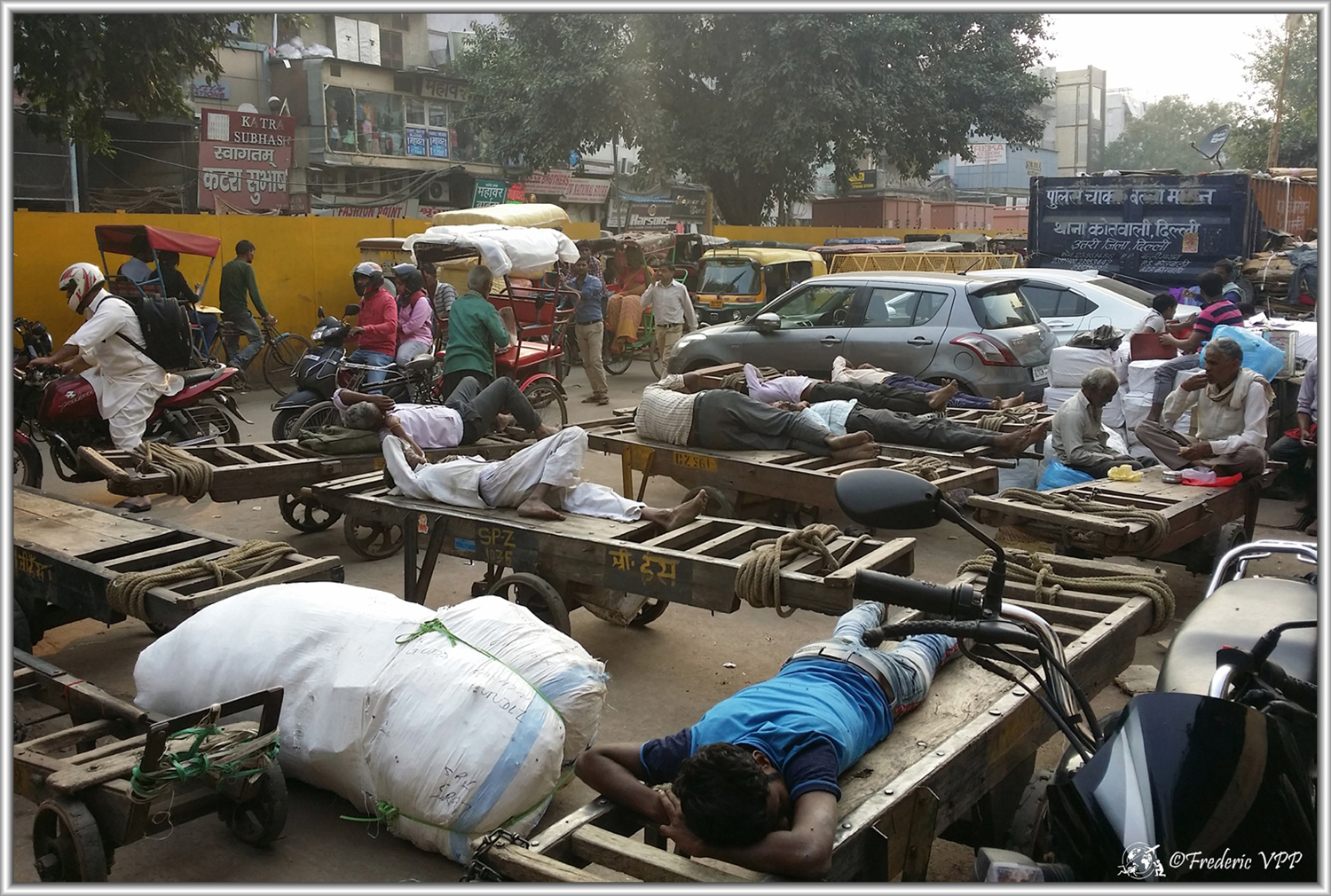
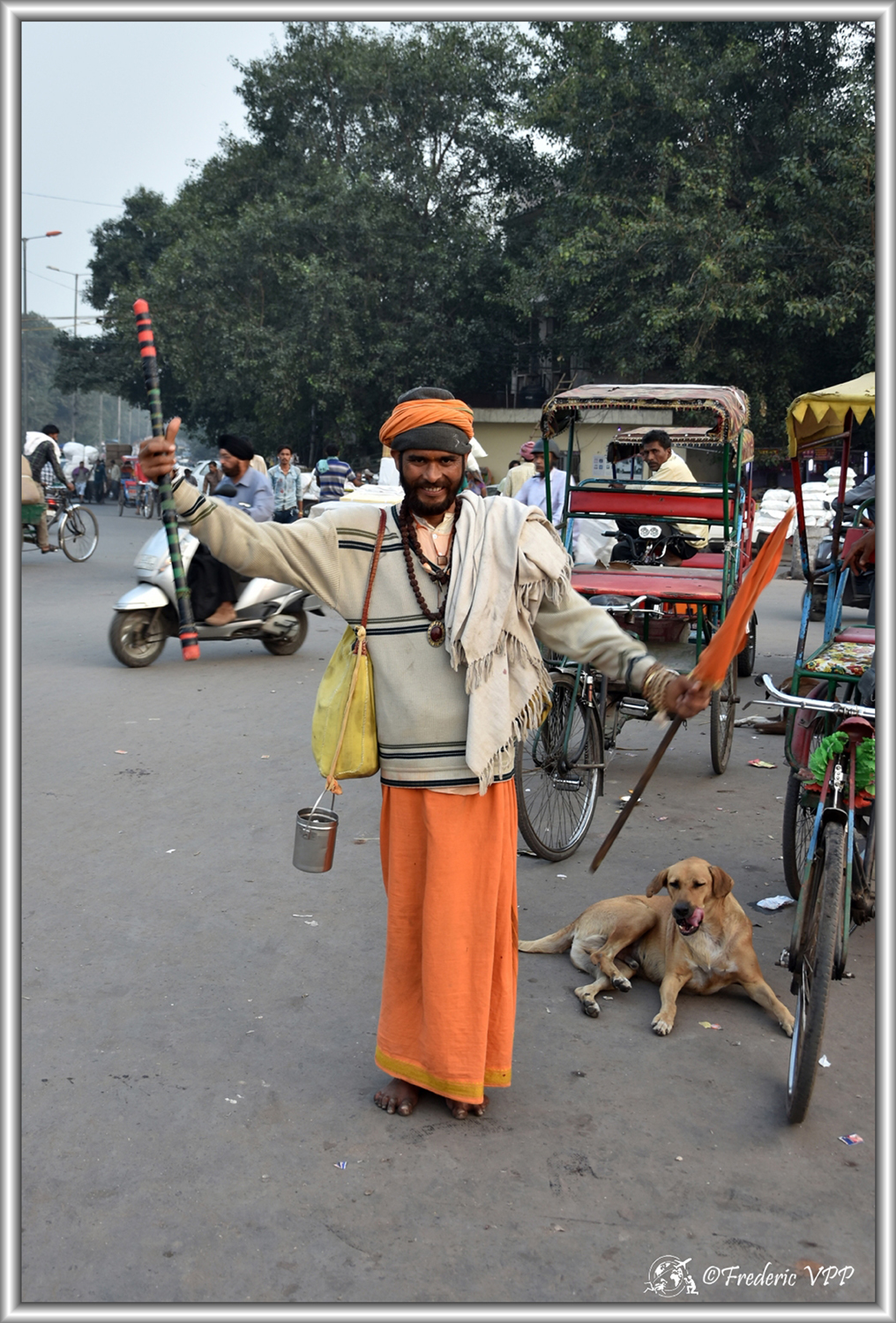
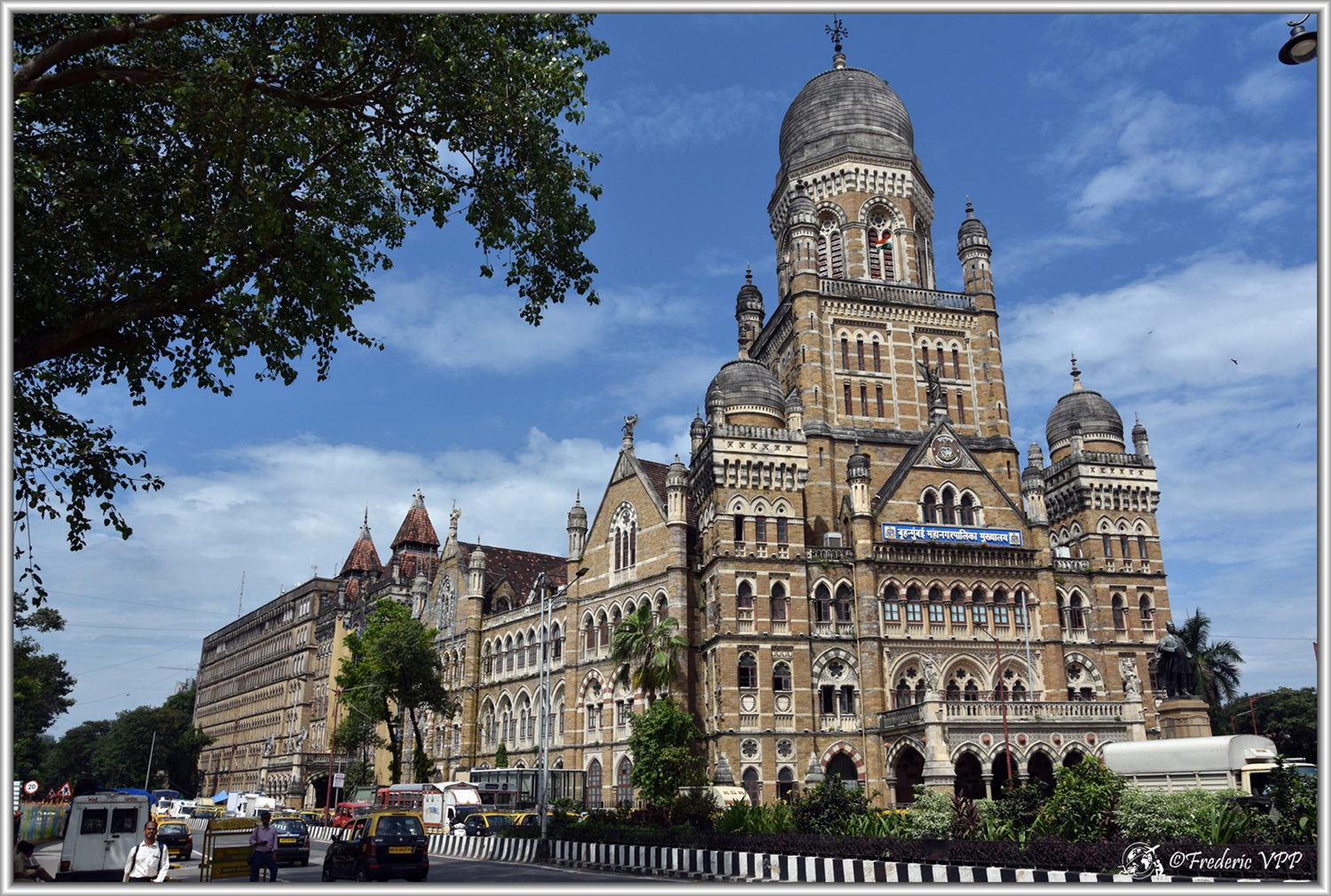
I had wanted to take a trip to India for a long time. A mission at Société Générale allowed me to work with Indians, based in Bangalore, including Saiprasad who came to France for training for a few weeks. We spent a lot of time together, evenings and weekends. So that made me decide to go there. But India is a vast country. 21 days is not enough to see everything. So I divided my trip into 3 main stages: Bangalore, Mumbai and finally Delhi, three different cities. My choice was the right one. My only regret is not having spent more time in Mumbai, 4 days being insufficient. And I would also have liked to take a tour of Bollywood...
|
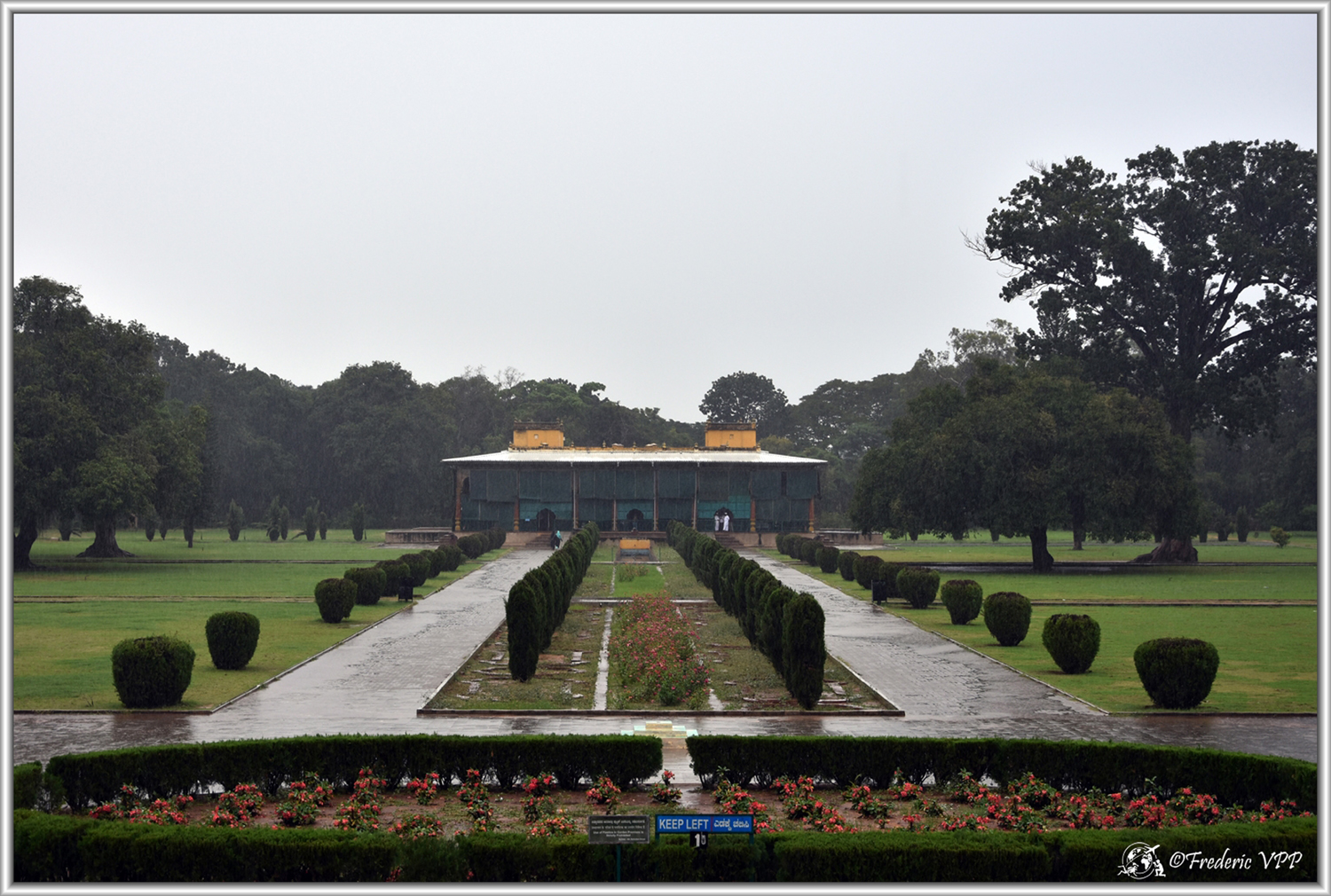
In October the monsoon is in progress. This season represents the mildest season of the year where temperatures are similar to those of the rainy season. The weather is very cloudy and not rainy... Unfortunately, I had the right to rainy days, but it never killed anyone... And then, it's also the life of the Indians, so in India , or like an Indian.
India remains a strange country for Europeans. This country has been able to develop its technology with a Silicon Valley in Bangalore. This country almost became, in 2019, the 4th state to land a probe on the Moon. Knowing the will of the Indians, it is only a first attempt.
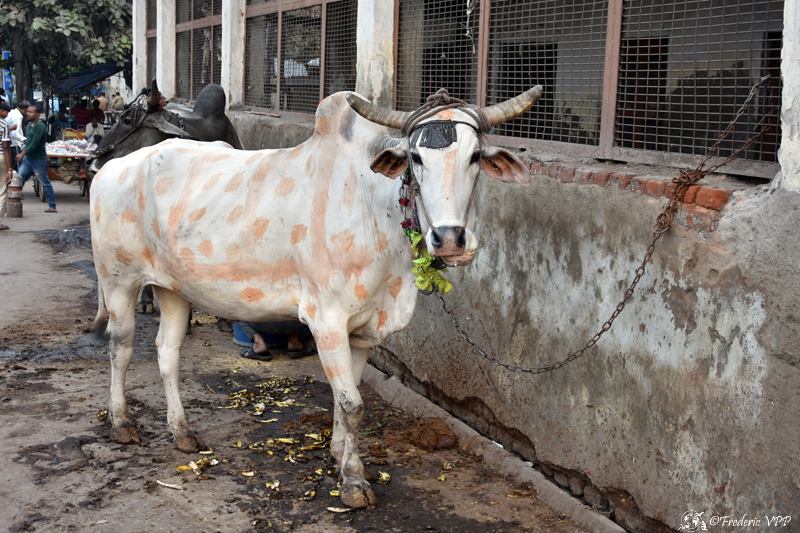
Yet in the face of this modernism, some areas seem out of time, caught in a past from which they find it difficult to emerge. I will tell you more about this in the various pages on India. The most amazing thing is also these cows that live freely. I imagined this in the countryside. However, Bangalore, Mumbai and even Delhi, to a lesser extent in the city, are confronted with this. They walk around according to their desires, taking advantage of garbage bags to eat, cars to avoid them. I even saw a man in Mumbai who I think was praying in front of a cow. However, on the markets, the cows are seen differently by the damage they can cause. Without touching them, I would say without "offending" them, the merchants try to keep them away from their stall. This trip remains a very good memory. I would come back because I want to go to the north, see Mumbai again, and many other things.
|
|
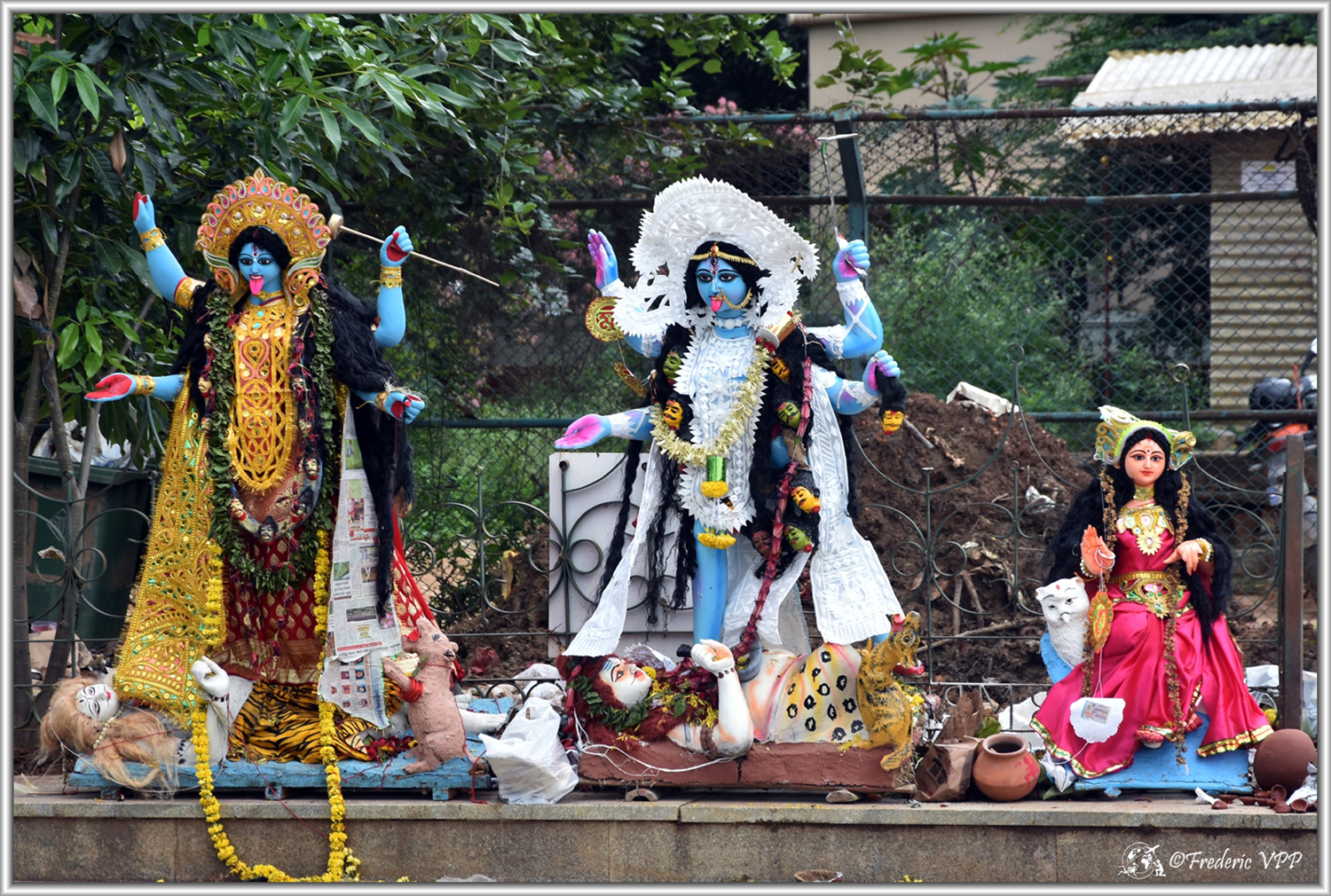
India (in Hindi: Bh?rat), officially the Republic of India (in Hindi: Ga?ar?jya), is home to some of the oldest civilizations in the world, the Indus Valley Civilization developed there from 3000 BC. The Indian subcontinent has been home to vast empires and has been present on trade routes since ancient times. India is the birthplace of four major religions: Hinduism (majority with about 80% of followers), Jainism, Buddhism and Sikhism - while Zoroastrianism, Christianity and Islam are there established during the first millennium. India today is a religiously, linguistically and culturally diverse country.
The country name "India" is derived from the Old Persian, "Hindu", version of the Sanskrit word "Sindhu". , the name of the Indus river in Sanskrit. The country's constitution also uses the word "Bharat" (Hindi word derived from the Sanskrit name of an ancient Aryan king whose story can be found in the Mahabharata). A third name, "Hindustan" or "Hindustan" listen to the word has been employed since the period of the Mughal Empire and is still used today by Indians in common parlance. The plural "the Indies" was commonly used before the country's independence. The oldest human traces found in South Asia date back approximately 30,000 years. Around 7000 BC. AD, the first Neolithic settlement appears on the subcontinent at Mehrgarh and other sites in western Pakistan. These developed to form the Indus Valley Civilization, the first urban culture of South Asia which existed between 2500 and 1900 BC. AD in Pakistan and western India. Centered around towns like Mohenjo-daro, Harappa, Dholavira, and Kalibangan, and based on different livelihoods, the civilization engages in craft production and large-scale trade. The caste system, creating a hierarchy between priests, warriors and free peasants, but excluding the natives by declaring their occupations impure, is said to have emerged in the period 2000 to 500 BC, the period of the Vedas, the oldest texts of Hinduism.
At the end of the Vedic period, around the 5th century BC. JC, the small chiefdoms of the plains of the Ganges and the north-west are consolidated around sixteen important oligarchies and monarchies known as the Mahajanapadas. The emergence of urbanization and religious orthodoxies during this period gave rise to the religious reform movements of Buddhism and Jainism, which both became independent religions. Buddhism, based on the teachings of Gautama Buddha, attracts followers from all social classes, and the chronicles of Buddha's life are central to India's early written history. Jainism becomes important during the same period, during the life of Mah?v?ra. While in this period, urban wealth increases, these two religions make renunciation an ideal and both establish monasteries. The early part of the Indian Middle Ages, between 600 and 1200, is characterized by regional kingdoms and great cultural diversity. No ruler of this era is able to create an empire and control territories beyond the heart of his kingdom like Harsha of Kânnauj, the Chalukya dynasty, the Pallavas. At the same time, pastoral peoples, whose lands are used for the growing agricultural economy, are integrated into caste society, as a result of which the caste system begins to show regional differences. In the 6th and 7th centuries, the first devotional hymns were created in Tamil. They are imitated throughout India and cause a resurgence of Hinduism and the development of modern languages of the subcontinent. Indian kings and the temples they sponsor attract worshipers in large numbers. Pilgrimage towns of varying sizes are popping up everywhere and India is urbanizing again. After the 10th century, the nomadic Muslim clans of Central Asia, with their cavalry and their vast armies, penetrated regularly into the plains of the North-West, which resulted in 1206 in the creation of the Sultanate of Delhi. At the beginning of the 16th century, North India fell into the hands of a new generation of warriors from Central Asia. The Mughal Empire will lead to a more systematically centralized and standardized government and trade expands there. At the beginning of the 18th century, the cleavages between commercial domination and political domination disappeared and European trading companies, in particular the British East India Company, established counters on the coasts. The control of the English Company on the seas, its important resources and its military and technological advance allow it to take control of Bengal in 1765 and sideline the other European companies. During the 1820s, the Company relied on the riches of Bengal to increase the power of its army and annexed or dominated most of India. This domination marks the beginning of the colonial period: India ceases to export manufactured goods and becomes a supplier of raw materials for the British Empire. At the same time, the Company's economic powers were reduced and it became increasingly involved in non-economic areas, such as education, social reform and culture. The appointment in 1848 of James Broun-Ramsay as Governor General of the East India Company marked the beginning of a number of state modernization reforms. Among these changes are technological advancements like railways, canals and the telegraph, which are introduced to India soon after Europe. However, discontent with the Company grew during this period and culminated in the Indian Rebellion of 1857. In the decades that followed, a public life began to emerge, and in 1885 the Indian National Congress was established. Between the 1870s and 1890s, nearly thirty million Indians died of successive famines. The degree of responsibility of the British colonial administration is subject to controversy among historians.
After the First World War, in which one million Indians served, a new period began, marked by reforms by the British but also by repressive legislation and repeated calls for self-determination and the beginnings of the non-violent movement of no - cooperation of which Mahatma Gandhi becomes the leader and the symbol. This movement resulted in some legislative reforms in the 1930s and Congress won the resulting elections15. But the decade that followed was marked by crises: the colonial government engaged India in World War II, Congress pushed non-cooperation further as Muslim nationalism intensified.
The independence movement ended on August 15, 1947, but the subcontinent was divided into two states: India and Pakistan. The colonial period represents for India a strong economic decline, compared to the rest of the world. After having been a constitutional monarchy for three years, the constitution of India came into force in 1950, making the country a federal and democratic parliamentary republic15. Since then, India has remained a democracy, the most populous in the world: civil liberties are protected and the press is largely independent.
|
|
Sorry if the links are outdated or not accessible
|