Beijing
Beijing, China, January 2025
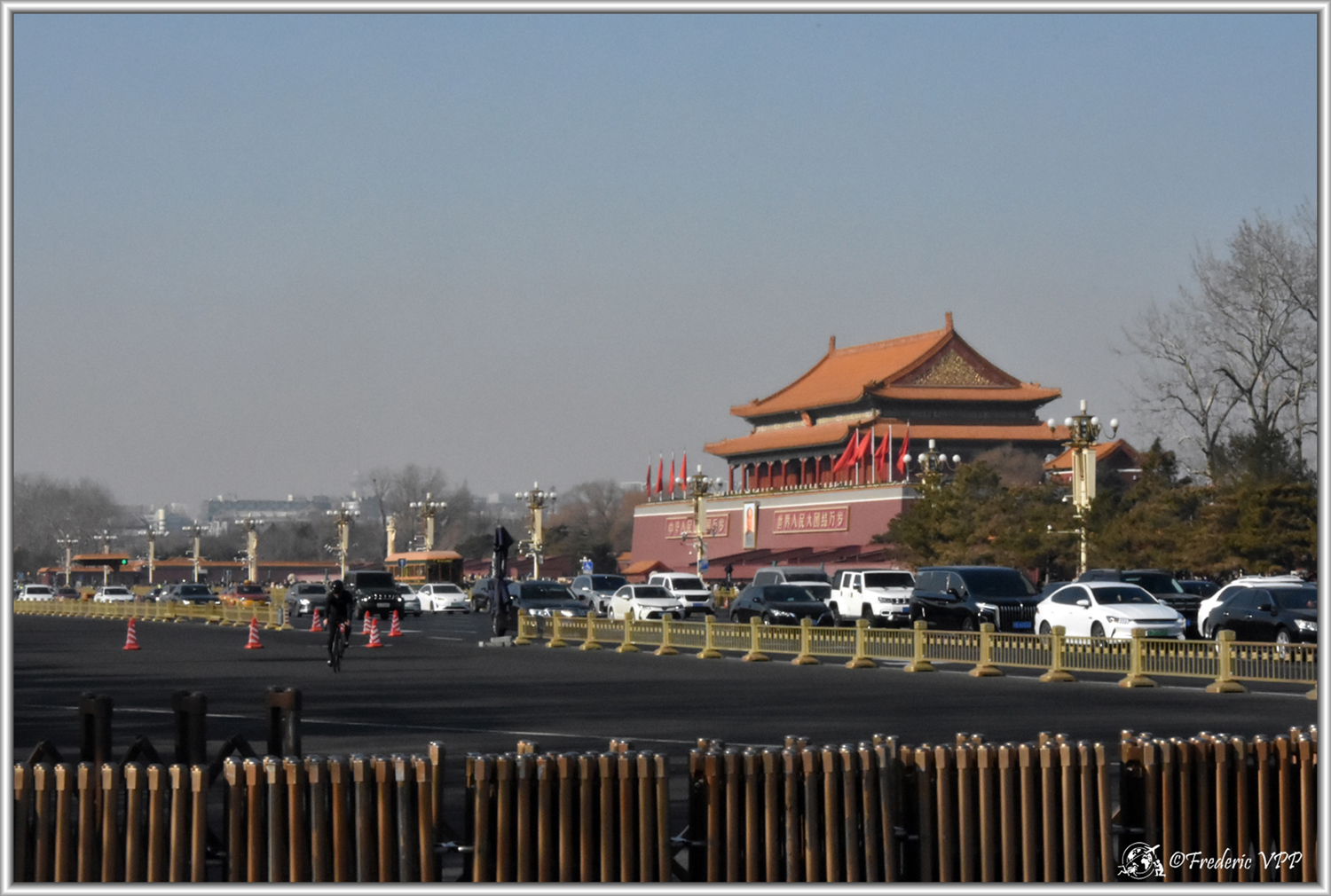
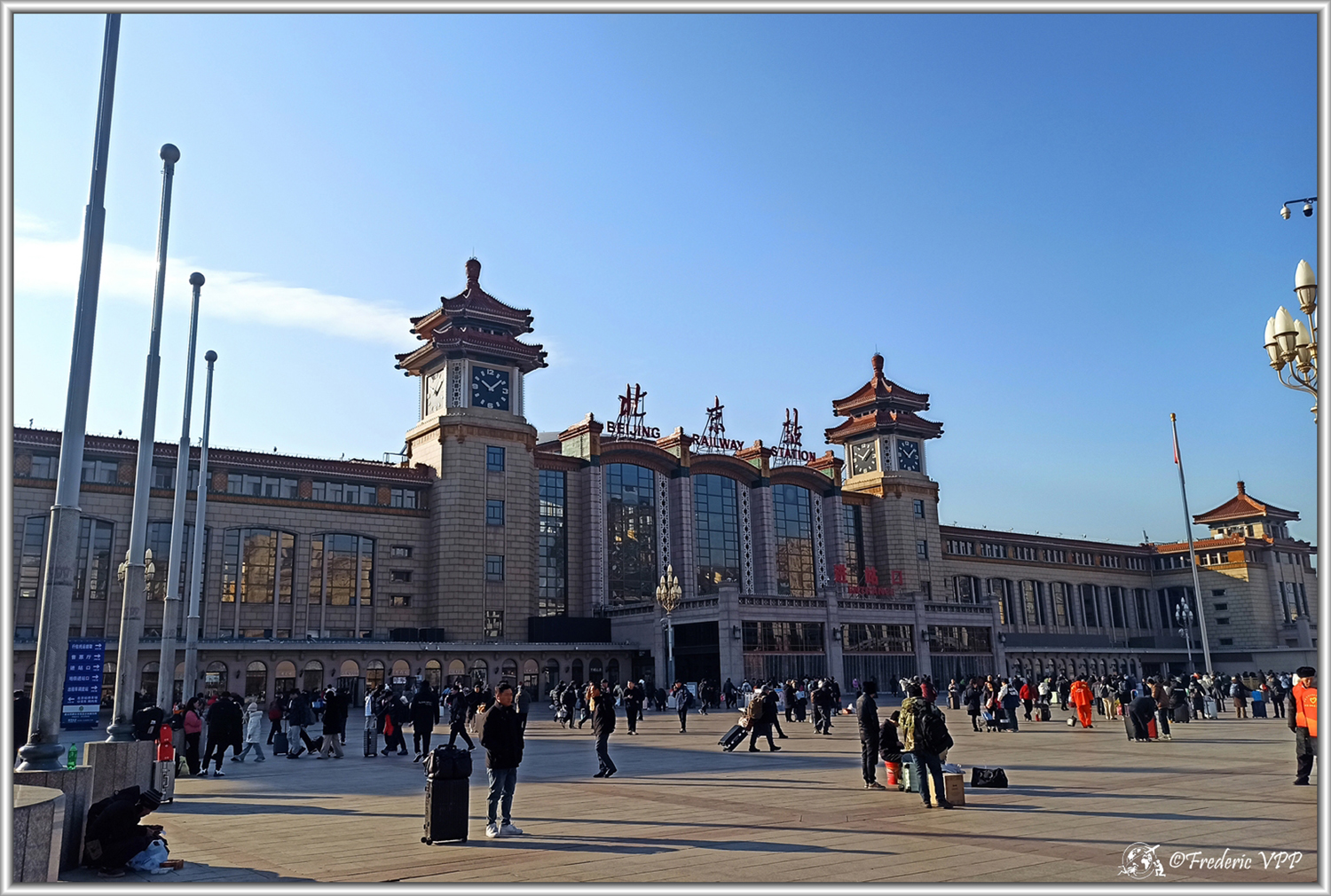
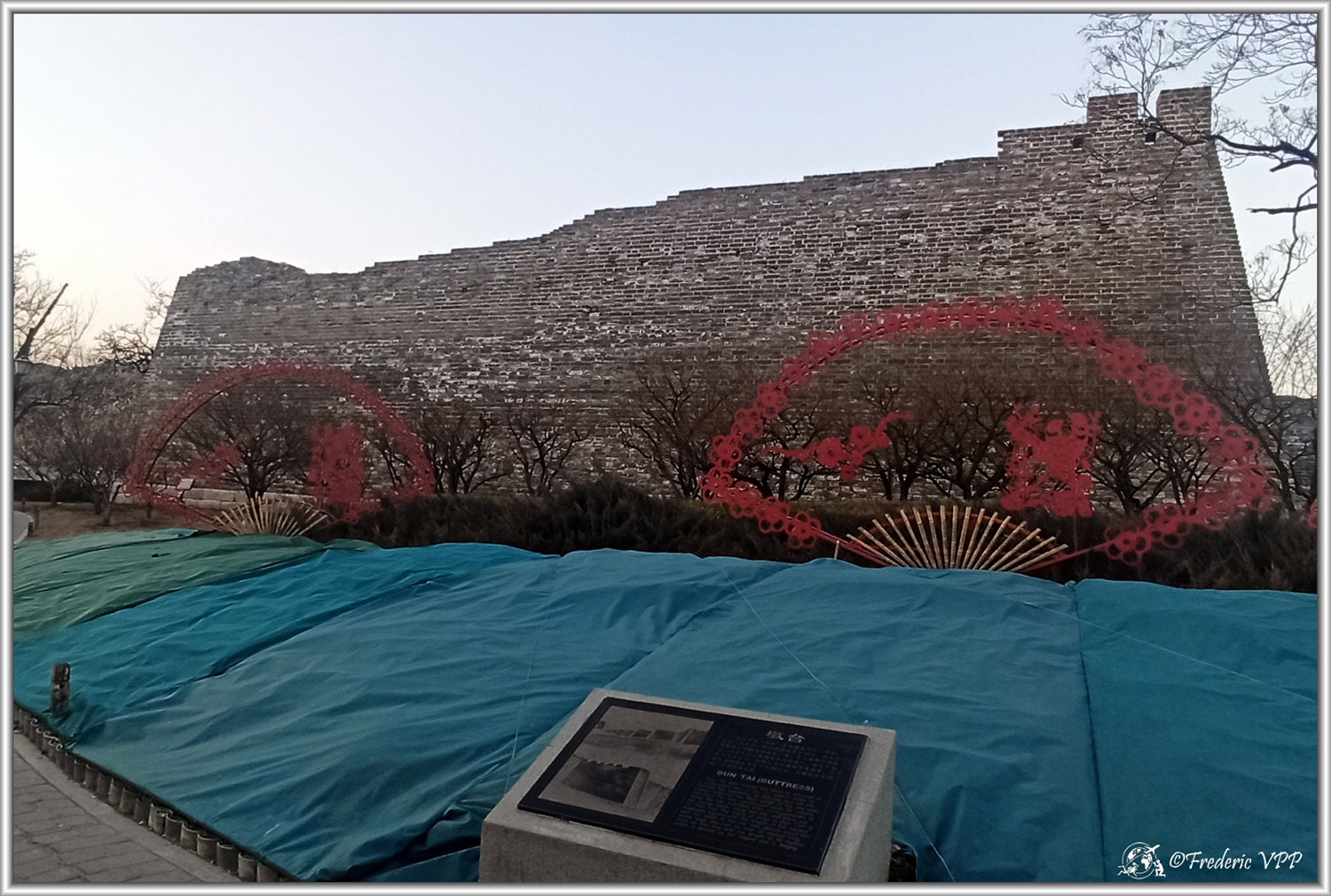
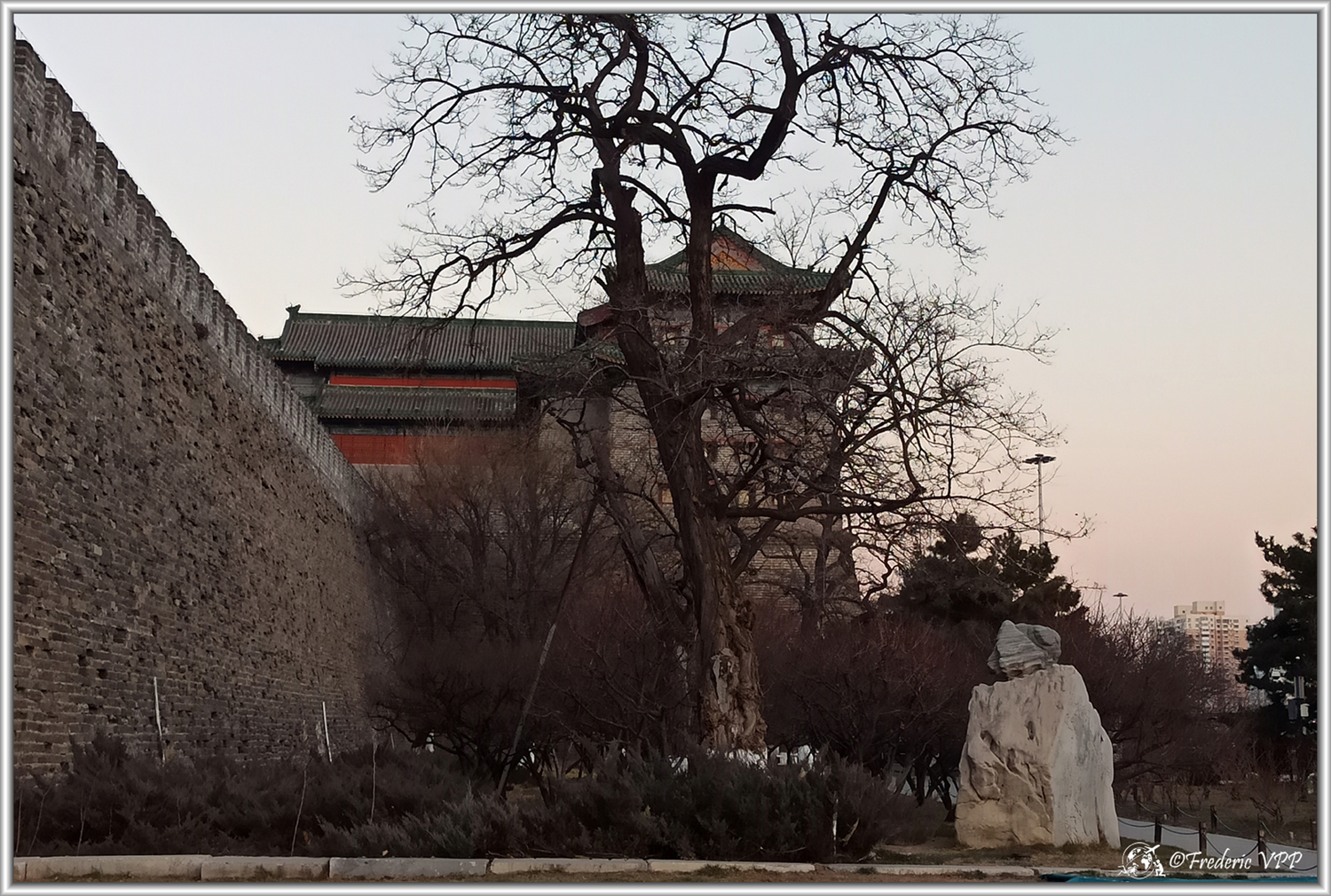
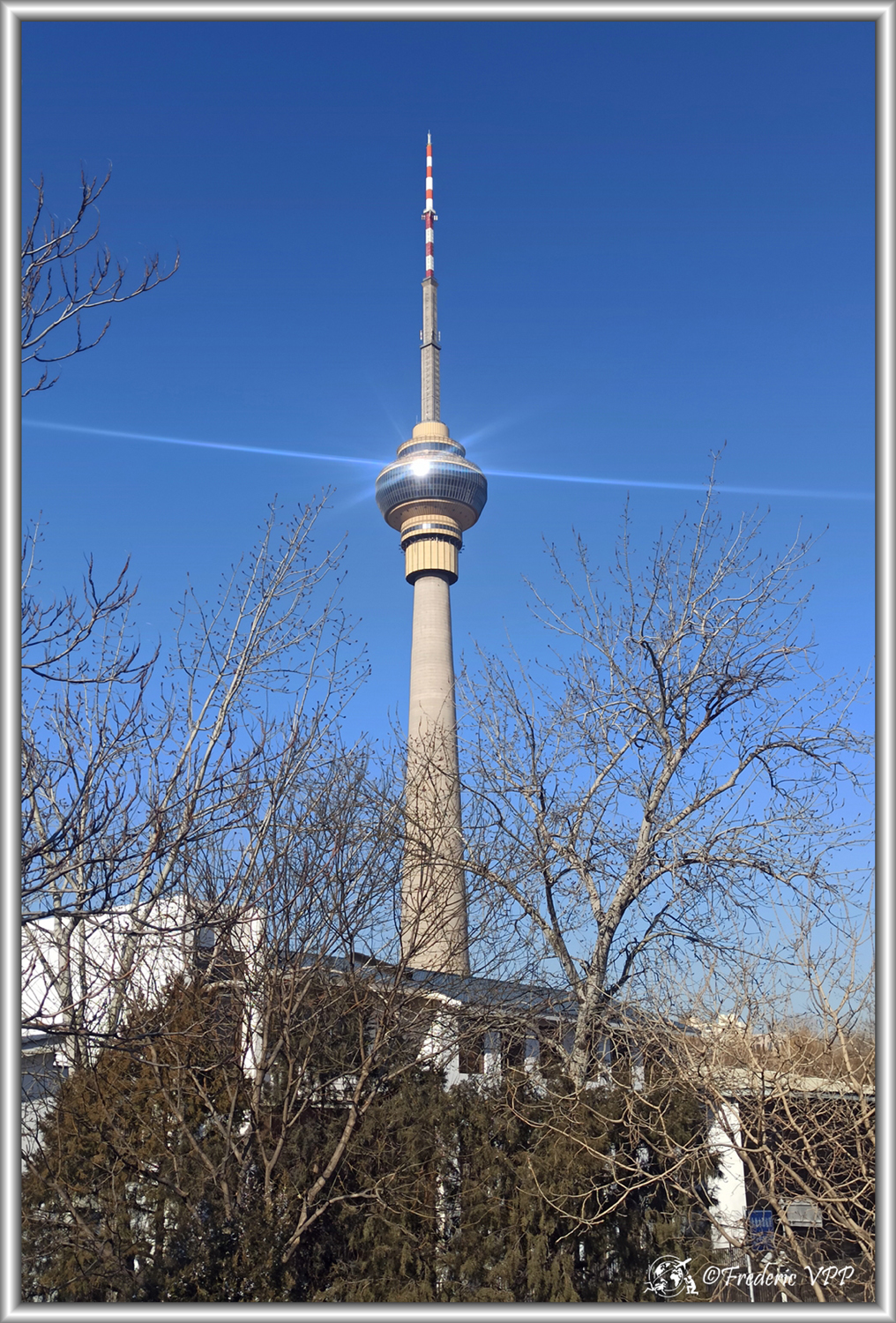
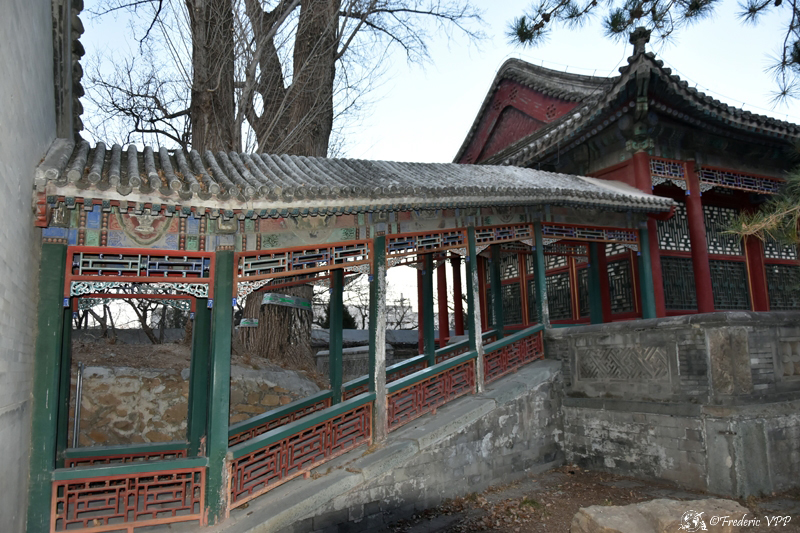
Beijing is different from Guangzhou, as many monuments exist in the capital...
|
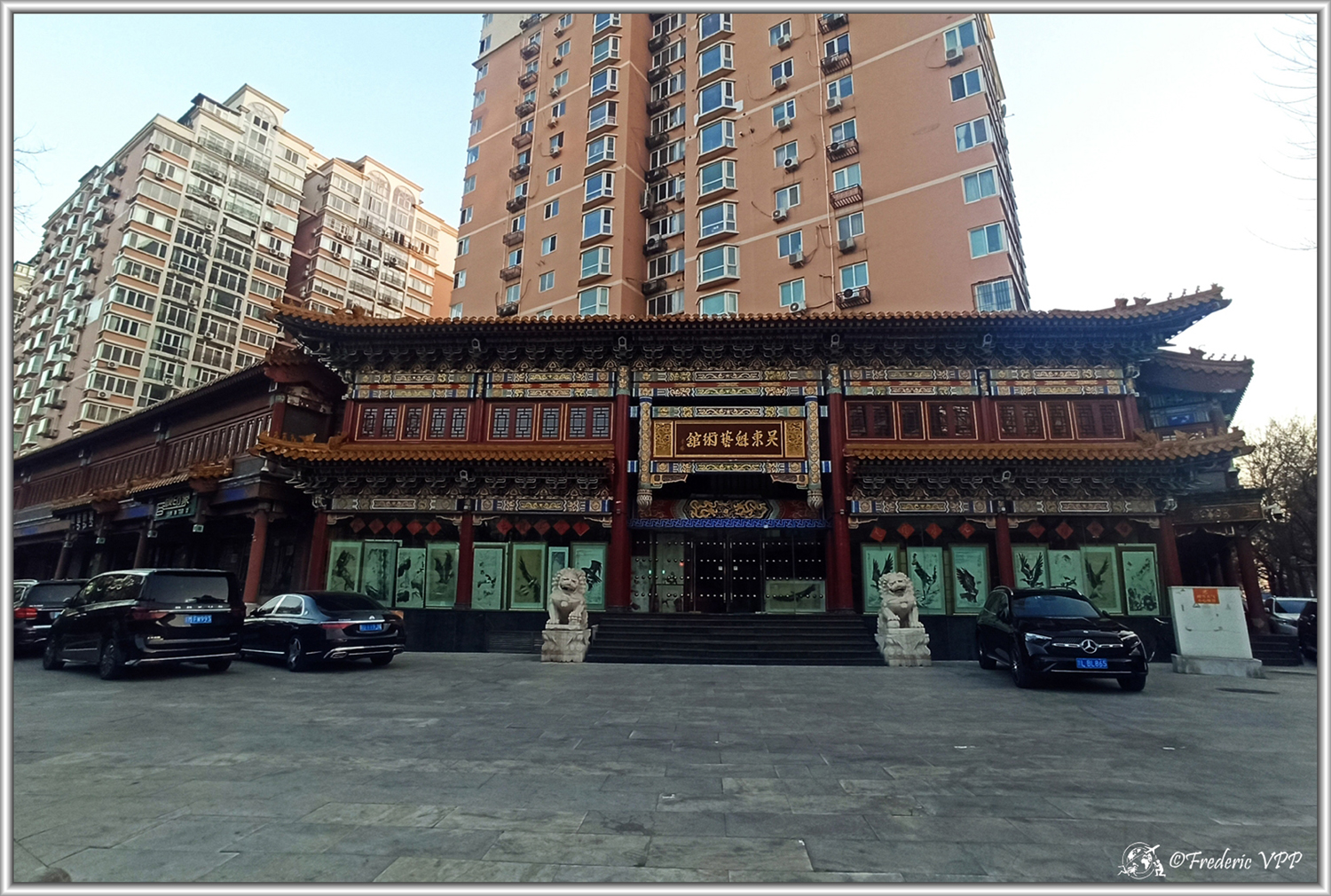
In Canton, I showed above all the difference between the old Canton and the new. This is less the case in Beijing, the old refers to the city's monuments. The town is a modern city.
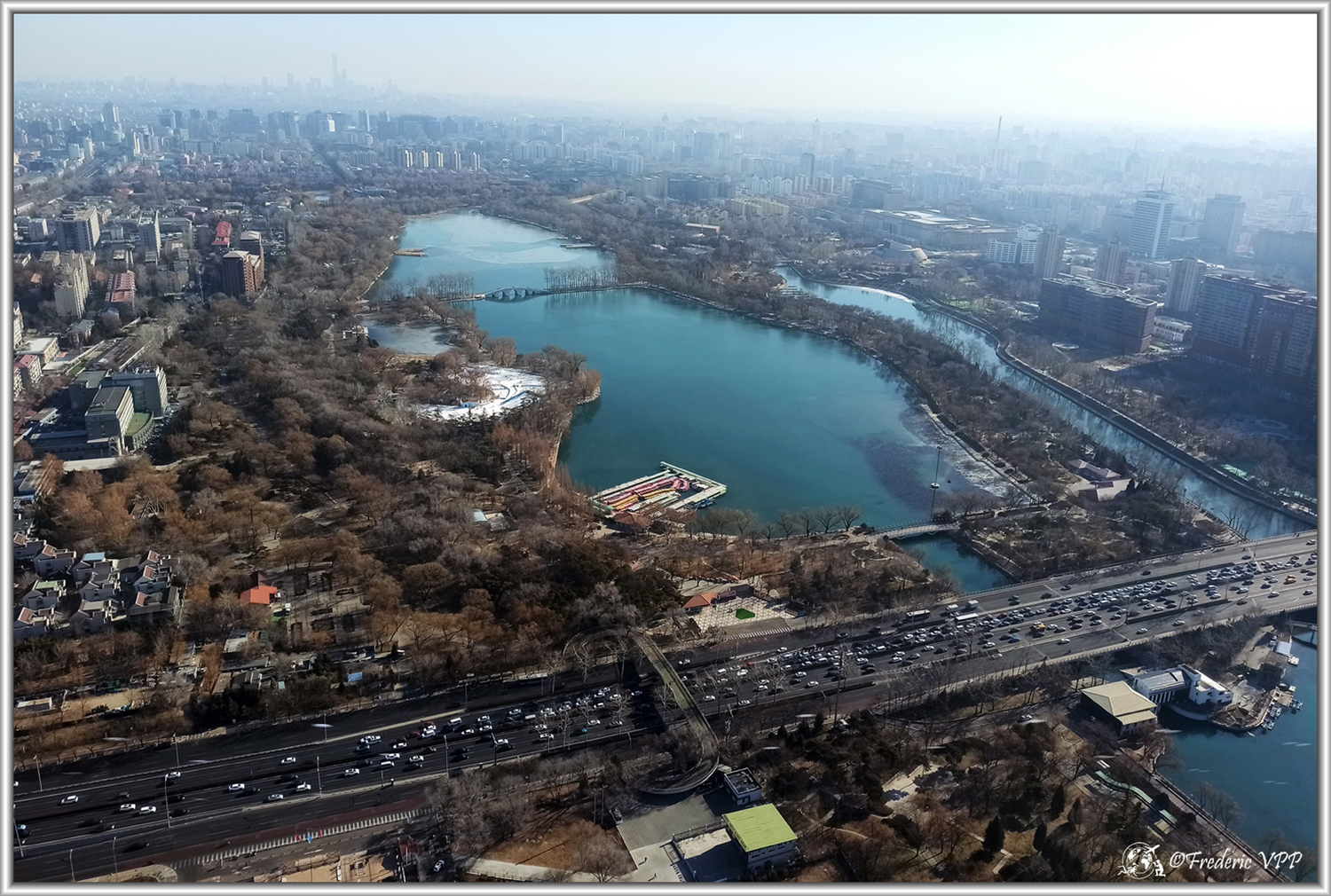
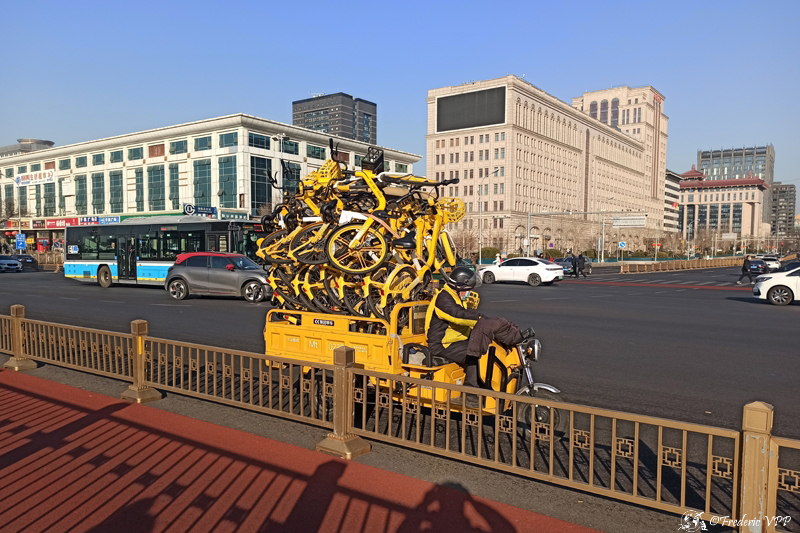
A city that also lives to the rhythm of the delivery people, who are very numerous. They sneak in from everywhere. Moreover, on some pedestrian bridges that allow you to cross the main avenues, there is an area without stairs, it is used for delivery people to access the other side.
It's a city that moves a lot too, much noisier than Guangzhou. But a city with a fairly large police and military presence. But at least you feel safe there.
|
|
Beijing has a history of almost 3000 years, and has almost always been the capital of the country for the last 700 years... It was the capital of six of the greatest dynasties, including the Yuan, Ming, and Qing empires; the largest and most powerful of the Chinese empires.
Beijing has continued to grow throughout history. Nowadays, it is not only the capital of the country, but also the second largest city in China, the main cradle of high-tech education and development, which sometimes earns it the nickname "Silicone Valley of China".
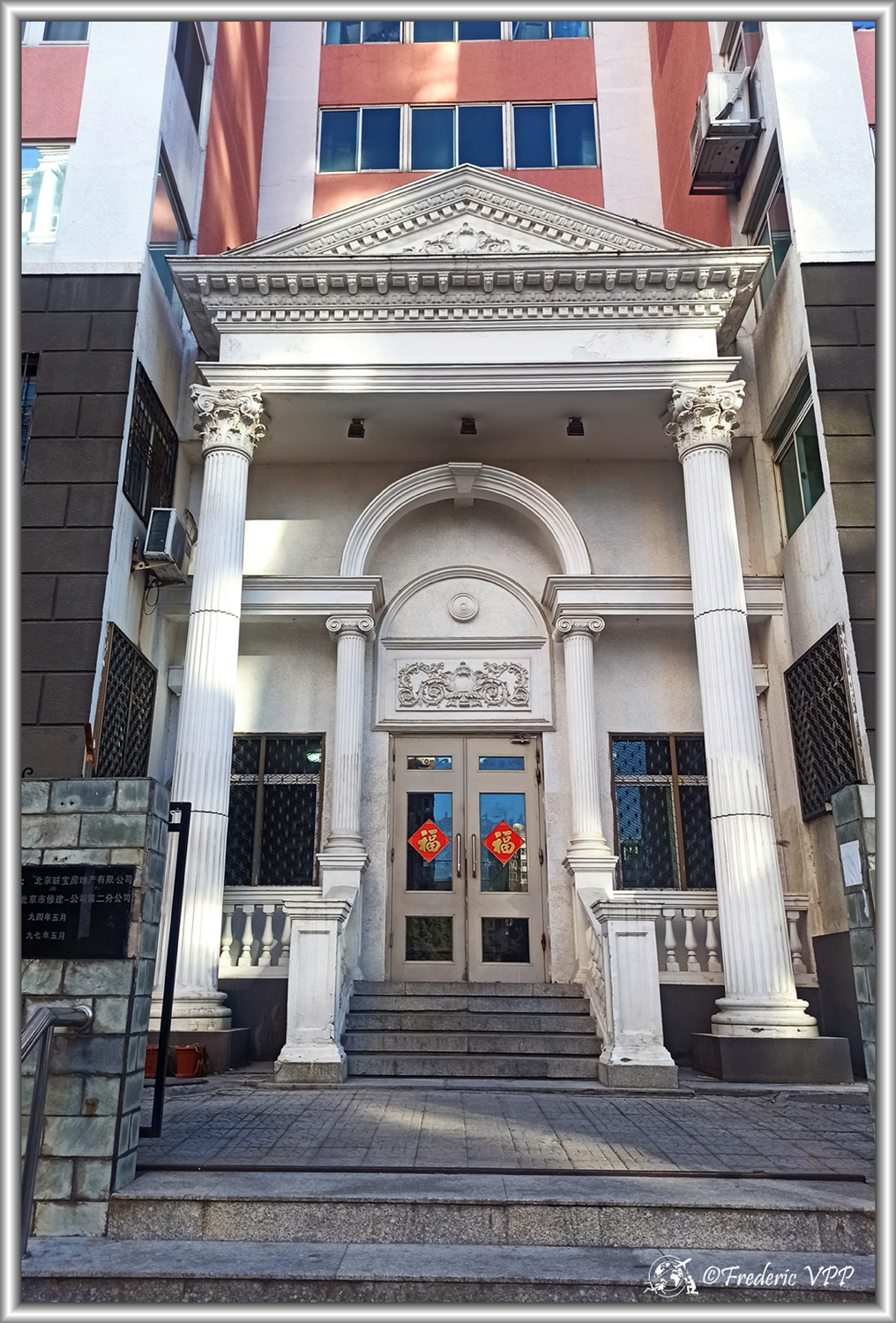
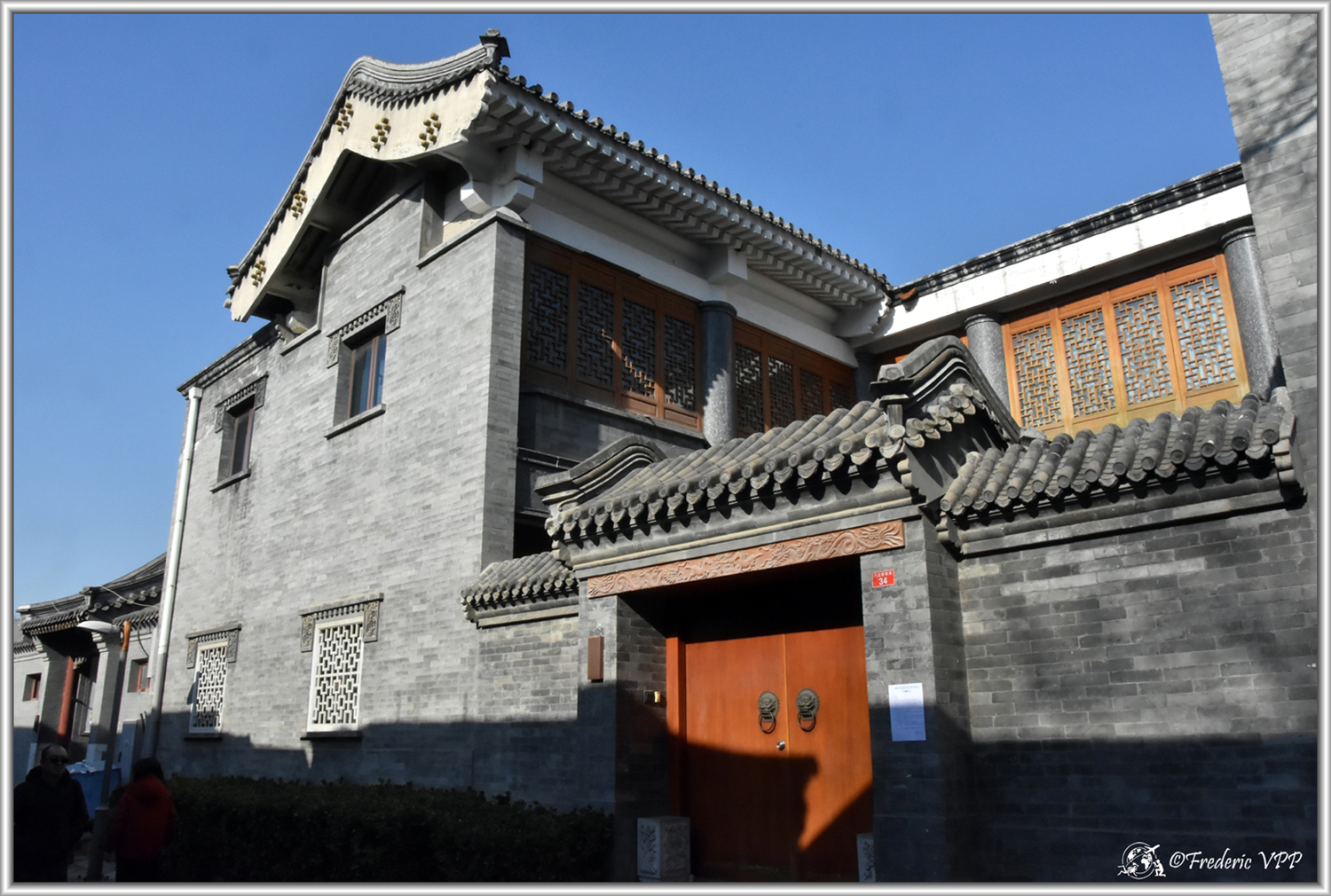
Although many symbols of ancient Chinese civilization are still there, Beijing has undergone several changes and upheavals in recent years. The change of political regime and the opening to the West and modernity have greatly changed Beijing's urban planning and architecture. Modern buildings stand side by side with small traditional dwellings (the "Hutongs") with their inner courtyards and narrow alleys.
|
|
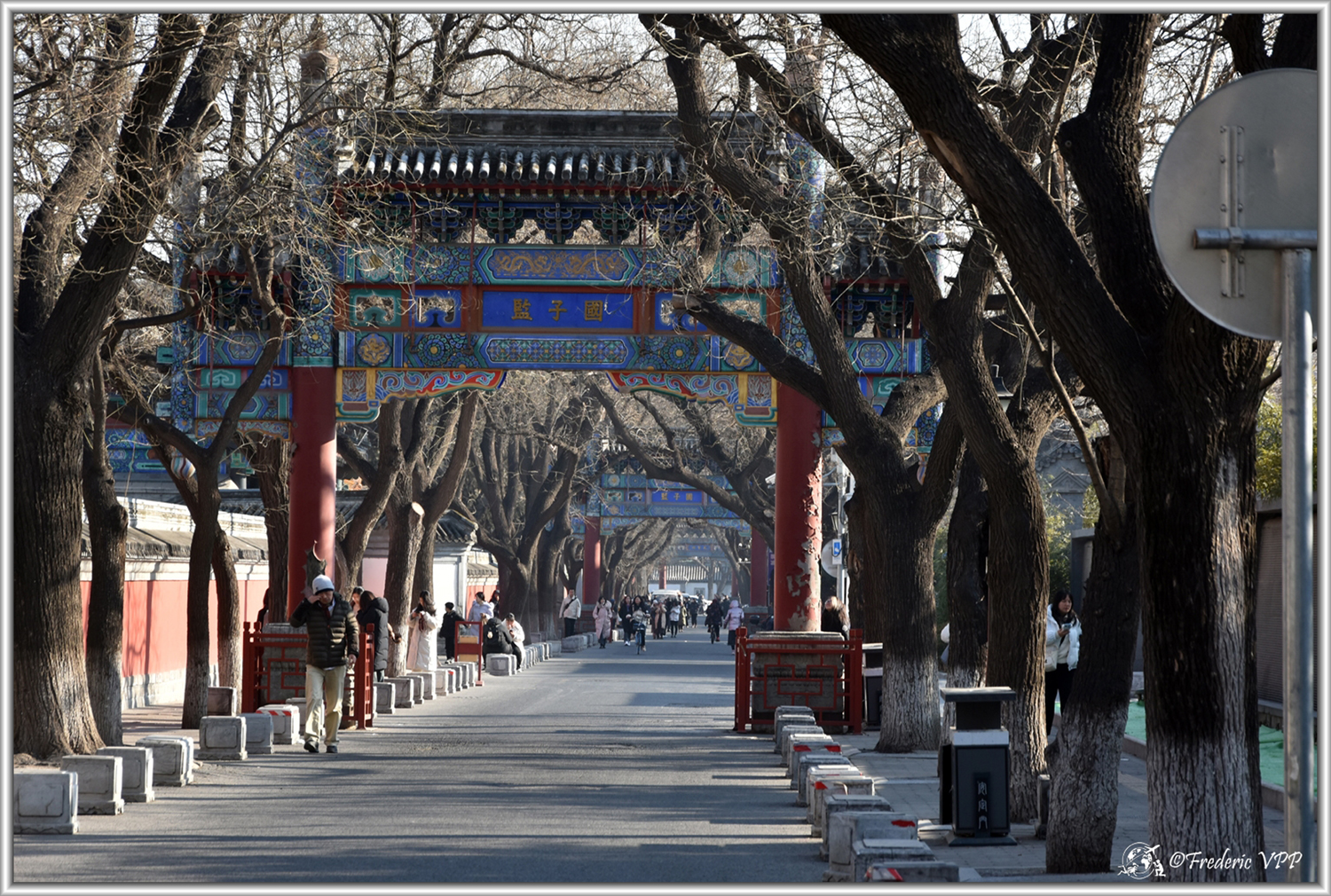
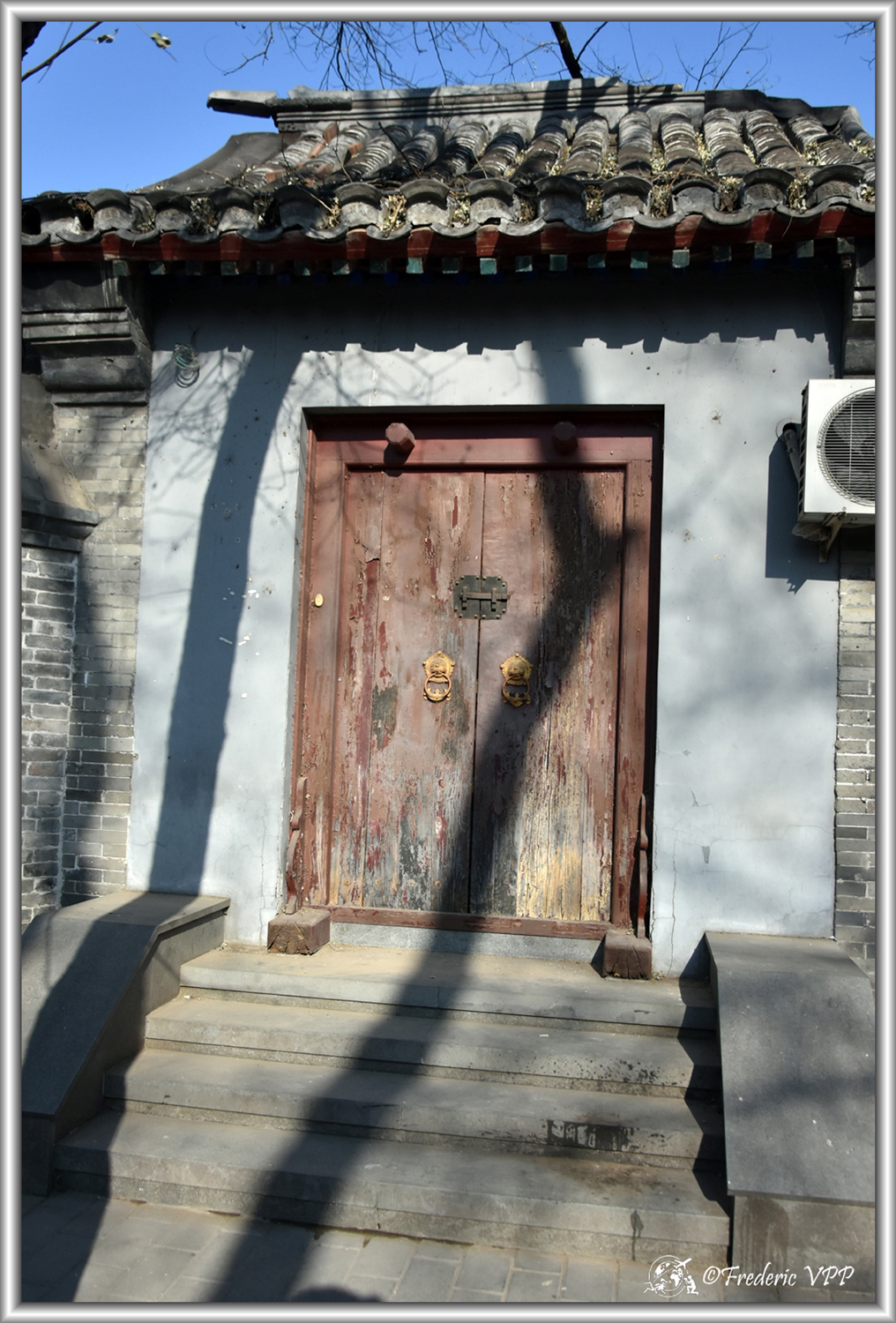
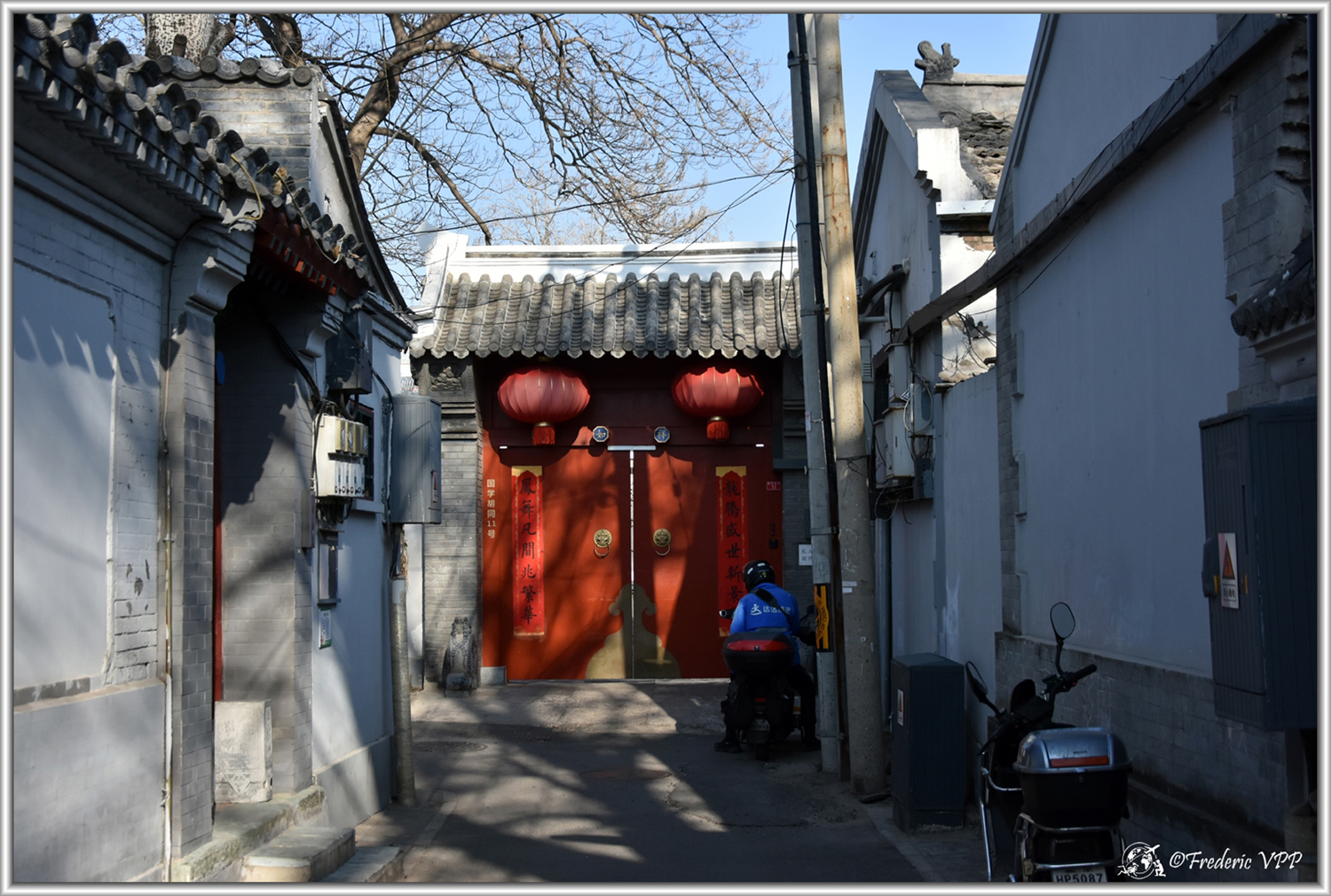
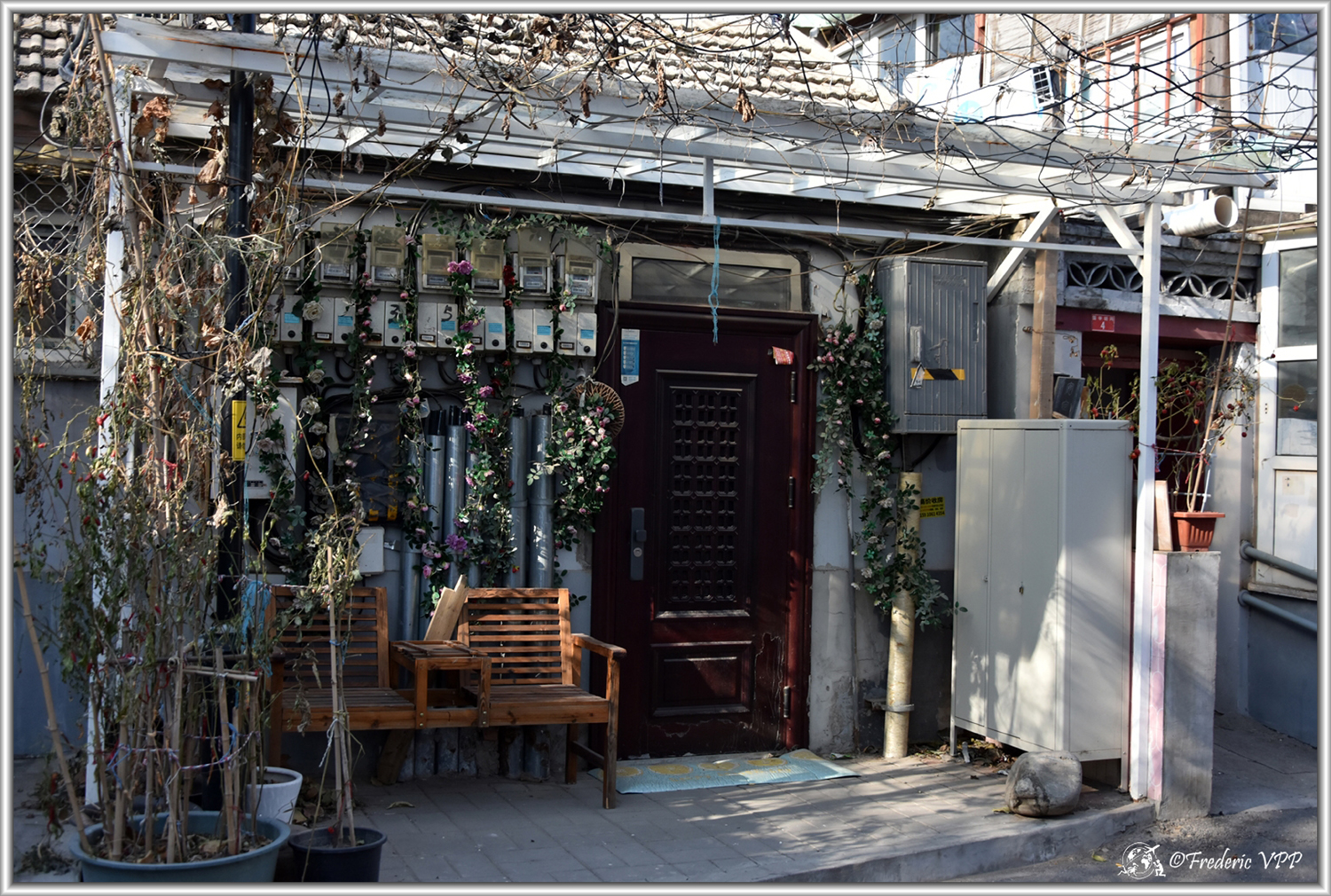
The term hutong (Chinese: ?同; pinyin: hútong) applies to a small urban neighborhood made up of narrow passages and narrow alleys in Beijing. The name given to a hutong (as "Brick Pagoda Alley", Zhuanta Hutong (北京旅游网) applies to a set of alleys, which set of alleys contains many siheyuan (dwellings grouped around a courtyard). Hutongs are the main communication routes between the houses in central Beijing.
Hutongs are one of the symbols of Beijing with a history of more than 700 years. The word "hutong" comes from the Mongolian худаг, khudag, which means "the well". Water has always been an important part of everyday life.
The hutongs located just east and west of the Forbidden City were reserved for the aristocrats and elite of Qing Beijing. These alleys and alleys were famous for their houses with courtyards, which often had three.
|
|
Sorry if the links are outdated or not accessible
|
I put a lot of photos in the story. For this part, I mainly put pictures of the Hutongs