 Bayeux
Bayeux, October 2022
A nice walk in Bayeux with my friend Yan, who knows his region well...
|
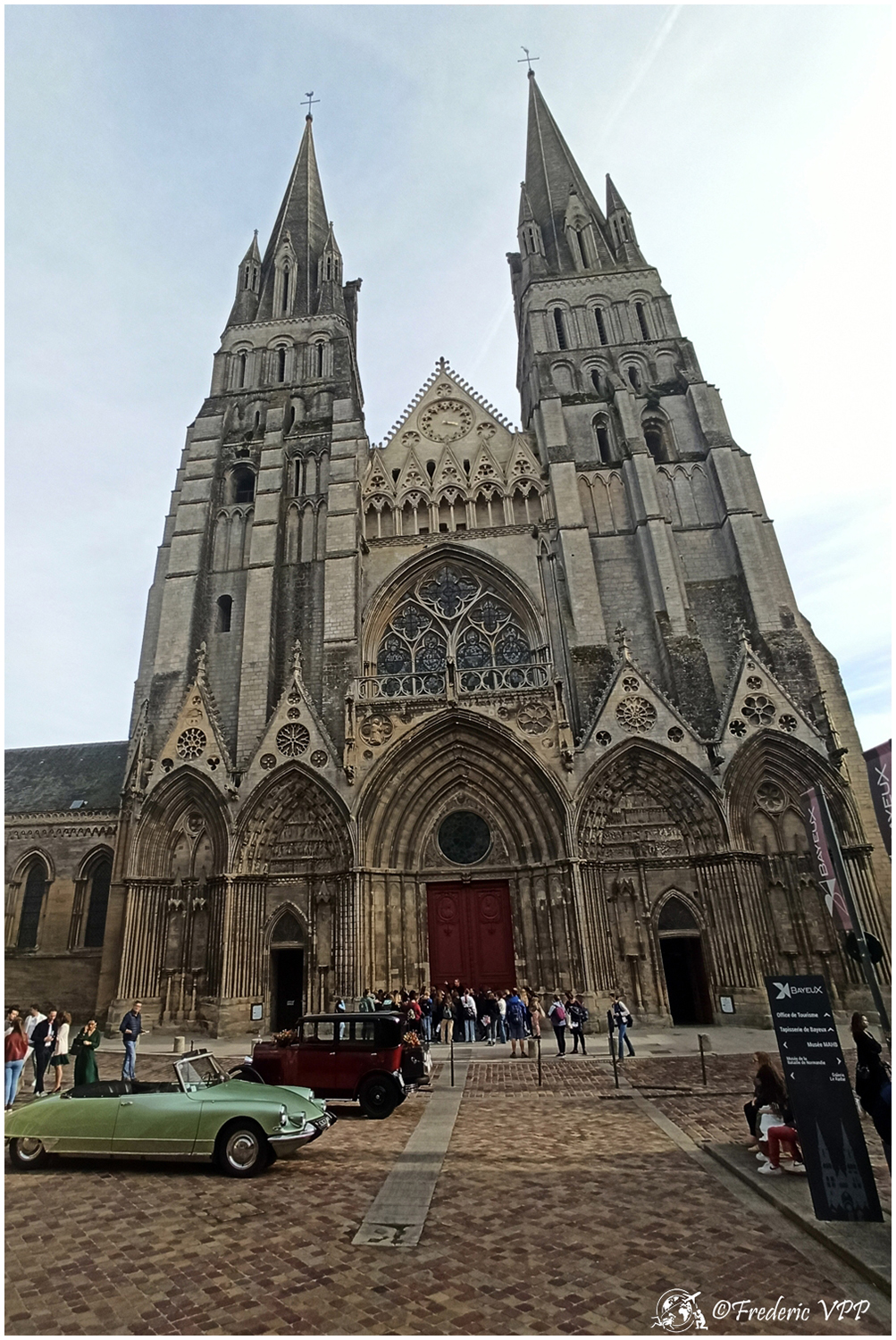
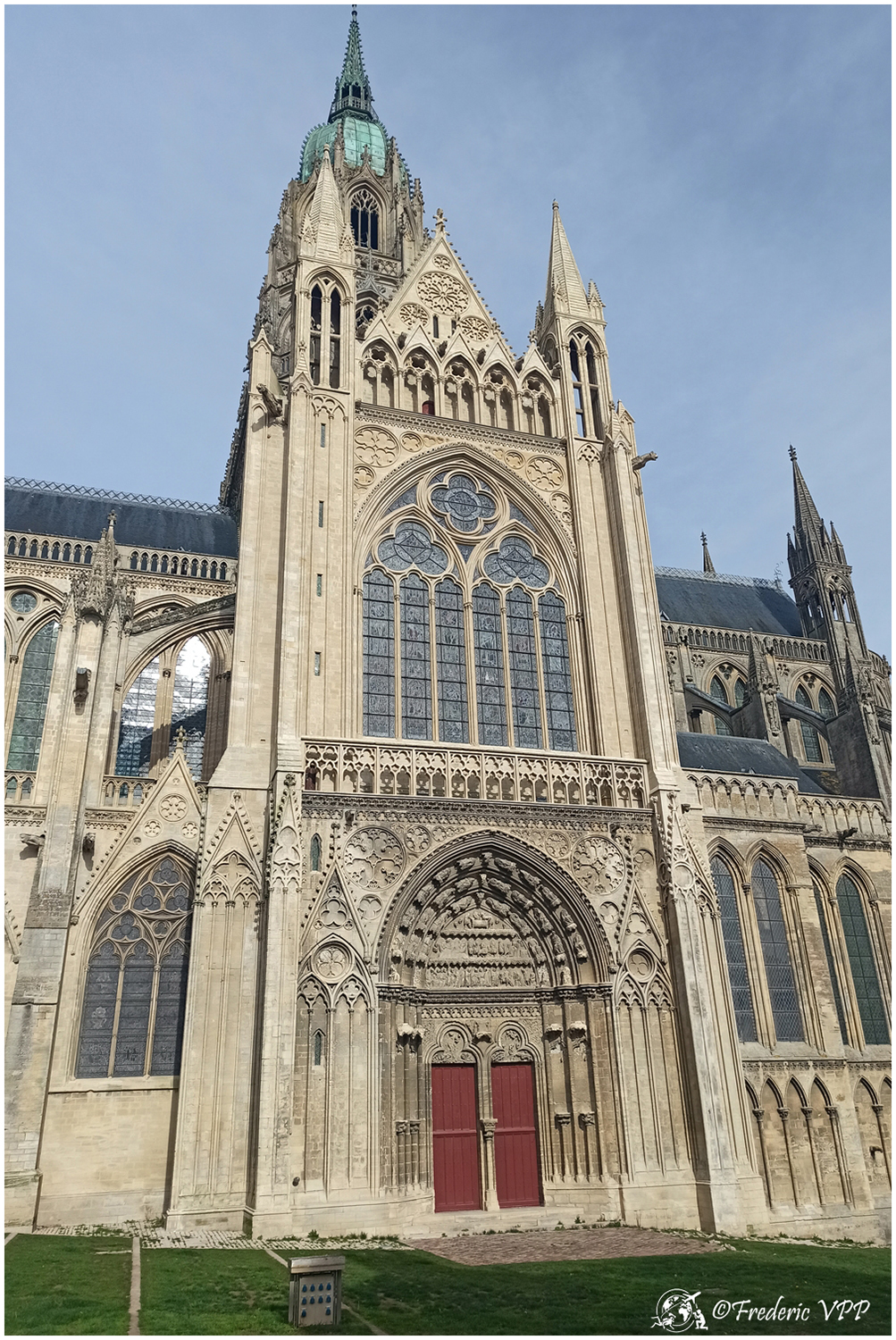
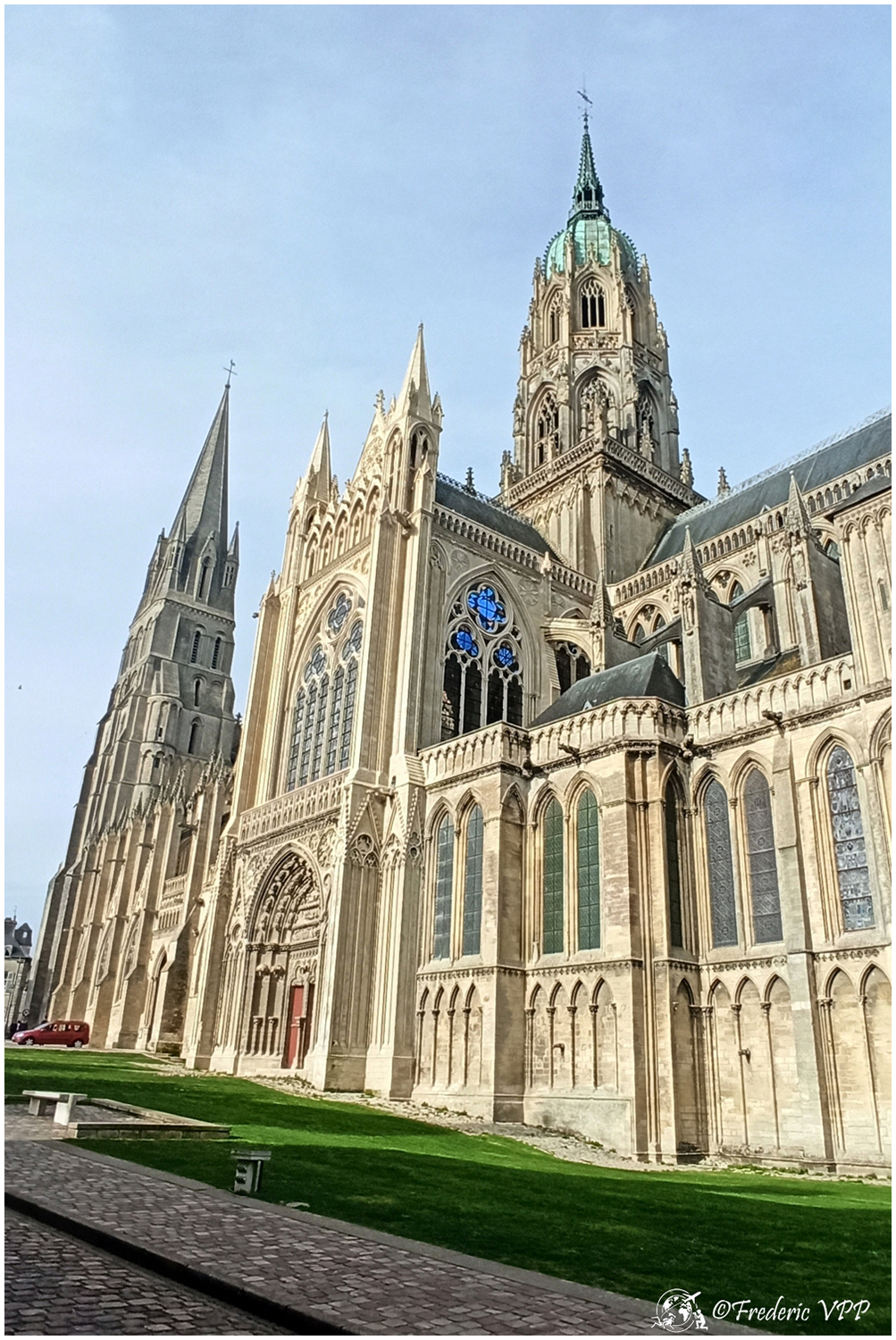
The cathedral, of which I have only seen the exterior (weddings in progress), is really magnificent and work is in progress to renovate part of the transept.
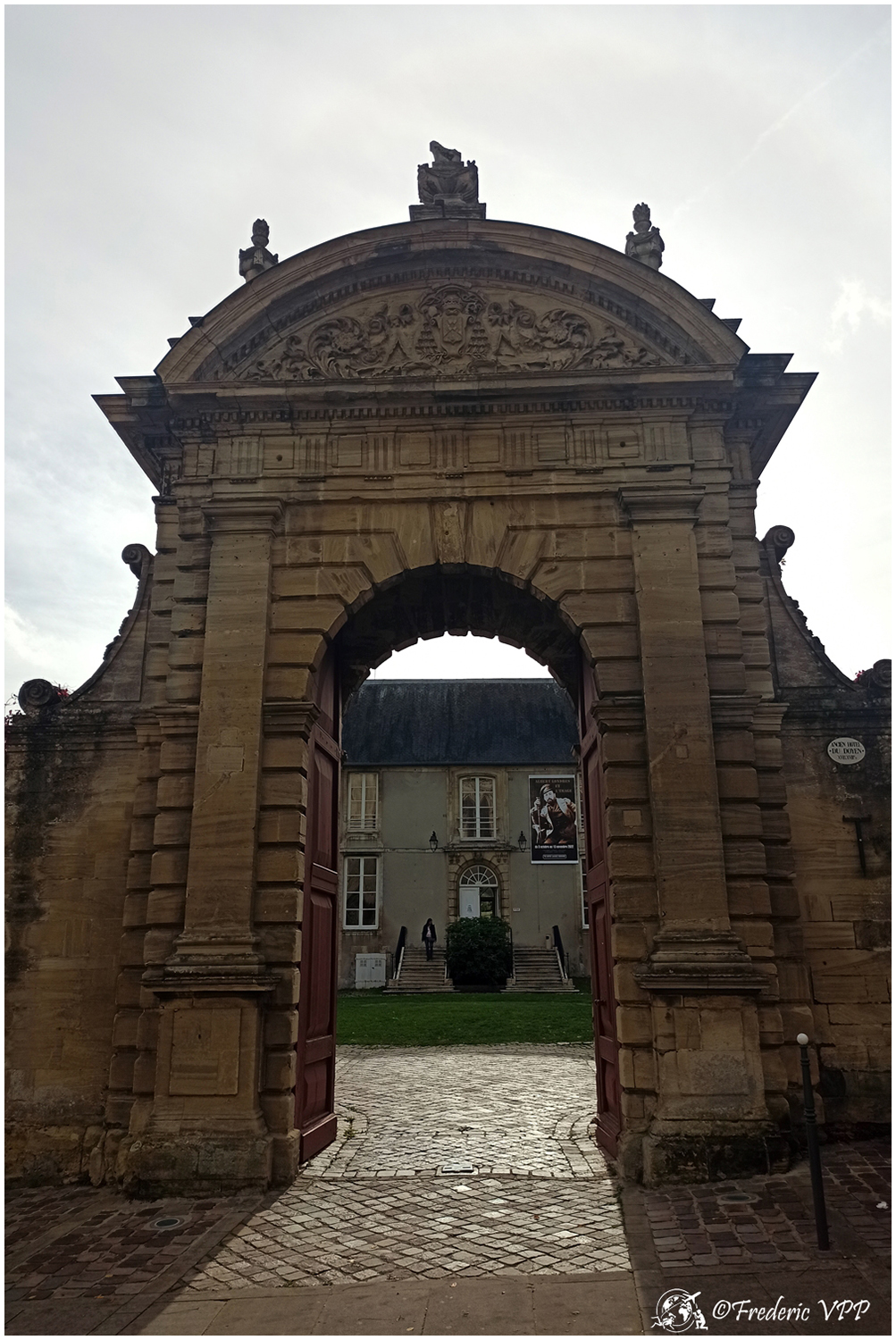
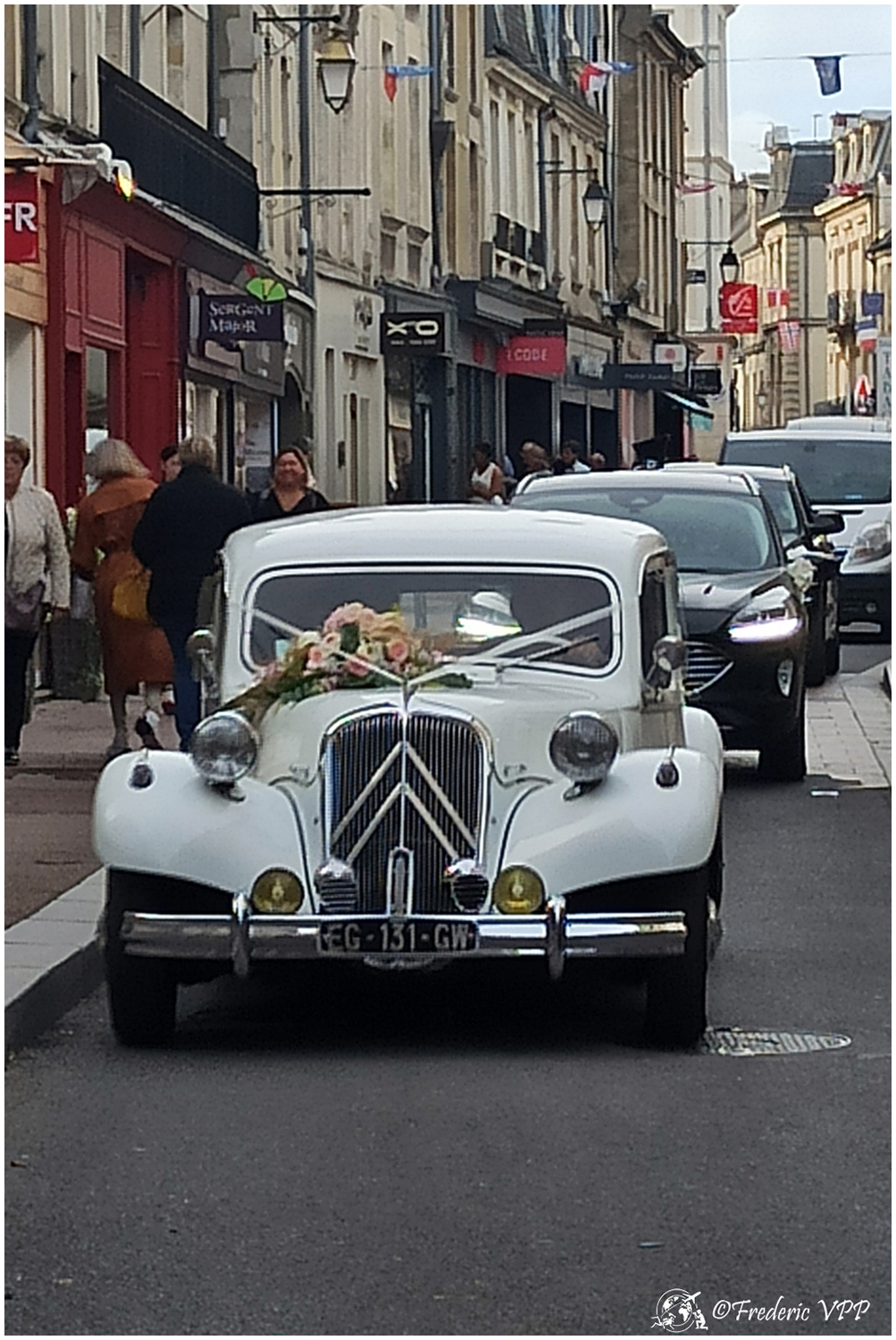
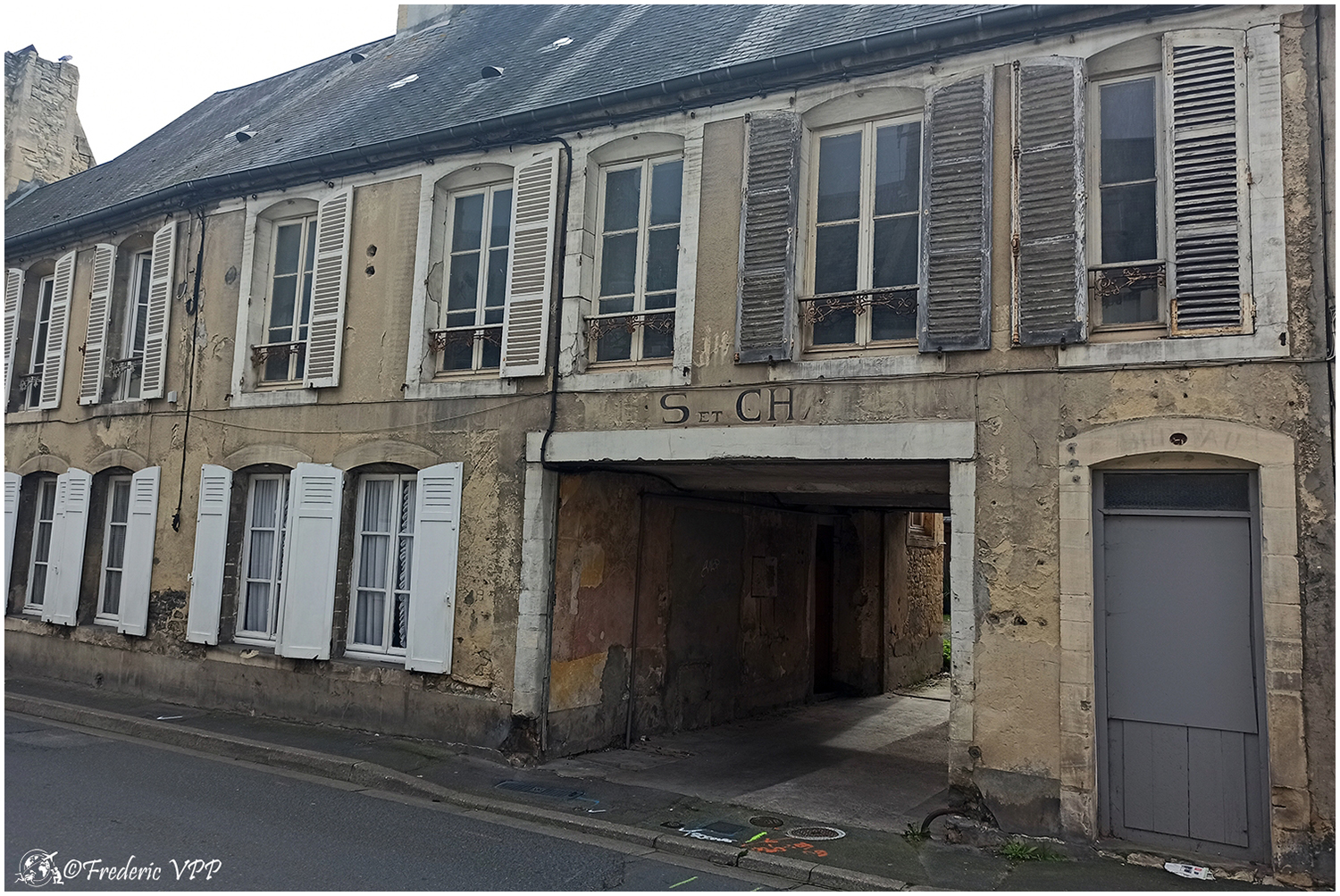
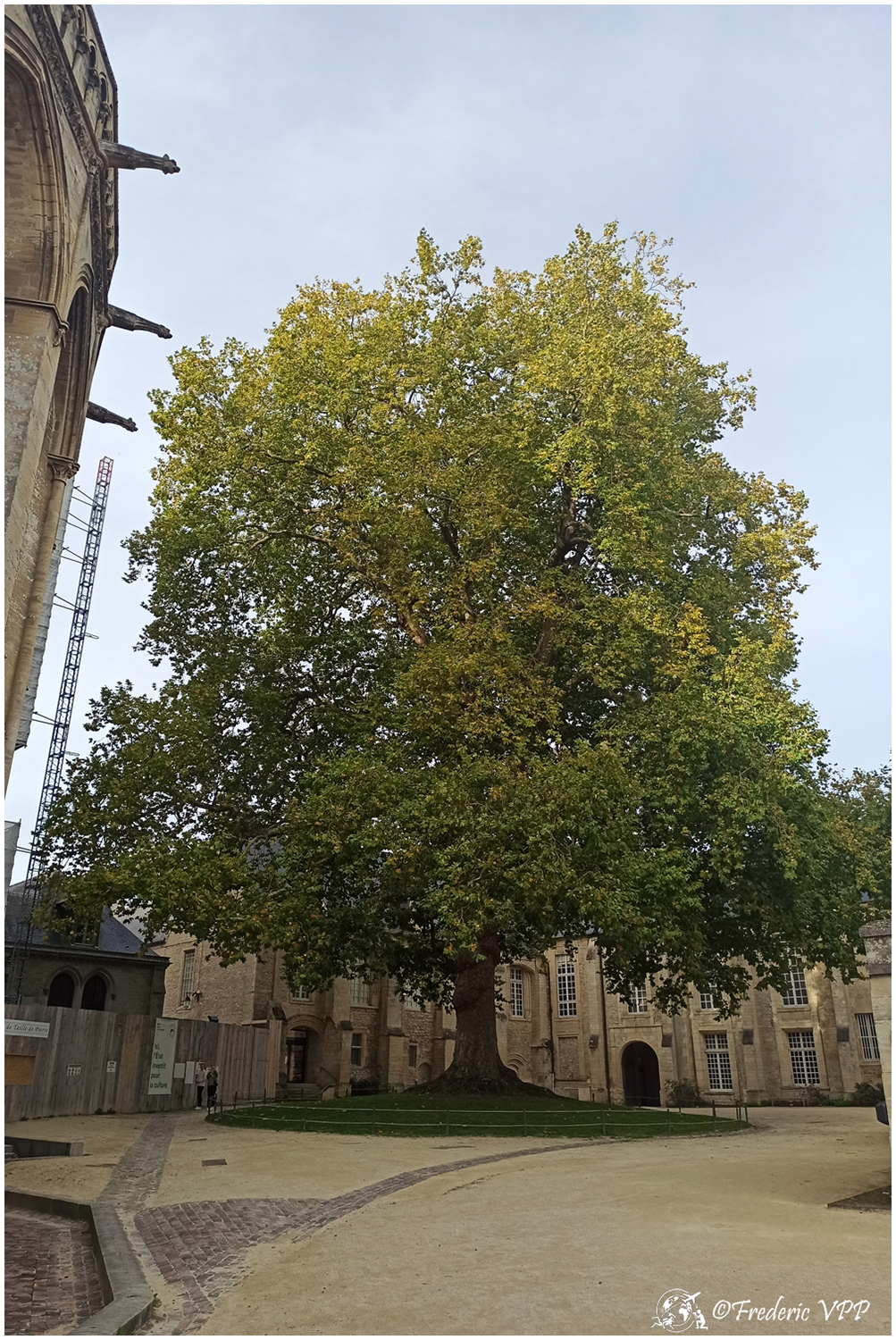
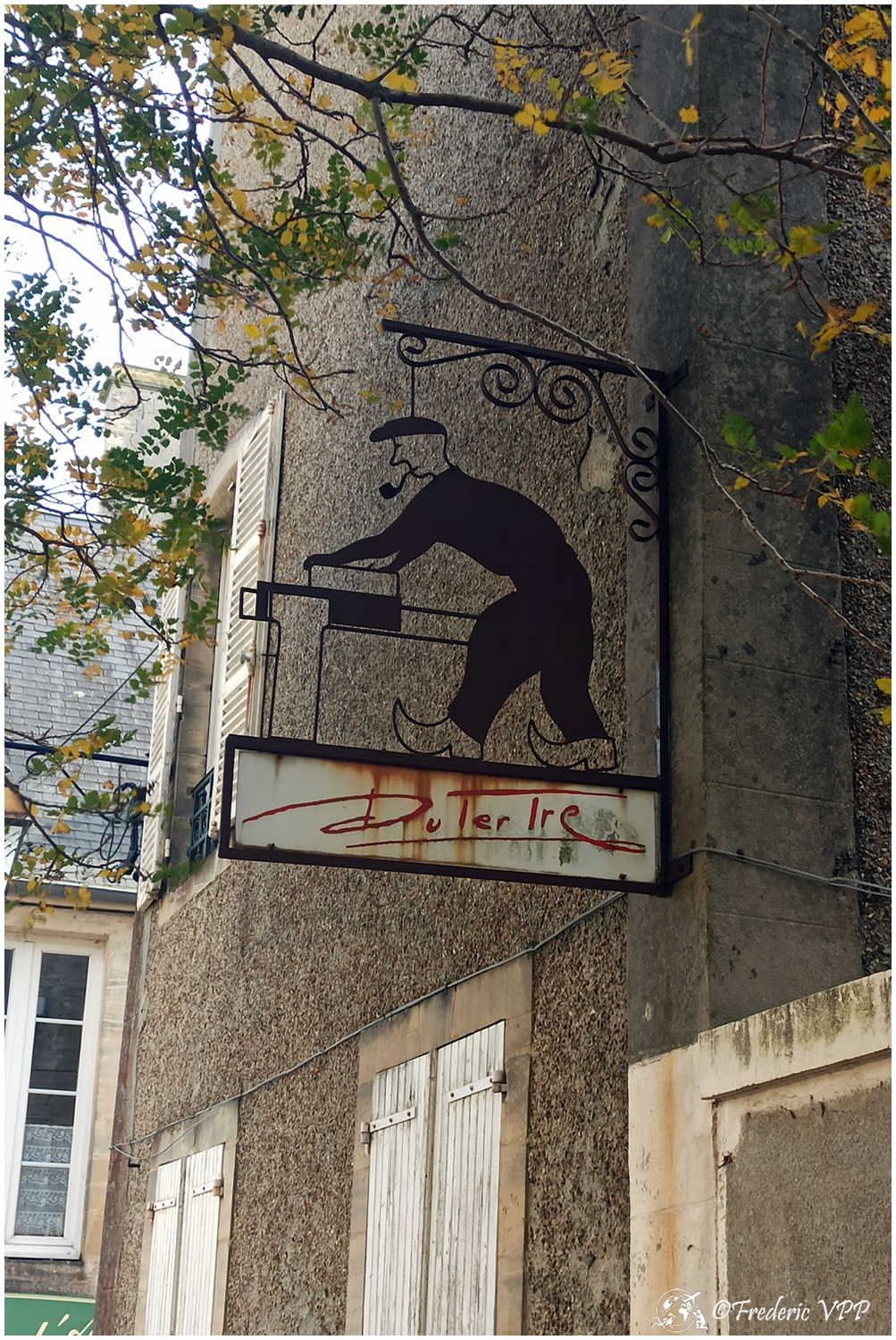
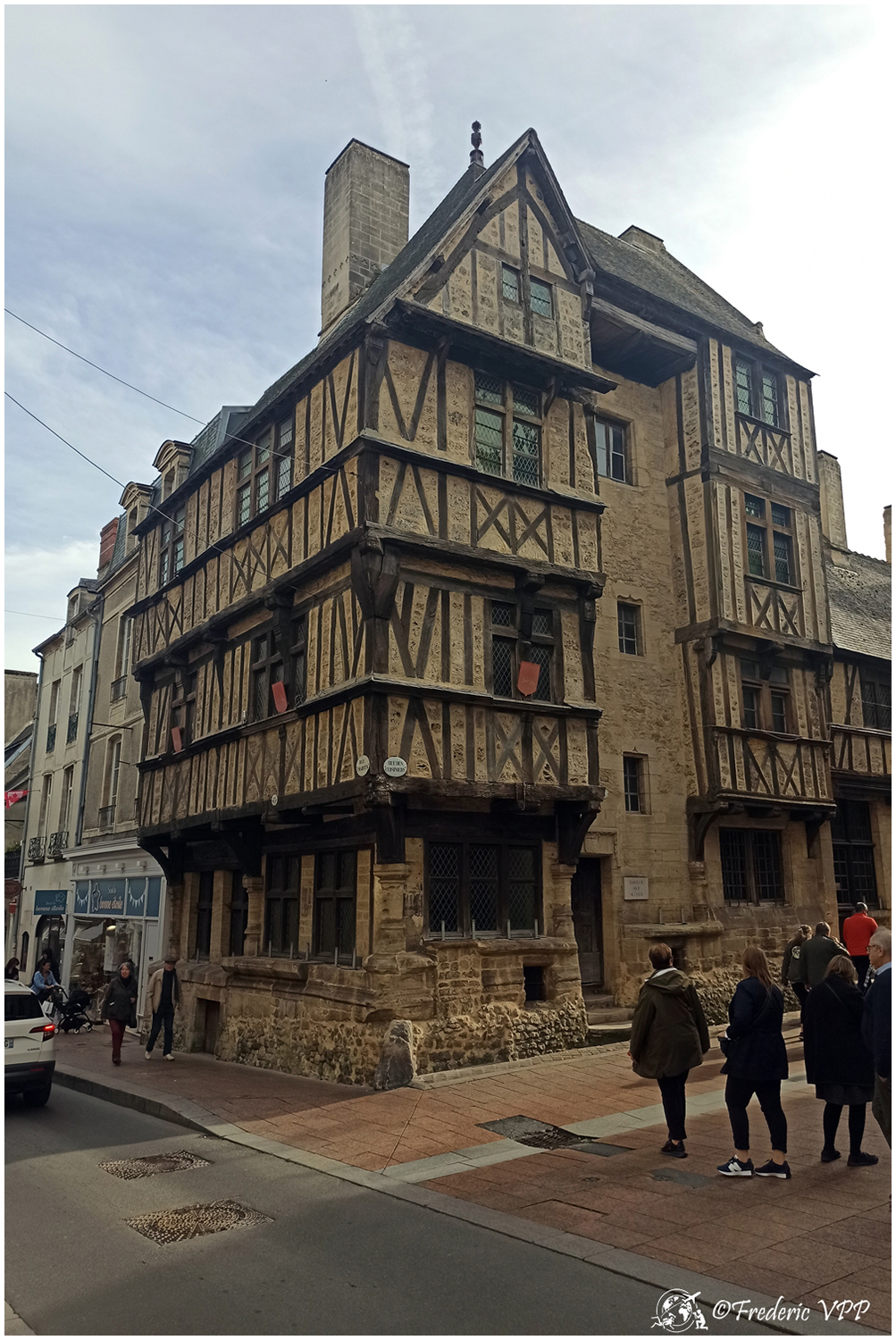
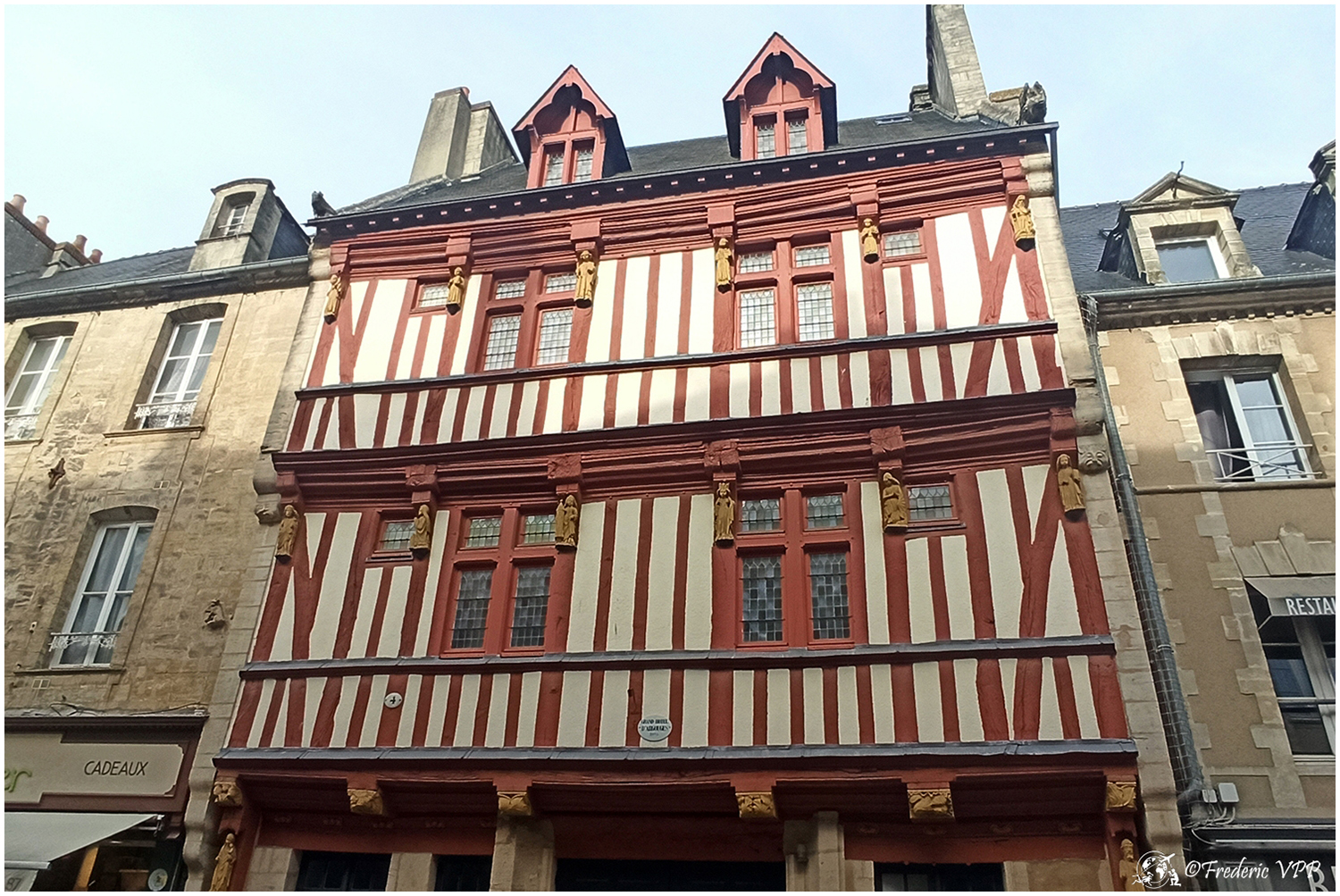
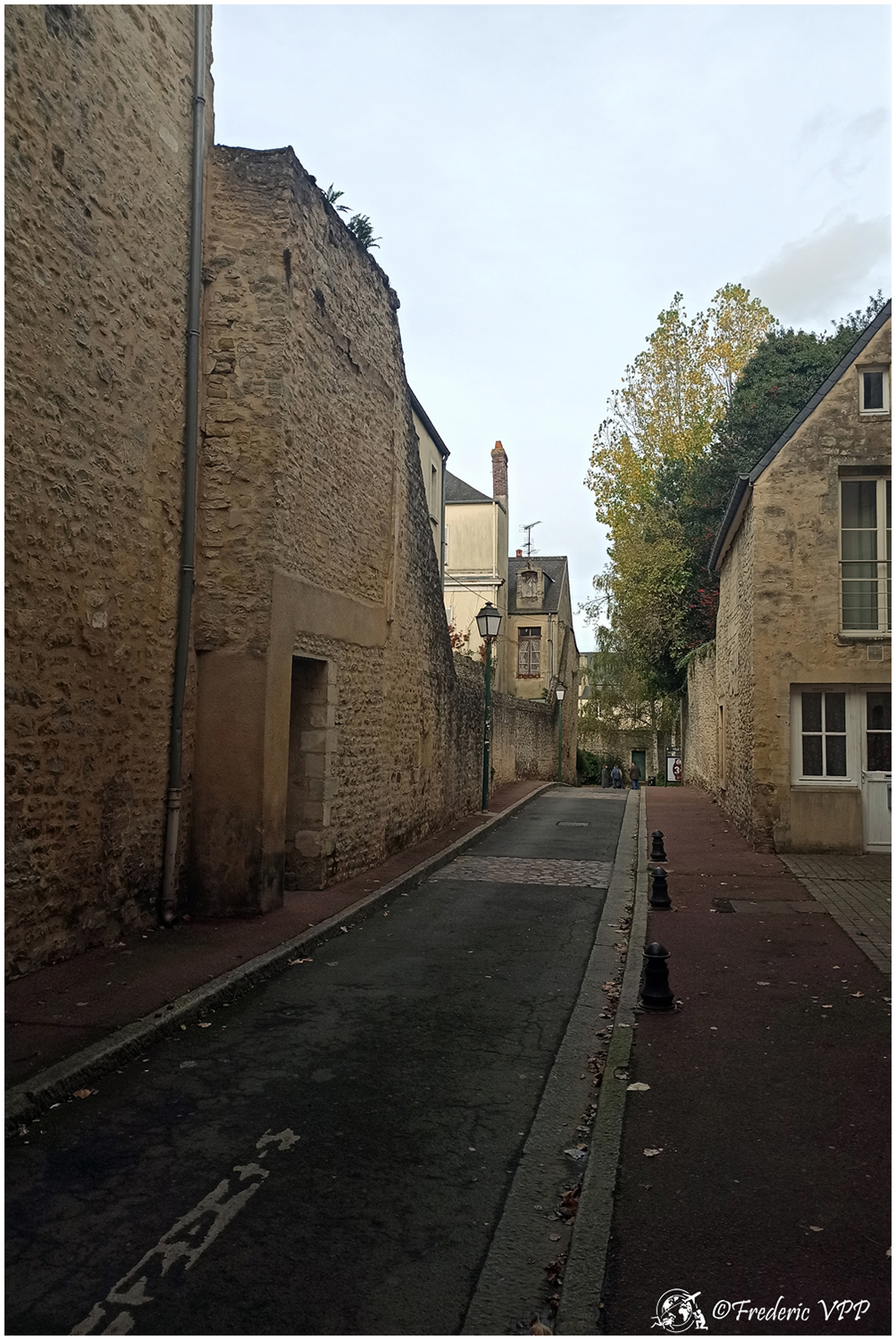
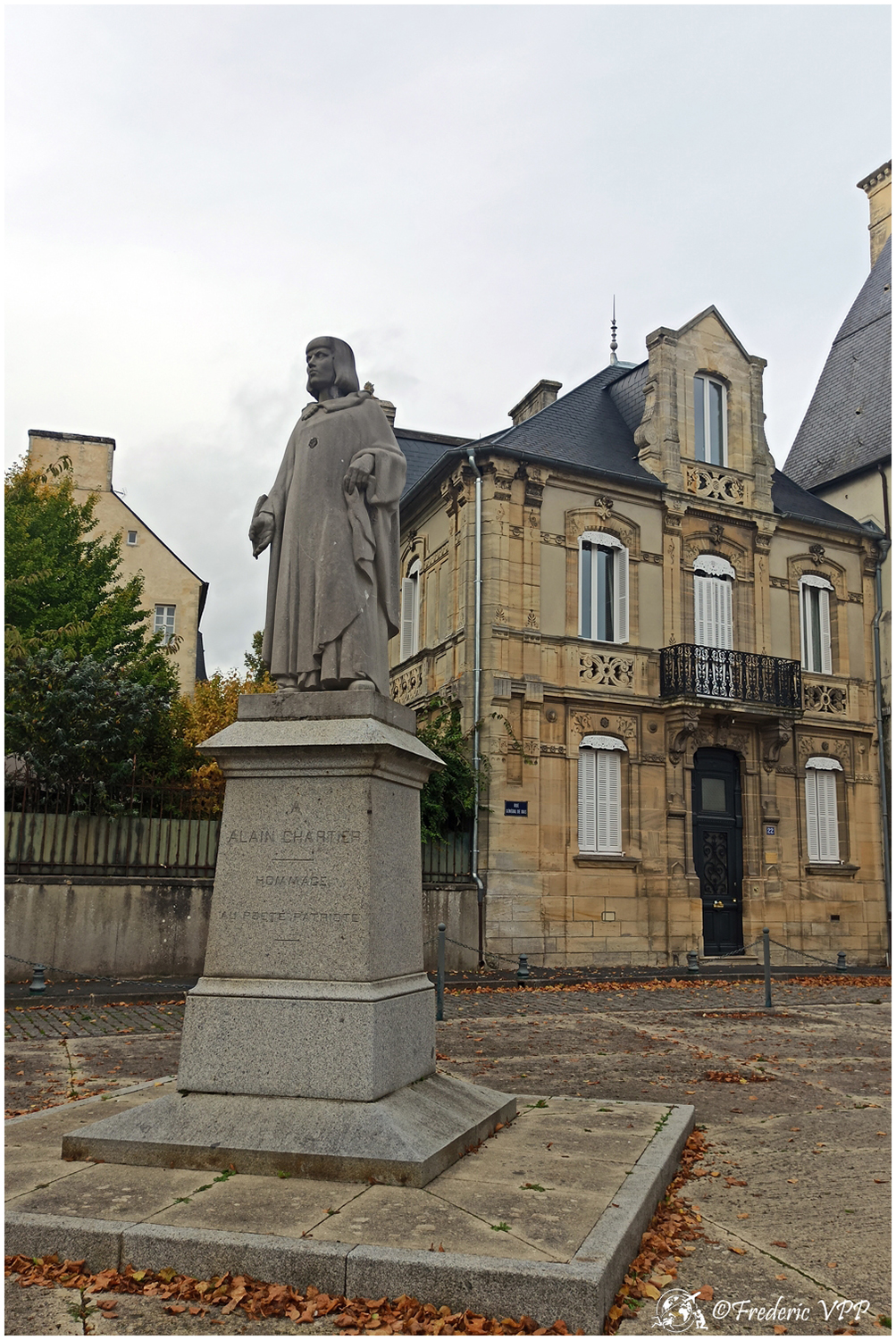
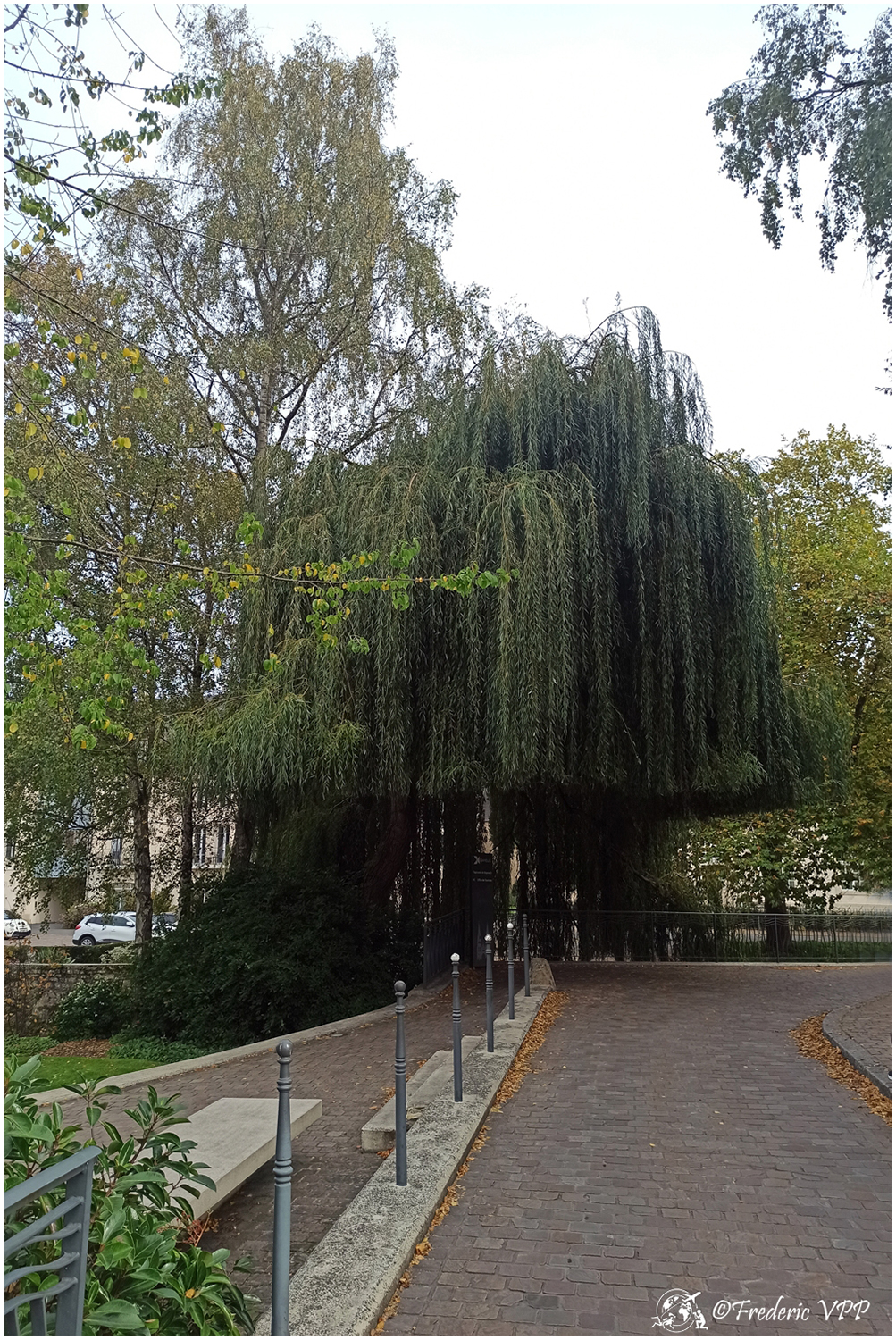
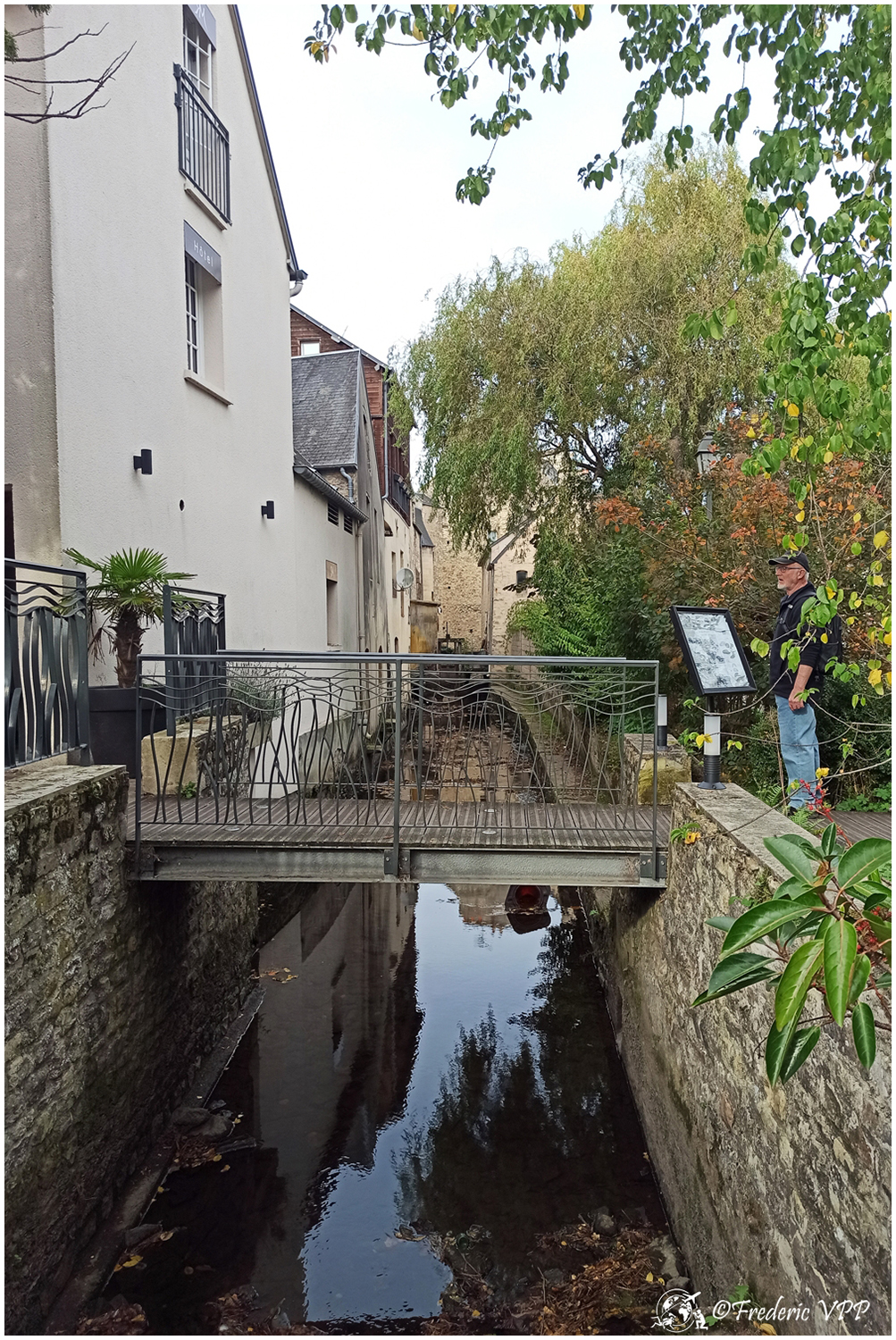
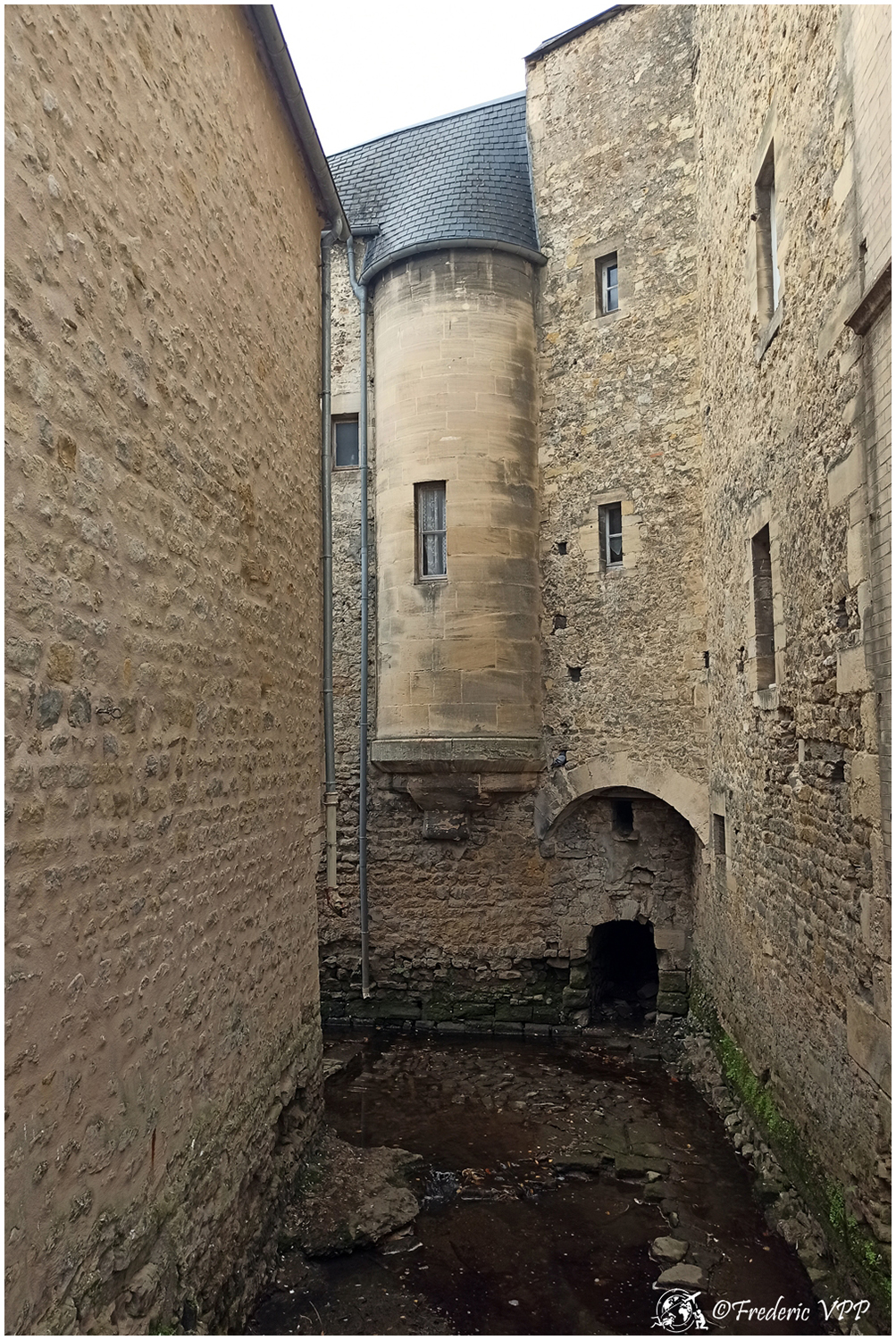
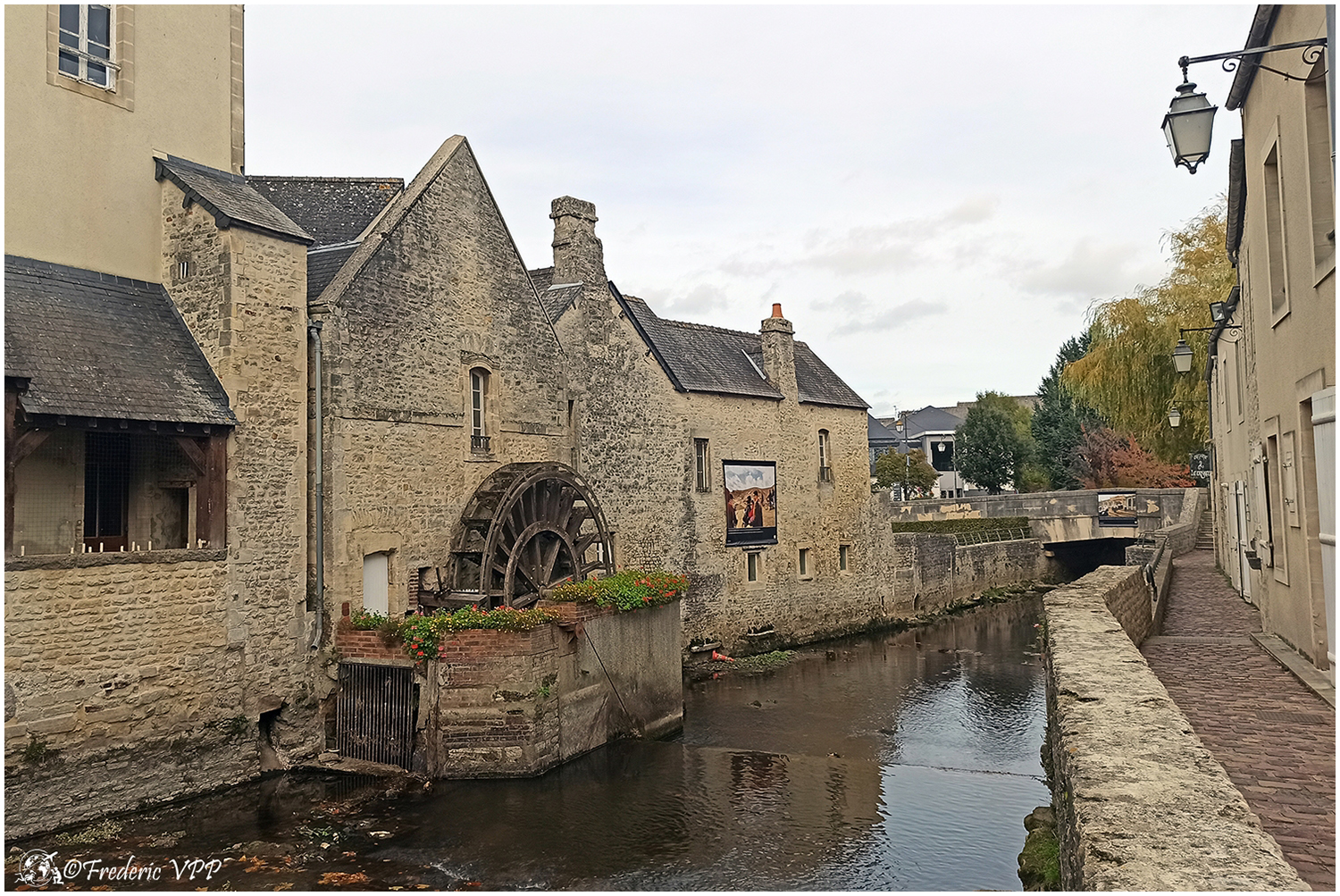
The city is also magnificent but lives, for tourism, a little in the past, with the 2nd World War and its share of English tourists. Old houses from medieval times are still present, I put some pictures. The hundred-year-old tree is magnificent, as are the small streams in the city, with its waterwheel. A little cleaning would still be necessary in these waterways.
I was surprised by a sale of meat and catering in a machine, the same system as for drinks or sweets. Yan had told me about these distributors that flourish in Normandy. There are distributors for bread and pastries, for seafood, vegetables and even sales of pizzas prepared on demand. He too was pleasantly surprised by this meat dispenser, but also "kemia" for the aperitif.
Bayeux is a pleasant town to visit, especially when the Normandy sun shines. Which is not that rare. |
|
This city was founded in Gallo-Roman times, in the 1st century BC. J.-C. under the name of Augustodurum. In antiquity, Bayeux was one of the most important cities of the Second Lyonnaise which would become Normandy. It was one of the strong points, against the barbarian invasions, of the litus saxonicum, the coastal defense system of the Roman Empire against the Saxon and Frisian pirates.
The town was burned down in 1105 to set an example for other Norman cities by the troops of the King of England, brother of Robert Courteheuse who owned the Duchy of Bayeux. The city was burned again in 1356, towards the end of the 100 years war, by Philippe III of Navarre, father of Charles the Bad (quite a program!). The year 1450 marked the beginning of a period of prosperity, new families came to power, the old ones having been decimated by war and epidemics. Tower houses and mansions were built, of which around sixty remain scattered around the city. From now on, stone is gradually replacing wood.
The Renaissance left few traces. Among the most beautiful creations of the time, we find the Saint-Patrice church built between 1544 and 1548 and the interior architecture of the chapel of the former episcopal palace.
In 1940, Bayeux was occupied by German troops in order to control the coasts. On June 7, 1944, the day after Operation Neptune, British troops landed on Gold Beach entered Bayeux, which became, for mainland France, the first major city and sub-prefecture to be liberated. Bayeux, spared during the Allied bombings and the fighting in June 1944, was thus able to receive and treat thousands of wounded victims of the bombings or the fighting in the Battle of Normandy.
Many monuments commemorate this period, including the largest British cemetery of the Second World War in France.
|
|
Thank you Yan for your welcome this weekend. Great discussions, a nice walk in Bayeux, good little meals and I'm not talking about aperitifs (plus rum).
|
|
Sorry if the links are outdated or not accessible
|








|
|


