 Chongqing
, China, November 2026
Chongqing is often described as a 5-dimensional city. It can not only be visited: it can be discovered floor by floor, sometimes without ever knowing if you are on the ground floor or on the twentieth floor...
|
Its nickname of "5D city" is well deserved. If you don't use a Chinese version of GPS, you'll quickly get lost. With Google GPS, which doesn't show altitude, you'll quickly lose your way. AMAP shows you the stairs, but even so, I also had trouble.
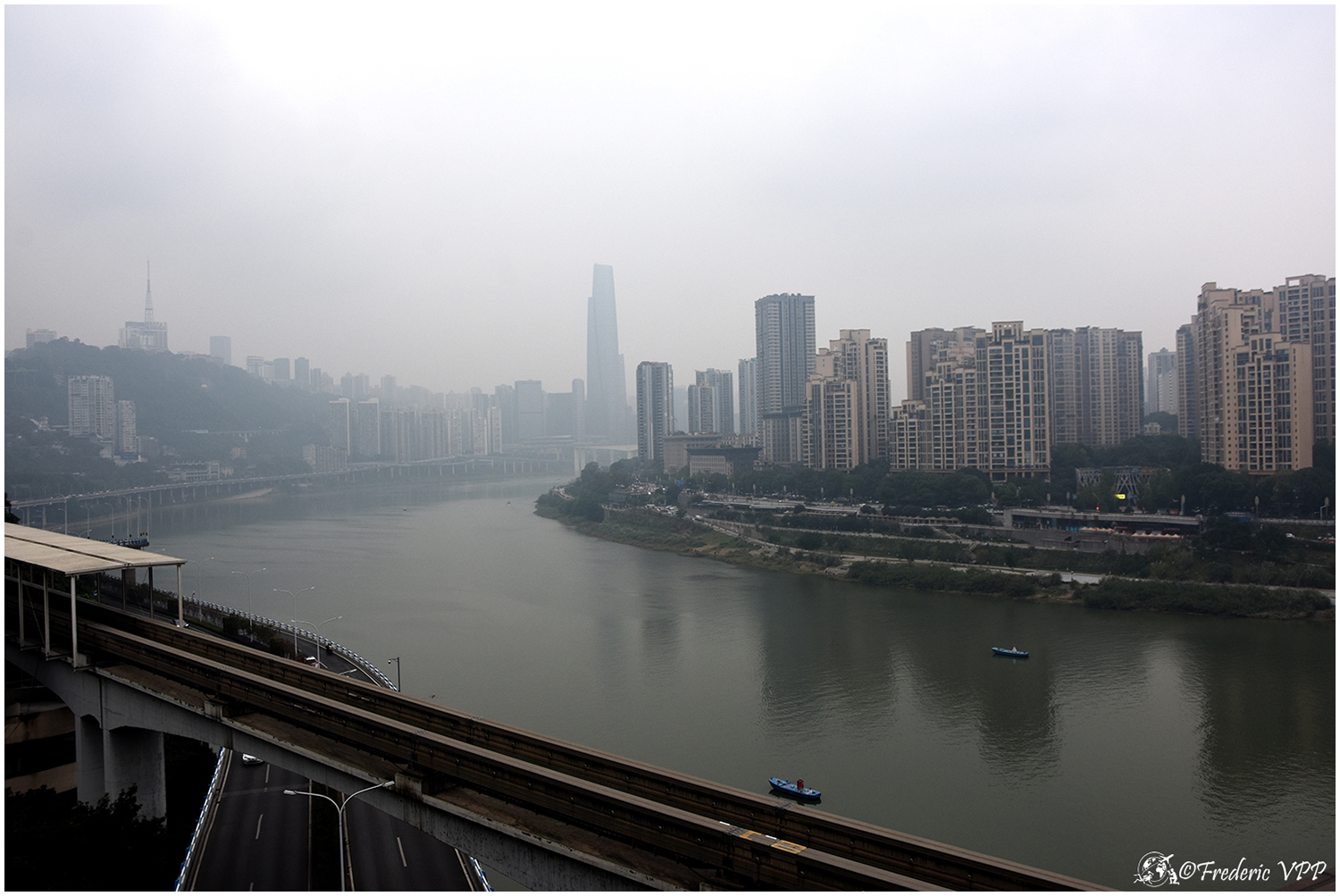
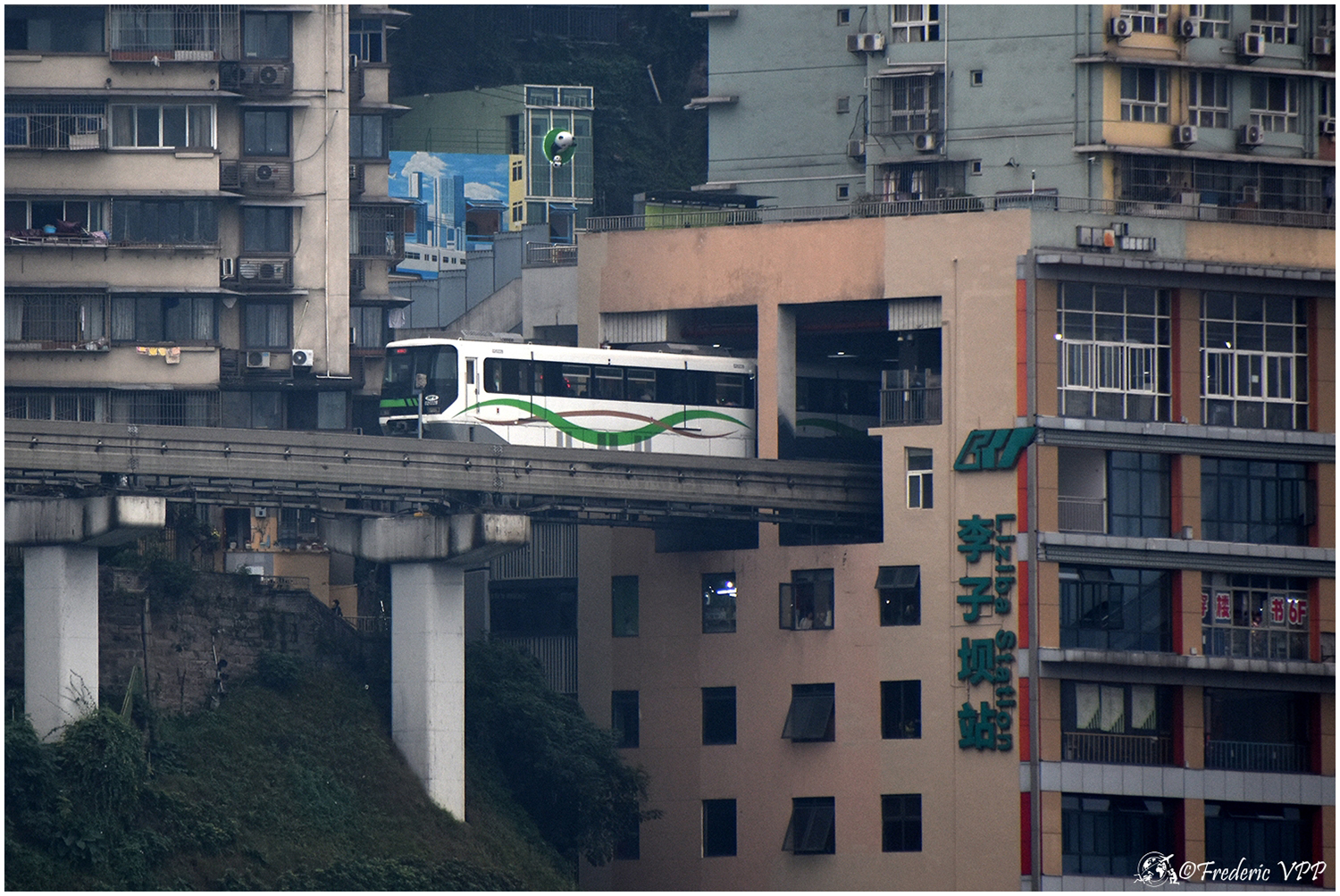
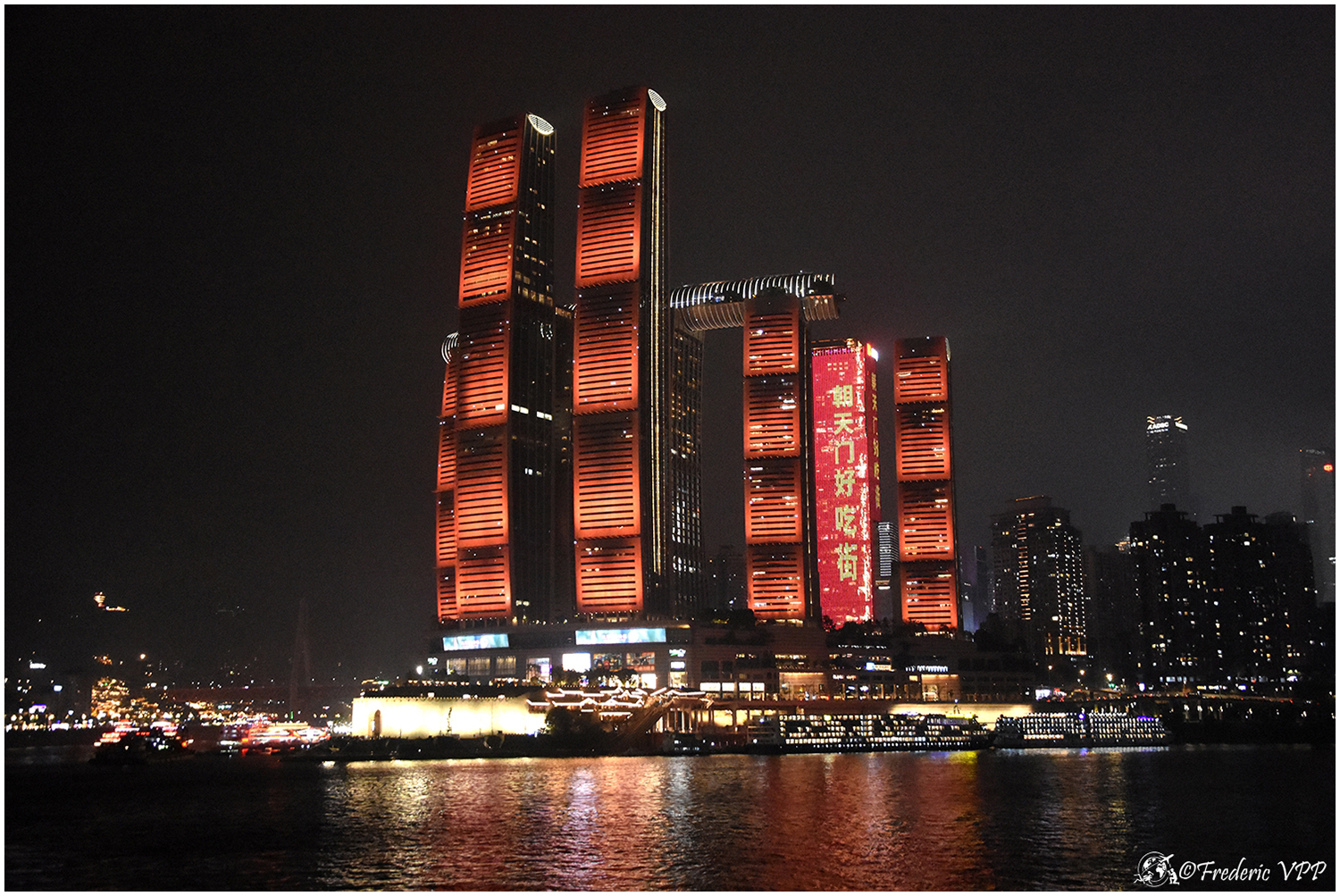
It is built on a mountainous terrain, between the Yangtze and the Jialing. It offers a unique urbanism, with its superimposed roads, skyscrapers and subways crossing buildings.
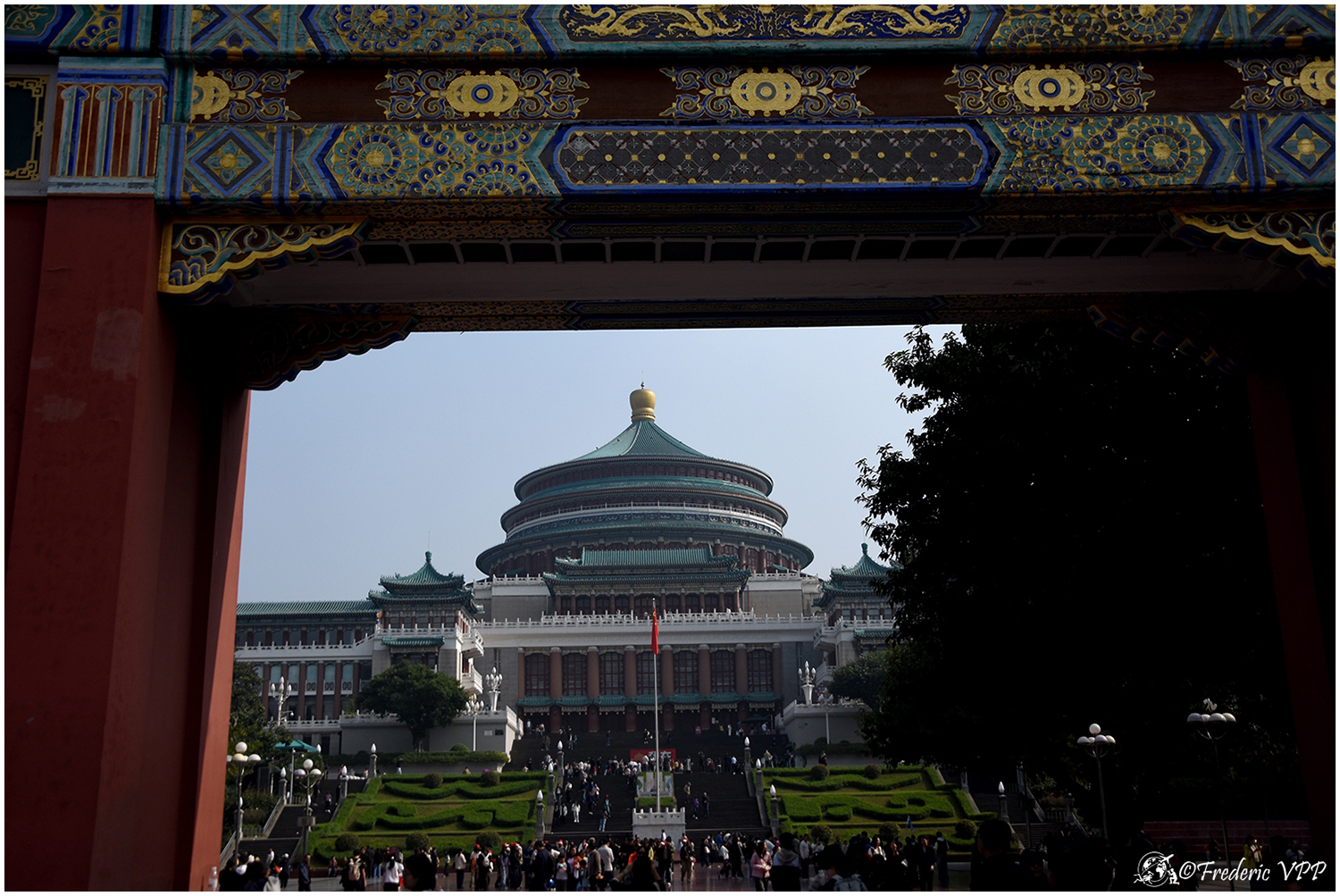
It is home to iconic landmarks such as the Great Hall of the People and the impressive Hongya Cave, a traditional cliffside village.
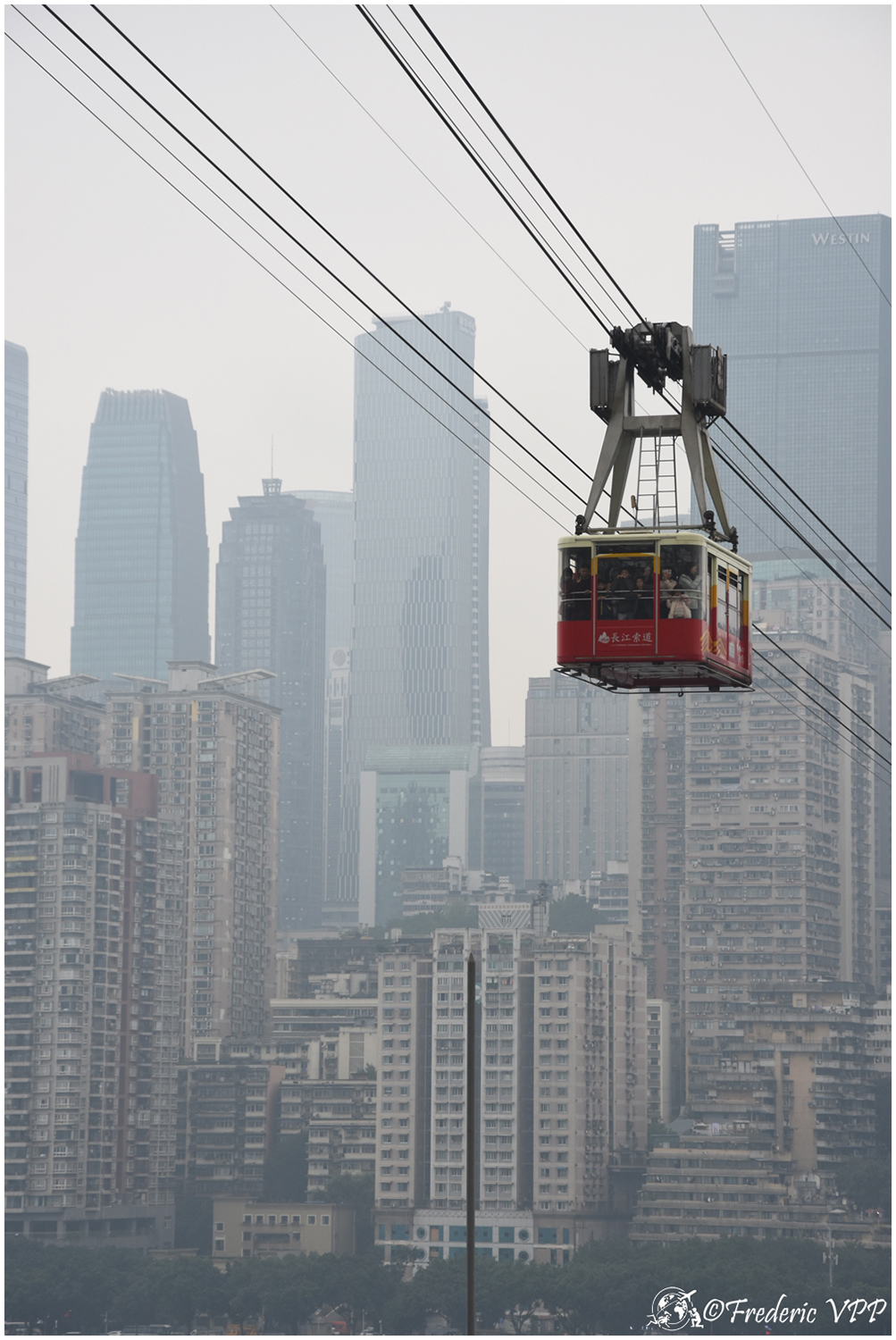
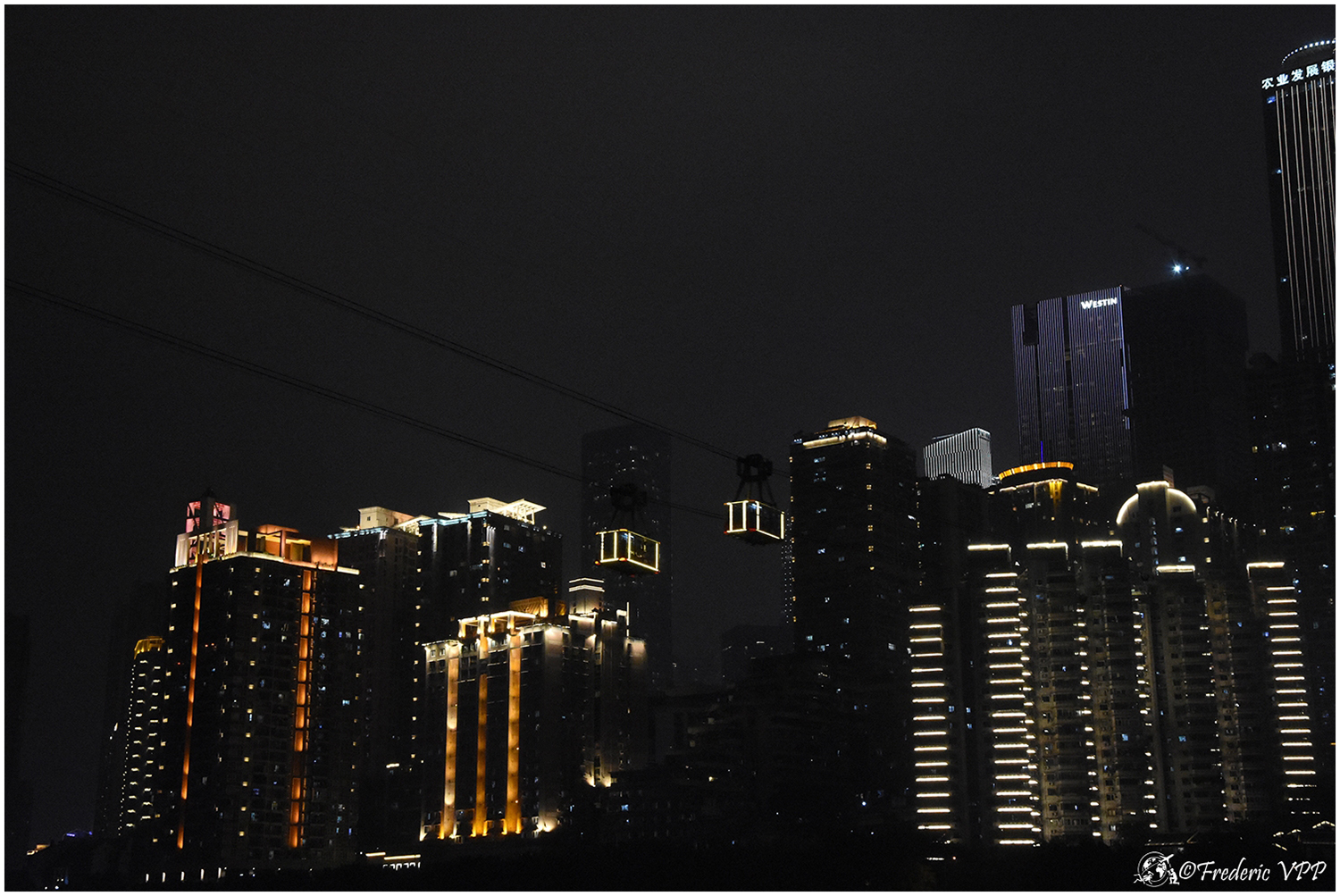
Its famous cable car crosses the Yangtze River offering spectacular views of this extraordinary city.
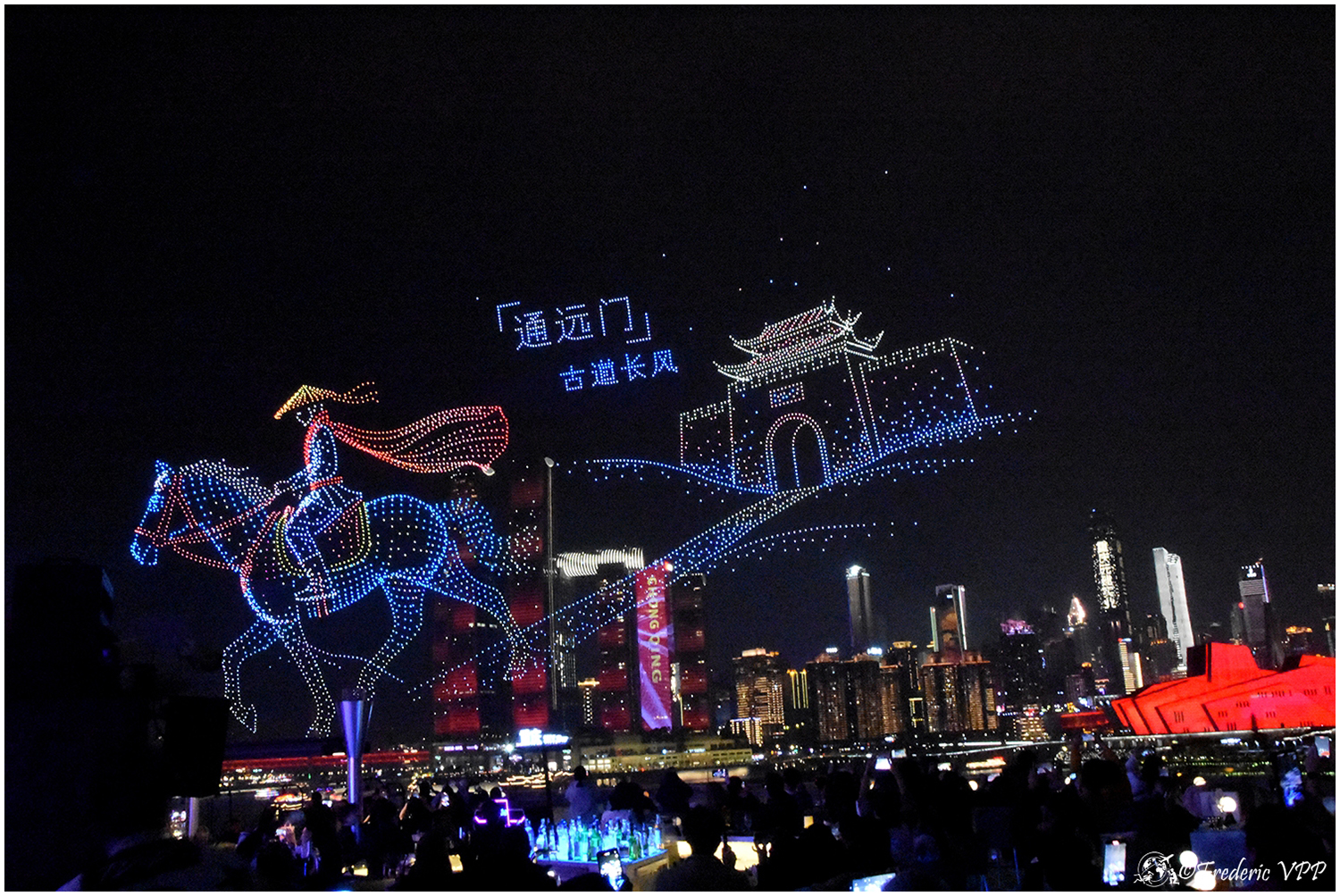
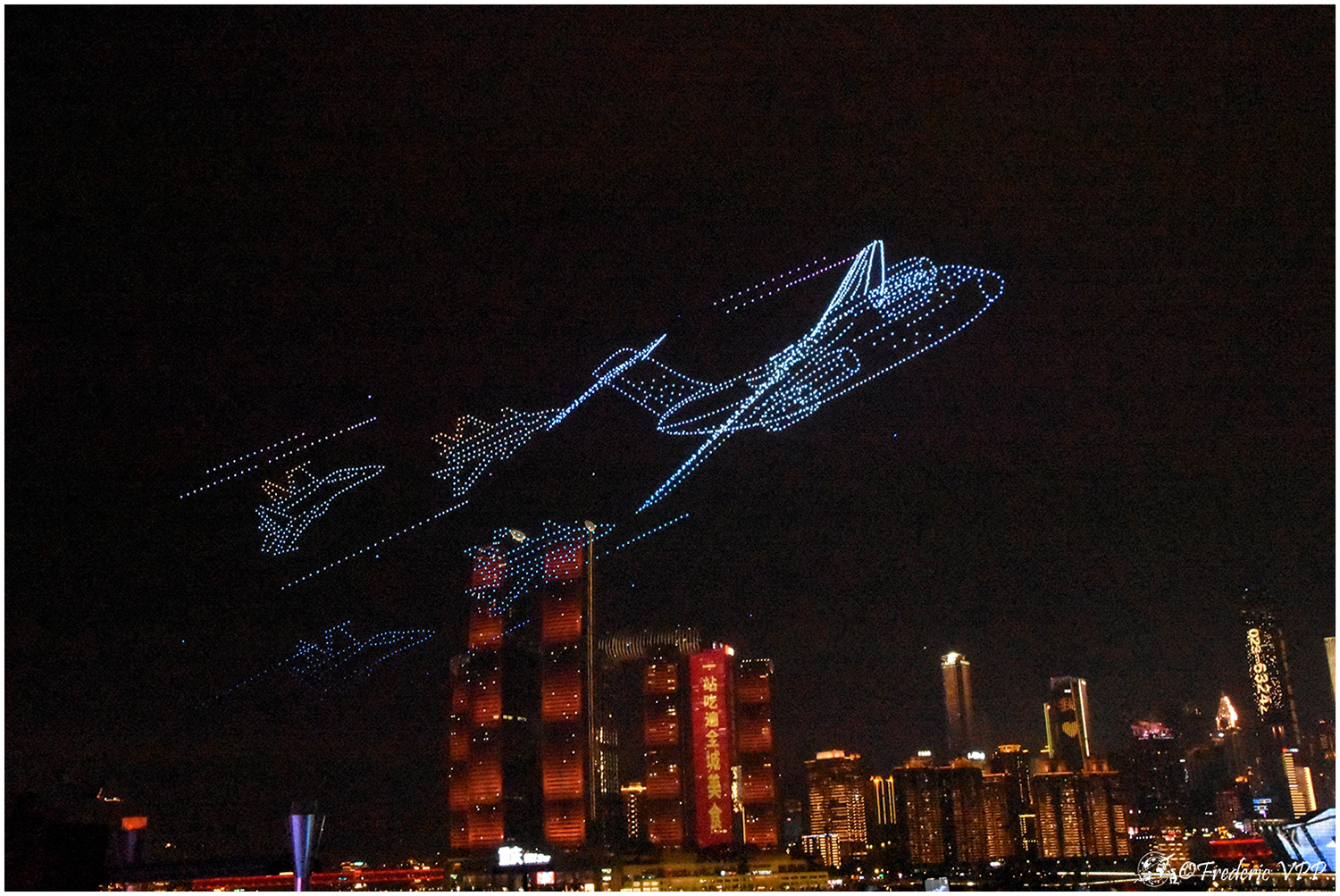
At nightfall, a cruise on the river reveals a magical setting of illuminated bridges, skyscrapers and lights as far as the eye can see.
|
|
More than 3,000 years ago, Chongqing was an area inhabited by ancient peoples, before becoming an important center of the Ba Kingdom in 316 BC.
Over the centuries, the city developed thanks to its strategic position at the confluence of the Yangtze River and the Jialing River, becoming a major commercial and river centre.
In 1891, Chongqing became one of the first Chinese inland ports open to international trade, promoting its economic development.
During the Second World War (1937-1945), it became the provisional capital of nationalist China and suffered violent Japanese bombing.
Since the establishment of the People's Republic of China in 1949, Chongqing has become a huge industrial and economic metropolis, famous today for its skyscrapers, bridges, spectacular relief and vertical urbanism.
|
|
Sorry if the links are outdated or not accessible
|






|
|

