Rhodes
Rhodes, Greece, May 2013
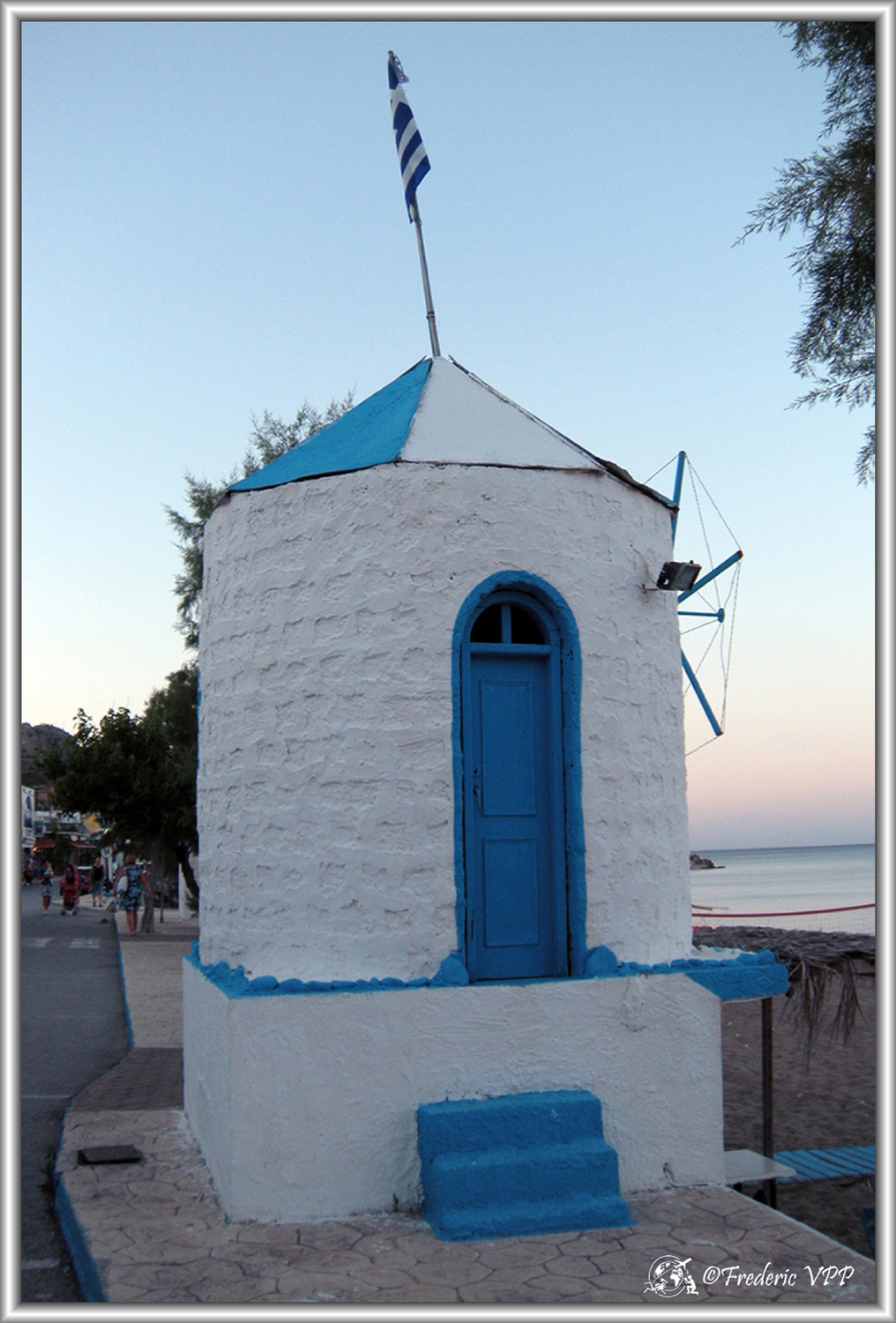
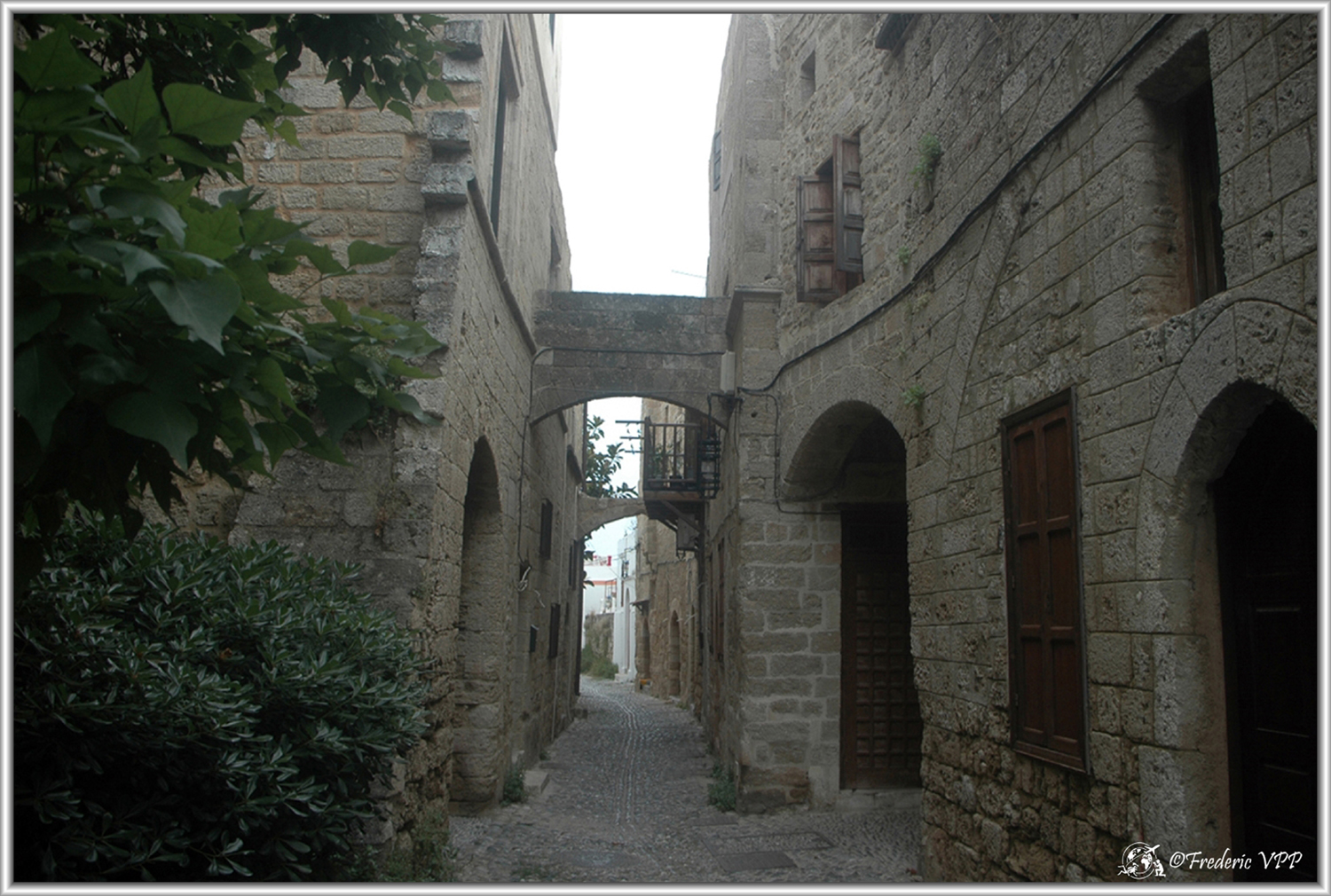
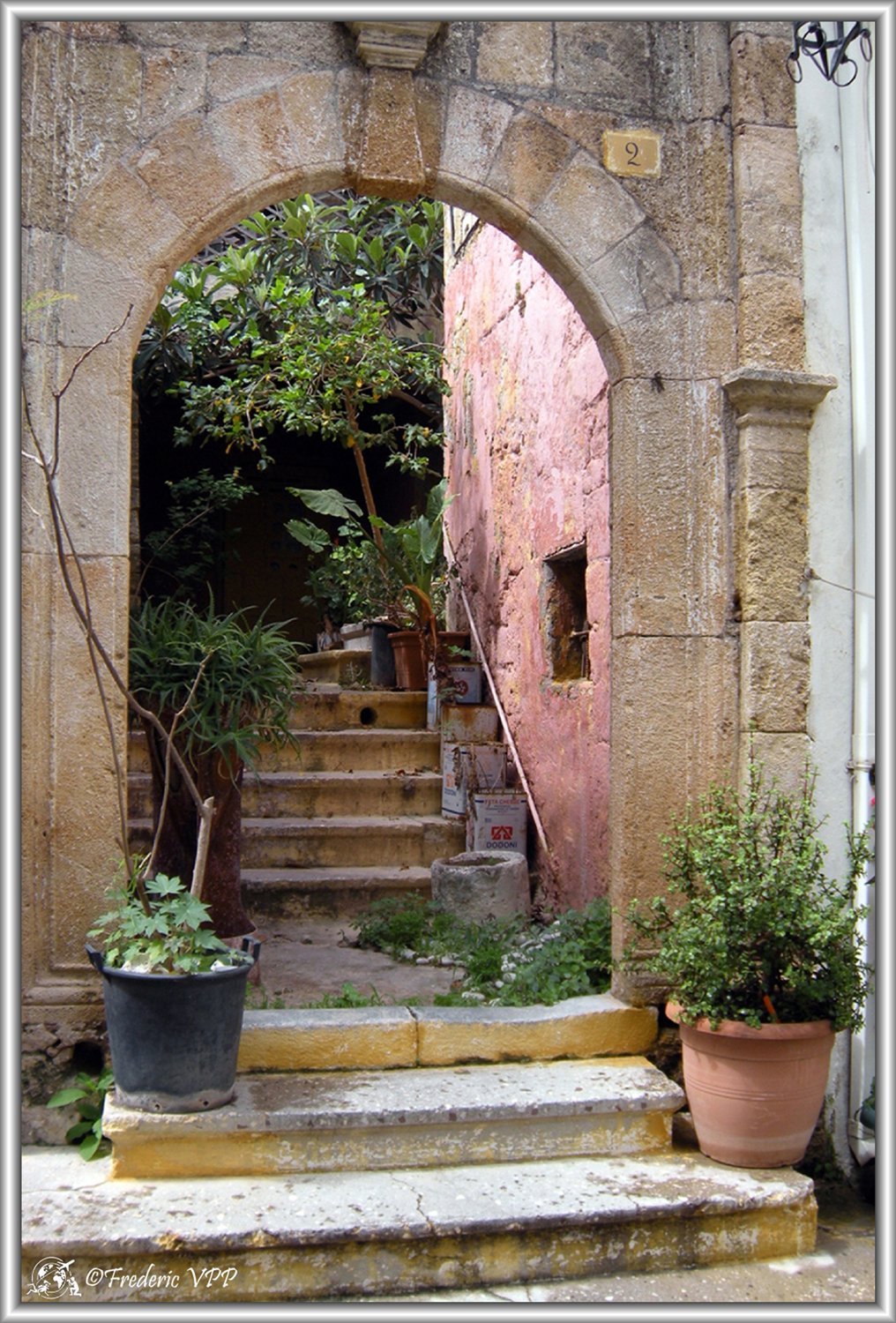
In Rhodes, I rented a quad which allowed me to move where I wanted by taking as many small roads as possible but especially roads impassable by car. Anthony Quinn Bay is also worth a visit as well as the old town of Rhodes or Lindos.
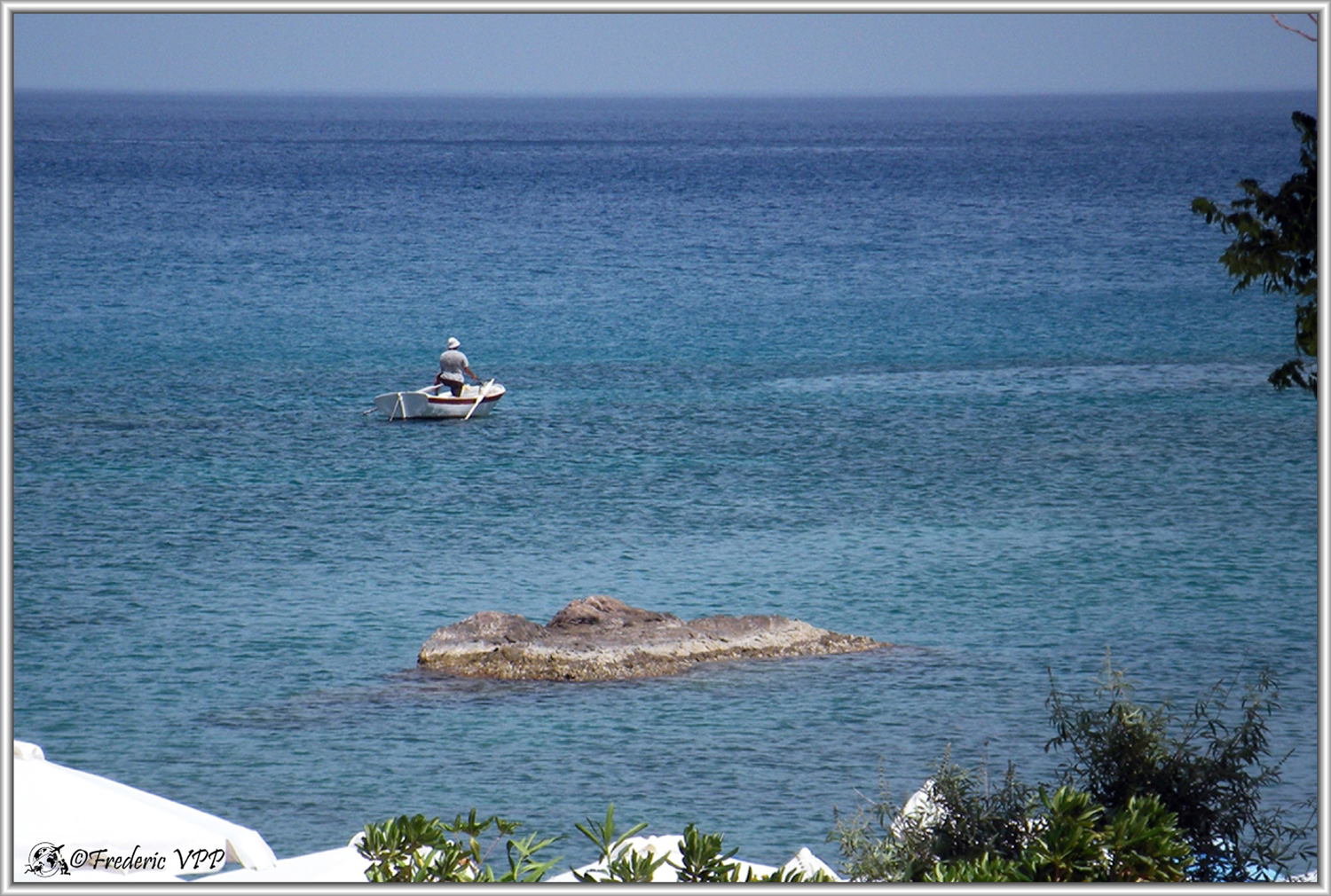
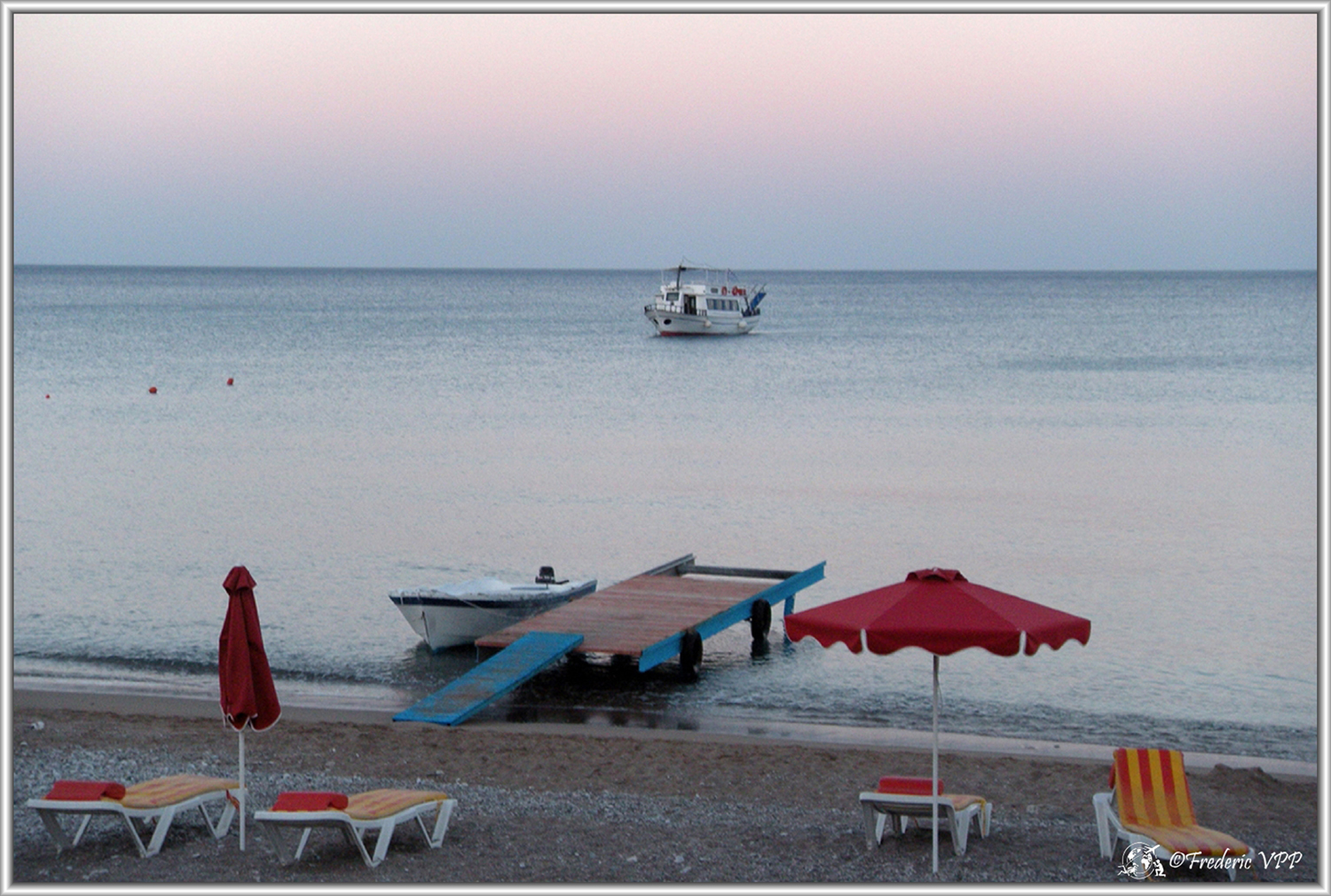
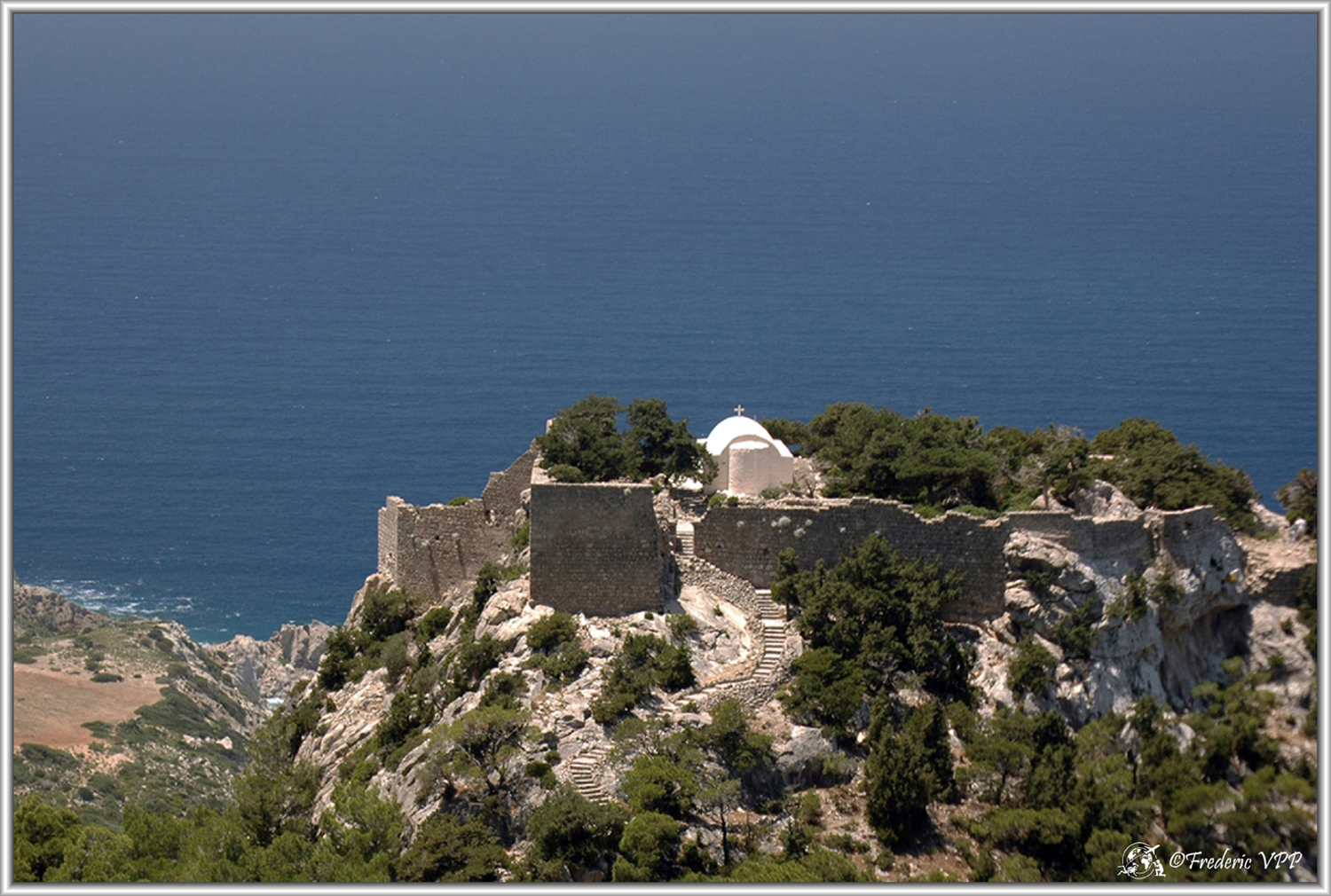
Feel free to explore the small roads. You will often discover a small, very simple church just waiting to be visited. So you can feast your eyes and your taste buds. Enjoy the grandiose remains, their history but also the climate, the landscapes and their gastronomy. The Orthodox churches are also a splendour. The interiors are beautiful, covered in gold, different colors and stunningly detailed paintings. The view of the sea in the azure blue color that makes you want to refresh yourself.
|
On the current territory of Greece, the climate has allowed a good preservation of even very ancient vestiges, and writing appeared early: the history of the country is therefore very well known, from ancient Greece to present-day Greece via Hellenism, Roman, Byzantine, Ottoman, independence, monarchy, civil war and dictatorship periods.
Since the 19th century, two schools have clashed over the writing of the history of Greece: that of a continuity of Hellenism between antiquity and our days, which takes account above all of the evolution of the language, and that of a profound difference between Greece and contemporary Greece, introduced by the Byzantine and then the Ottoman empires, whose monotheistic religions are analyzed as a fundamental cultural break. Greece is therefore a country steeped in history as evidenced by the many monuments visible in Athens but also throughout the country. Rhodes was subject to the same influence, but it was not always attached to Greece. The Order of Hospitallers settled there for more than 2 centuries from 1307 but had to flee before the Turks led by Suleiman the Magnificent in 1522. Italy finally seized the island in 1912. In 1936, the fascism arrived on the island but the life of the Jewish population continued without too many difficulties. It must be said that the Jewish presence was important. In the 16th and 17th centuries, the island, which already had "Romaniote" Jews, welcomed so many Sephardic Jews rejected from Spain that it took the nickname of "Little Jerusalem". With the German capitulation, the island is placed under English protectorate then under Greek sovereignty in 1948.
|
|
Sorry if the links are outdated or not accessible
|
Note: I'm not a video editing pro, so my motto is "Go simple".
To watch some videos properly, it is best to rotate the phone.
To watch some videos properly, it is best to rotate the phone.