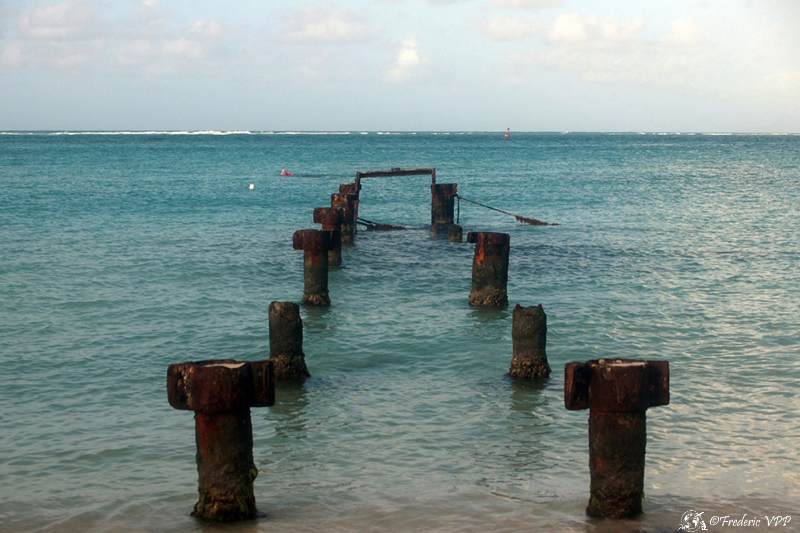
The Guadeloupe
Guadeloupe, The Caribbean, May 2016
Guadeloupe is very disturbing. You have two large islands connected by two bridges: Basse Terre and Grande Terre. These two islands are completely different. On one side, Grande-Terre, a vast urbanized but fairly flat area. And on the other, Basse Terre, less urbanized, with a large dense forest comparable to the jungle and especially the La Soufrière volcano...
|
LCrossing this jungle is disconcerting. I crossed it very early, around 6:30 in the morning. Alone on the road, I was able to appreciate the freshness of this area and above all to enjoy the Cascade aux Ecrevisses without a sound.
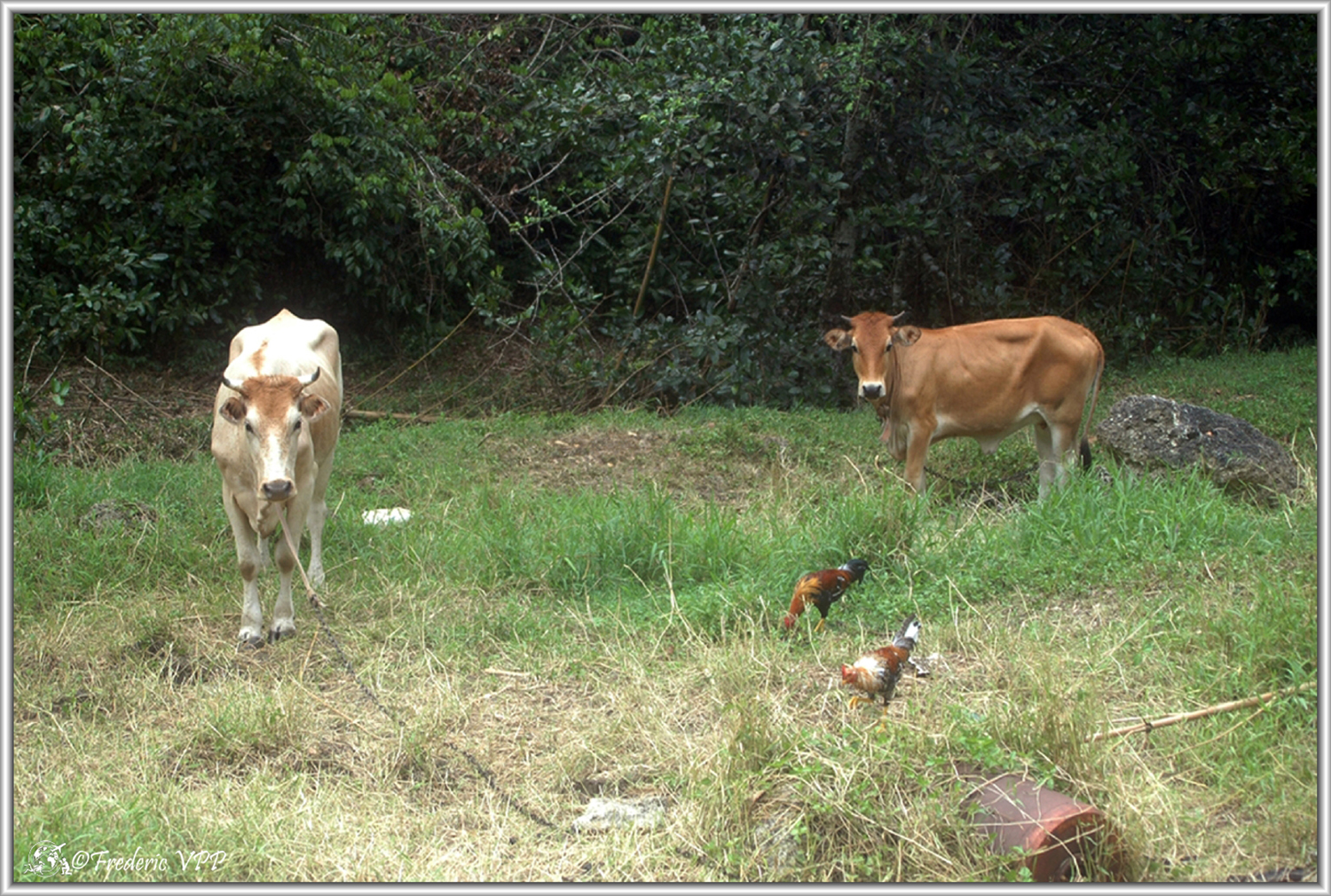
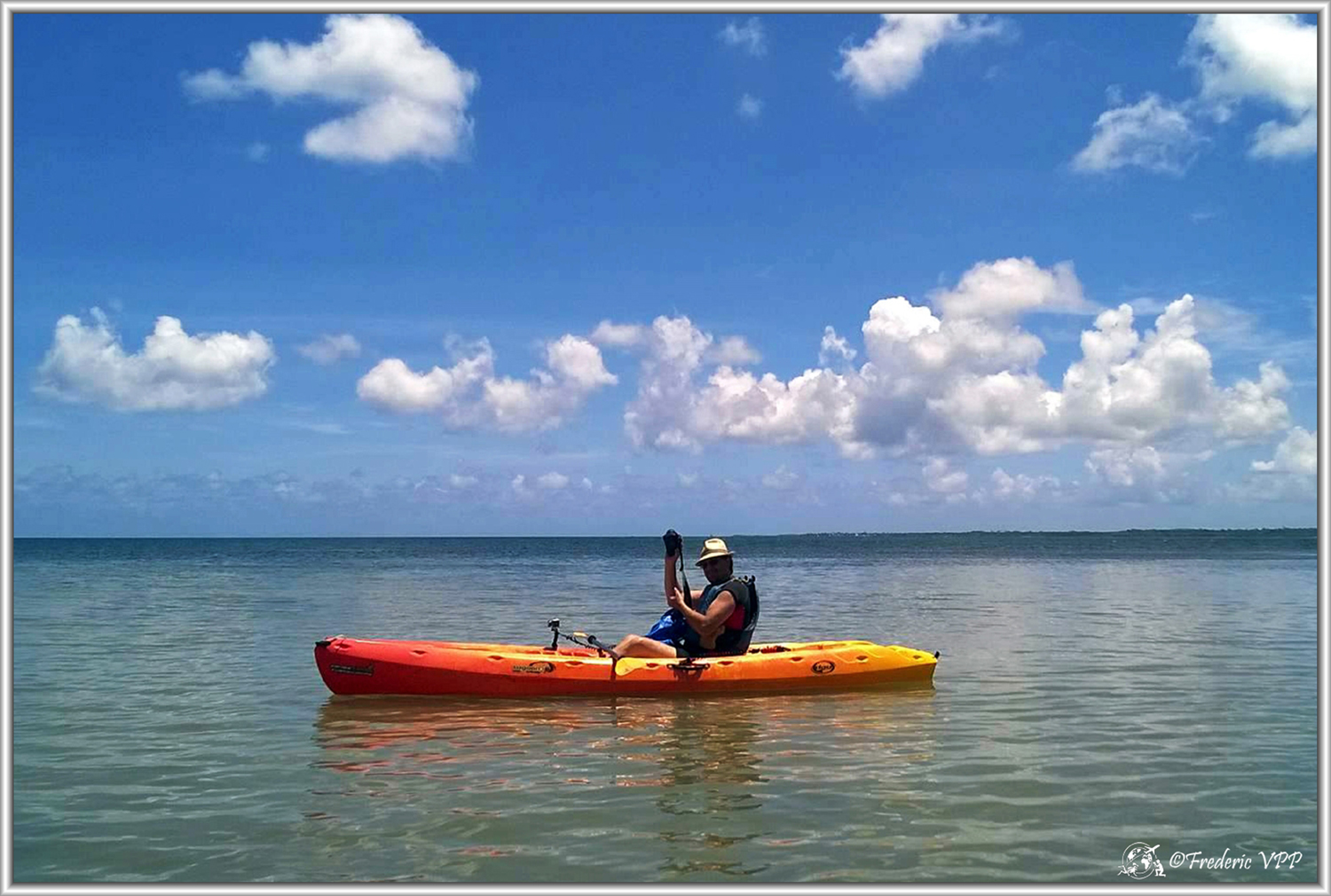
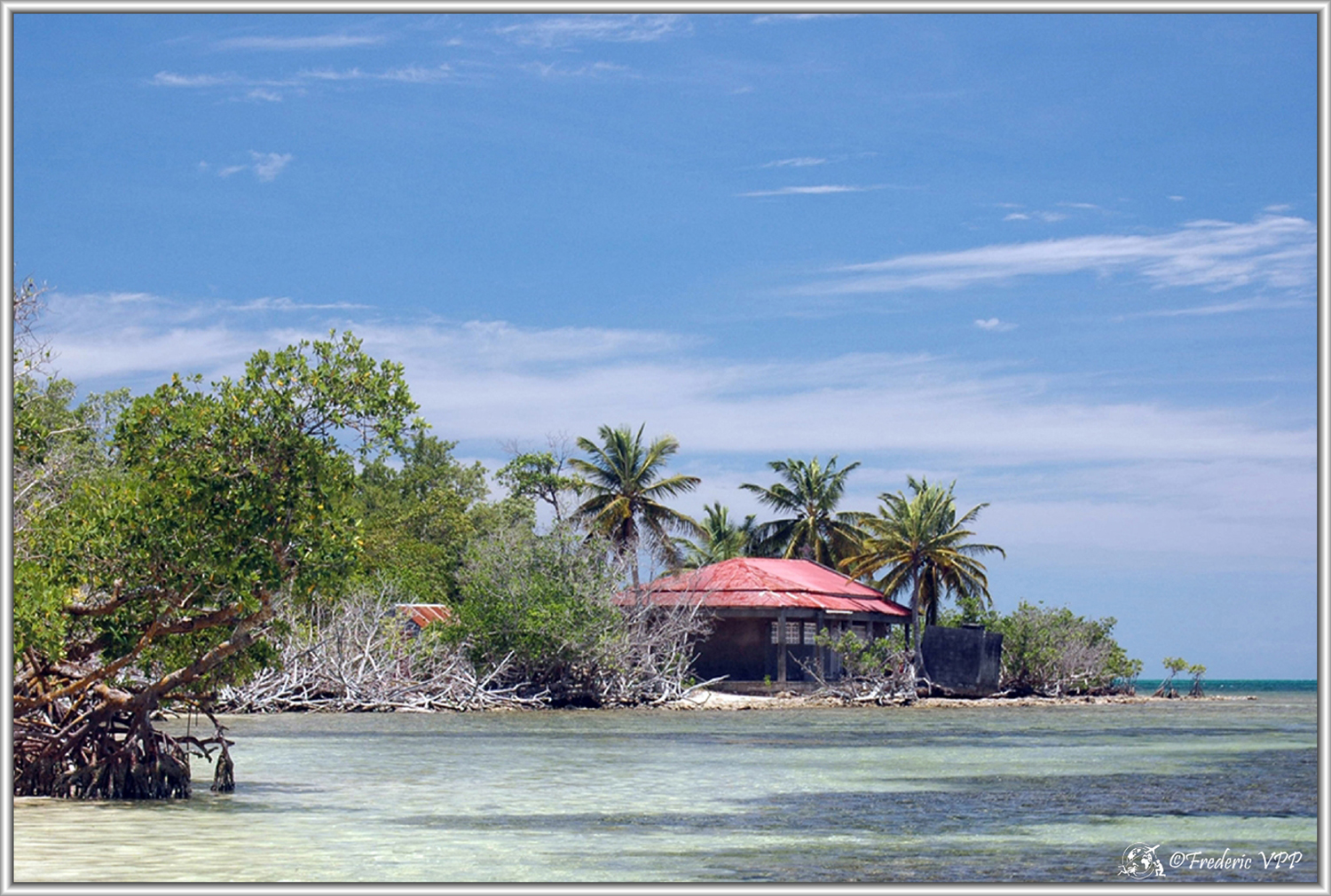
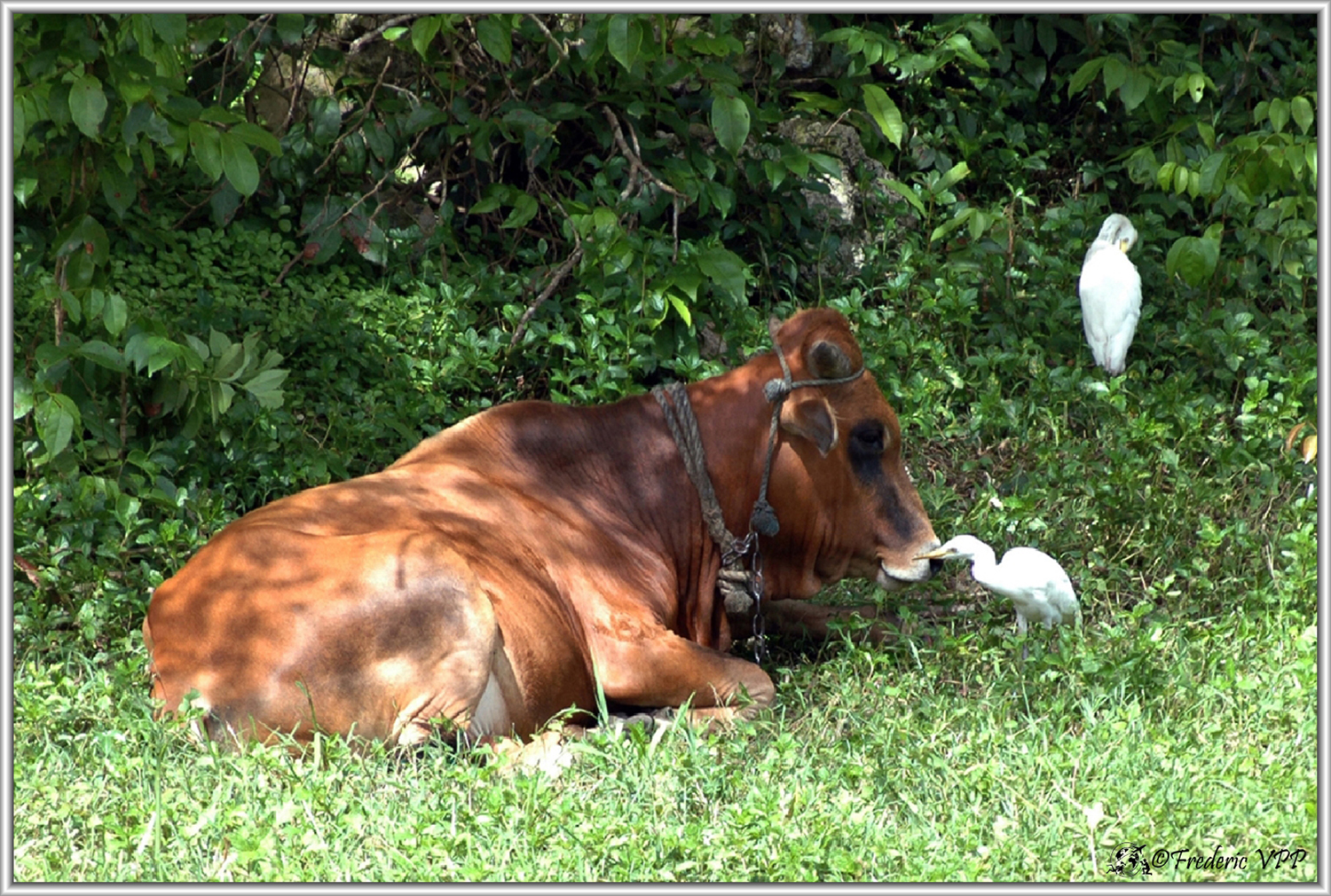
My pleasure, taking the small roads, far from the beaten track and away from city noise, enjoying the sound of animals when you turn off the car engine. By these side roads, seeing all these multicolored houses is a feast for the eyes. It is also to appreciate the rest of the cows and to admire the flight of the birds. Before going diving, I went to the Saint-Anne market to stock up on fresh fruit, a pure delight. Of course, I could not fail to take a kayak tour in the mangroves, the nursery of many fish.
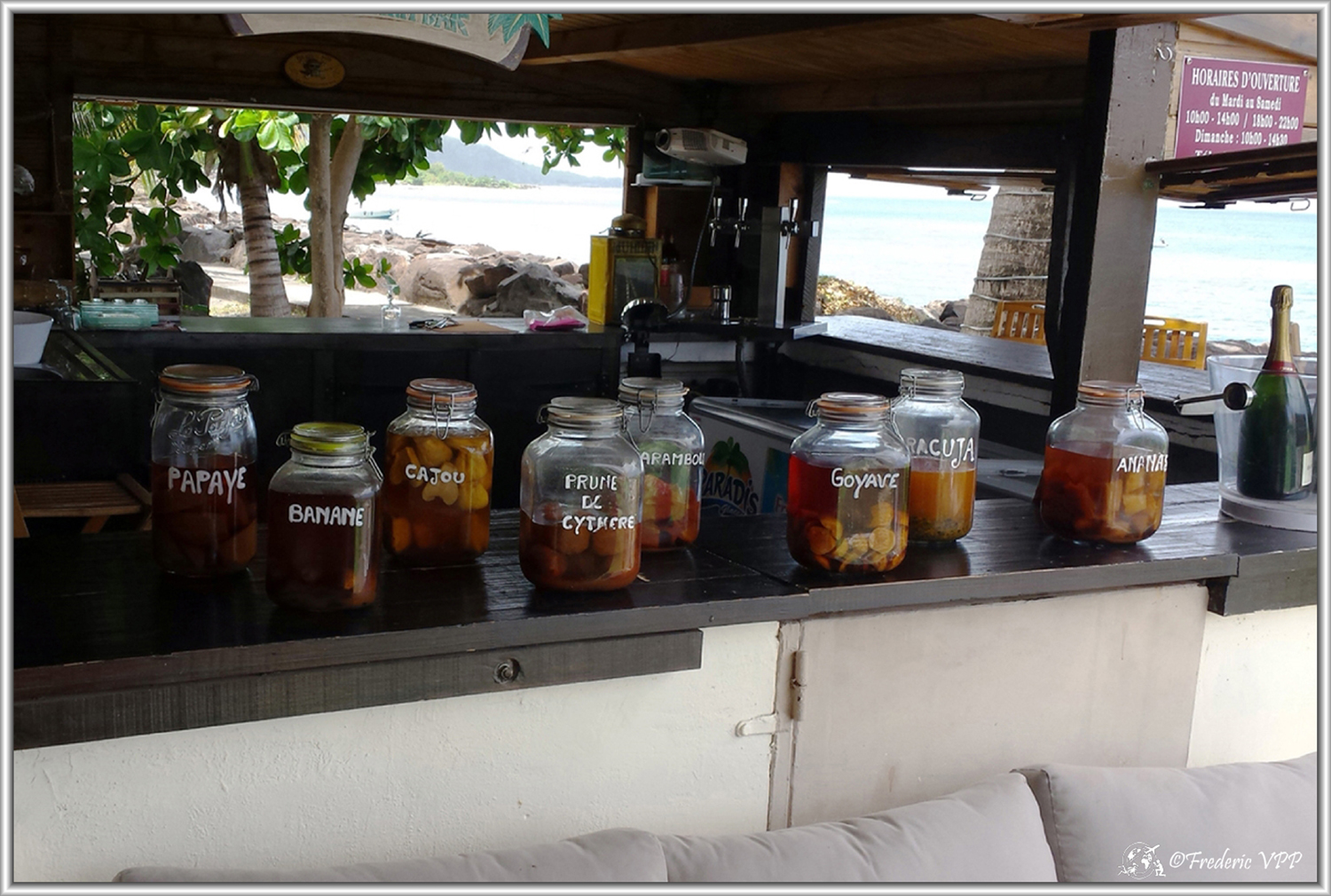
I recommend going to Guadeloupe but don't settle for just the fine sandy beaches. You have to take the time to appreciate the people and the beauty of the island. I am lucky to have a friend from Guadeloupe, Kiko, whom I thank, as well as her grandmother and all her family, for their welcome. Kiko showed me around her island, way better than anything the tour guides can tell you. I was also able to taste the productions of the family business, punches, Darboussier rum and rum cream. A bottle was waiting for me in my guest room.
|
|
Guadeloupe ("Gwadloup" in Creole) is made up of islands and islets, two of which are inhabited: Grande-Terre and Basse-Terre forming Guadeloupe proper. Several neighboring lands, Marie-Galante, the Saintes archipelago (Terre-de-Haut and Terre-de-Bas) and La Désirade are administratively attached to this territory. Guadeloupe and its dependencies reveal both varied and contrasting landscapes over a set of 1,628 km2 (628.57 mile2) of emerged land. The "continental Guadeloupe" is made up of two distinct lands, which are separated by a thin arm of the sea not exceeding 200m (656ft) wide, called "la Rivière Salée". Basse-Terre to the west is mountainous and covered with very dense tropical forest from north to south, where many rivers and waterfalls abound. Grande-Terre to the east is made up of a plain bordered by a mangrove to the south-west, an irregular succession of hills called the Grands Fonds in the center, and an arid plateau jagged with rocky and wild coasts North. It is on the southern coast of Grande-Terre, dotted with white sand beaches sheltered by coral reefs, that the major seaside resorts are concentrated. Then we have La Désirade, a vast plateau sloping to the northwest. The Grande Montagne, which reaches 275m (902ft) in altitude, is its highest point, Marie-Galante nicknamed the "Grande Galette or the island of a hundred mills", Les Saintes a small archipelago of 9 arid and steep islands. There are 2 seasons: the dry season called "carême" and the wet season called "Hivernage" but it is also subject to the passage of hurricanes from May to November.
The modern history of Guadeloupe begins in November 1493, when Christopher Columbus sees, during his second voyage, Dominica, then Marie-Galante where he disembarks there. The archipelago of Guadeloupe was a Spanish colony for about 130 years, until 1635. From 1635, Charles Liénard de L'Olive and Jean du Plessis d'Ossonville took possession of Guadeloupe in the name of the Compagnie des îles from America. This is the beginning of the colonization of the archipelago. Land is given to senior officers who are encouraged to import slaves there to exploit the sugar cane. The rise of slavery in Guadeloupe is however less rapid than in Martinique. After unsuccessful attempts in 1666, 1691 and 1703, the British seized Guadeloupe for the first time in 1759. They only kept it for four years, until 1763 (Treaty of Paris). In April 1794, taking advantage of the troubles caused by the French Revolution, the British briefly regained possession of the island. Victor Hugues, French revolutionary, appointed National Commissioner in Guadeloupe, drives out the English in May 1794. He announces, in June 1794, the abolition of slavery but this abolition was only temporary. The English did not want to feel defeated and took over the island in 1808, which they ceded to Sweden, as compensation for the war effort that Sweden had to provide to bring down Napoleon. But finally the island returns to the French by peace treaty. For the record, Great Britain compensated Sweden for these reversals of situation with a sum of 24 million francs for the benefit of the Swedish treasury, paid in the form of an annuity in perpetuity to the Swedish monarchs (Guadeloupefonden, in Swedish language), annuity which was closed in 1983, after agreement between the king of Sweden and the Swedish parliament.
In 1848, under the Second Republic, slavery was finally abolished definitively. Many Indians landed on the island from 1854 to fill the labor shortage caused by the abolition of slavery. Sainte Barthélemy, remained Swedish and again ceded to the French in 1878. In March 1946, the former colonies of the French Empire gave way to the French Union, but that of the French West Indies approached the status of the metropolis and became departments overseas: Guadeloupe and Martinique. The department of Guadeloupe will also integrate Saint-Barthélemy and Saint-Martin in a special district. |
|
Sorry if the links are outdated or not accessible
|
Note: I'm not a video editing pro, so my motto is "Go simple".
To watch some videos properly, it is best to rotate the phone.
To watch some videos properly, it is best to rotate the phone.