The Normandy
Normandy with my friend Yan, April 2018
A great drive along the coast with a history buff who knows his region very well and knows how to interest you...
|
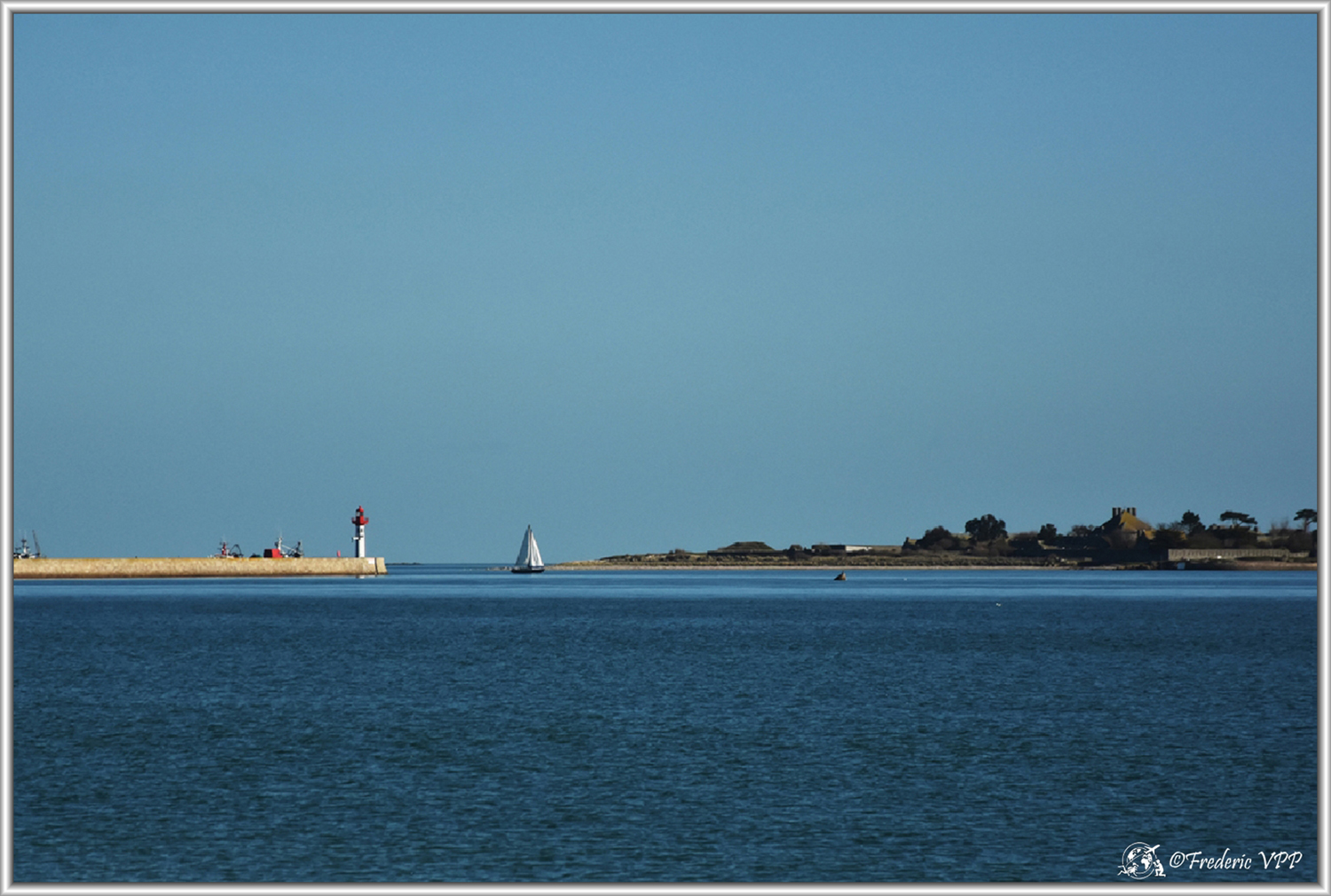
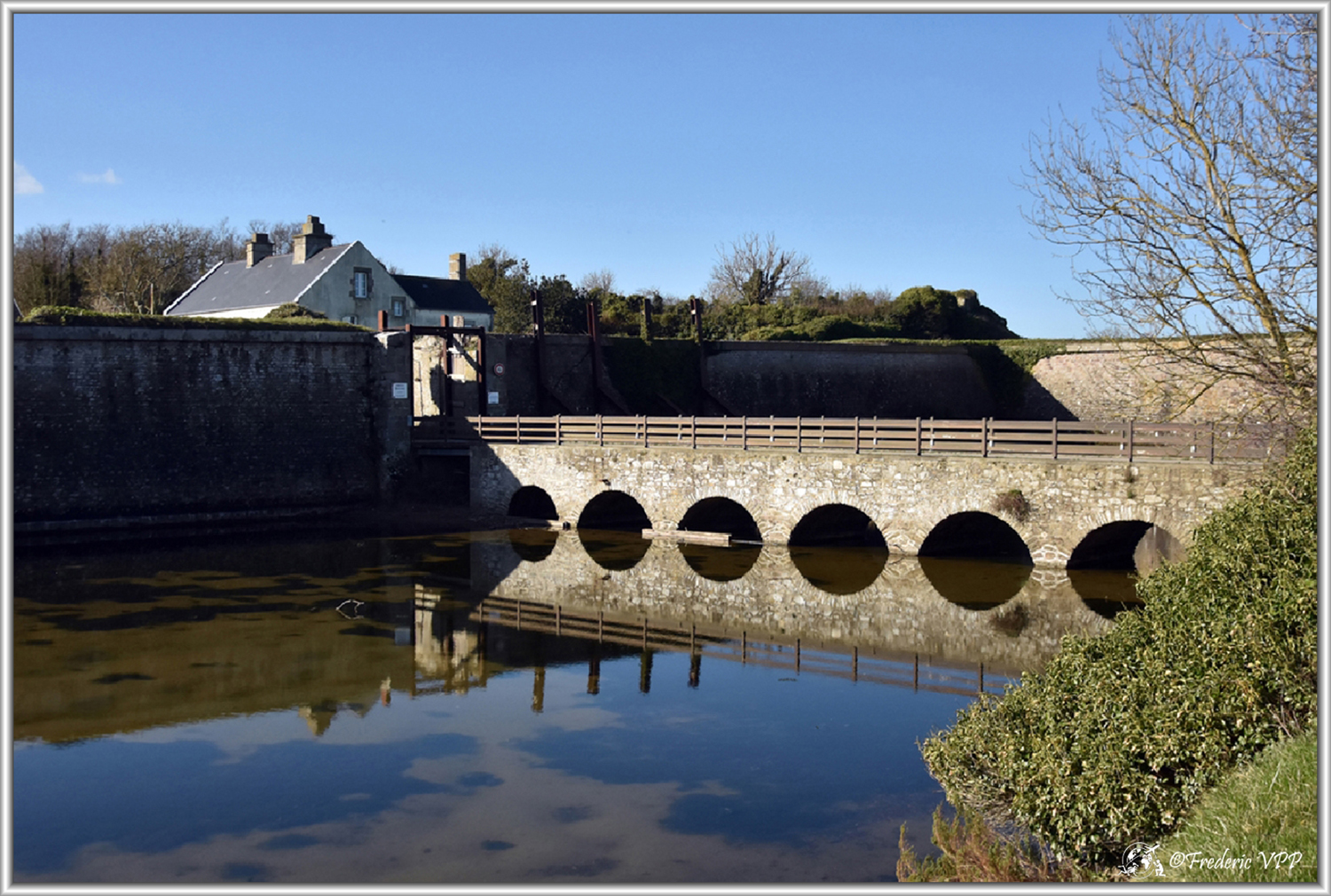
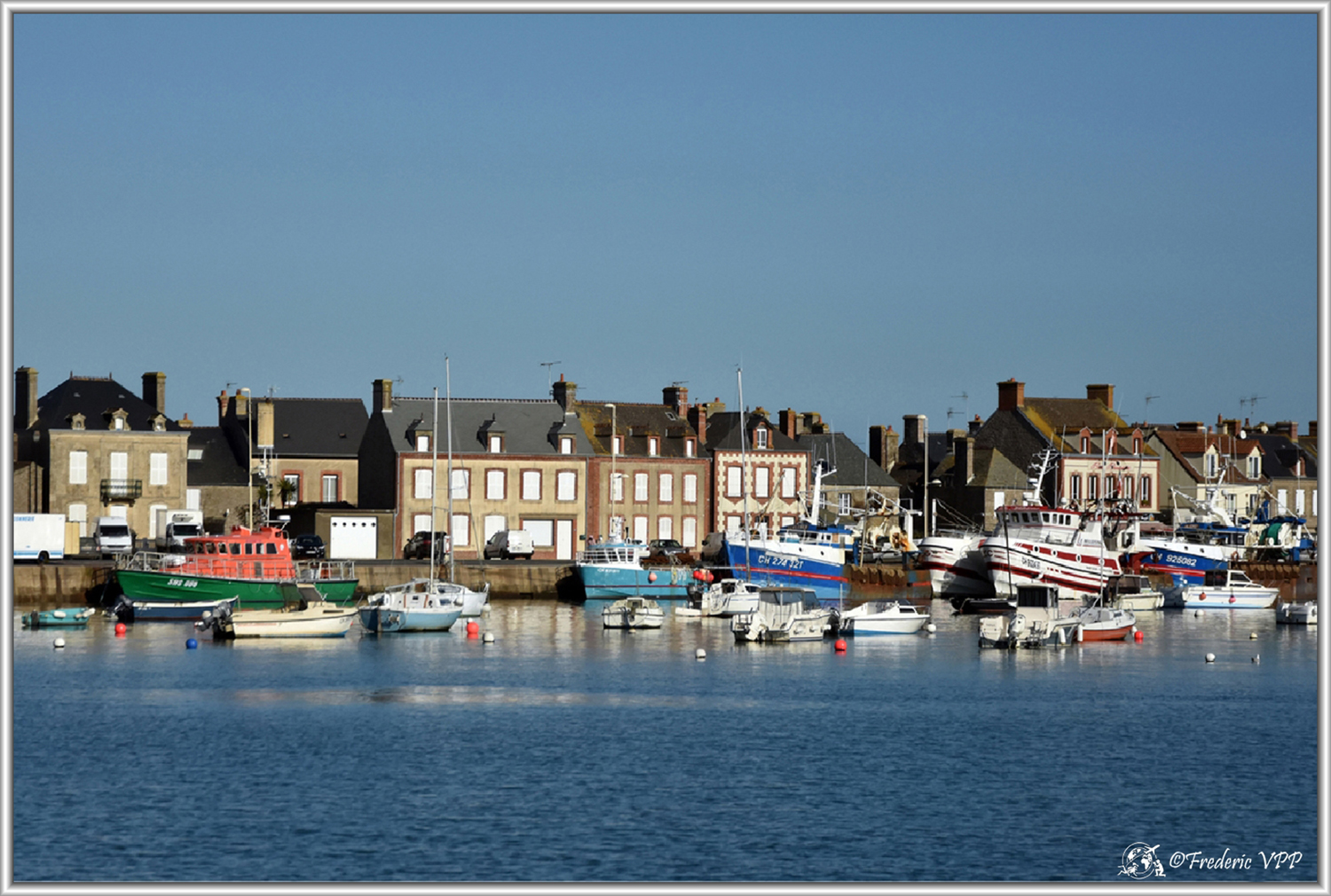
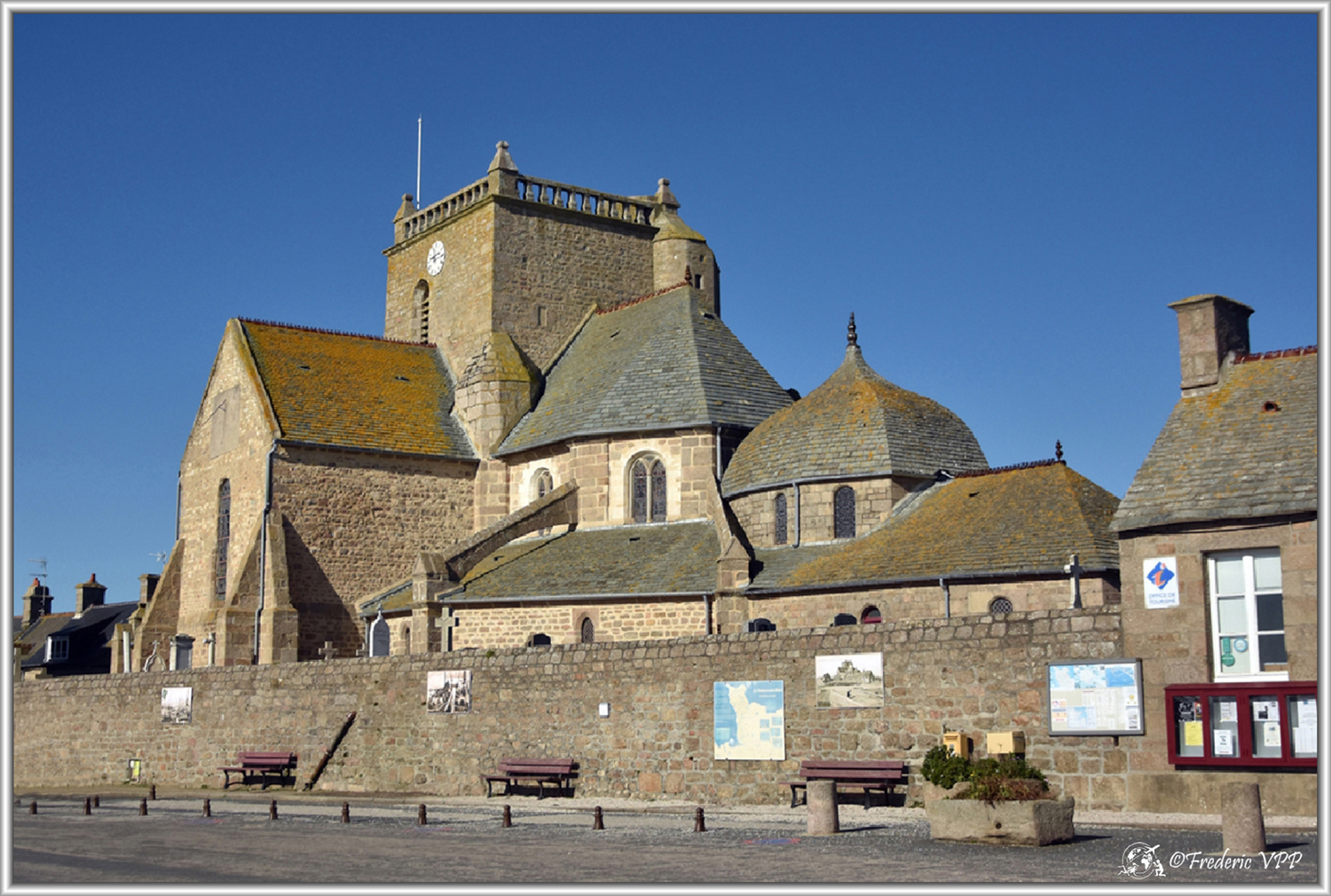
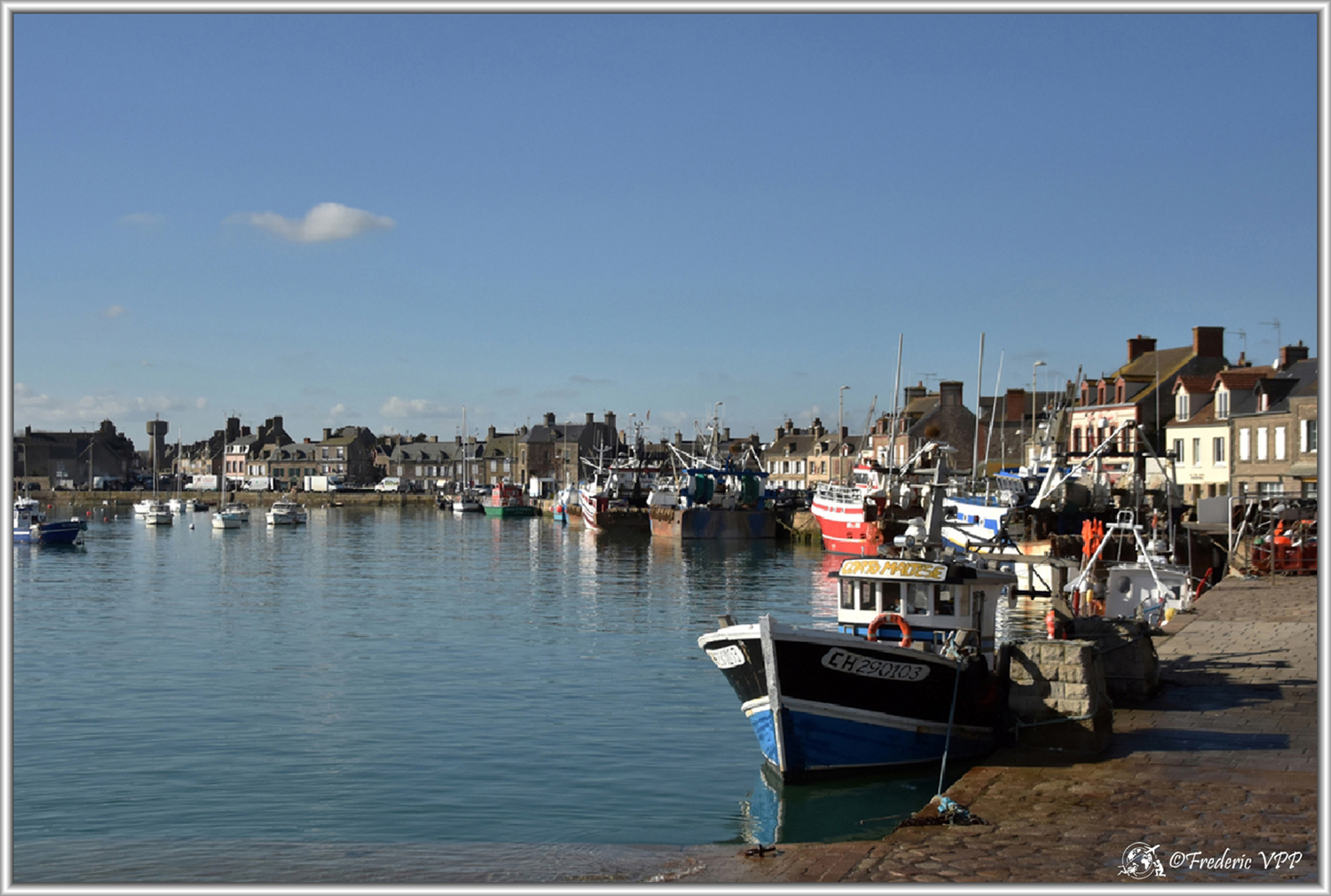
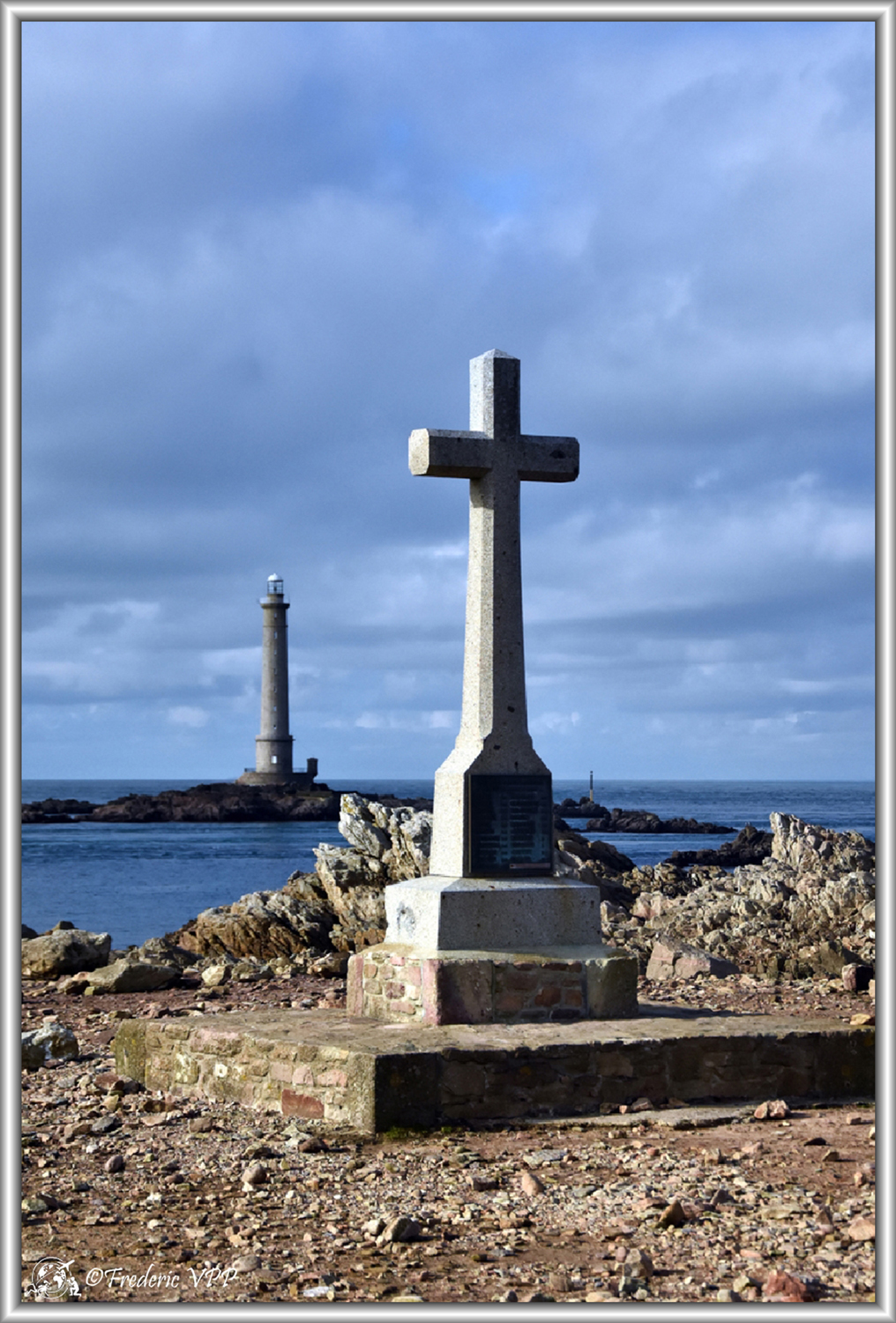
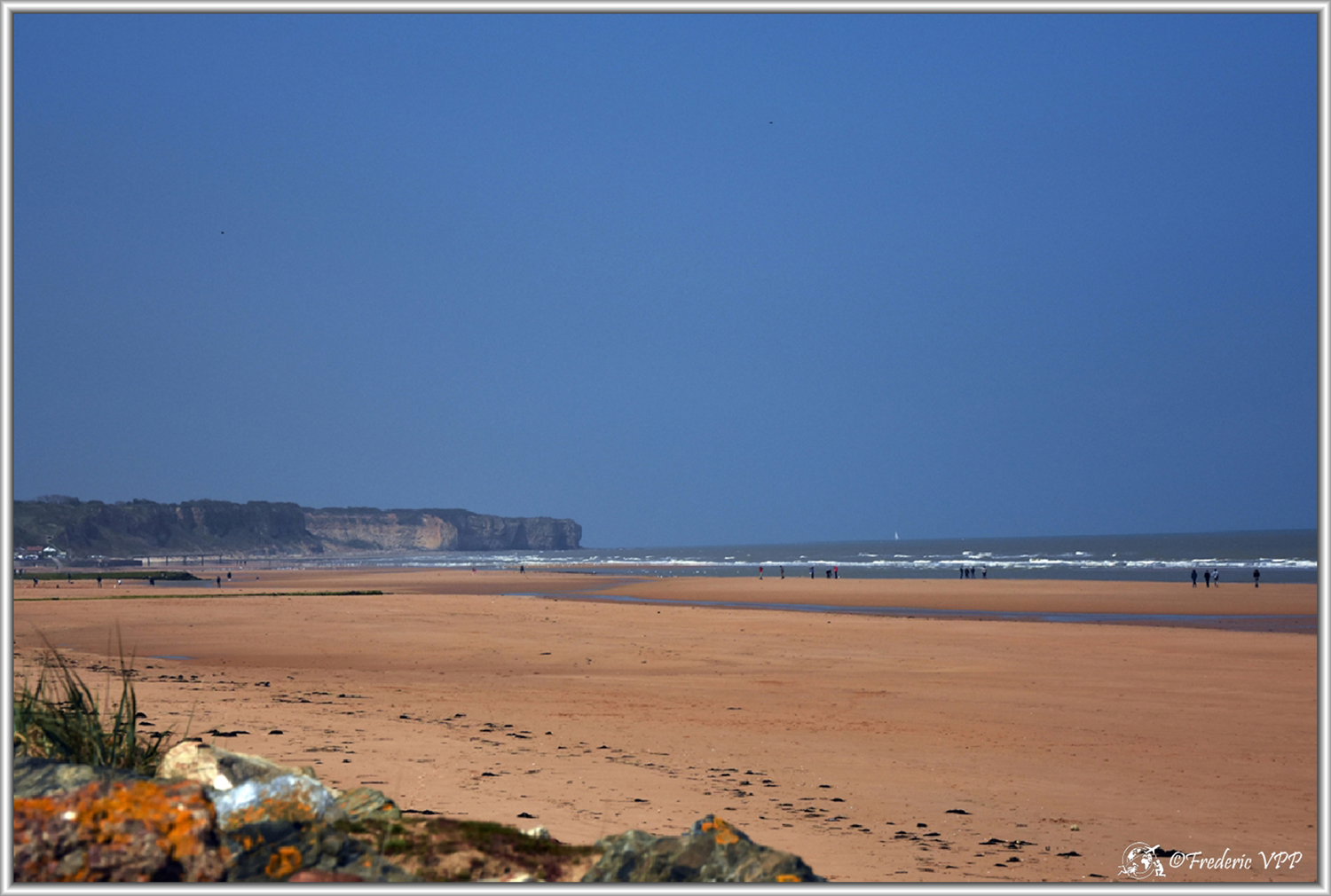
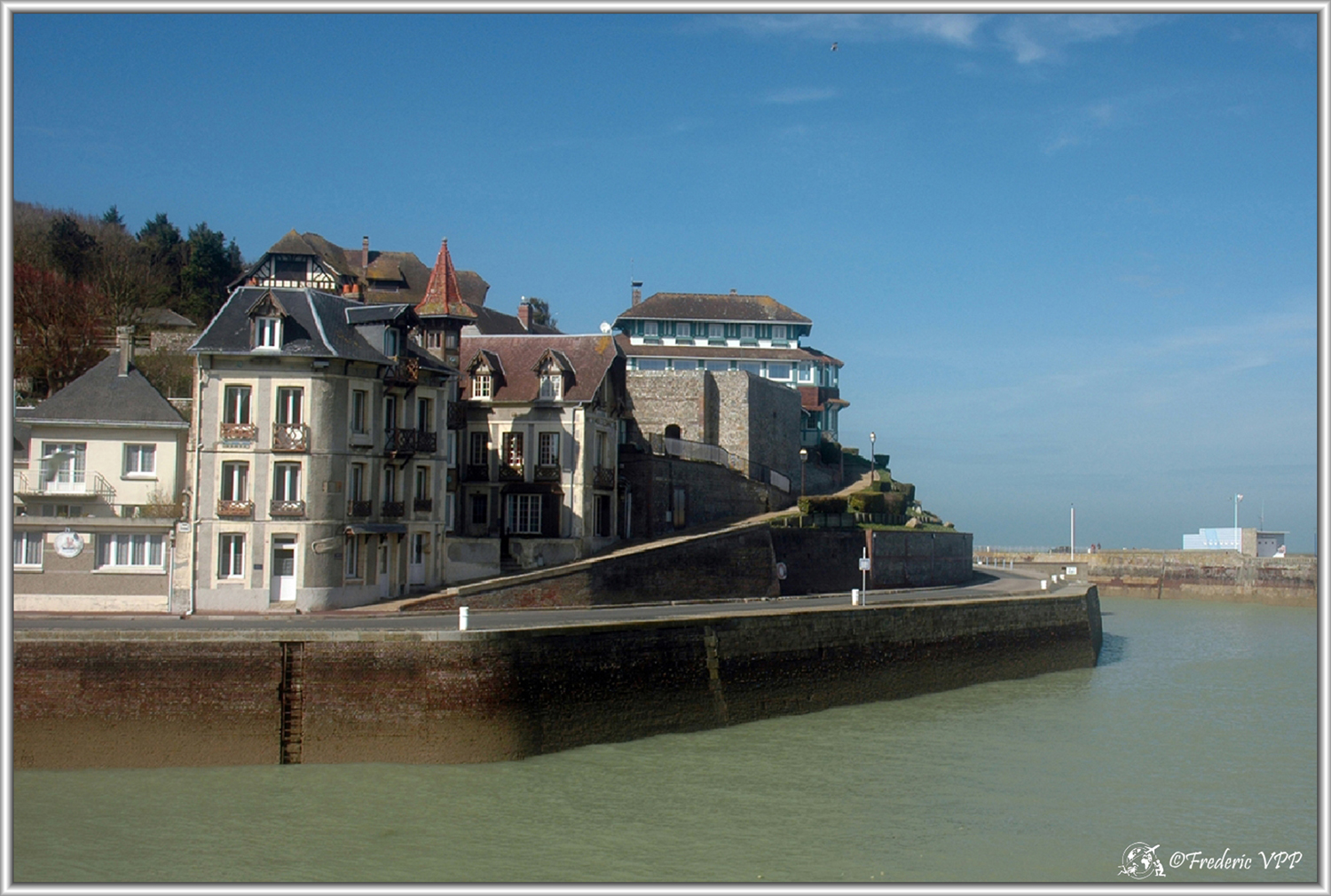
A change of scenery when you leave the plain of Isigny-sur-mer, near the beaches of Omaha, witness to the American fights to liberate France, and that you head towards La Hague, with its lace cutouts sides. A passage through Barfleur where we were able to admire the Saint-Nicolas Church.
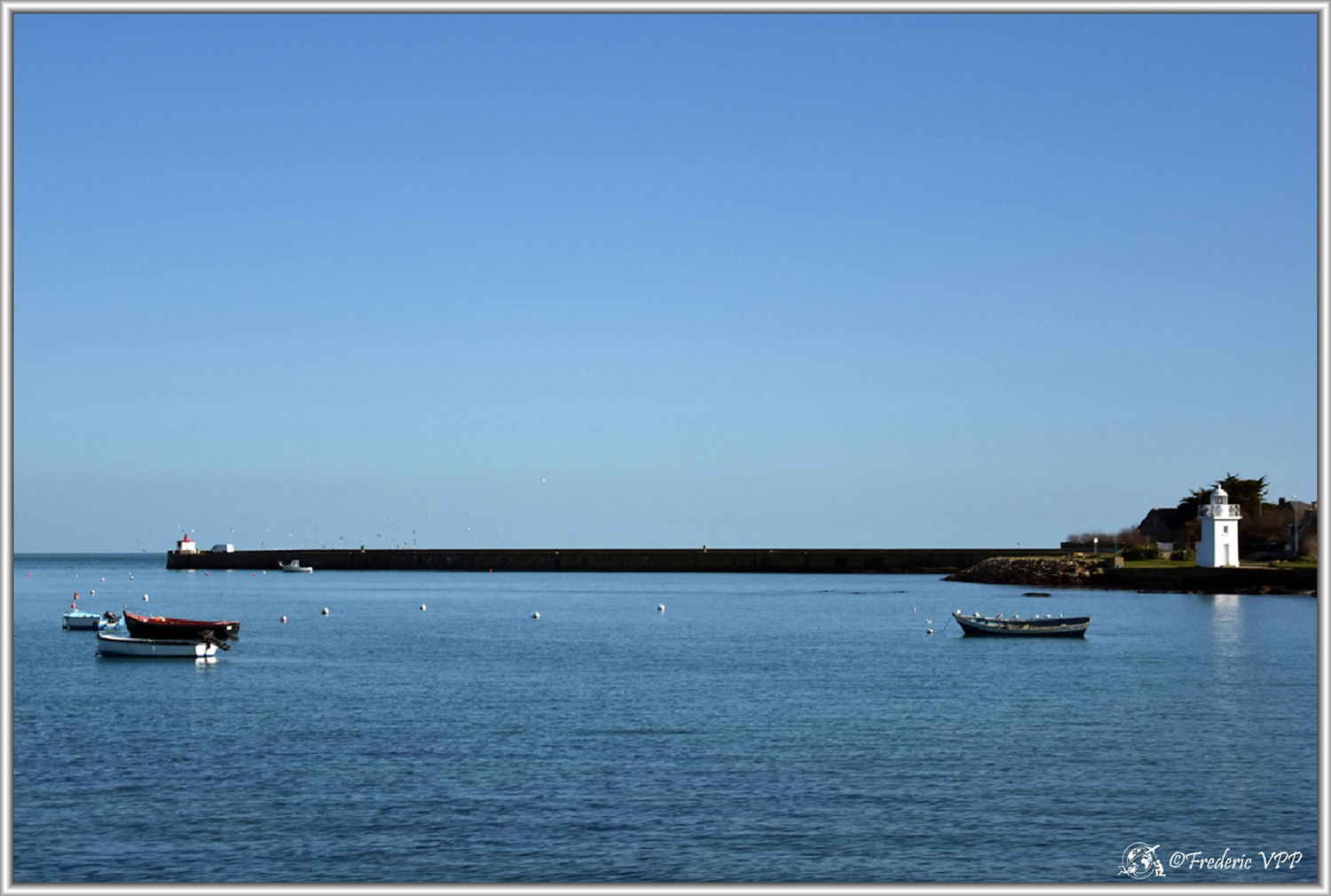
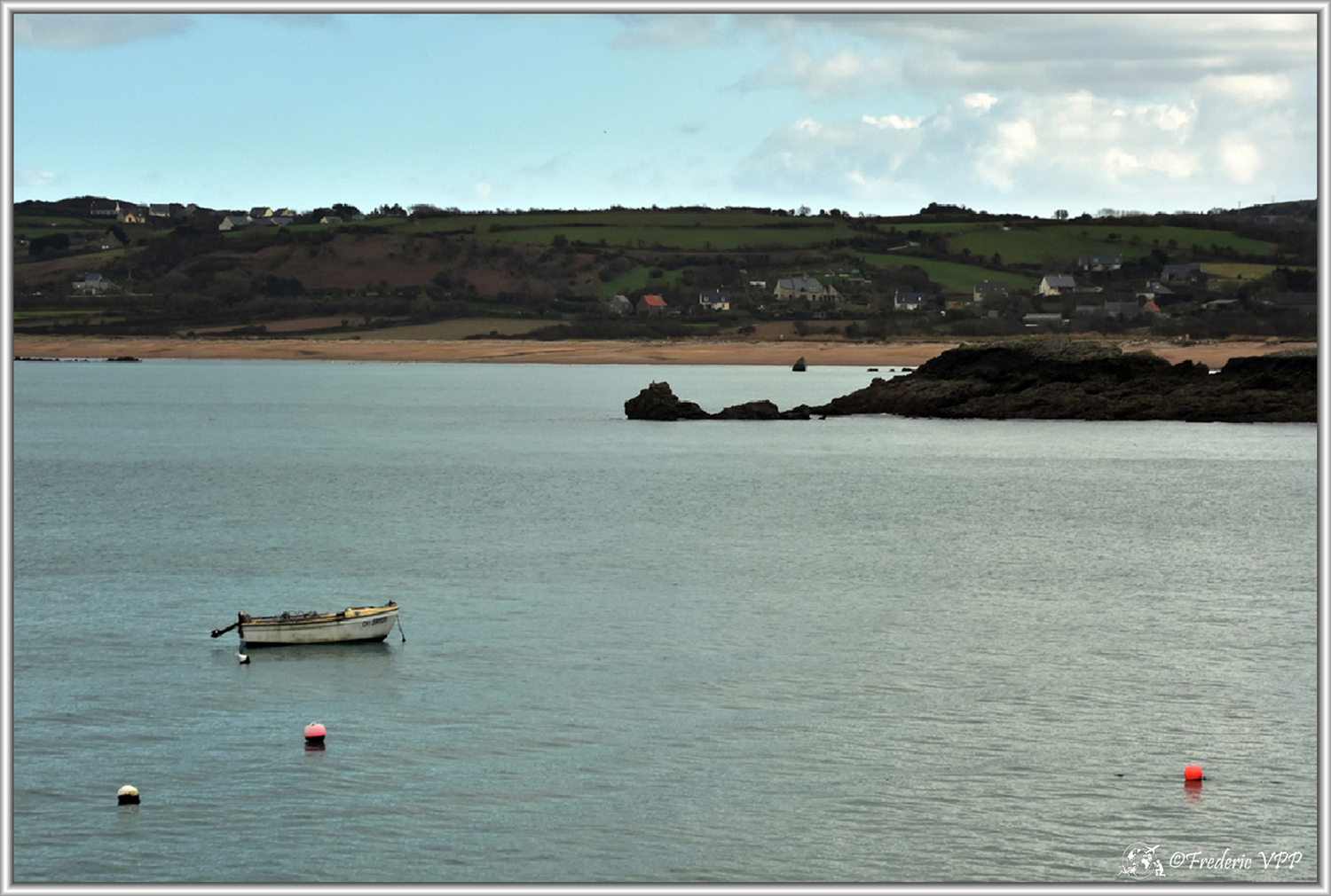
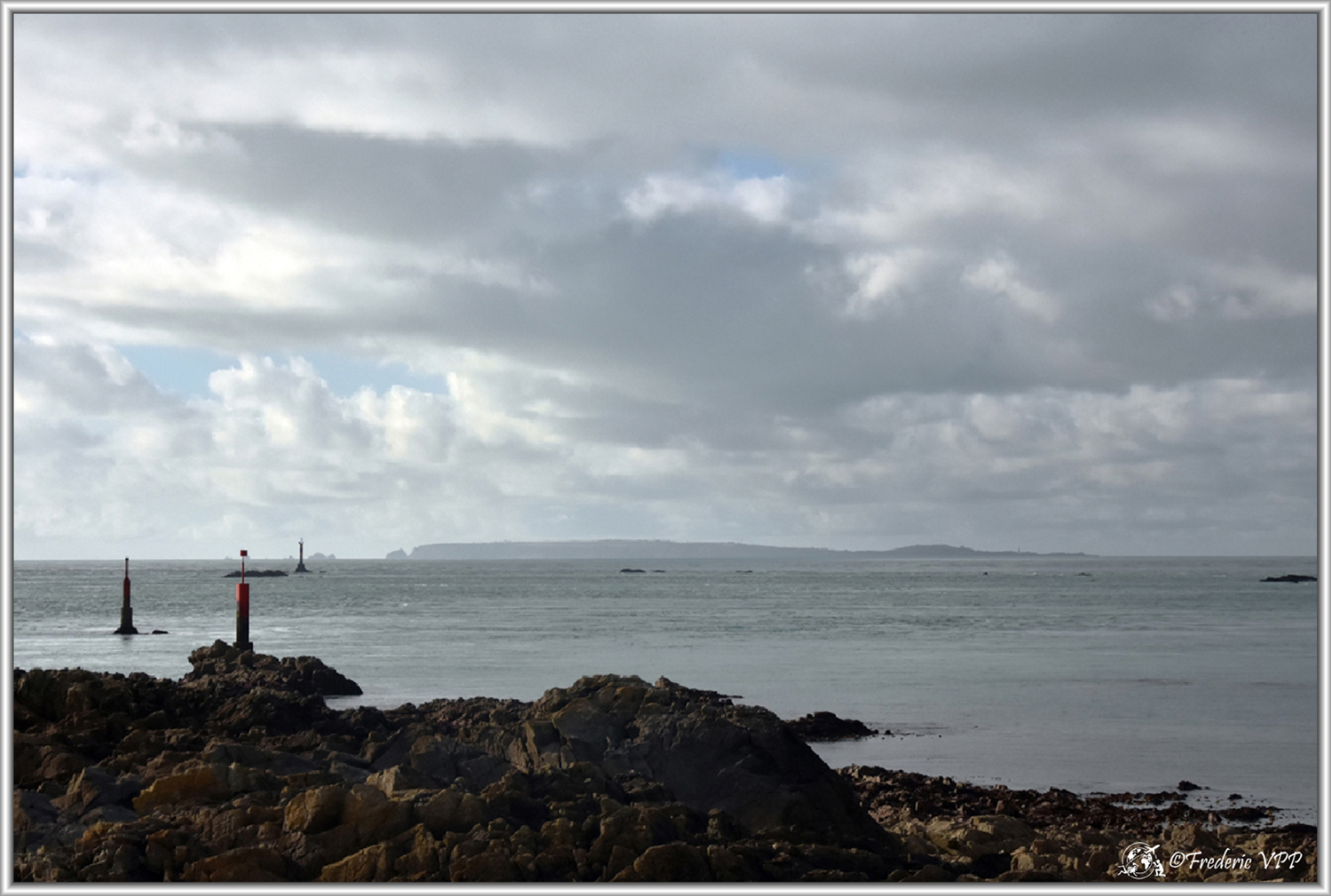
A short passage through the smallest port in France, Port-Racine, named in homage to one of the last privateers who raged under Napoleon, Captain François-Médard Racine. A view of Saint-Marcouf Island, then Sainte-Anne with especially English lands with Guernsey and Jersey, where even our telephones reminded us of English proximity. Finally, a return to cross Sante-Mère-L' church where the church reminds us of the misadventure of John Steele, one of the American paratroopers dropped too low and who did not reach their target. It hung on the village steeple with the sound of the bells. A day under a radiant sun but Sunday still reminded us that we were in Normandy...
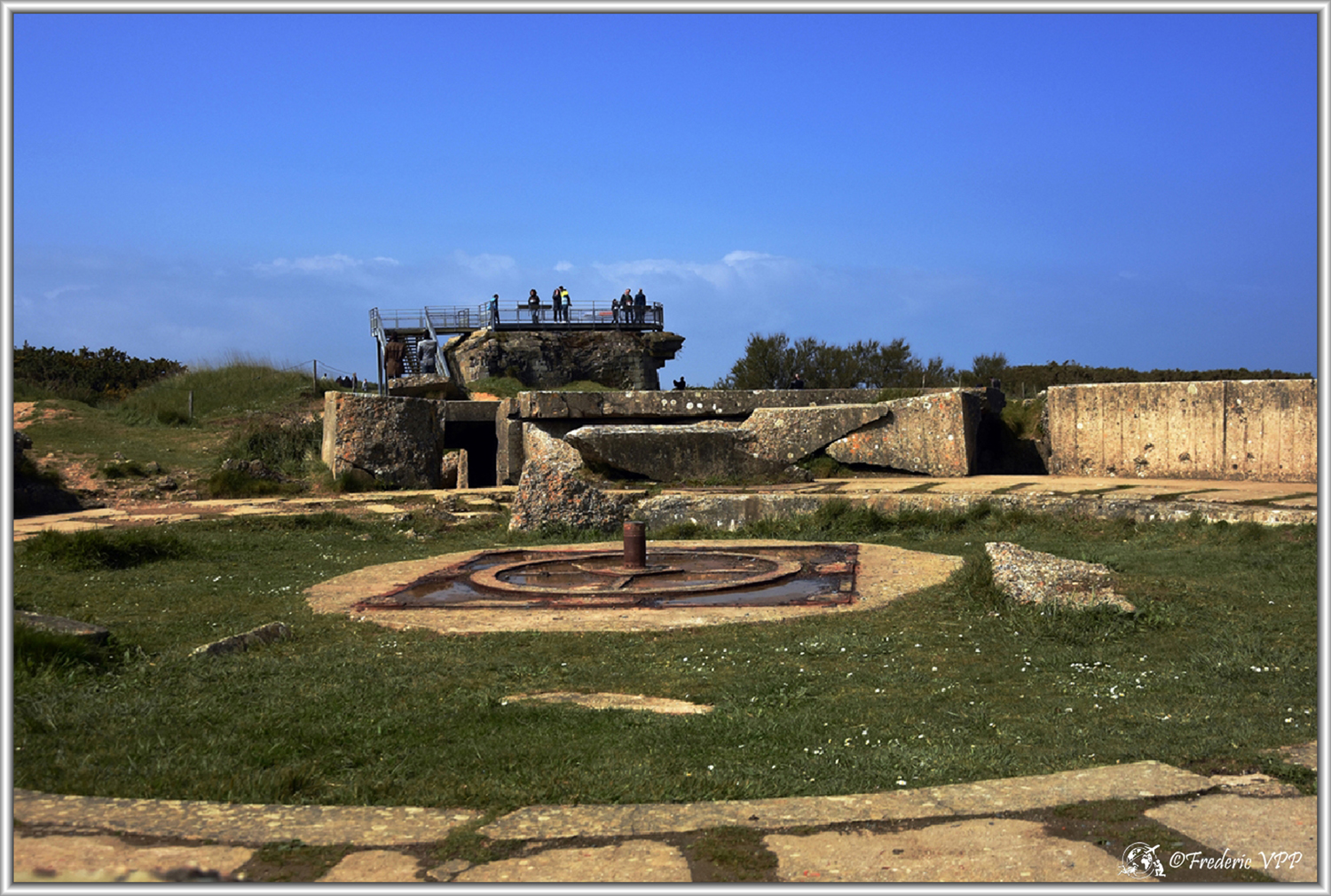
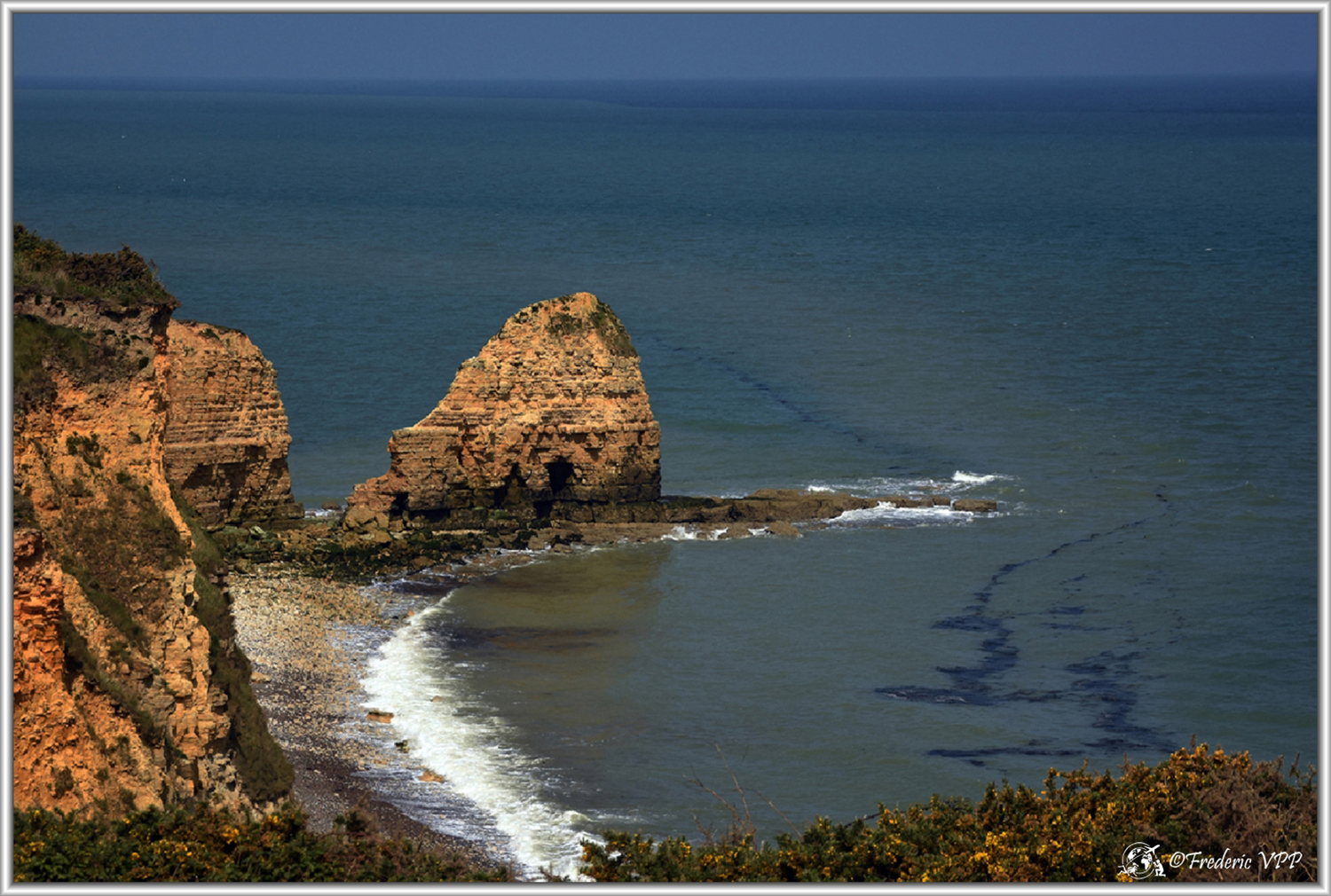
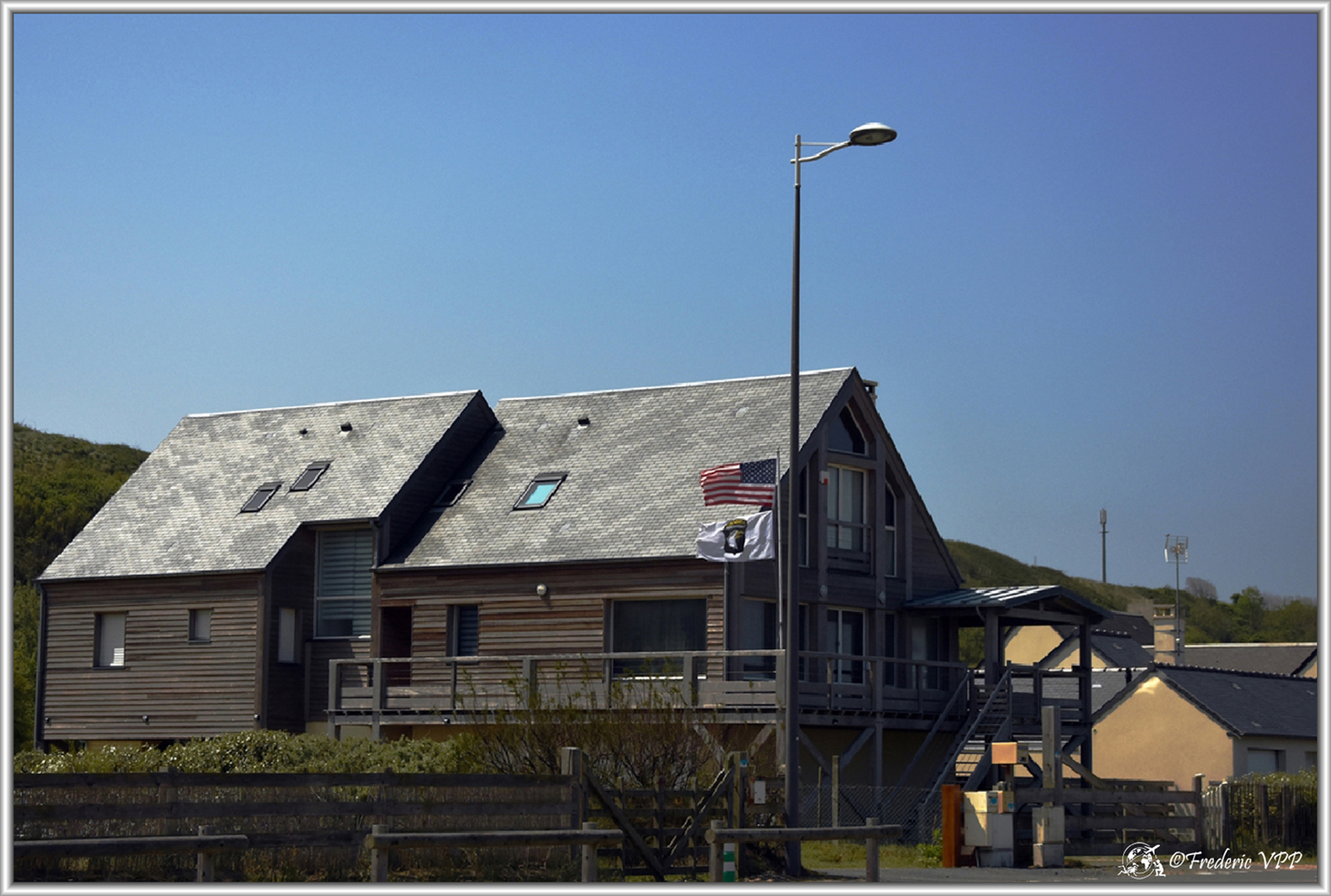
I will also take the opportunity to add photos taken during previous weekends. Thus, we went back in history until the landing with the visit of Pointe-Du-Hoc. The American Rangers were to climb the cliff on both sides of Pointe du Hoc, west and east to seize the battery and the bunkers protecting it. Photos make it possible to estimate the escalation that these glorious soldiers had to undertake who left their mark in this operation. But this place was not so dangerous for the landing because the Germans had dismantled part of the artillery and replaced it with logs, a subterfuge which deceived the Allied reconnaissance planes. Afterwards, walk along the water's edge on Omaha beach with a view of Pointe-Du-Haut from this beach. The American flag even flies over a house.
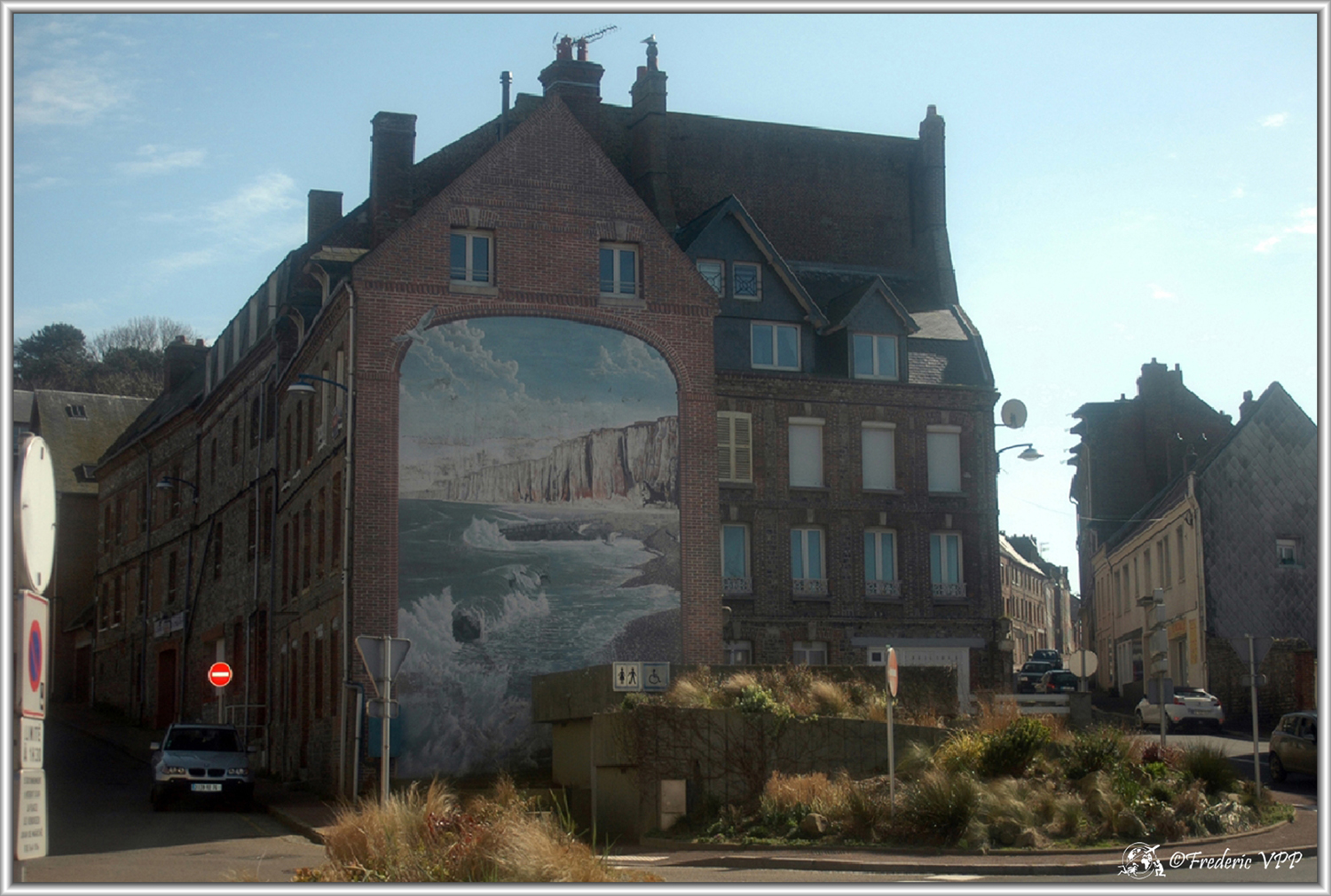
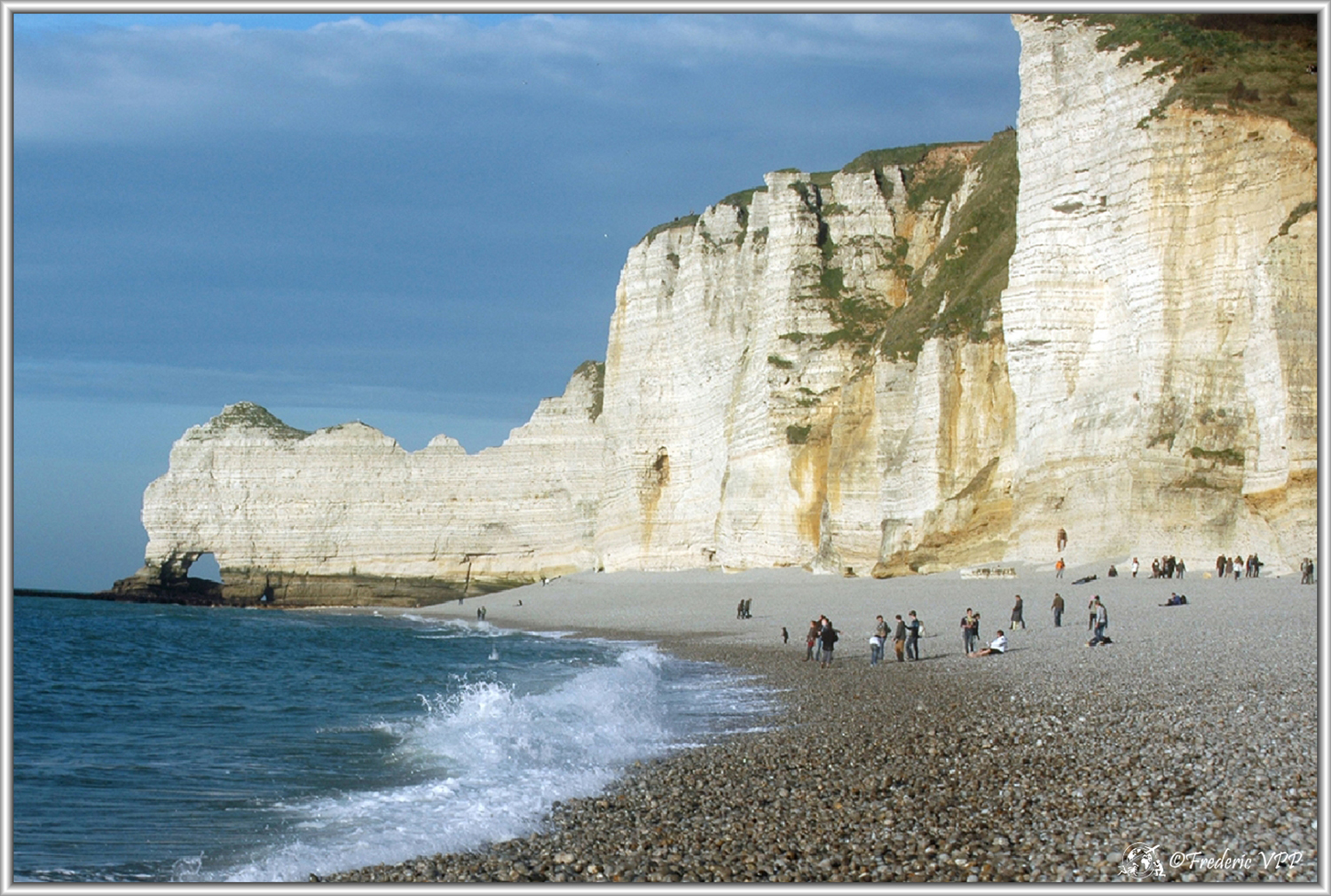
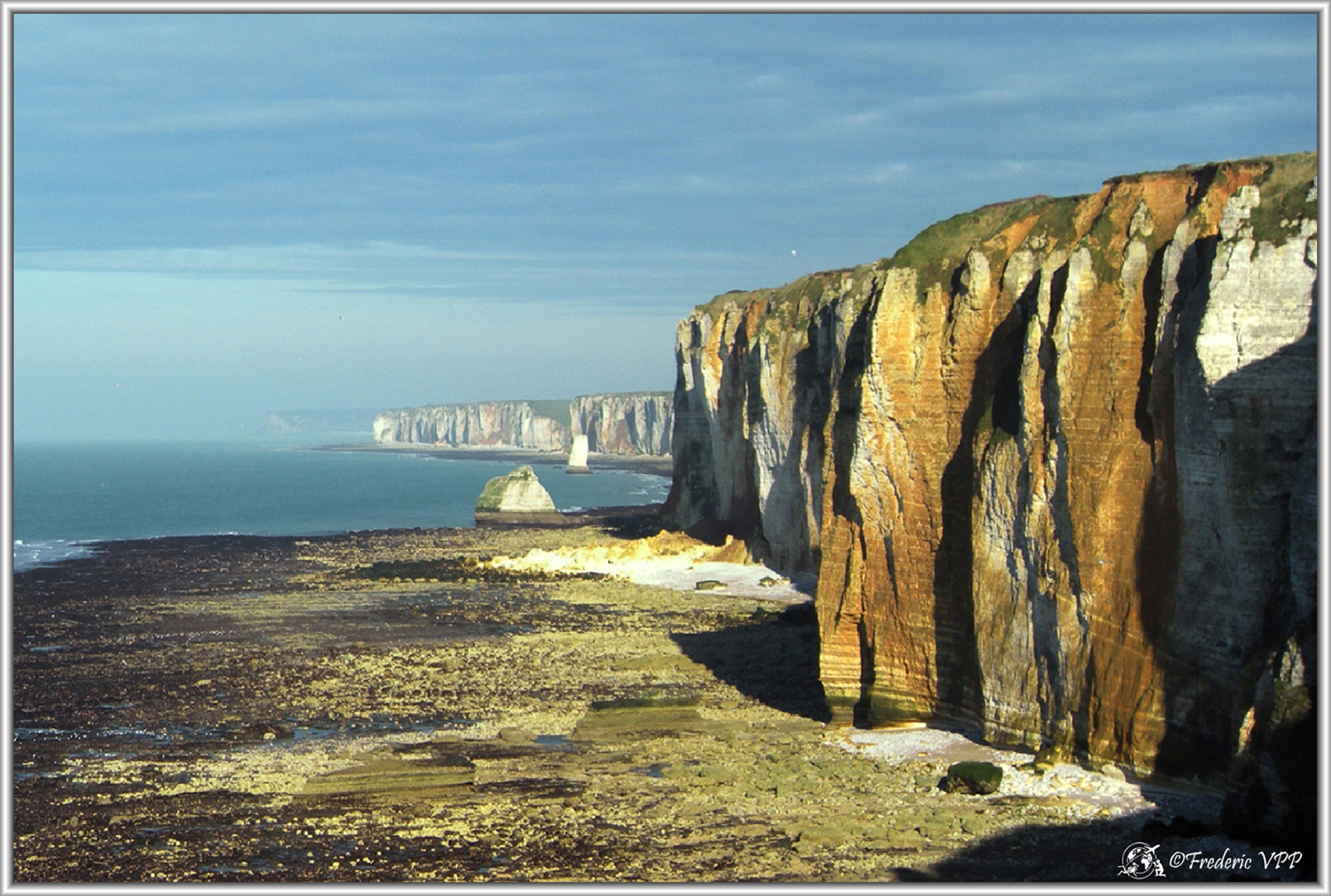
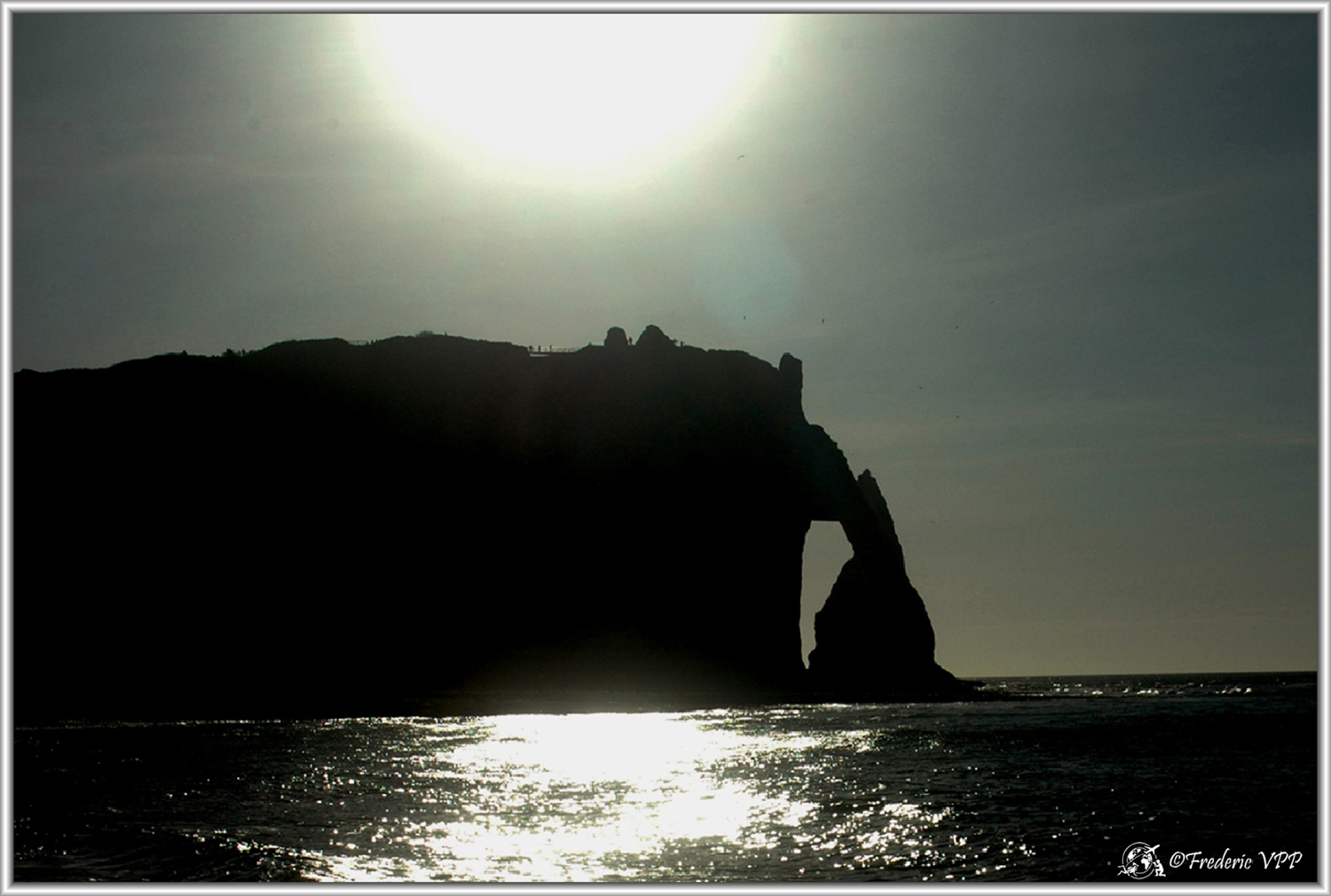
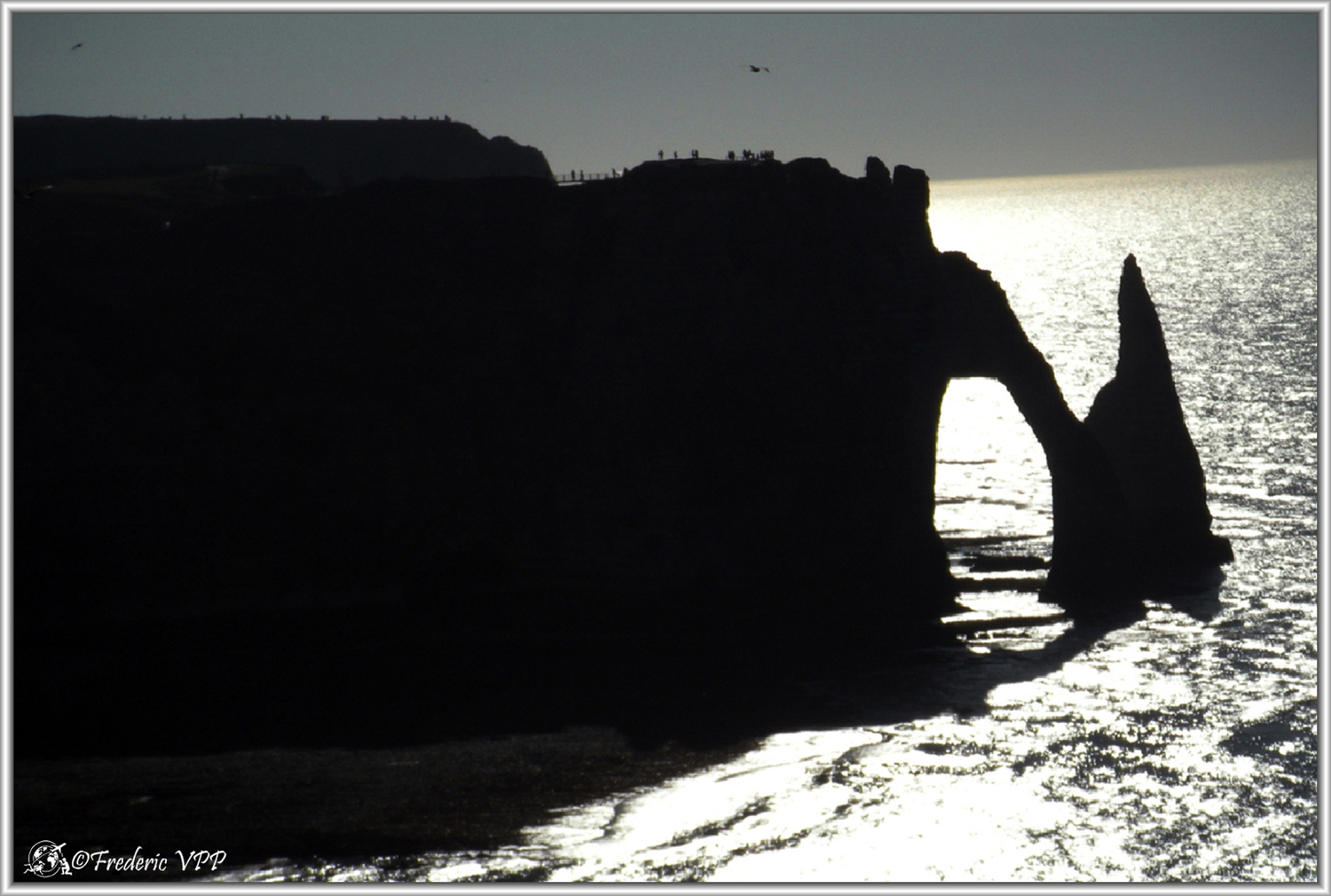
I am also attaching photos of Etretat and its surroundings, taken during an earlier weekend. Etretat with cliffs and especially its hollow needle, the home of the famous gentleman-burglar, Arsène Lupin, the hero of Maurice Leblanc's detective novel. this character acclaimed on television by Georges Descrières and his faithful Grognard (Yvon Bouchard) wanted by Commissioner Guerchard (Roger Carel).
|
|
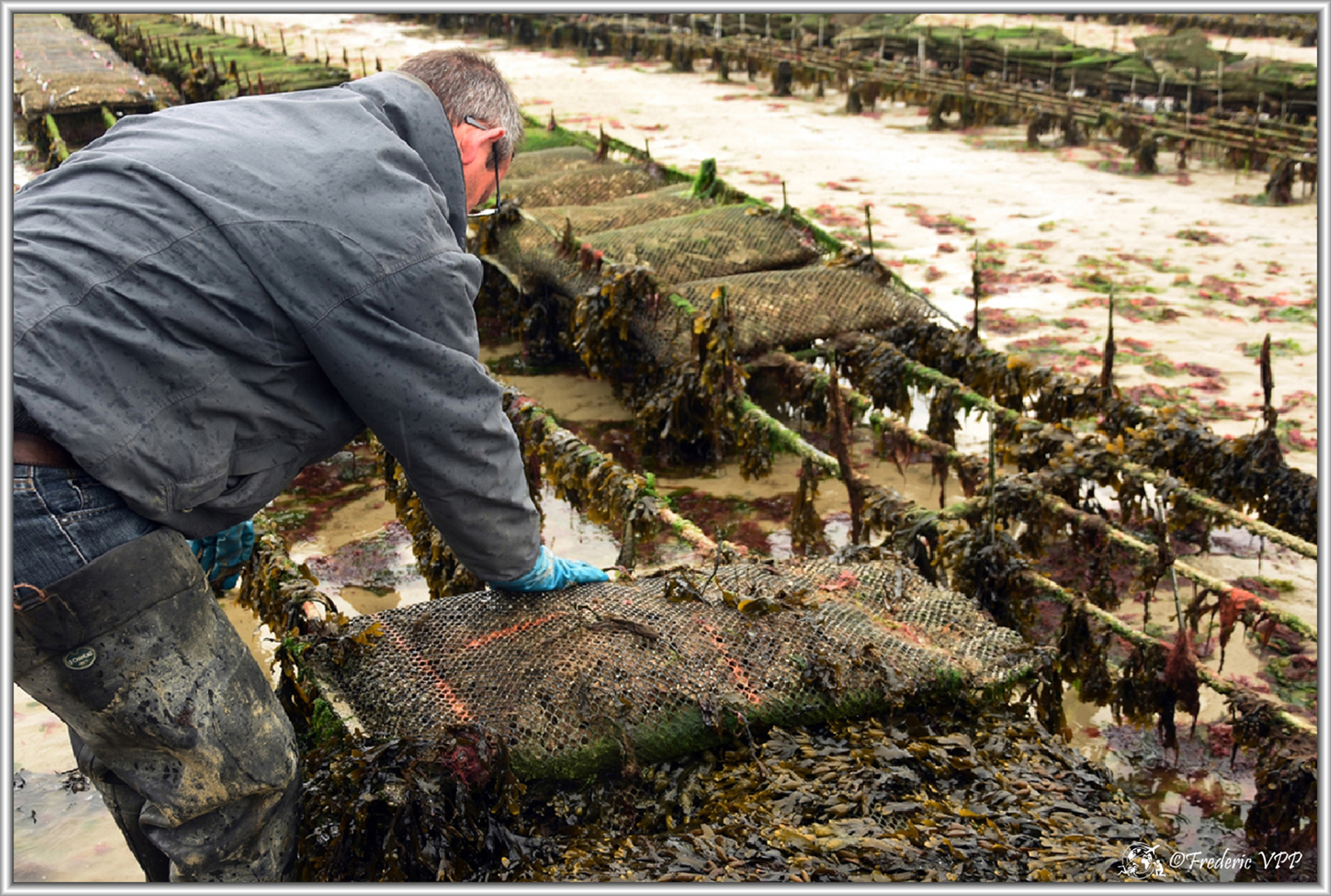
I couldn't pass by the oyster beds without taking pictures. I will try to remember Yan's explanations about his work as an oyster farmer, specifying that he sells by the ton. The small oysters are placed in very tightly meshed pockets. They are then placed on tables and tied with rubber bands so as not to lose them during the tides and with the currents.
As the growth progresses, the oysters are put back into pockets with increasingly wide meshes 2, 4, 9 and 14mm/0.78,1.57,2.36,3.15po ). With each change of pockets, it is therefore necessary to bring them back, empty the oysters, sort them and put them in the new pockets. Then, regularly, you have to turn the bags to loosen the oysters and avoid too twisted shoots, which will be unsaleable, perfection required for our plates. At the end, the bags are brought back, covered with algae, the oysters are cleaned and calibrated to be shipped.
The bags are left to dry, the algae die like this. In all operations, always pay attention to case.
It's a job that knows no weekends, everything is regulated by the tides.
In the next weekend, it will be the landing but under water since many vestiges remain there like tanks, landing barges, ... . Dives with temperatures far from the Philippines and much lower visibility. I would dive with a good, a very good one, who knows the stories of the earth well but also those under water.
|
|
A big thank you to my friend Yan. Thank you for teaching me so much, hoping to remember some of it.
|
|
Sorry if the links are outdated or not accessible
|