 The Provence
In Provence, August 2018
Note
The following text is long but I like to tell the stories. Now let's turn to the accompanying photos.
|
First, images of Salon de Provence famous by the Patrouille de France but also the French aerobatic team. Who does not know Michel de Nostre-Dame, better known as Nostradamus. You must surely know the prophecies, the "Quatrains" of this man whom Catherine de Medici came to meet in Salon-De-Craux (former name of Salon de Provence). These Quatrains have gone around the world but no one is really able to understand these prophecies until certain events occur. Less known in France but famous in the south, Adam de Craponne who is at the origin of the Canal de Craponne, which made it possible to irrigate the Crau with water from the Durance.
Afterwards, I'll take you to Marseille, a city of many colors and many nationalities, the gateway to trade in the Mediterranean Sea and then to the French colonies. The Château d'If, emblematic place of Alexandre Dumas' novel "The Count of Monté-Cristo". She served many years as a prison. If you go there, listen, and lend an ear, you will perhaps hear Abbé Faria discussing with Edmond Dantès. I will not forget by Notre Dame de la Garde dominating Marseille, patron saint of sailors. Nicknamed "the Good Mother" ("La Boueno Maire" in Provençal), it is a basilica of the Roman Catholic Church. It is erected on a peak 149 meters above sea level and dominates the harbor of Marseille. She is the patron saint of fishermen.
Then we will go to the Venice of Provence, Martigues, a city built partly on the water. It is the passage between the Etang de Berre, the largest "natural" pond in Europe and the Mediterranean Sea. Bird Island is beautiful. You can also admire the traditional boats of the pond where people once fished and bathed. Today, swimming is beginning to be allowed again on certain beaches such as Le Ranquet or Varage. Hush!!! Otherwise my childhood friend, Laurent, might resent me by giving this address...
Leaving from Martigues, you can pass through the small village of Saint-Mitre-les-Remparts, a fortified town located right next to the archaeological site of Saint-Blaise.
Direction Istres, do not hesitate to take the road to the Beyond, in the direction of Saint-Chamas. This winding road meanders along the Etang de Berre with great views. It is surrounded by pines drawn by the strong mistral which blows regularly.
You will arrive near Miramas-le-vieux, a small medieval village, anchored on a hill overlooking the Etang de Berre. The houses are renovated over time: old stone houses, a fabulous 360° panorama of Provence. You will find the charm of the villages of Provence.
Then, Saint-Chamas, a Roman town on the edge of the Etang de Berre. The entrance is magnified by a Roman bridge which crosses over the Touloubre and troglodyte houses sit enthroned on the Baou hill facing the pond.
Head north now with the road to Eyguières. You can admire the Alpilles, the olive groves, the vineyards. Eyguières, a prehistoric town. You will fall under the charm of a small square where it is good to drink pastis. The church is not the original one. It remains simple on the outside but a magnificent organ sits in its interior.
Let's go back to Vaucluse. It's true, we are no longer in Provence but in the Venaissin county, famous for its wines including Mont-Ventoux, an unmissable stage of the Tour de France. Let's then stop at Pernes-Les-Fontaines, with its many fountains. If you are lucky, there is a truffle market, because truffles have a big part in Pernes.
Let's continue to Les Alpilles, with its original landscape of white limestone rocks. These rocks have been shaped by the mistral and give surprising sculptures. Les Baux-de-Provence are not to be missed. In this summer period, there are too many tourists to go up to see the castle. When we were young, we regularly came to eat ice cream and/or drink a beer on one of the terraces under a May or June sun.
Then Saint-Rémy de Provence, a Roman city whose site of Glanum is worth the detour. You can also taste very good grape varieties.
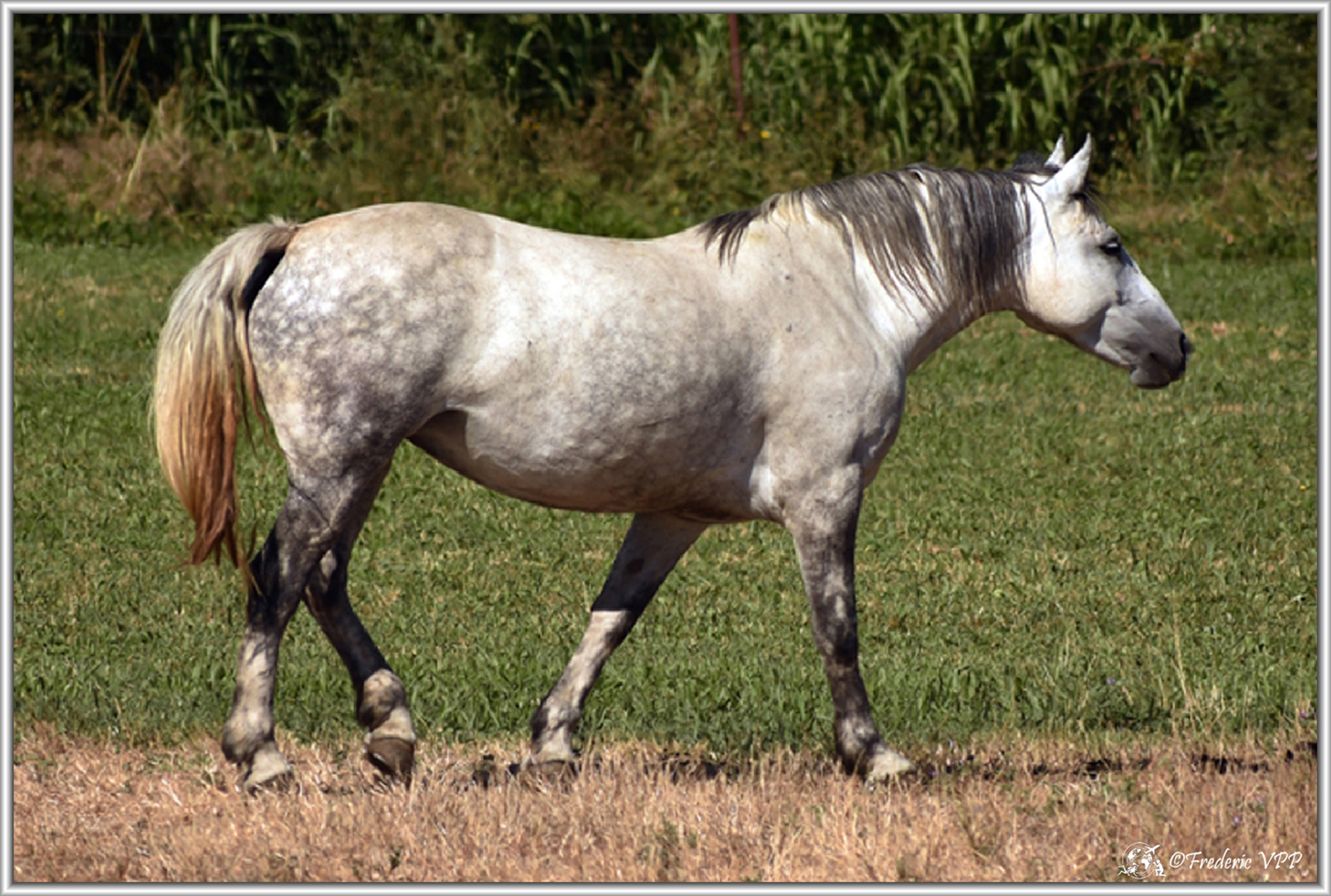
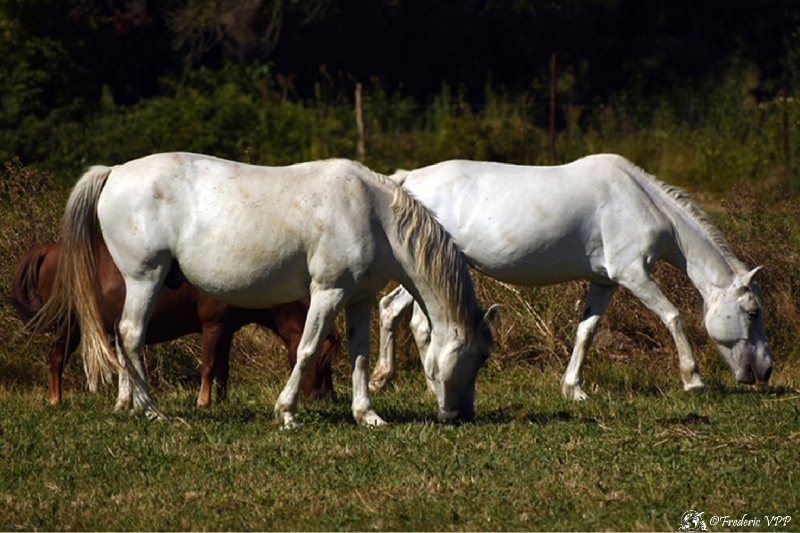
And finally, I couldn't end this tour of Provence without the horses, omnipresent in Provence and especially in the Camargue.
|
|
Sorry if the links are outdated or not accessible
|


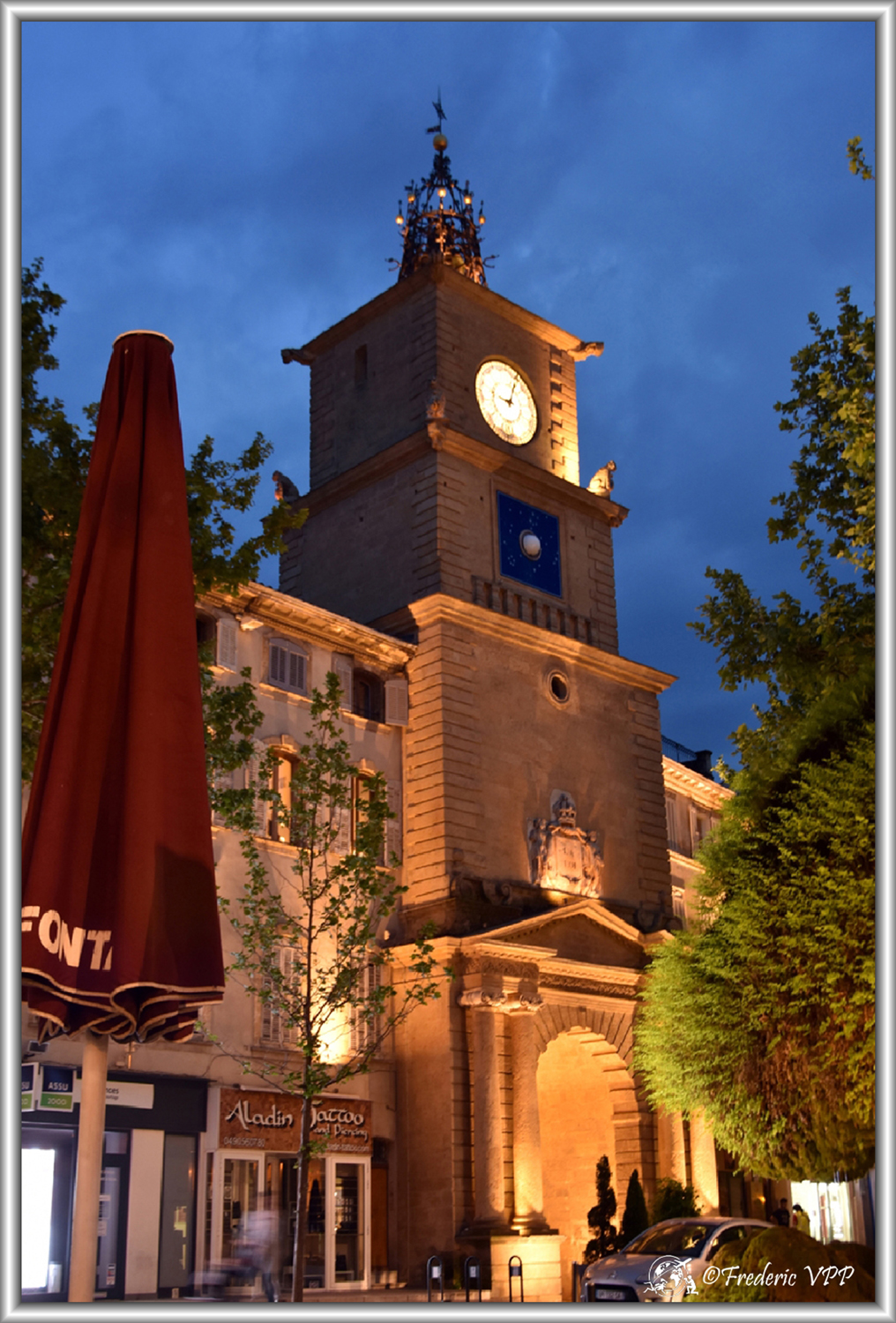


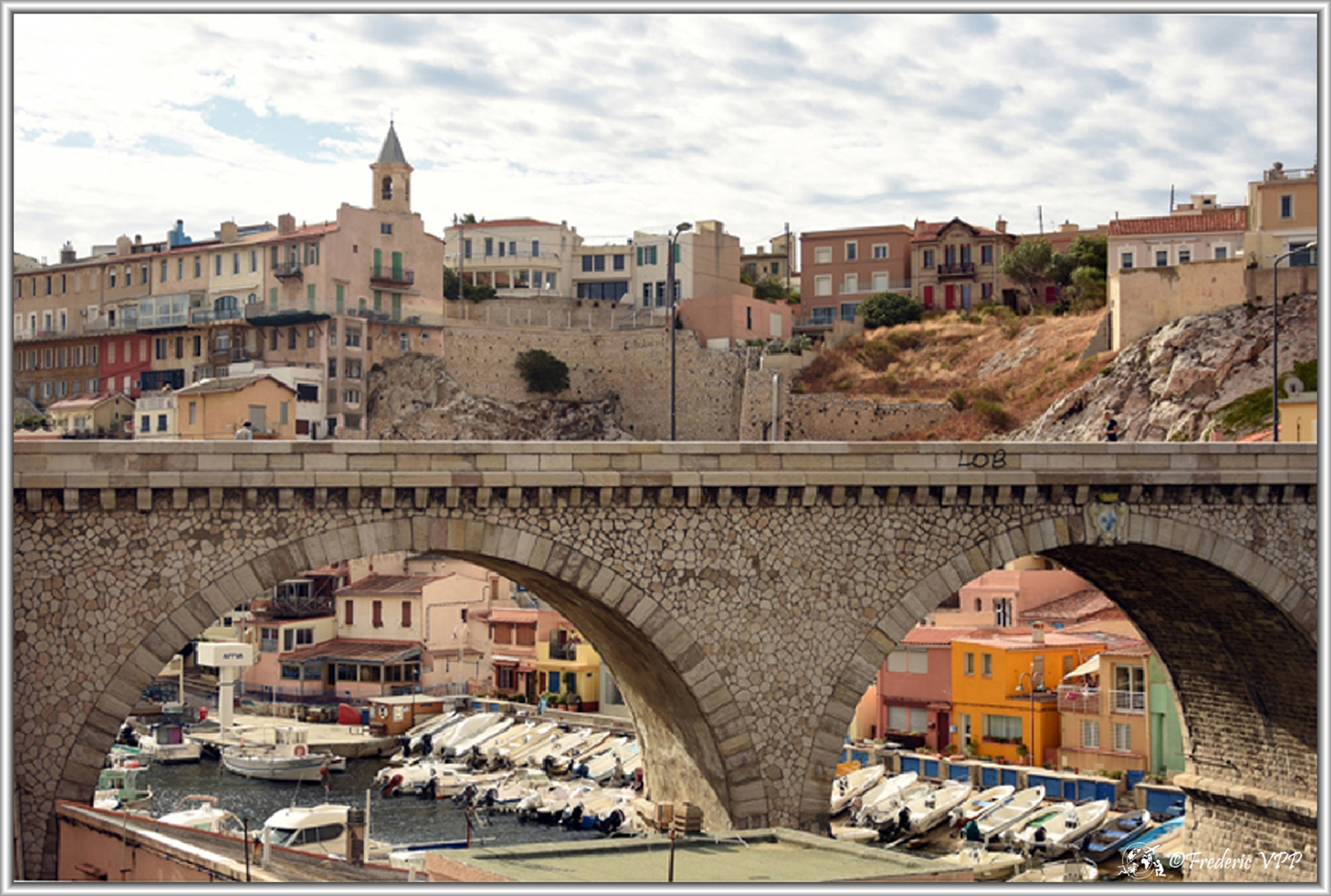


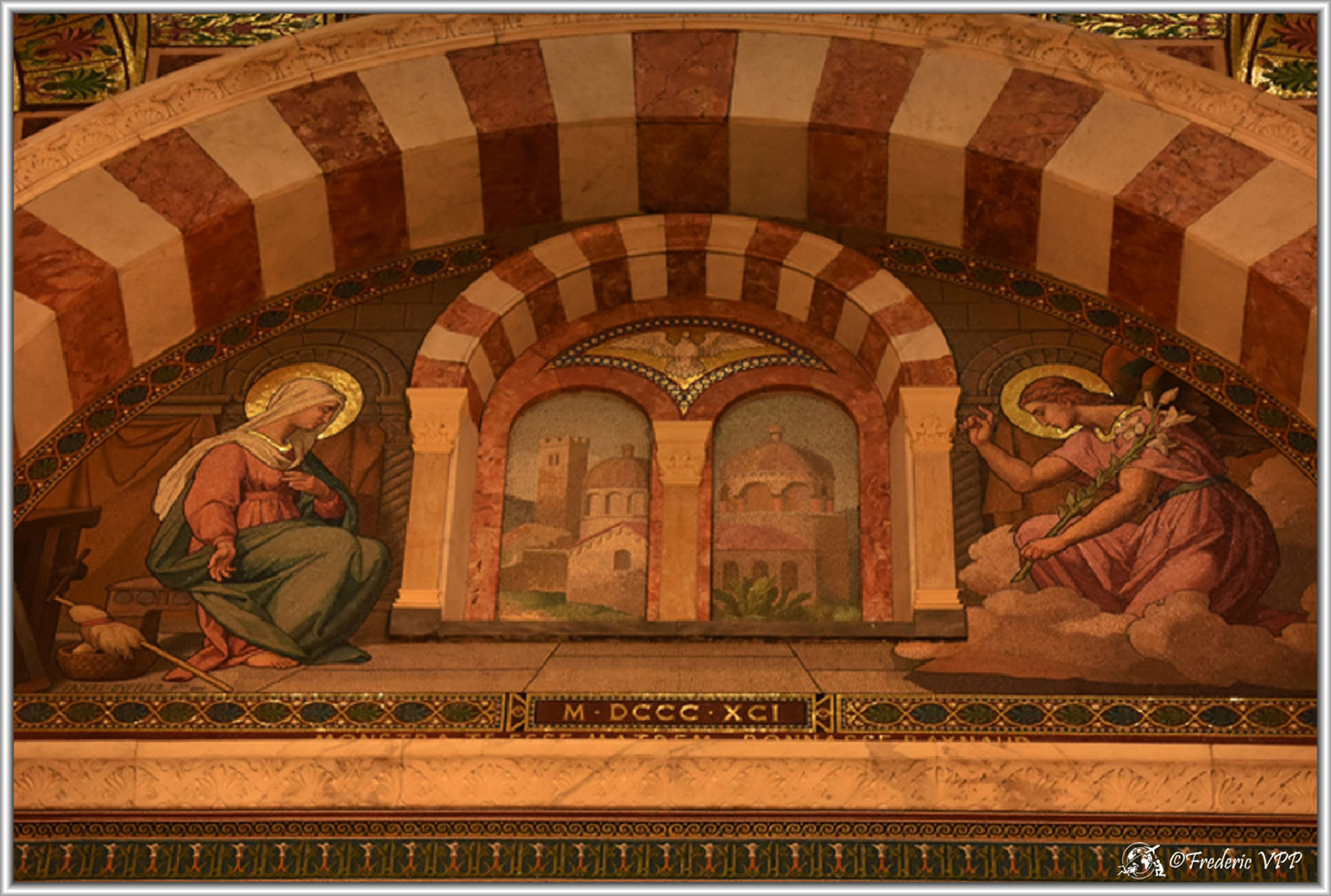
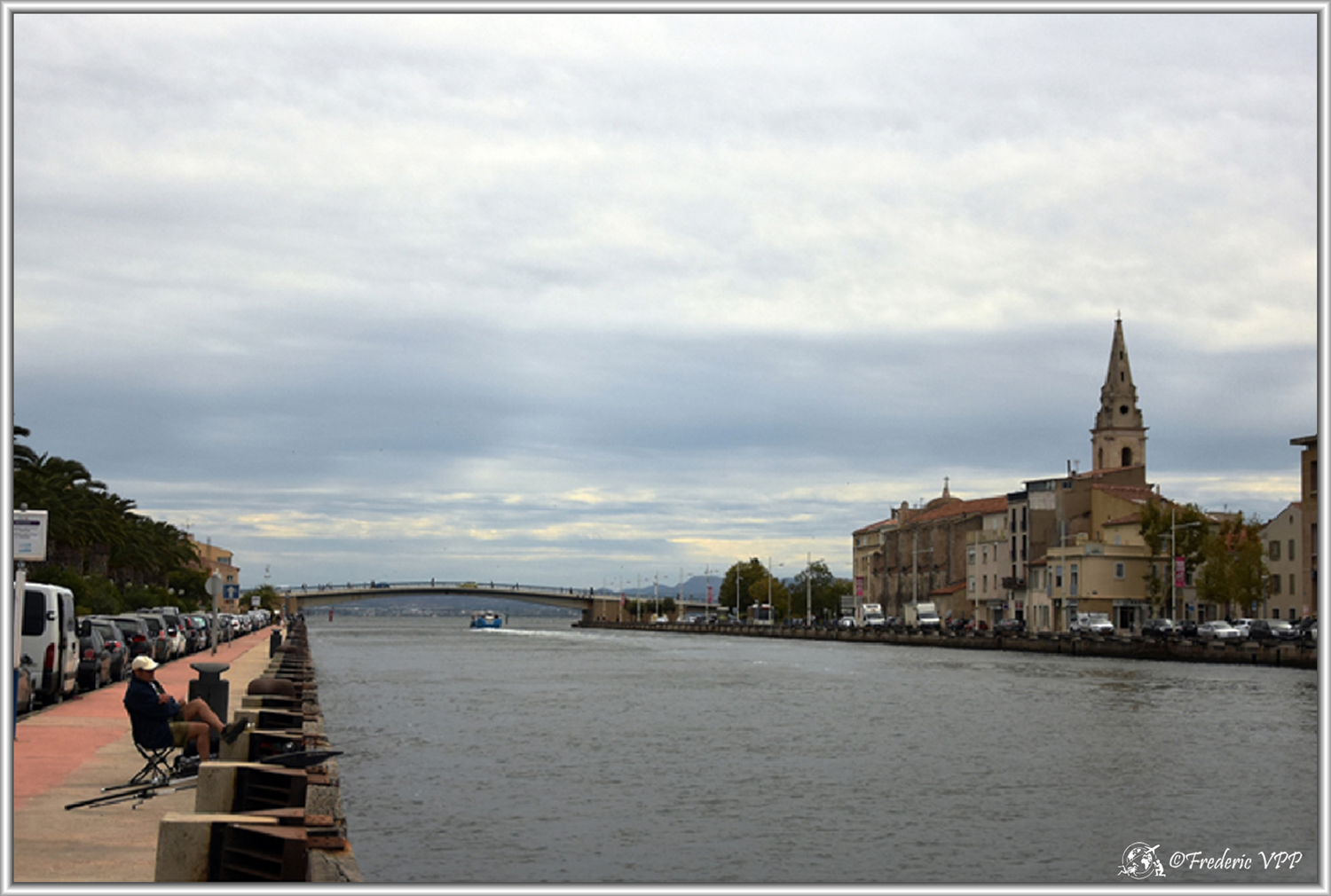
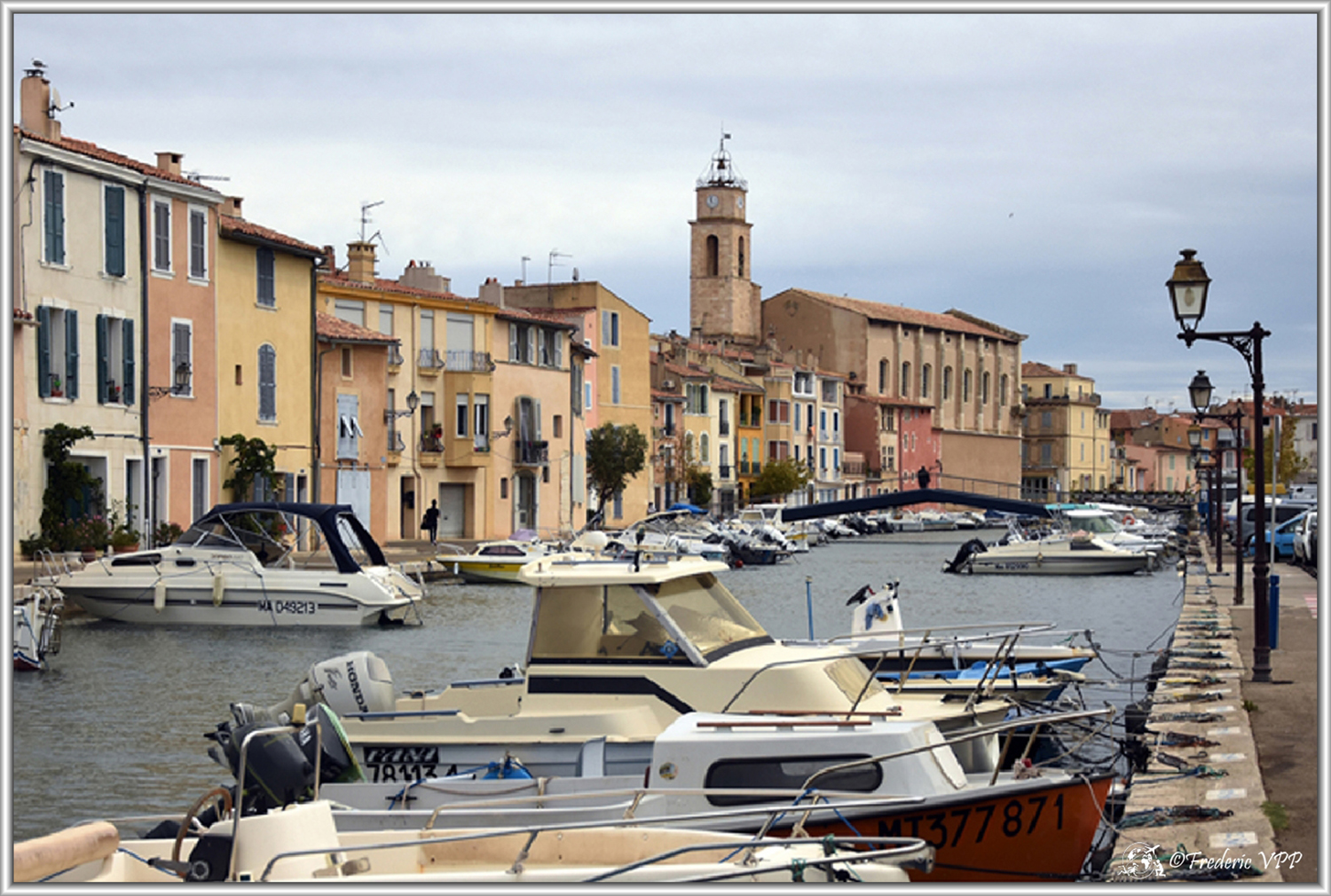
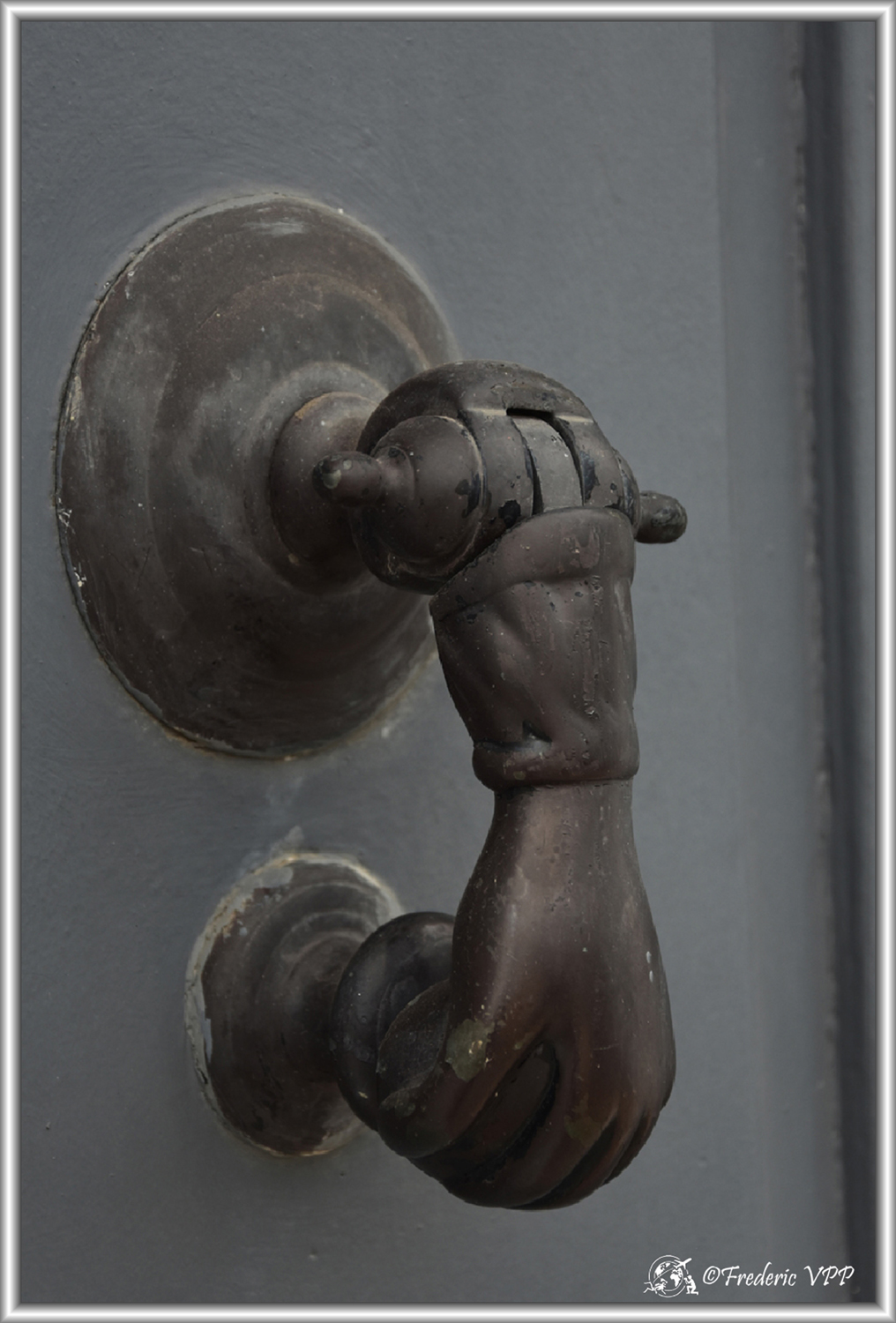


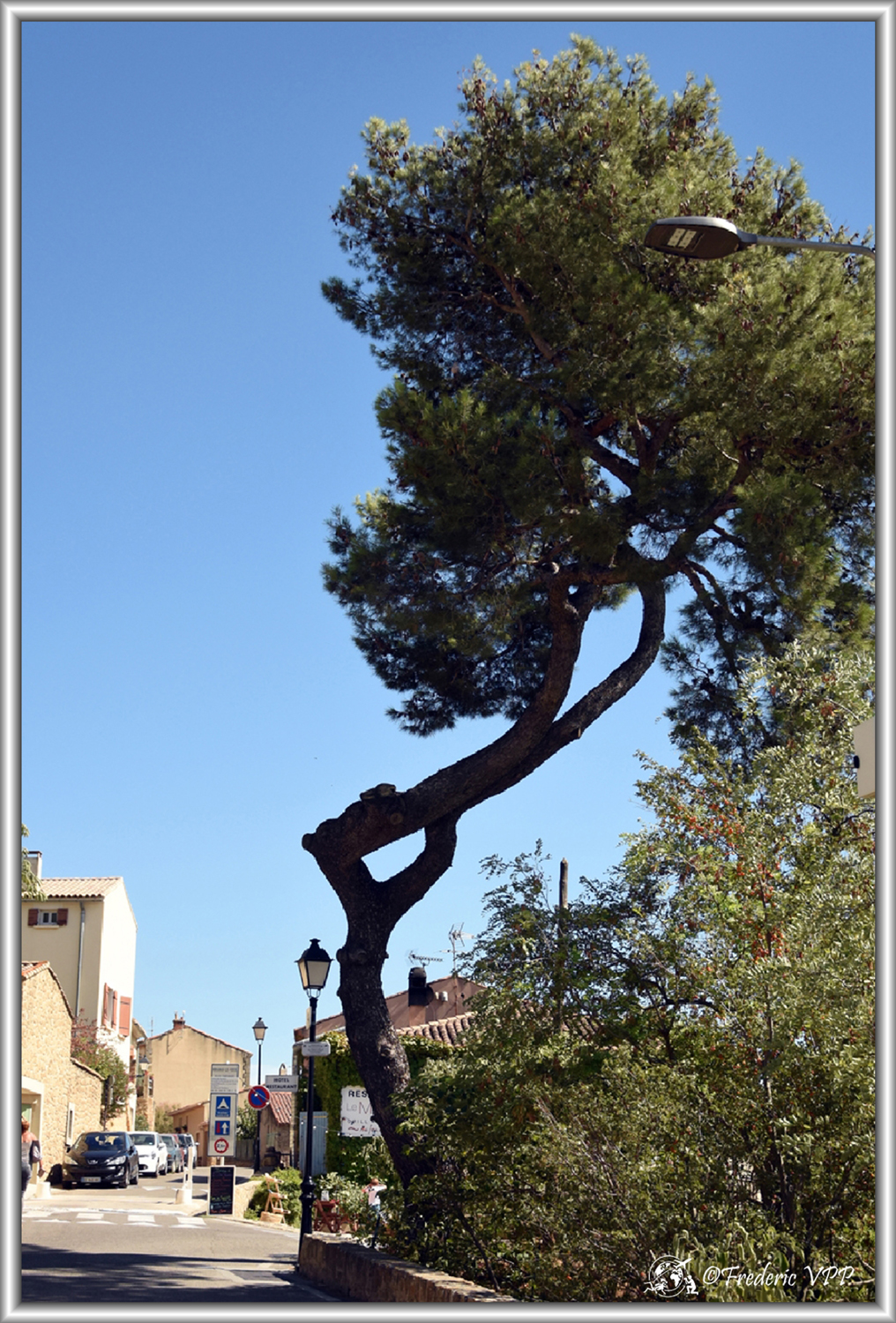


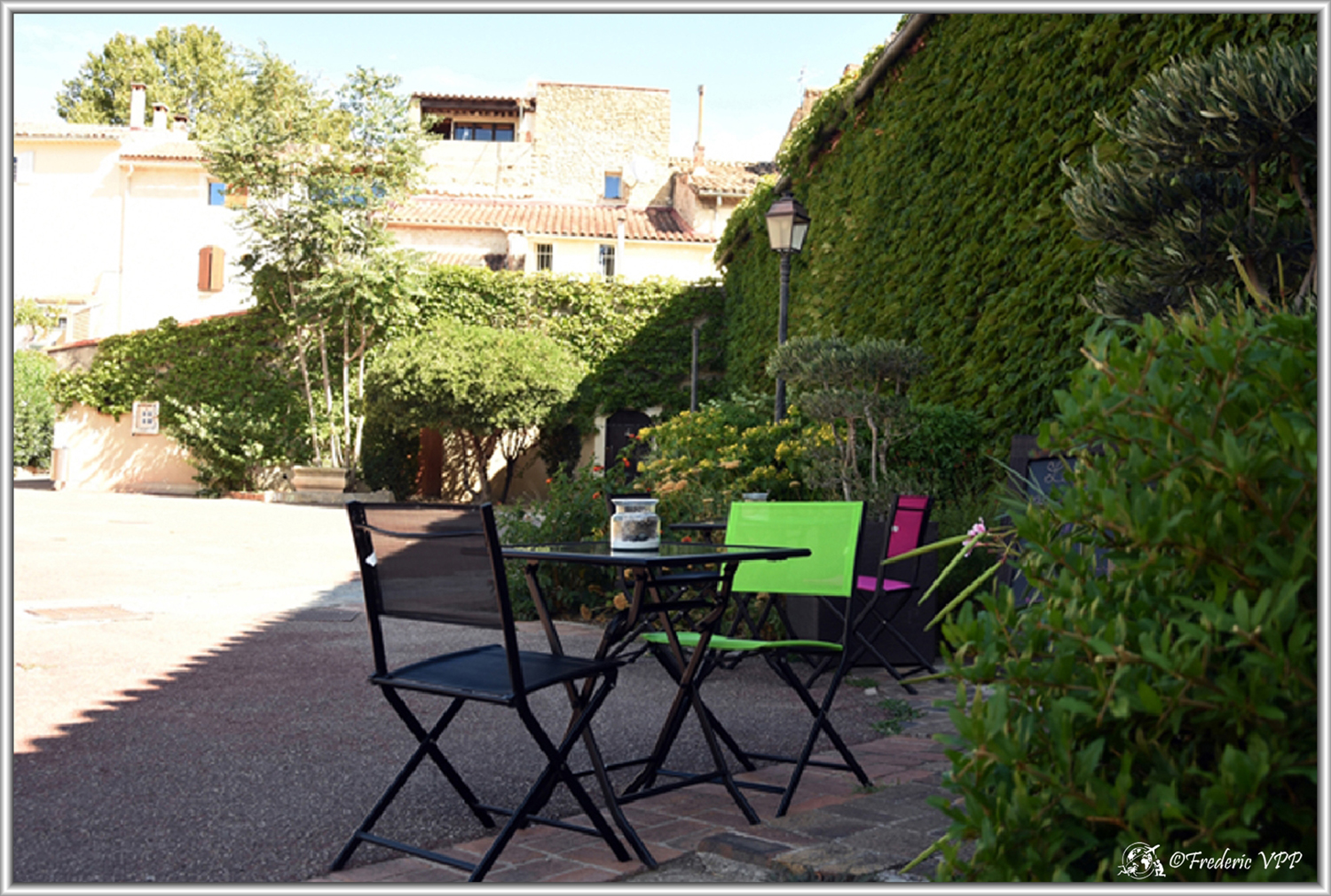


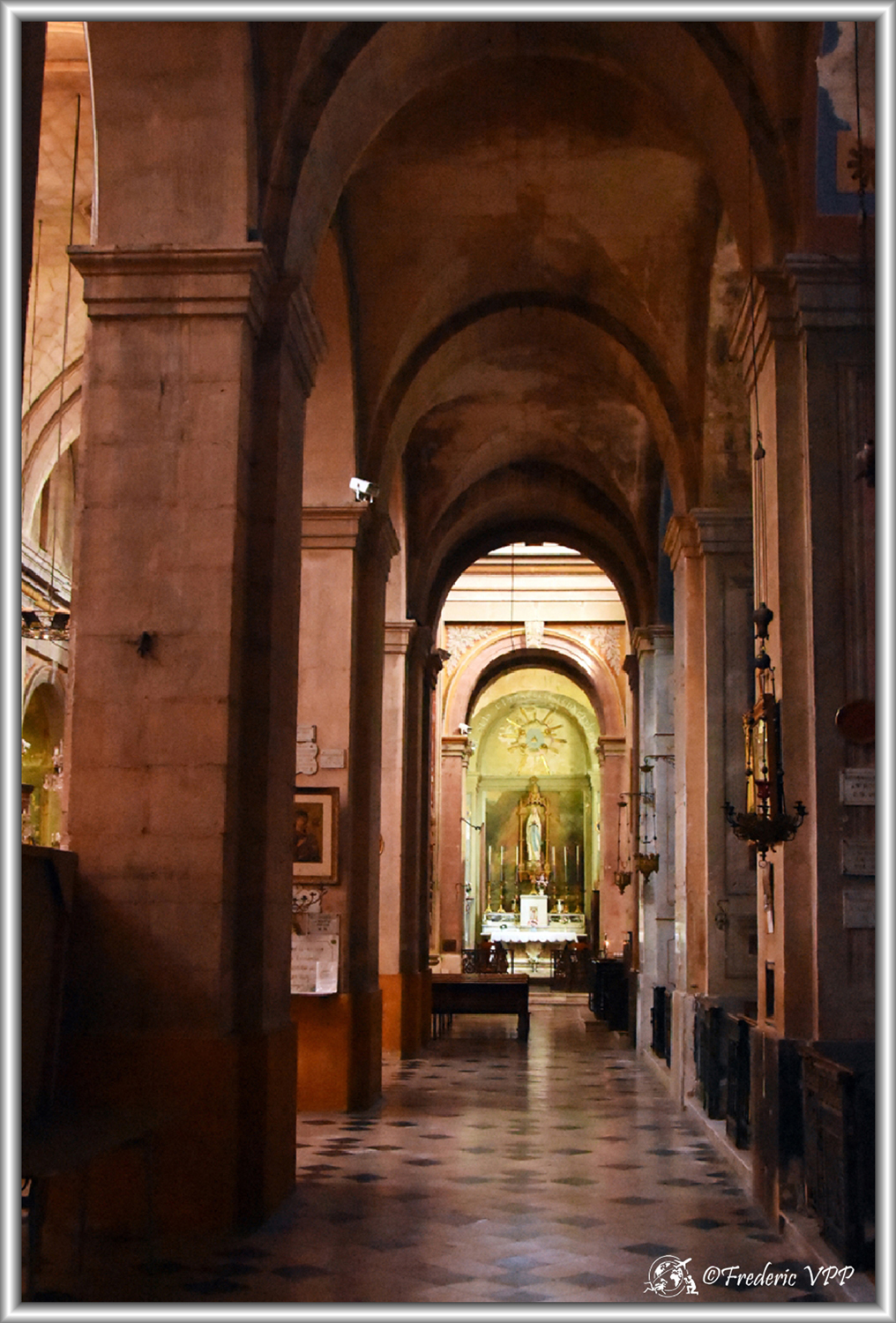


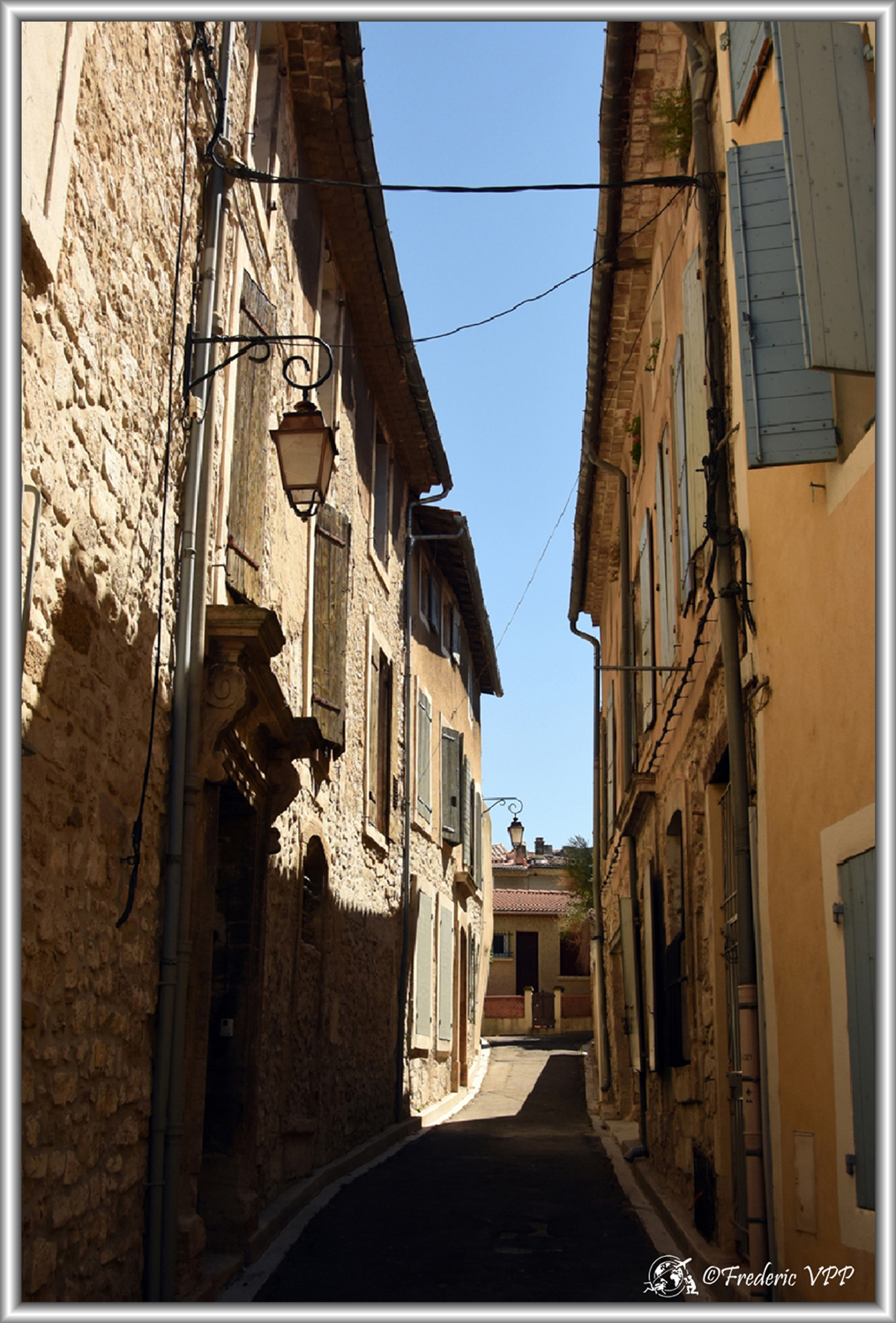


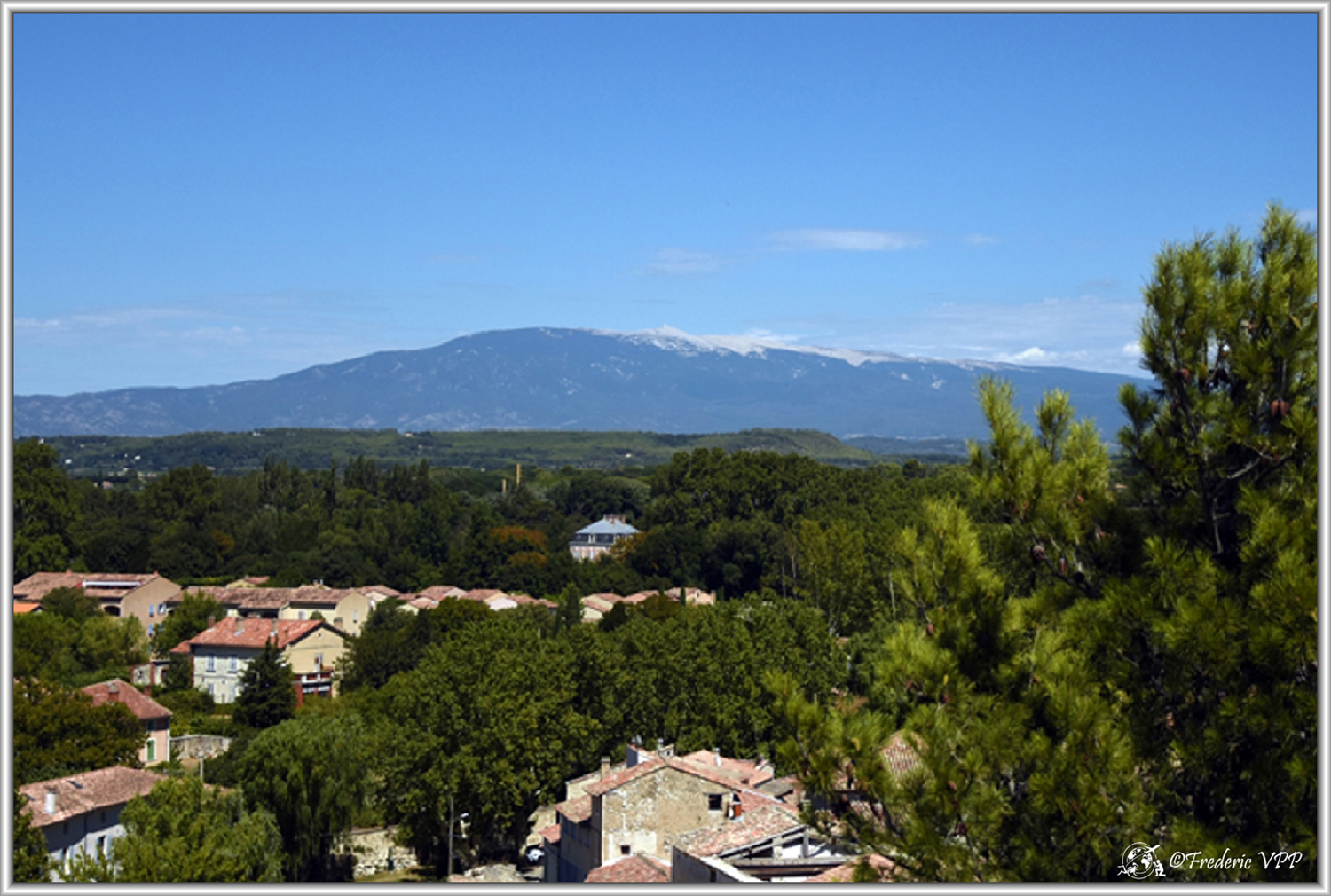


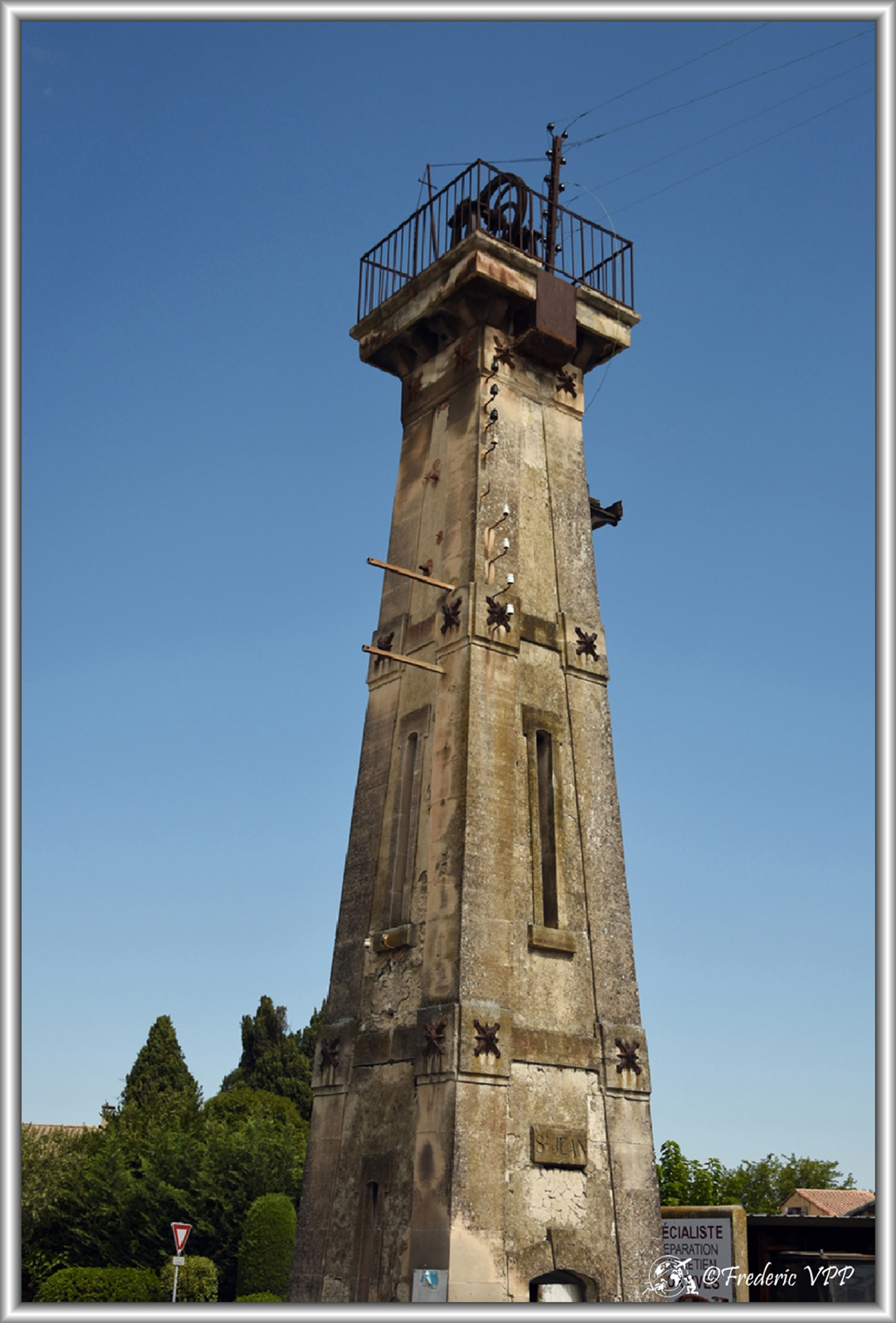





A discovery of: Salon de Provence, Marseille, Martigues, Istres, Saint-Chamas, Miramas-le-vieux, Vaucluse with Pernes-Les-Fontaines, Baux-de-Provence and Saint-Rémy de Provence.