Delhi and Agra
Delhi and Agra, India, 6 days, November 2019
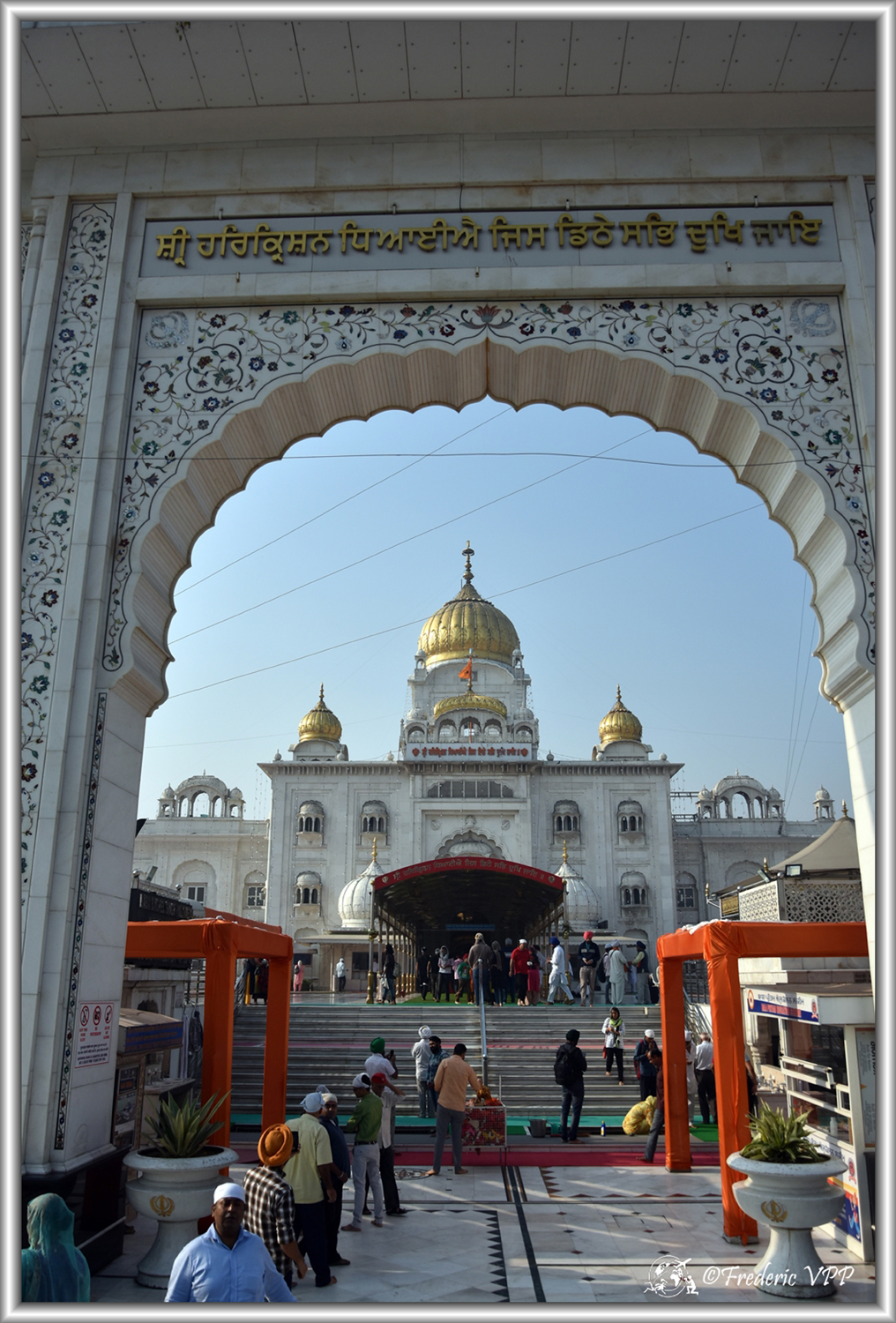
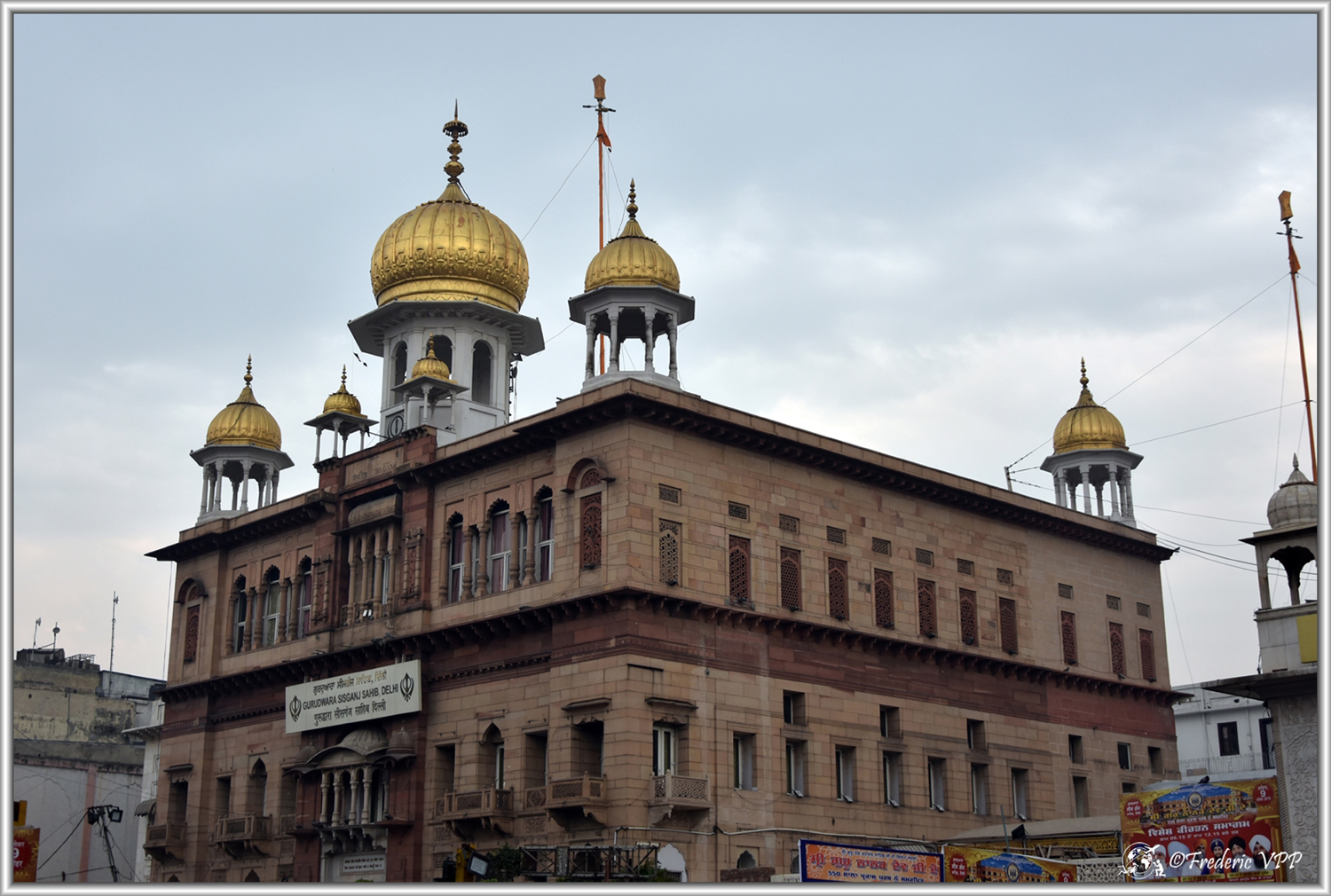
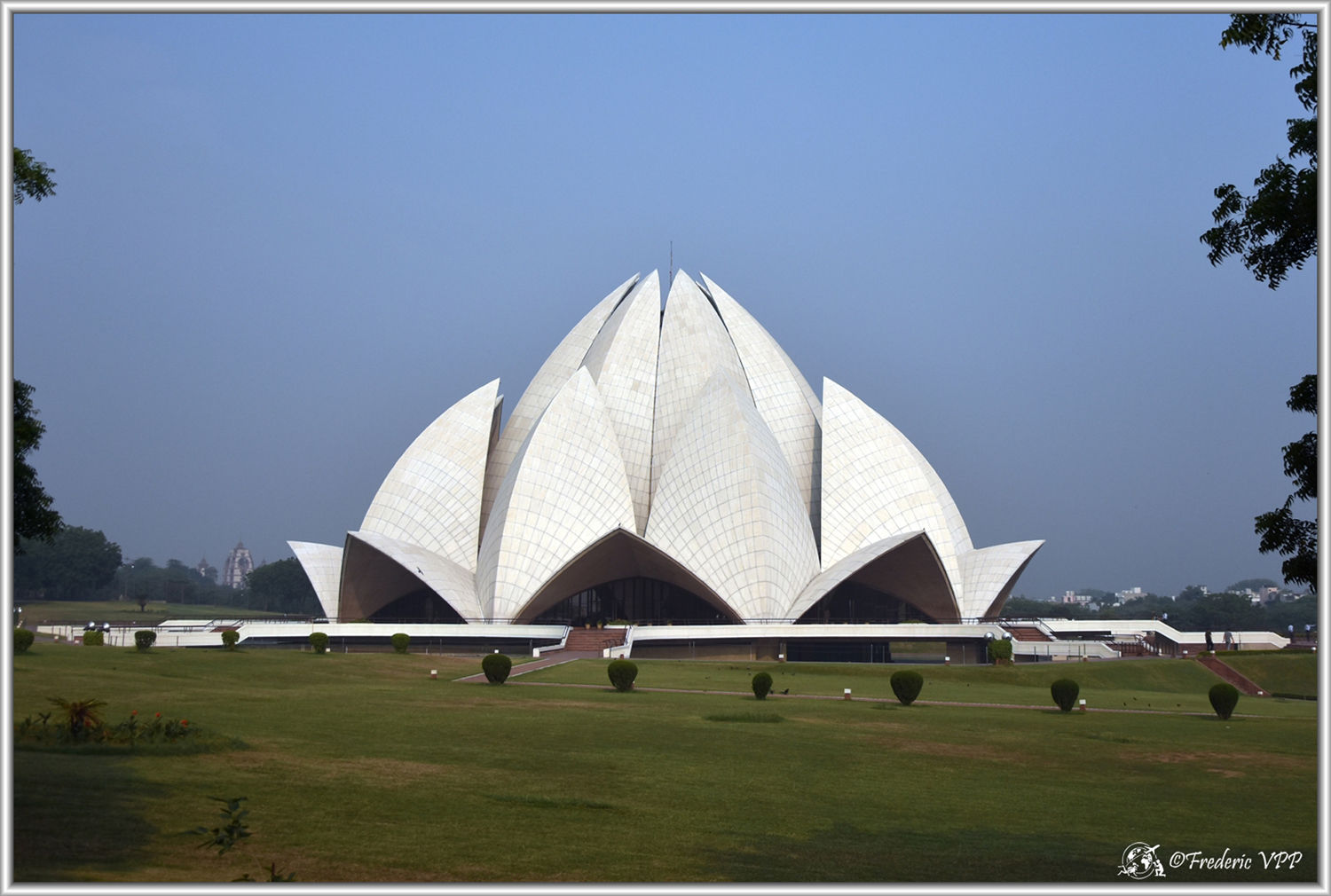
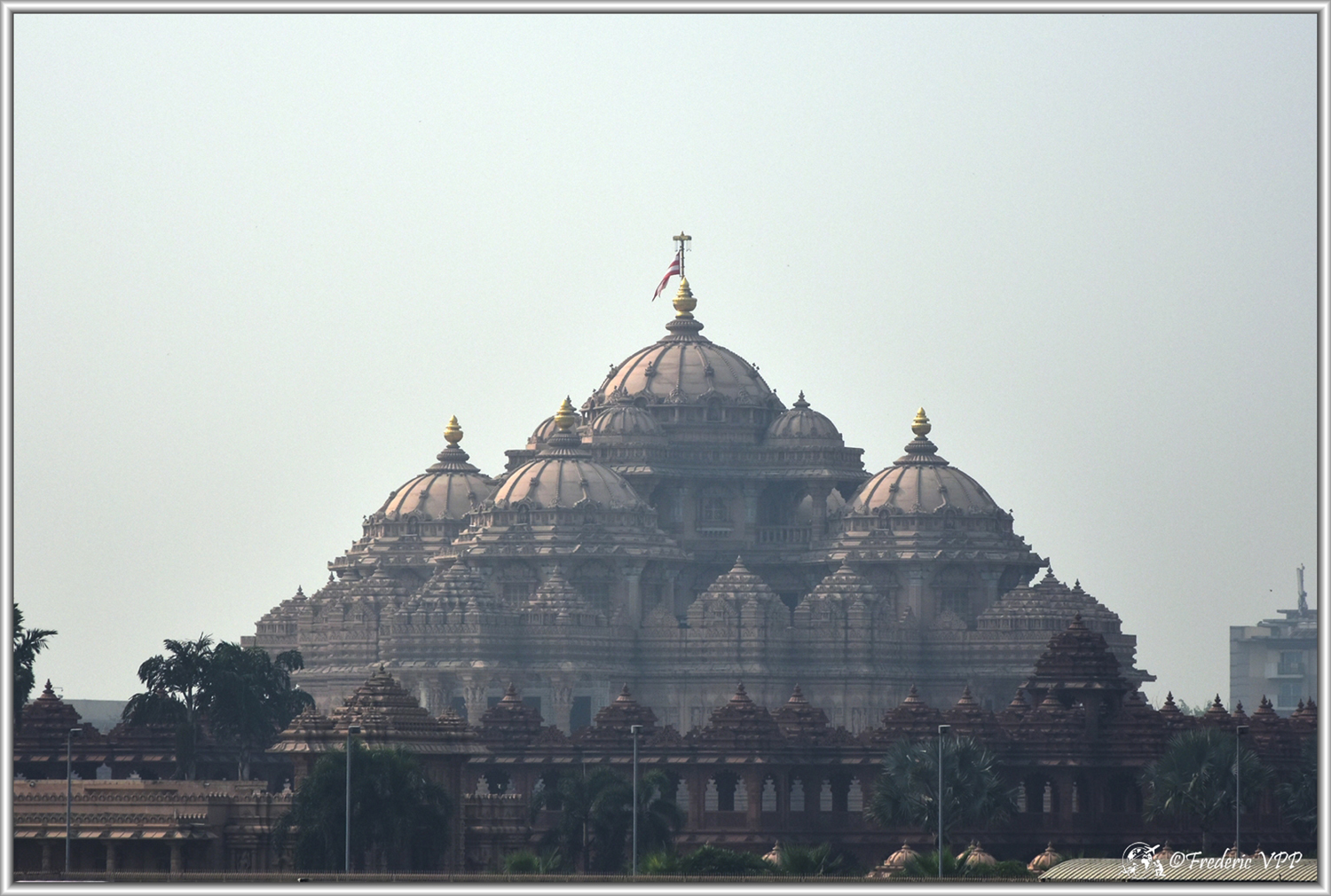
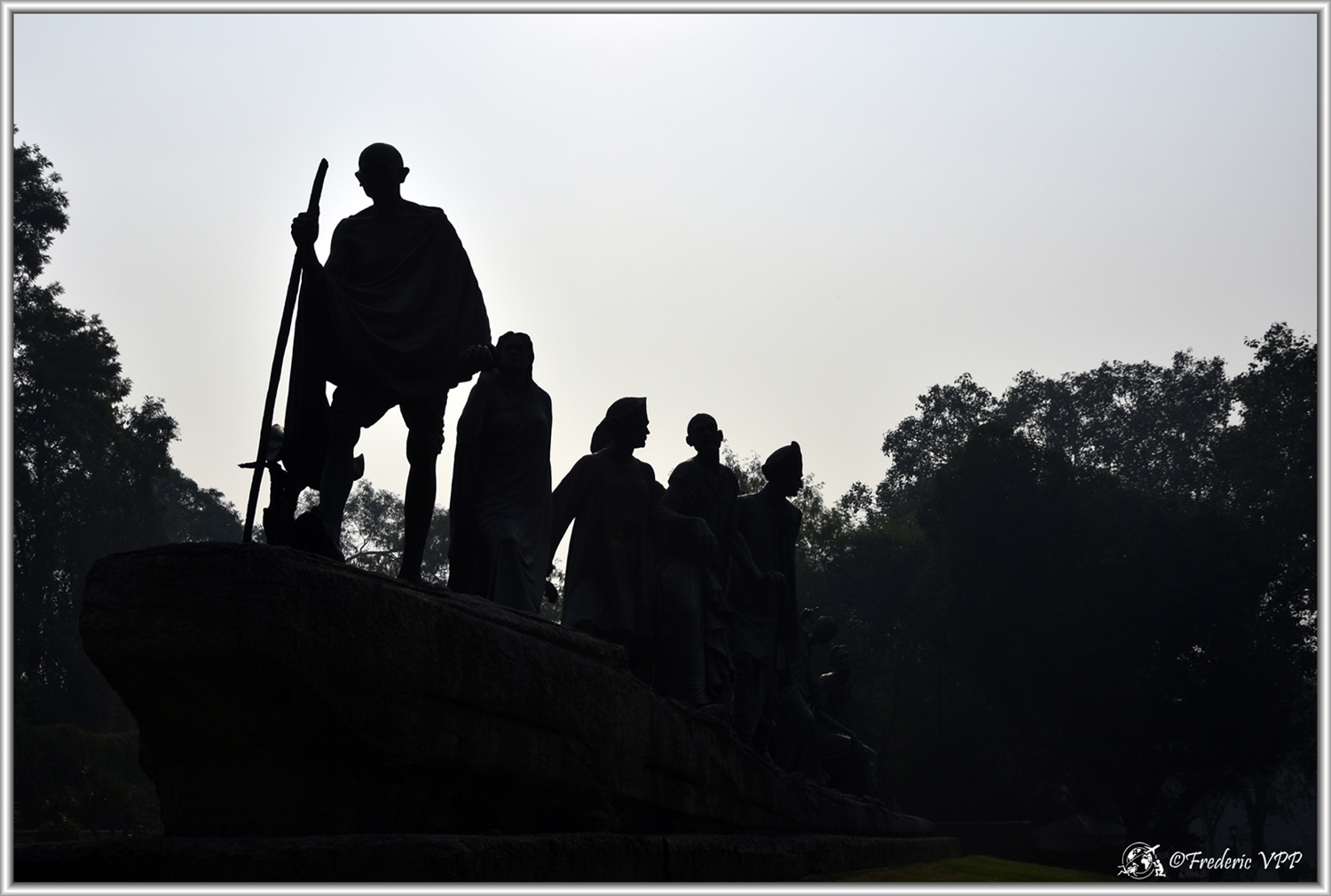
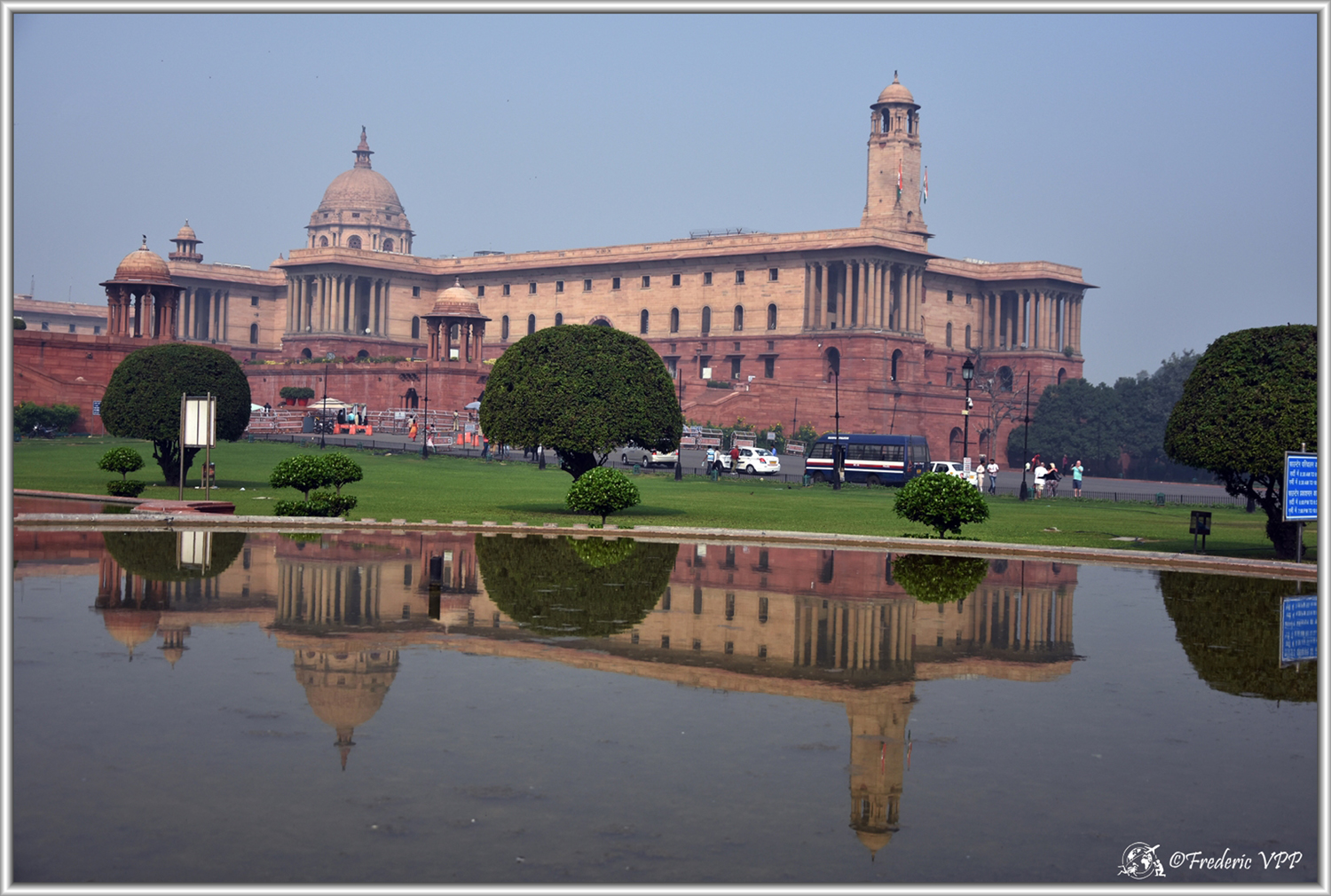
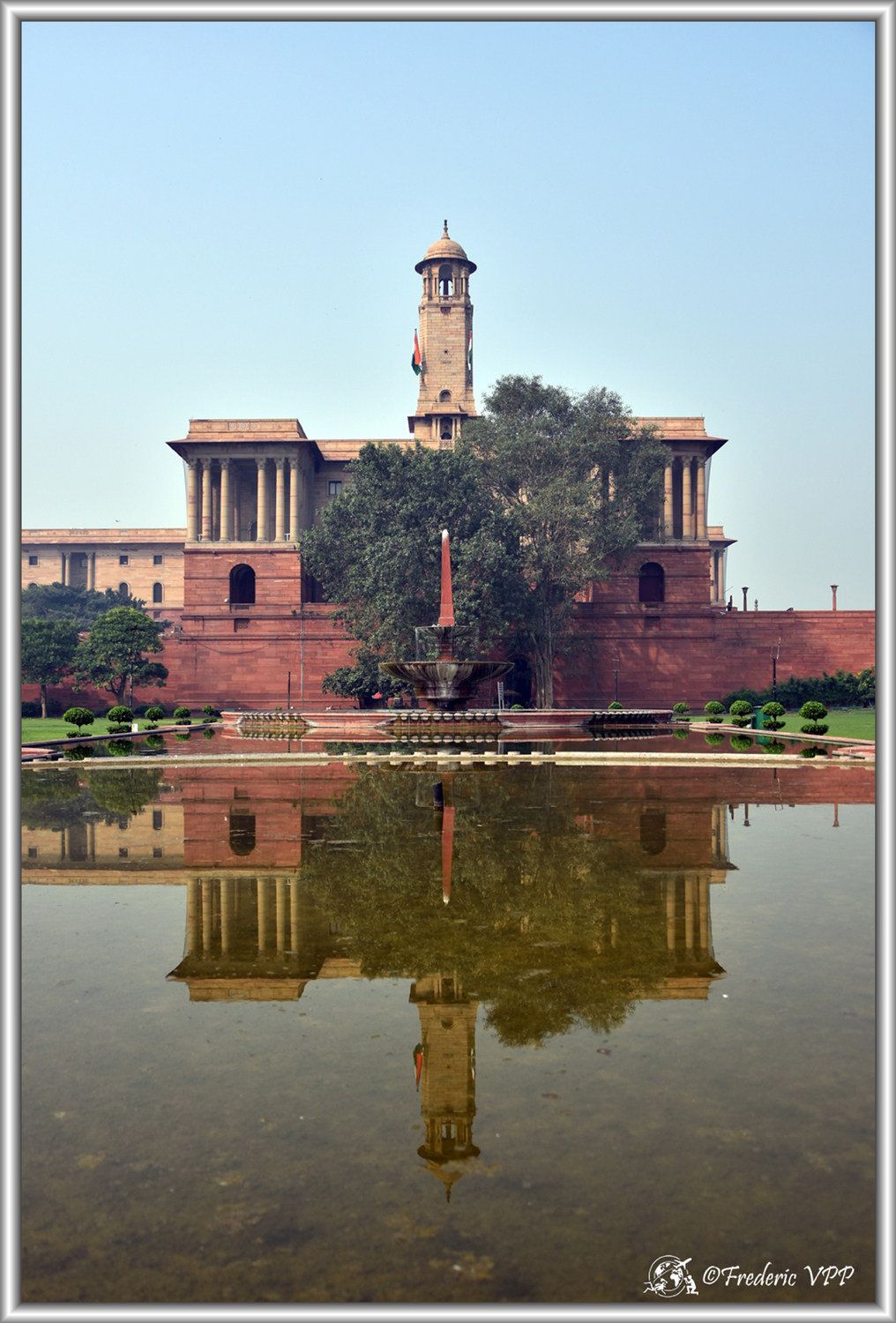
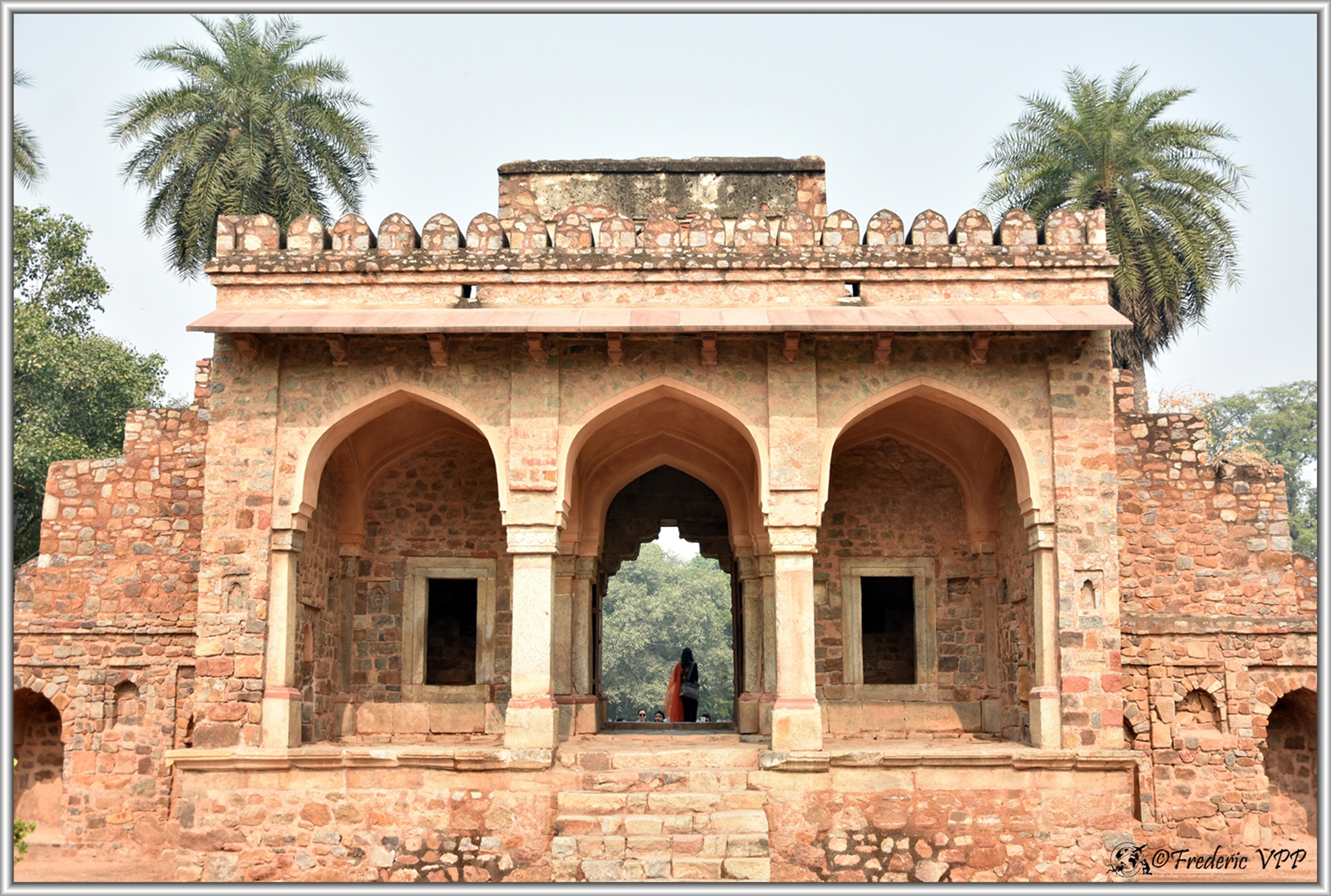
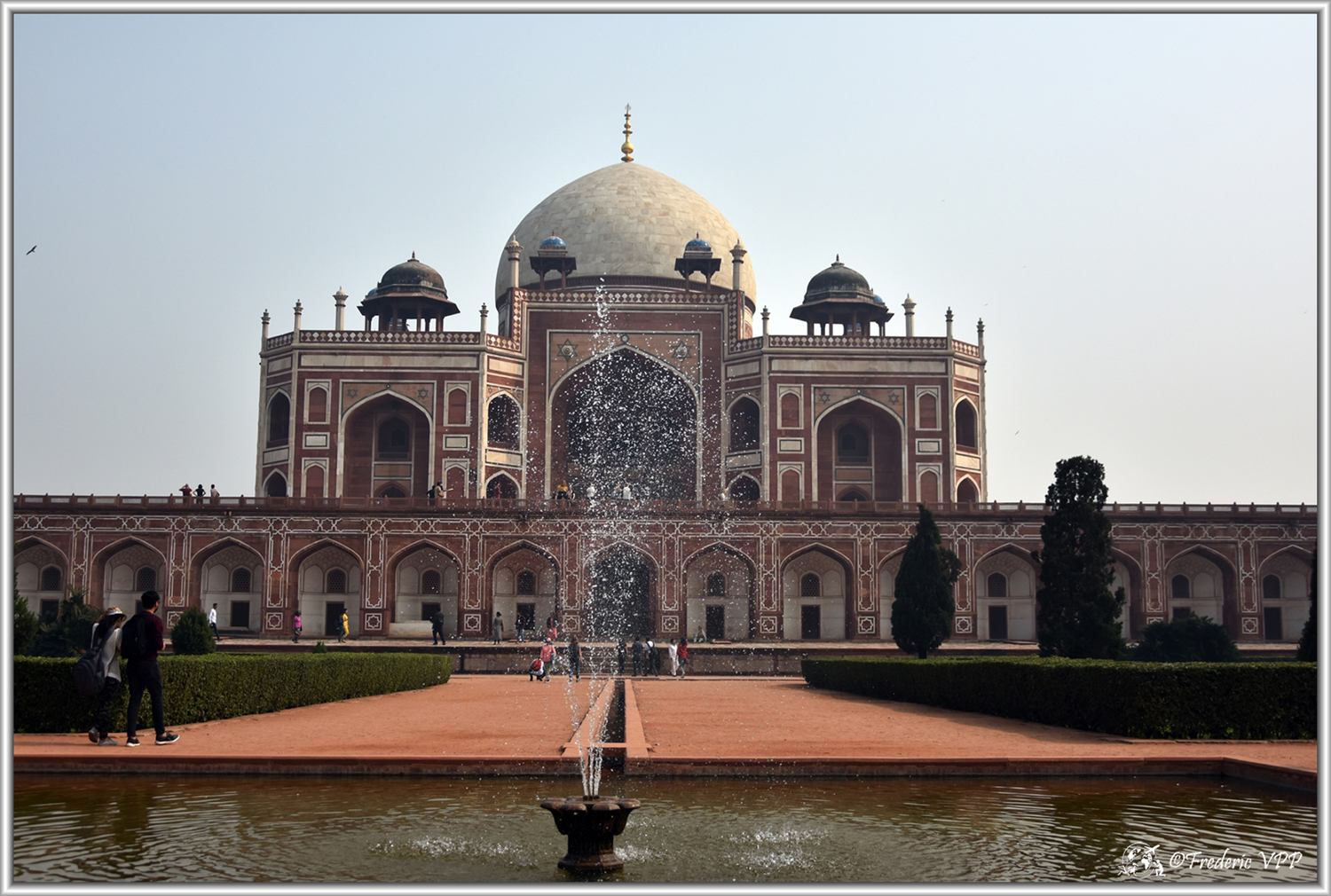
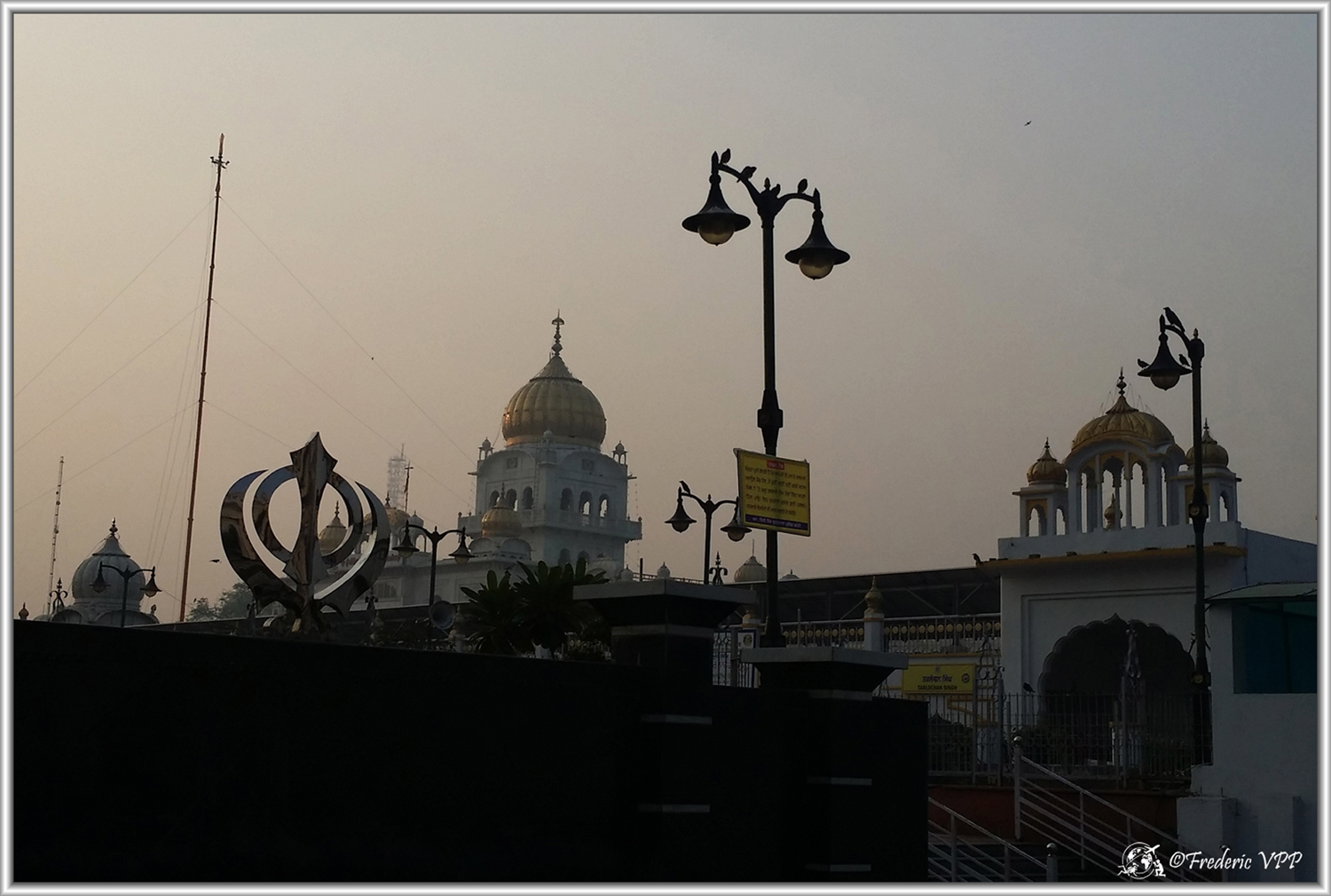
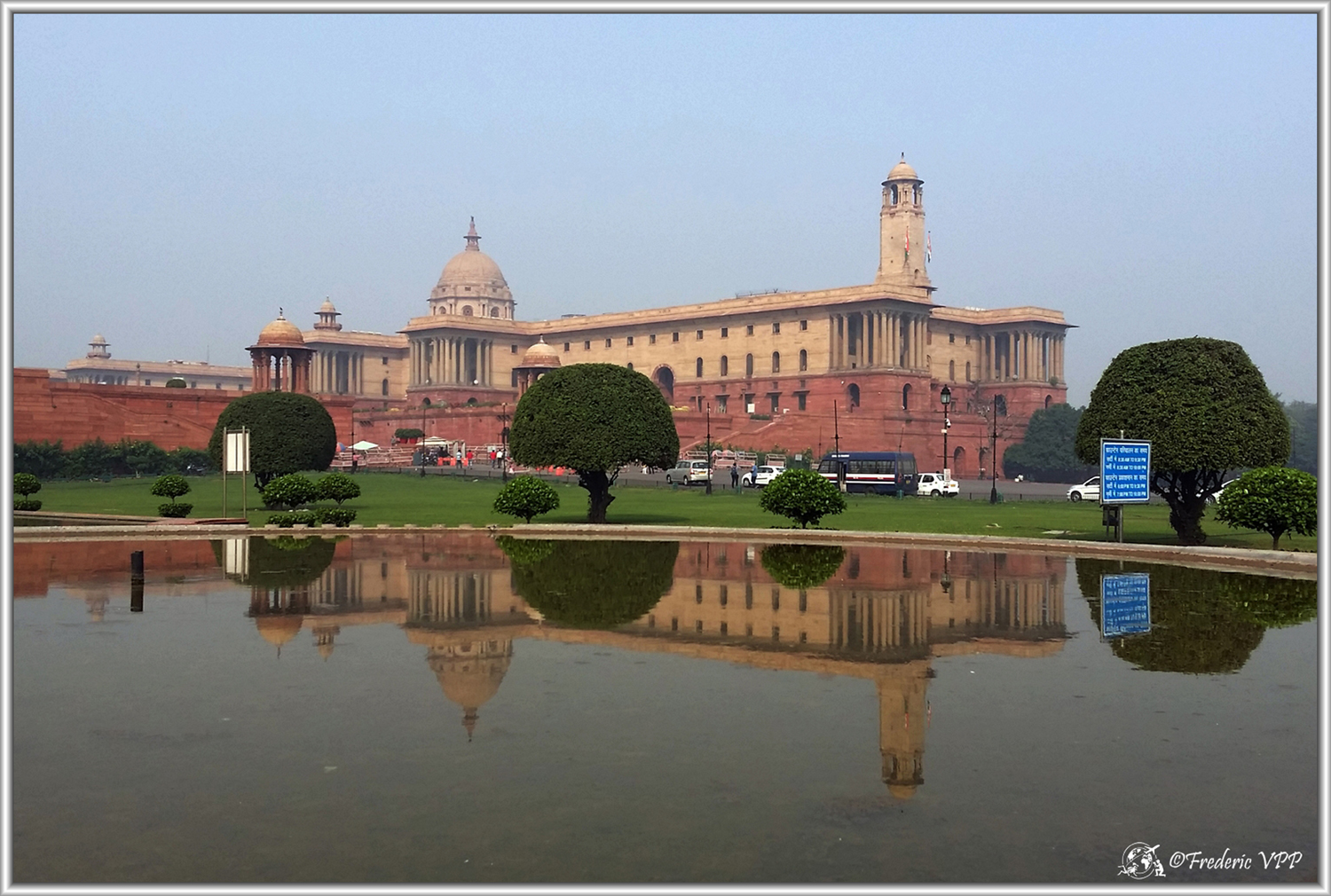
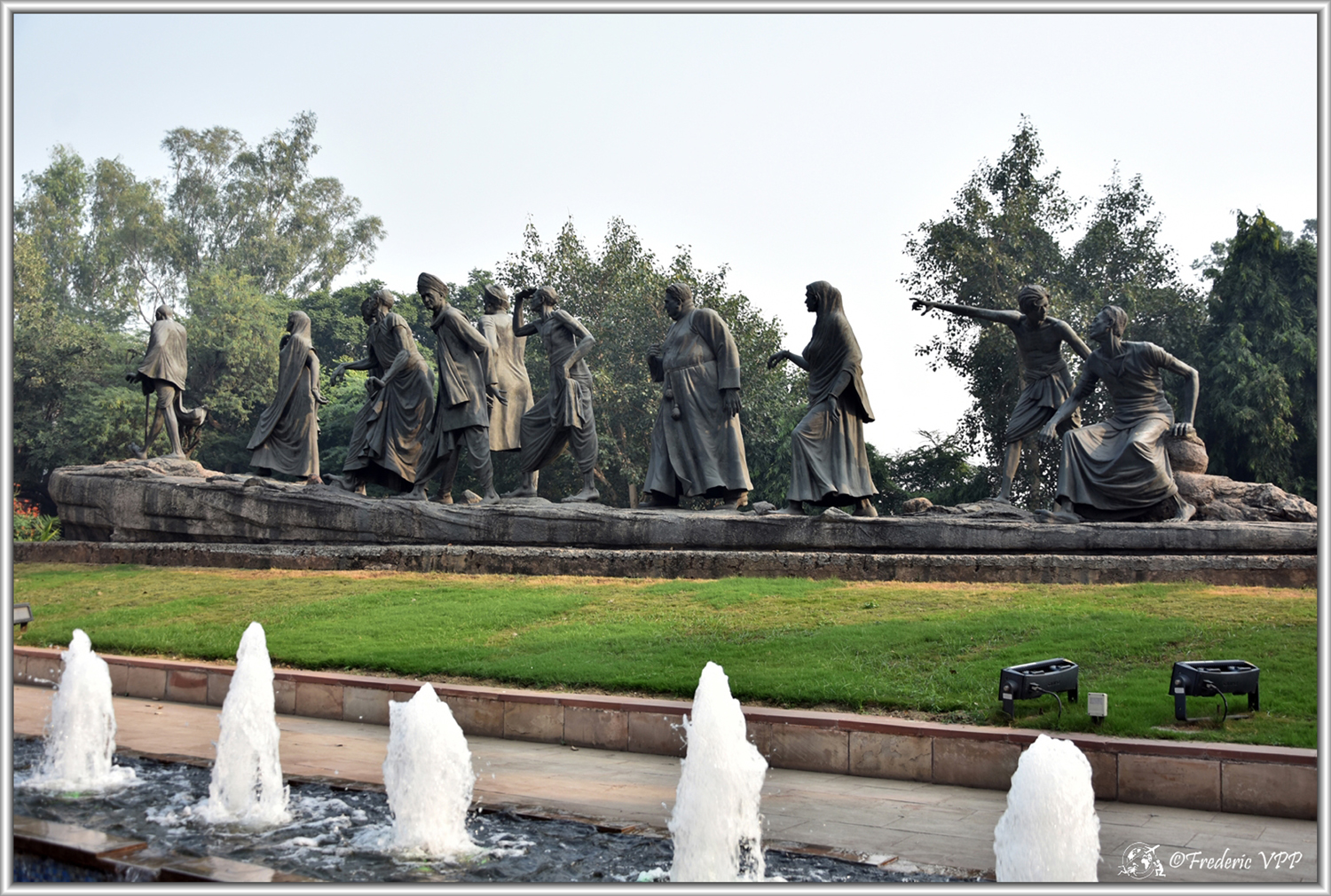
Delhi or New Delhi, difficult to navigate, Delhi is a city in northern India and is home to New Delhi, the country's capital. If I understand correctly, two cities in one. So am I in Delhi or New Delhi...
|
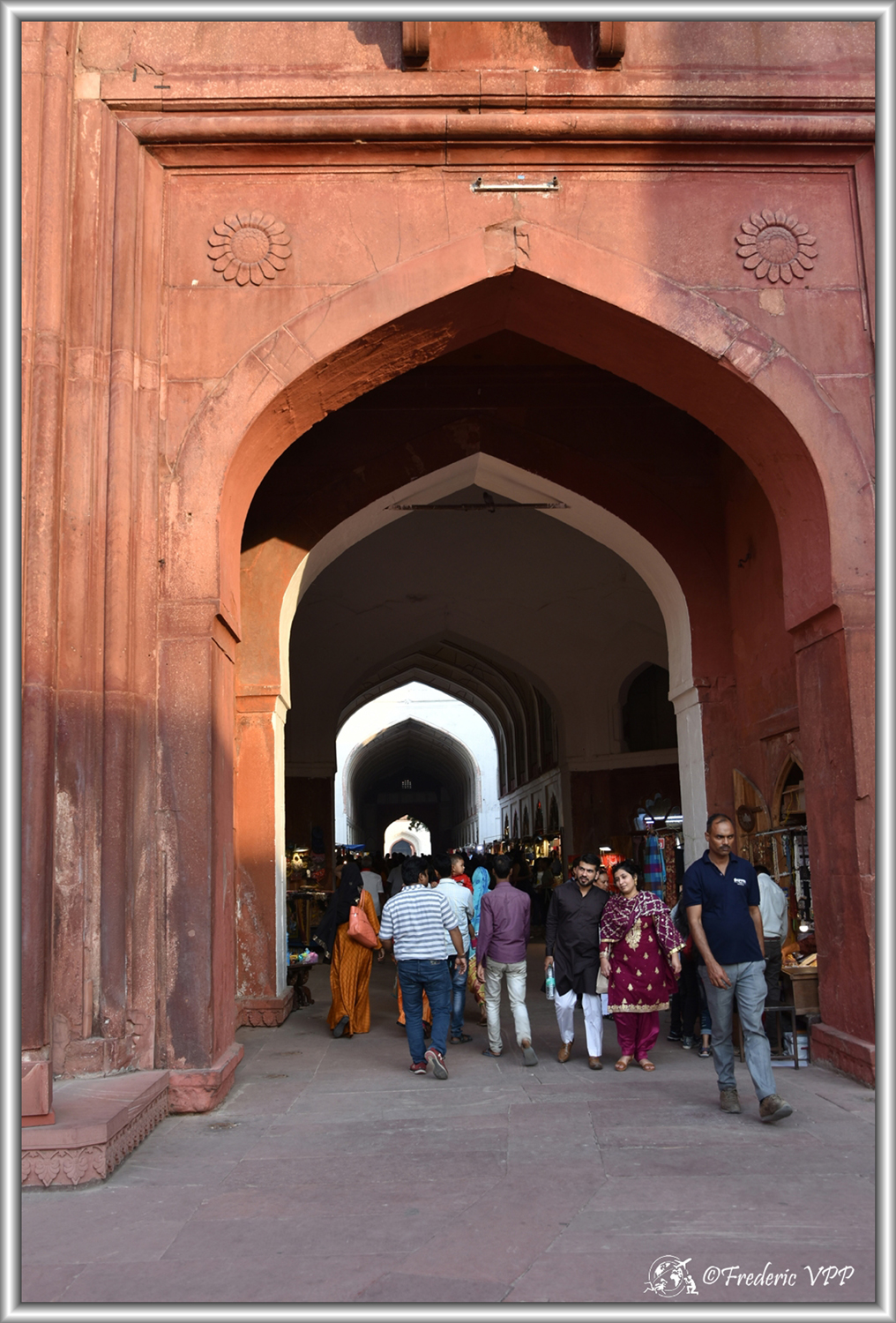
A very cosmopolitan city. My hotel is at Connaugh Circle, the central point of the subway. A huge place since its outer part must be within 5km (3.1mi). I was able to walk around Delhi (Old and New) more easily. I also took the metro card, valid for 3 days, not expensive and above all very practical. The metro remains the most practical and secure means of transport. A search is carried out at each entrance and x-rays on luggage.
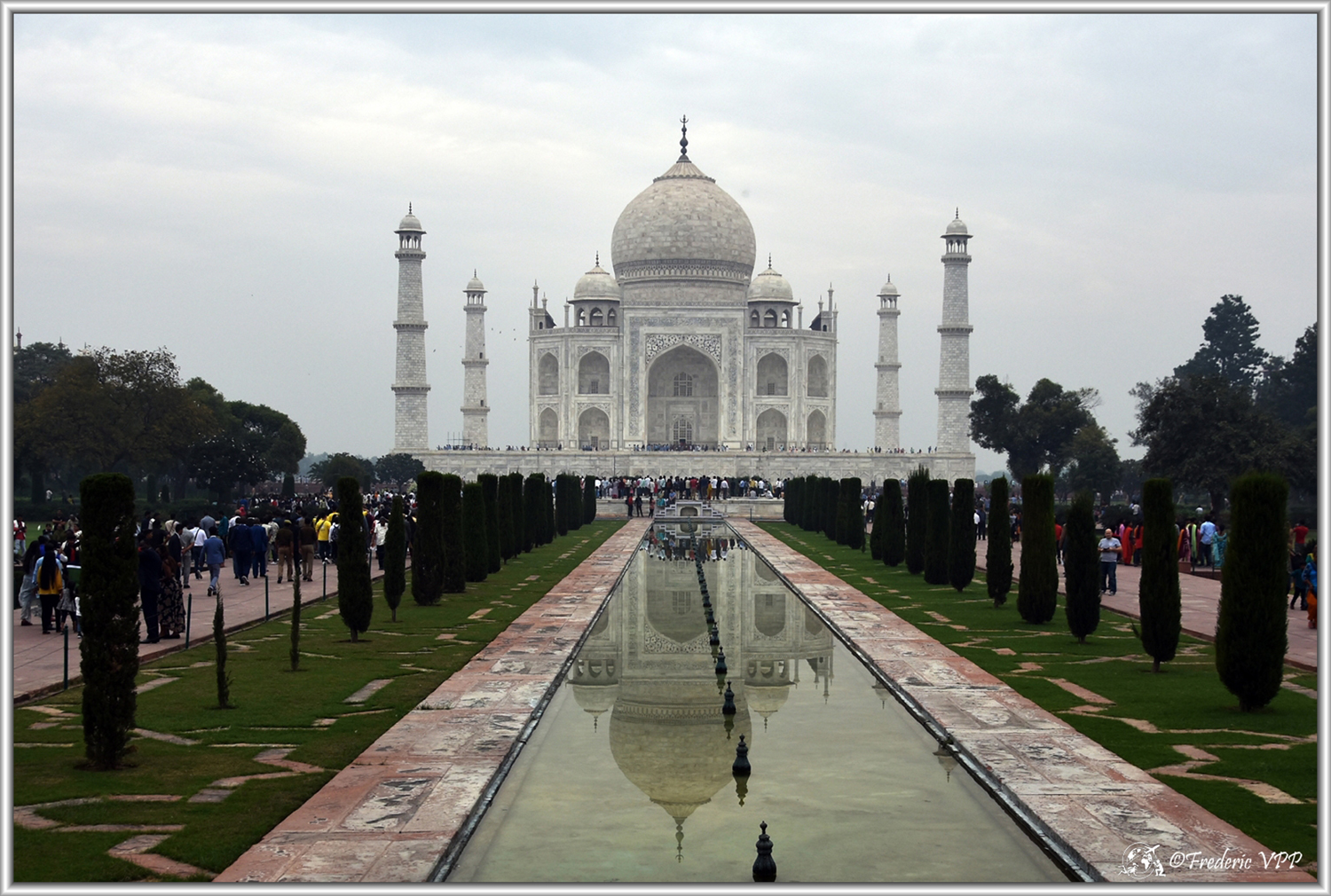
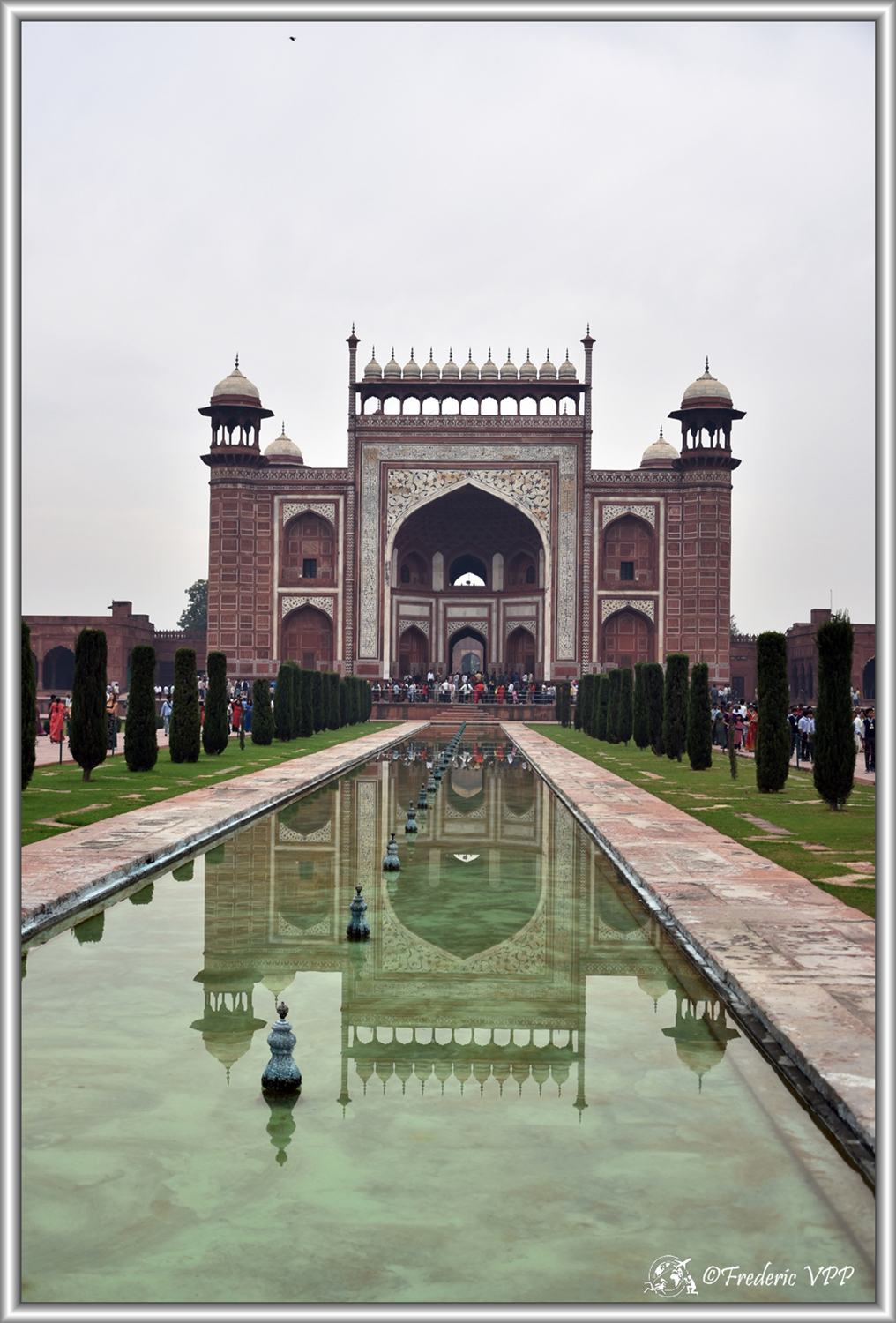
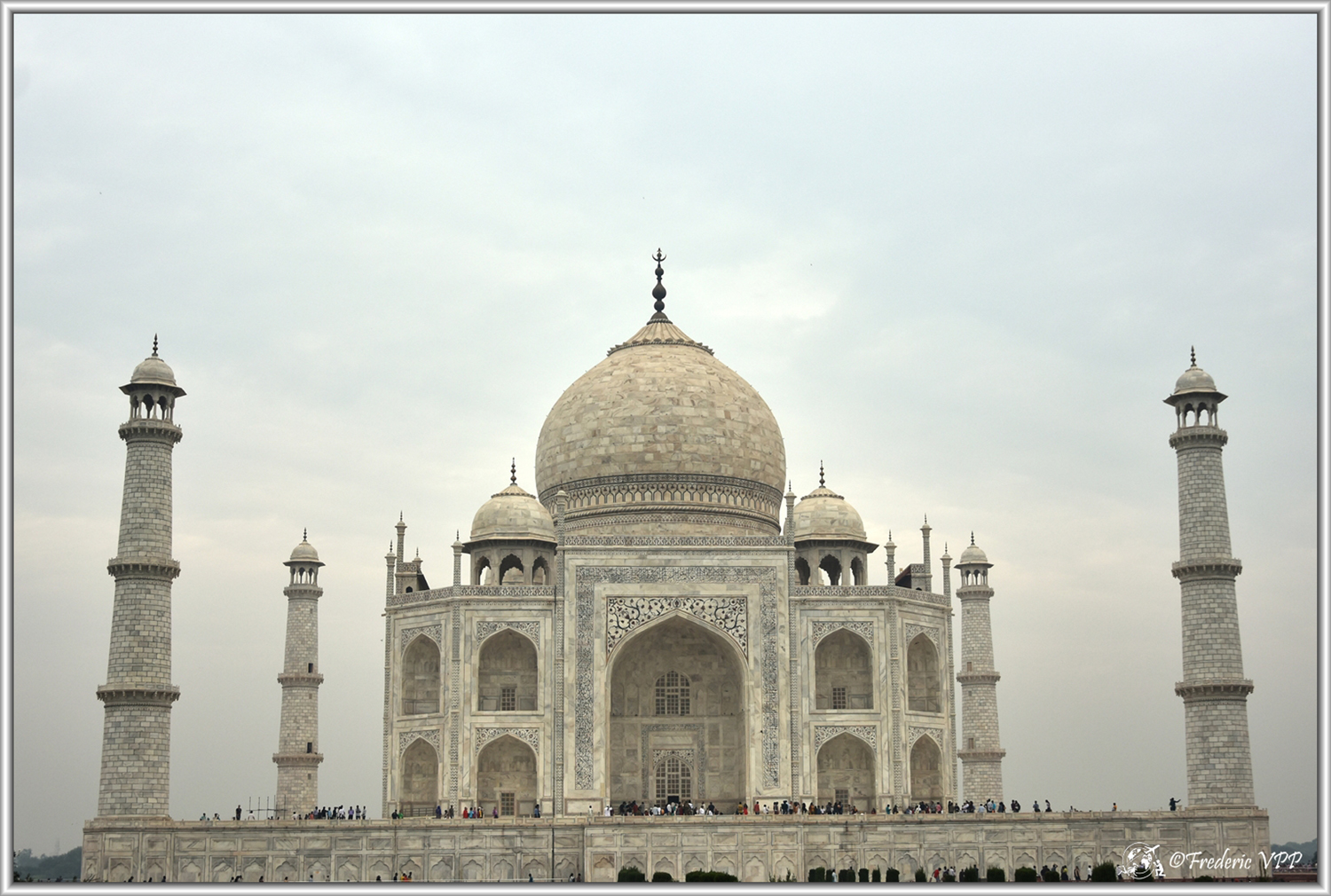
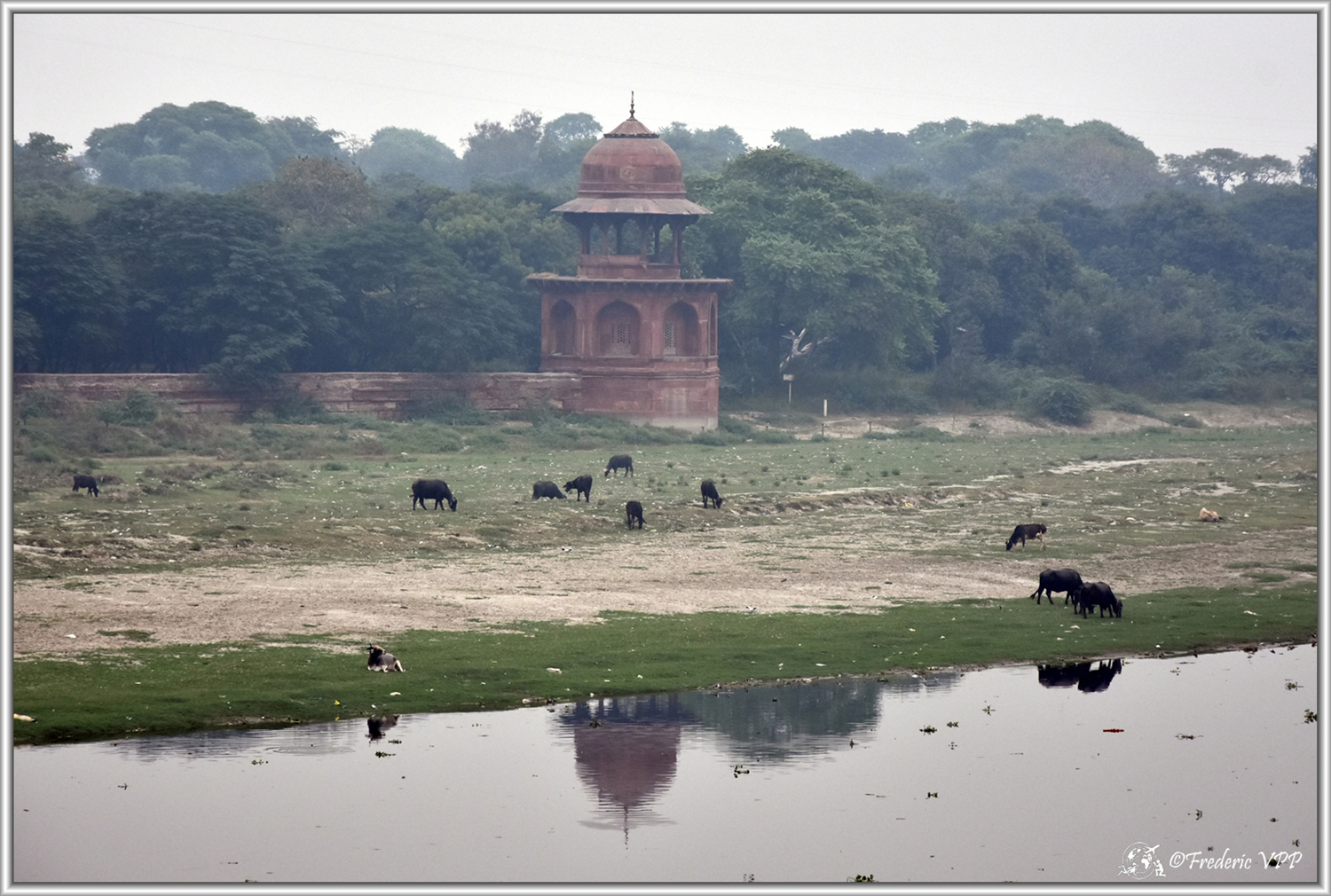
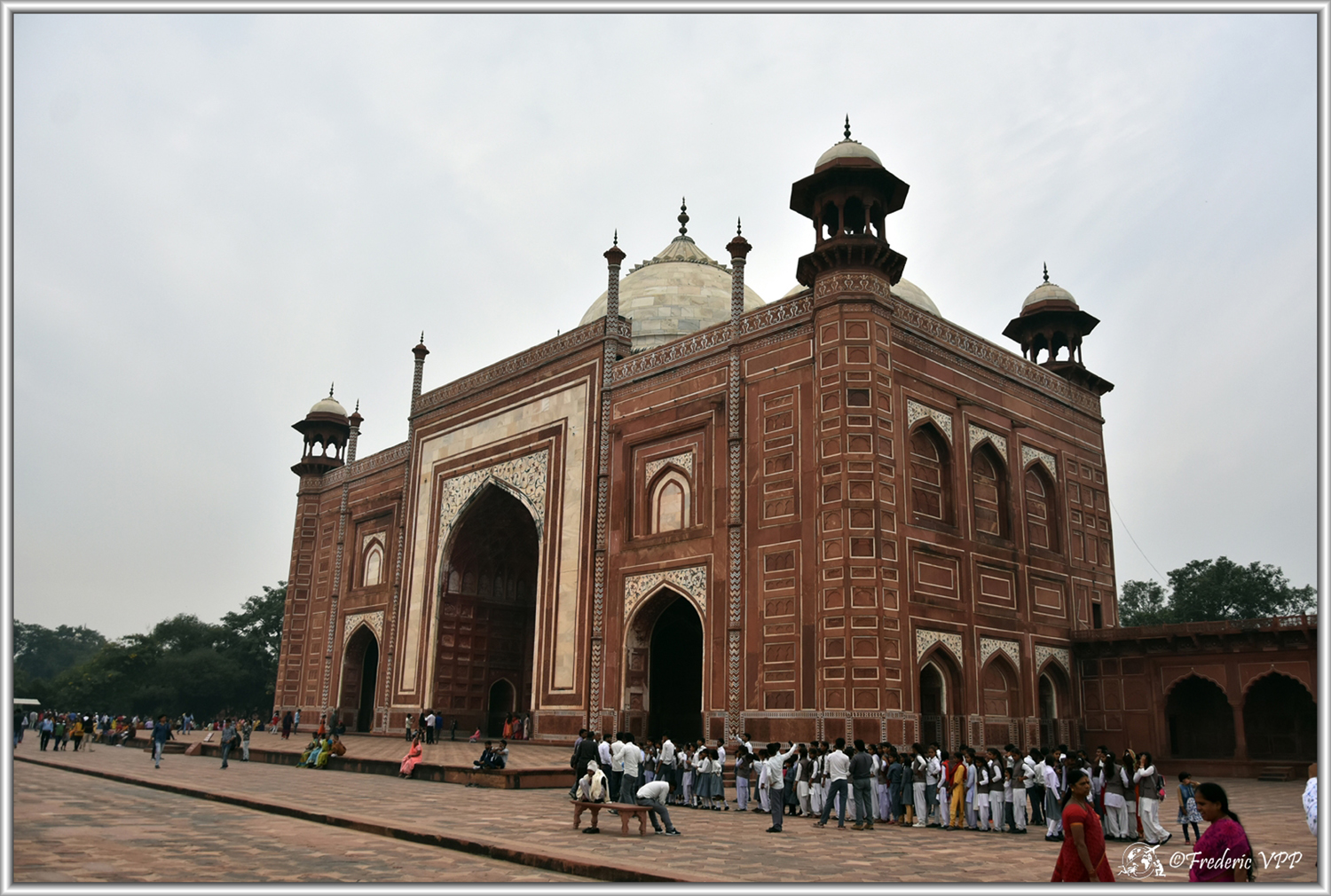
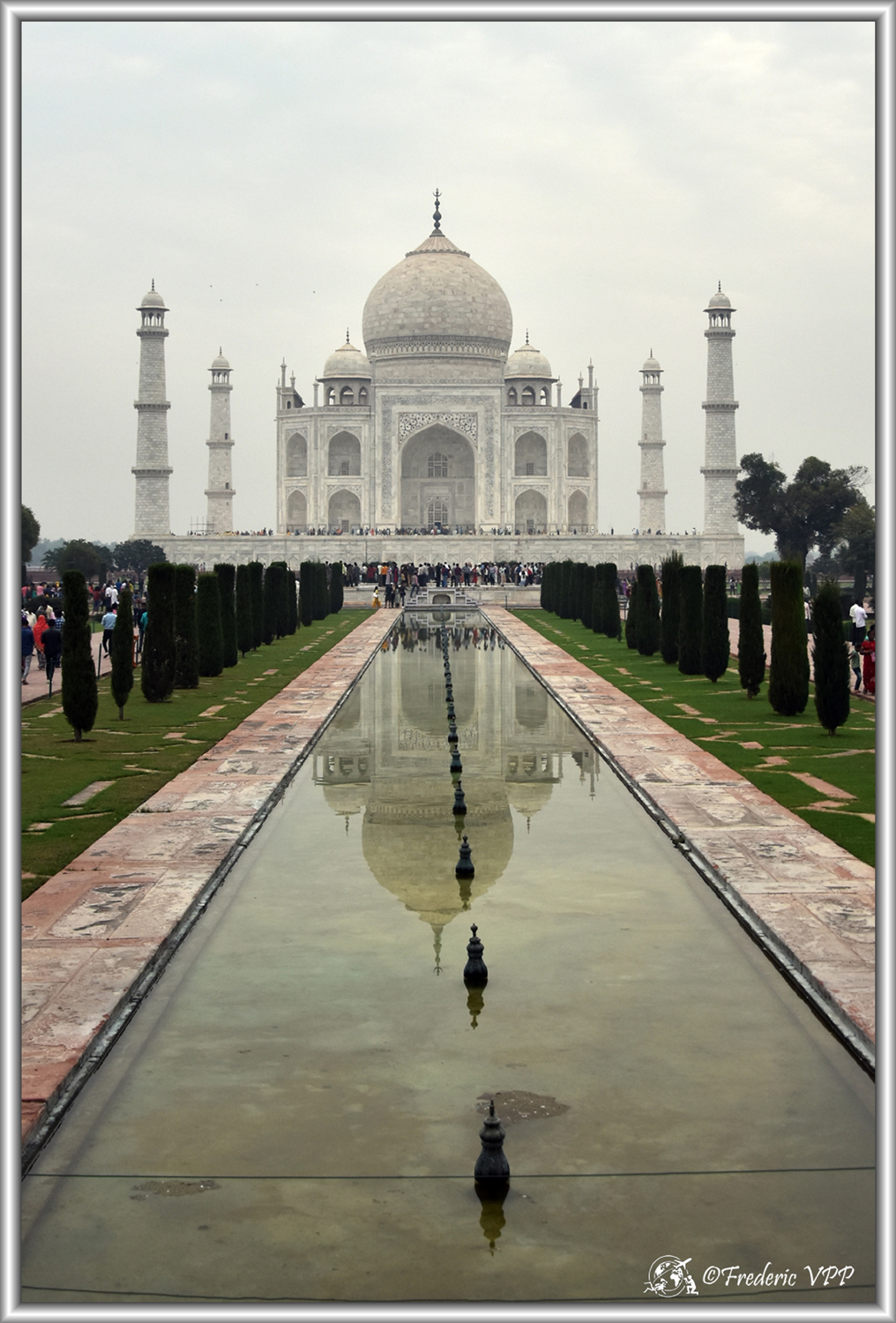
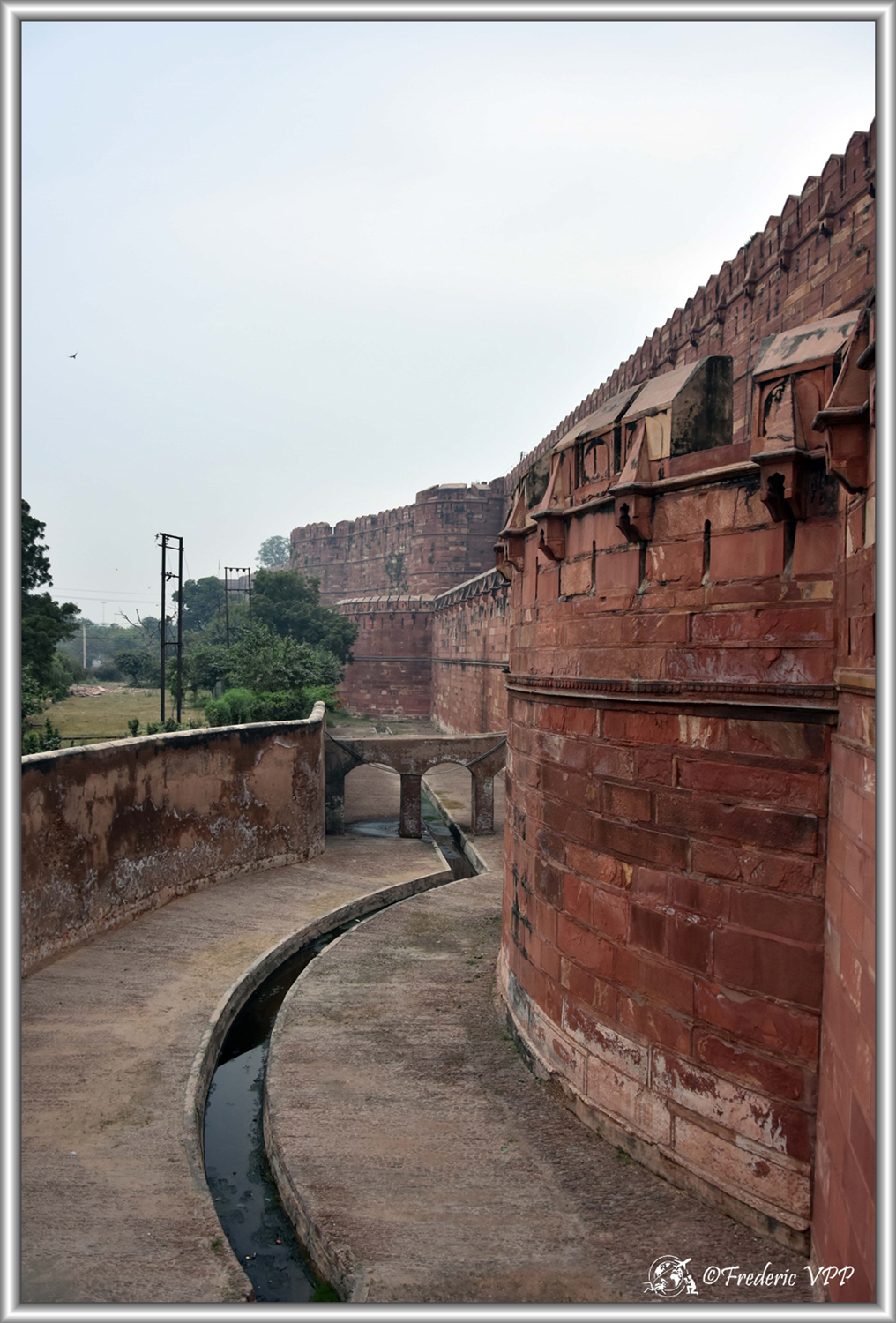
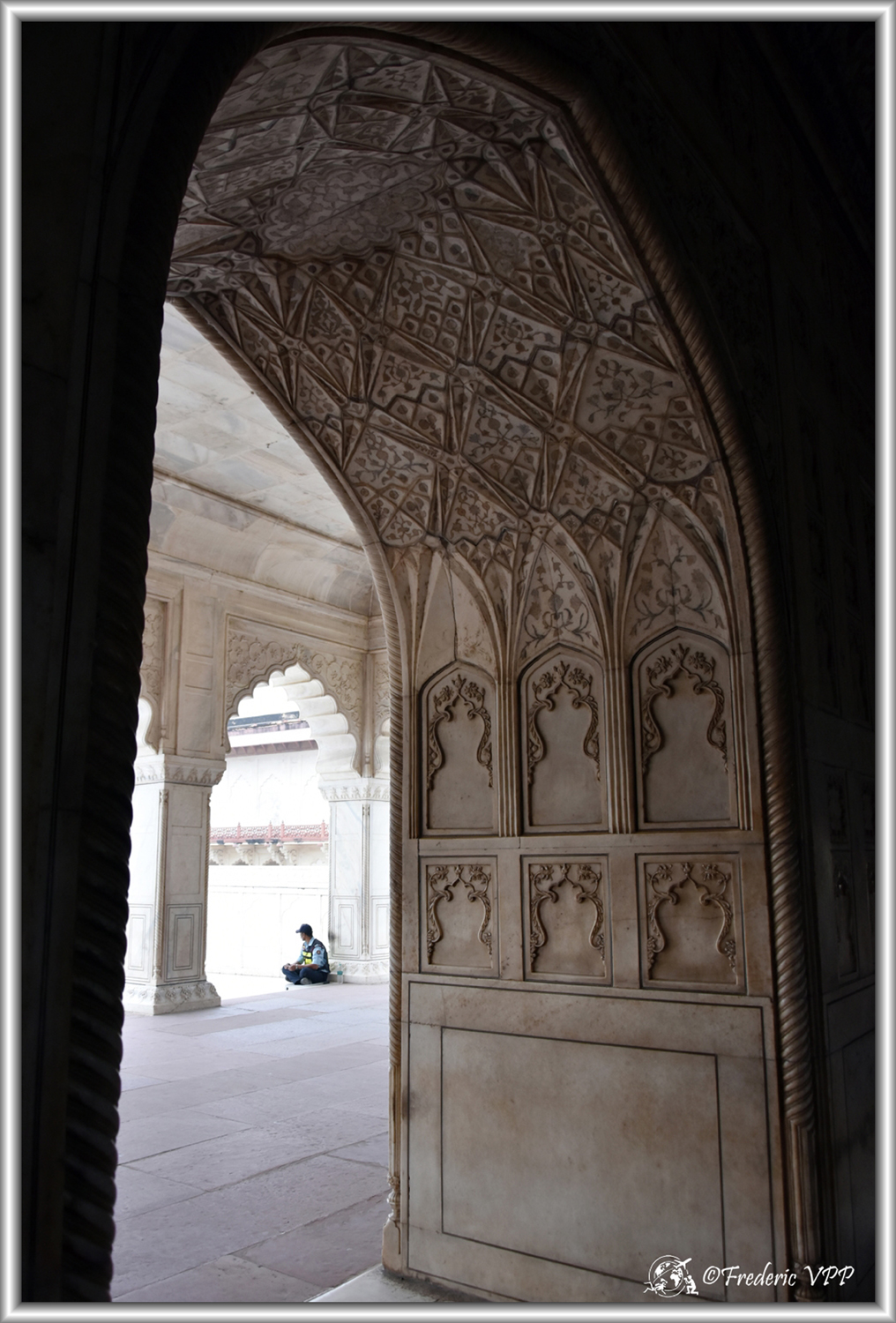
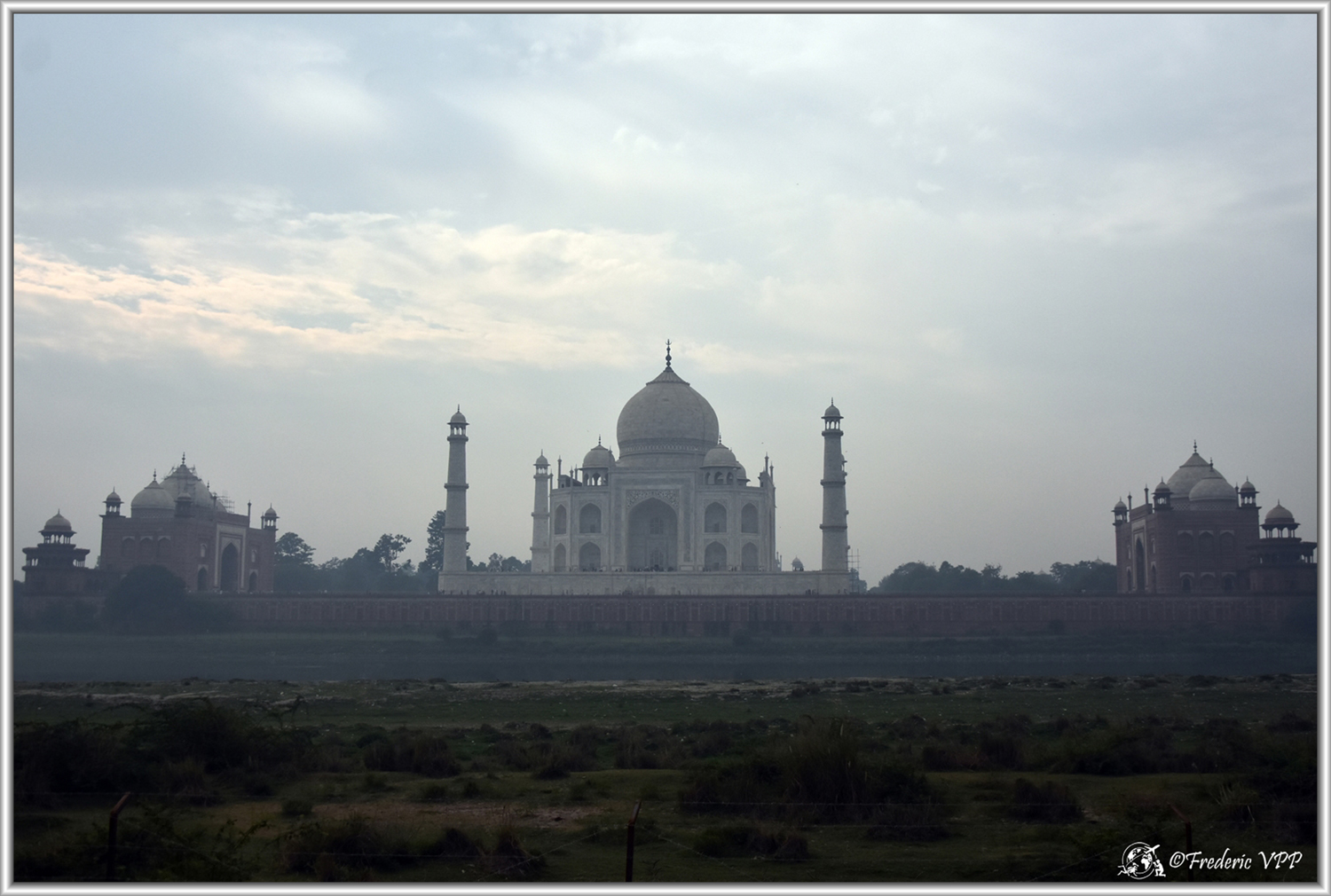
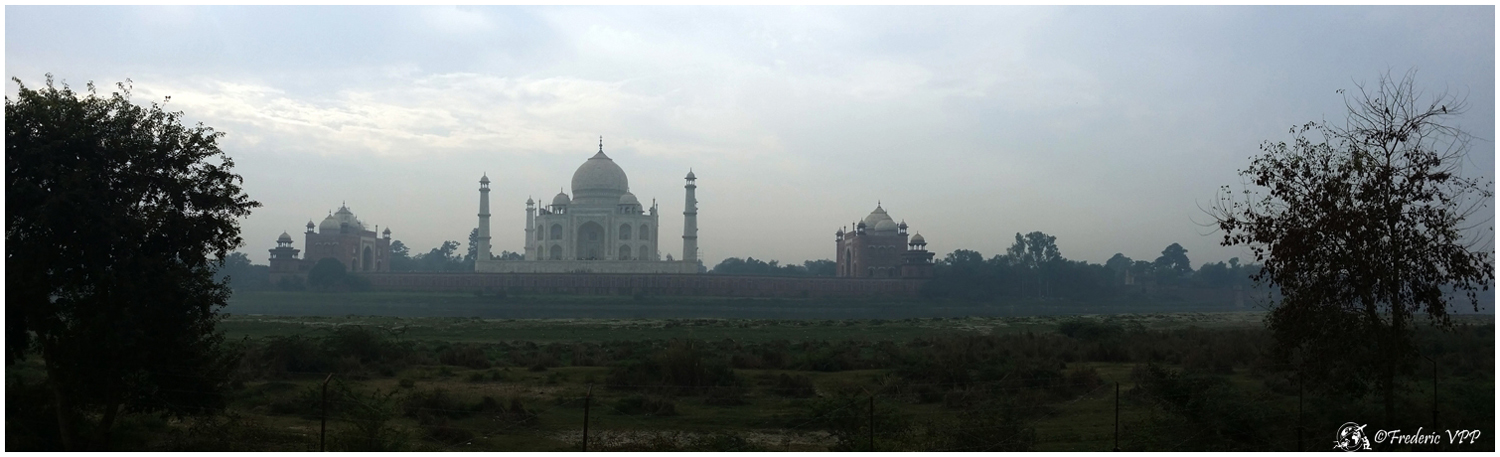
There is a lot to see but the distances are great. It is difficult to do several monuments in the same day, unless you are a walker like me. I regret not being able to go to some places like "Old Iron Bridge". On foot, it remains impracticable. But I advise you to walk like this but I recognize that you have to know how to close your heart to all the poverty reigning in this immense city. Many gardens, streets, serve as bedrooms and playgrounds for children. It hurts my heart but I'm just a drop of water. I spoke with an Indian who asked me why there were so many poor people. Difficult to argue for a European who does not have the same vision and the same spirit as an Indian. This poverty remains paradoxical compared to the immense progress of this rising nation. It almost succeeded in becoming the 4th state to land a probe on the moon this summer. On the one hand, this power (military, space) and on the other this immense poverty. Agra, city famous for the Taj Mahal. This mausoleum is truly grandiose. These white marble facades do not leave you indifferent. this whiteness hurts the eyes. From here and there, the mosque and the palace of the guests. Their color, red, brings out the whiteness of the mausoleum even more. Even if the place is grandiose, I did not find the magic I expected, as was the case for the site of Petra. This does not detract from the splendor of the monument. The 2nd monument, the Agra Fort, is really huge. When you see the surrounding walls from the outside, you really can't imagine what is hidden behind these red stones. Different palaces, covered in the past with carpets, as a door. These monuments, with Mughal and Hindu architecture, are also striking in their ingenuity in order to guarantee freshness inside. Thus, inside certain walls, water circulated to refresh, or ventilation systems to circulate the air.
|
|
Council
To visit Agra, nothing beats the high-speed train. I made the journey by car and it's very long, especially since there is nothing to see on the journey, just the discovery of the motorway service areas... You leave early in the morning and you will return with the last train.
Anecdote
During various conflicts (Germany, Japan, Pakistan), scaffolding is erected at the Taj Mahal to mislead the pilots. After the attacks of September 11, 2001, preventive measures are envisaged to cover the monument with a khaki canvas in order to avoid the reverberation of the sun which makes it visible from 40km (25mi) around, which could make it a potential target.
|
|
Delhi is located on the banks of the Yamuna River, and has long been an important city, placed on the northwestern trade routes to the plains of the Ganges. It was the historical capital of several Indian empires. There are many legends about the origin of the name "Delhi". According to one of them, it would be derived from "Dhillu" or "Dilu", a king who built the city in 50 BC. J.-C. and gave him his name. According to another legend, the name of the city is based on the Hindi/prakrit word dhili, "coward", and was used by the Tomara clan in reference to the iron pillar of Delhi whose foundations were weak and had to be moved. Coins in circulation in the region under the Tomara were called "dehliwal". Finally, according to the Bhavishya Purana, King Prithiviraja of Indraprastha had a new fort built for all castes in his kingdom and gave it the name "dehali".
The remains of eight major city-states have been discovered in Delhi, the first five were in what is now South Delhi. It was Turkish (mosque "Quwwat-al-Islam") and Afghan with the Slave dynasty, then Mongol for more than 3 centuries. It then belongs to the Hindu Maratha Empire (1720). The British East India Company settled there in 1803 and the city then came under British control until 1947, the year of Indian independence. The Taj Mahal, which means "the palace of the crown" in Persian, is a white marble mausoleum built by the Muslim Mughal emperor Shâh Jahân in memory of his wife Arjumand Bânu Begam, also known as name of Mumtaz Mahal, which in Persian means "the light of the palace". She died in 1631 giving birth to their fourteenth child while accompanying her husband during a military campaign. The Taj Mahal is considered a gem of Mughal architecture, a style that combines architectural elements from Islamic, Iranian, Ottoman and Indian architecture. It is erected at the bottom of a rectangular ornamental garden enclosed by an enclosure pierced on each side by four doors, three of which are false. The garden is traversed by four cross channels with water jets and fountains. The monument is built using materials from various parts of India and other parts of Asia. More than 1,000 elephants would have been used to transport building materials during construction. Its construction began in 1632 and would have finished at the end of 1643 or the beginning of 1644. But at the main entrance an inscription indicates that the construction was completed in 1648. Agra Fort is a fort covering an area of 38ha (0.15mi2), it is the largest fort in India. The surrounding walls, in red sandstone, are 21m (68ft) high and 2.5km (1.55mi) long. Known since 1080, the fort, in ruins, was rebuilt in 1558 by Jalâluddin Muhammad Akbar to make a residential palace for his son. Its reconstruction lasted 8 years. The monument, originally in brick, was rebuilt with red sandstone from Rajasthan. From that moment on, the fort was no longer just a military place but also a place of residence. The architecture is of Hindu style, the Mughal style will assert itself later under Shah Jahan.
|
|
Sorry if the links are outdated or not accessible
|
Note: I'm not a video editing pro, so my motto is "Go simple".
To watch some videos properly, it is best to rotate the phone.
To watch some videos properly, it is best to rotate the phone.