Sardinia
Sardinia, Italy, October 2016
This trip is a discovery of the island of Sardinia, and a location for future diving trips...
|
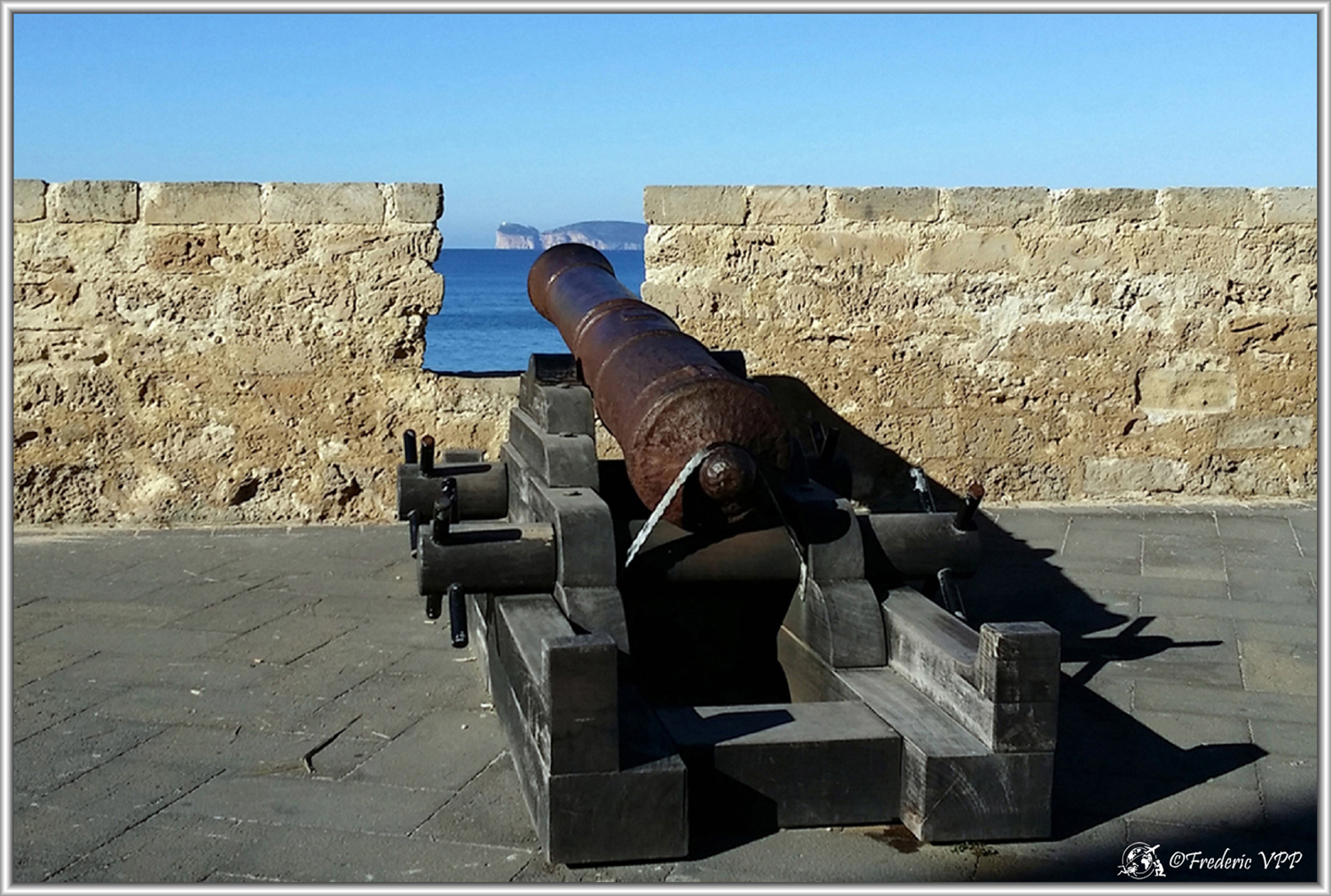
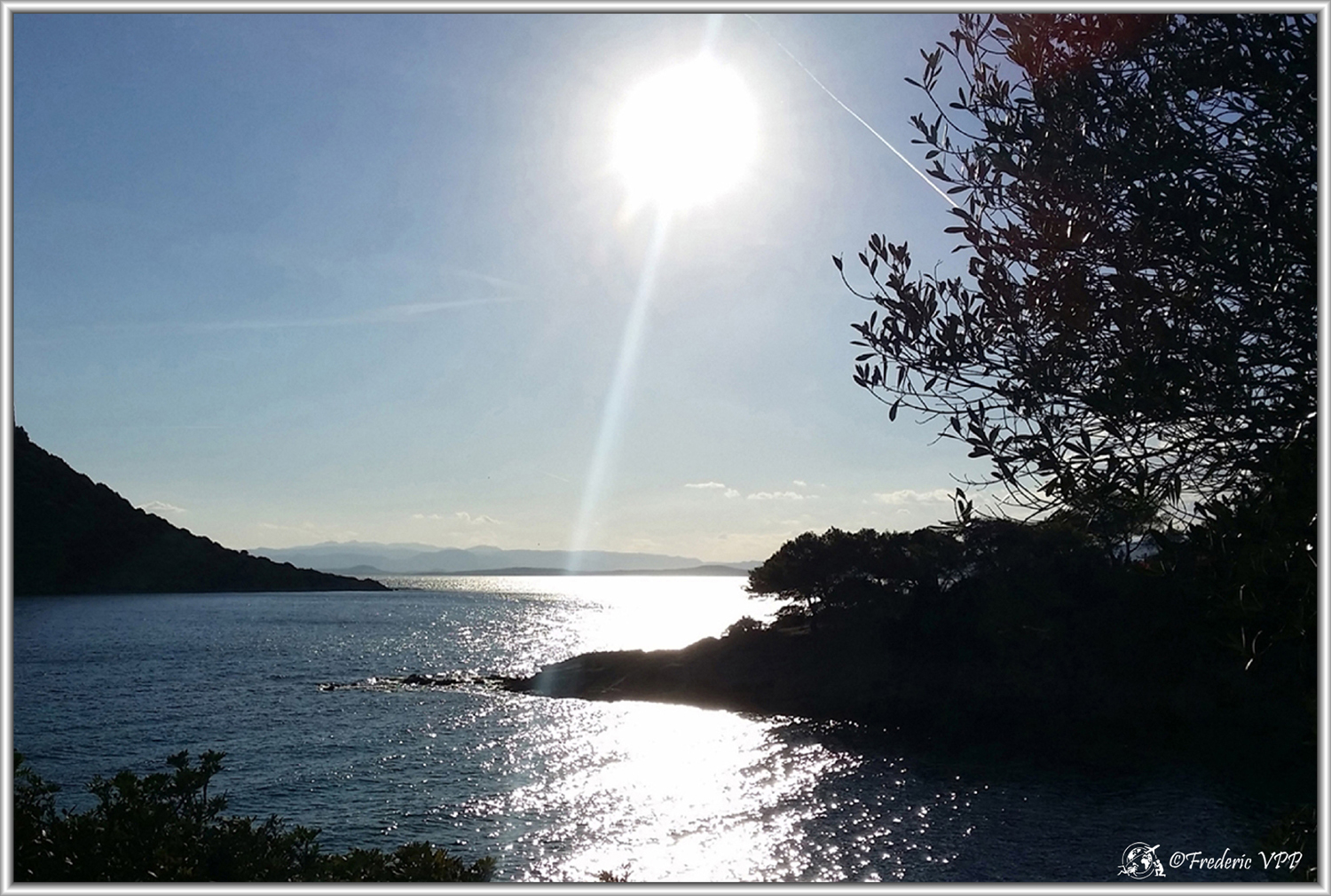
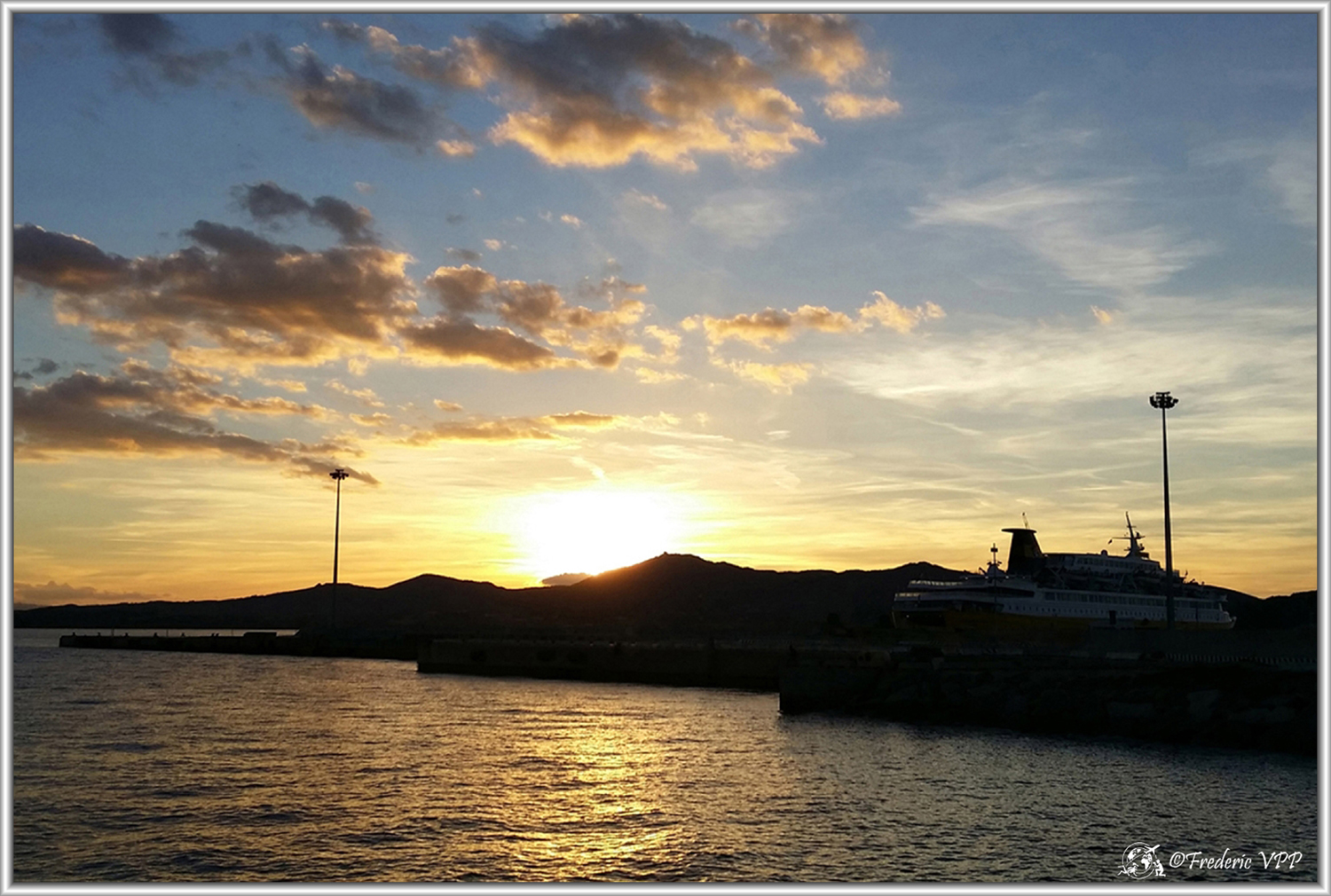
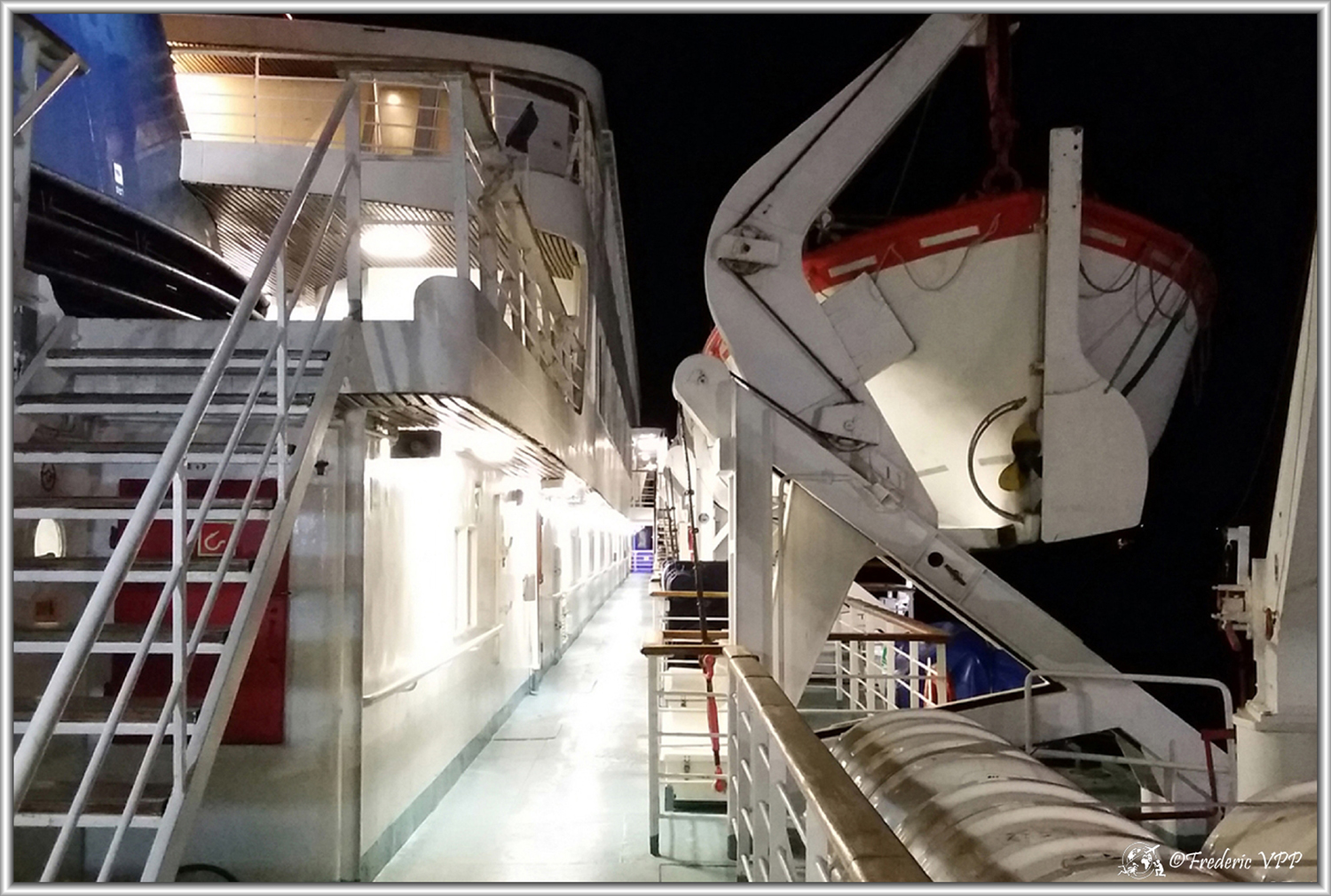
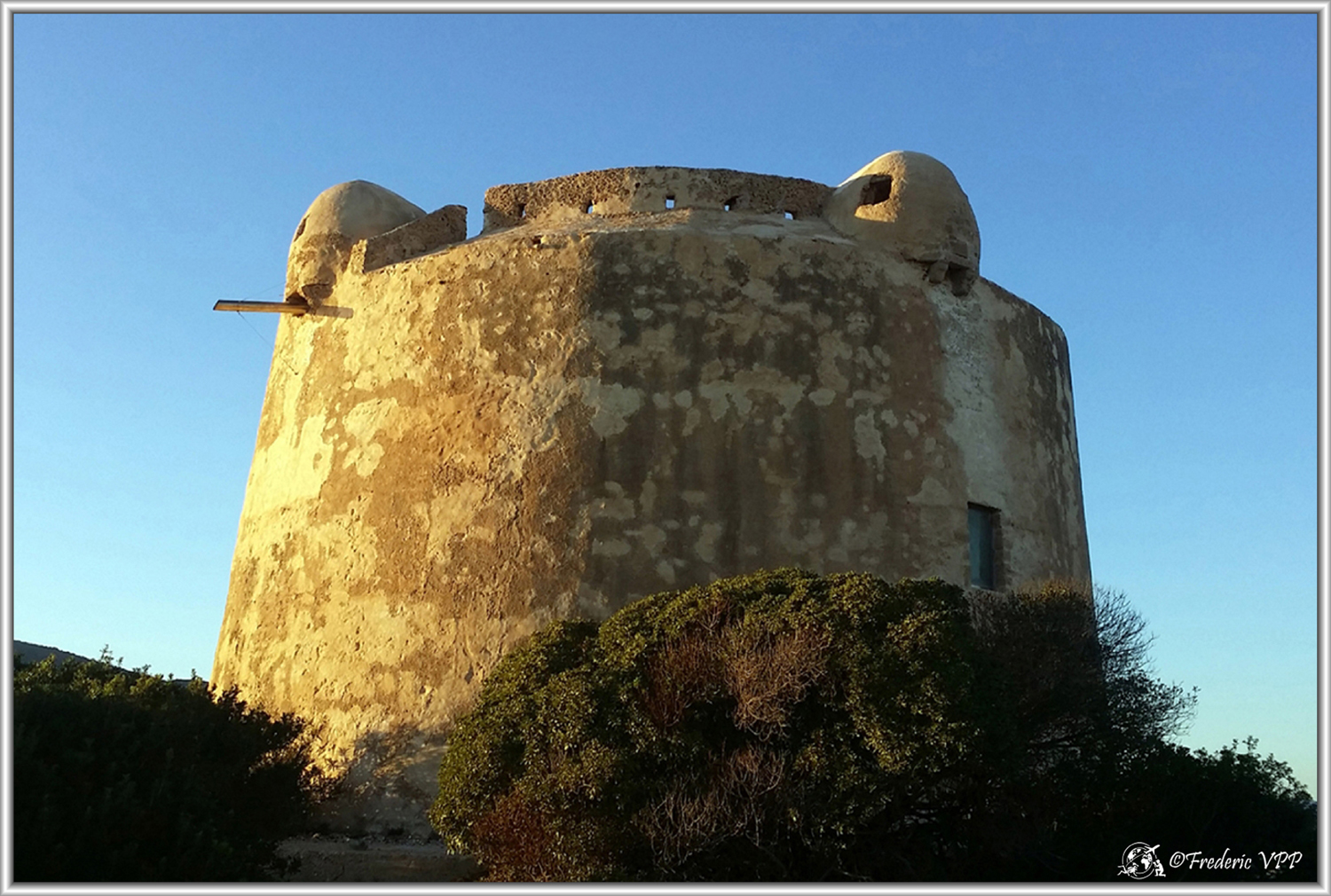
Departure of the ferry in Toulon, a short stopover in Corsica and final arrival in Golfo Aranci in the northeast of the island. A drive to reach Alghero in the North-West and the final destination Porto Conto. Magnificent landscapes offer themselves to the gaze during this journey of a few hours. It is an island just waiting to be discovered by road and by the sound of cicadas.
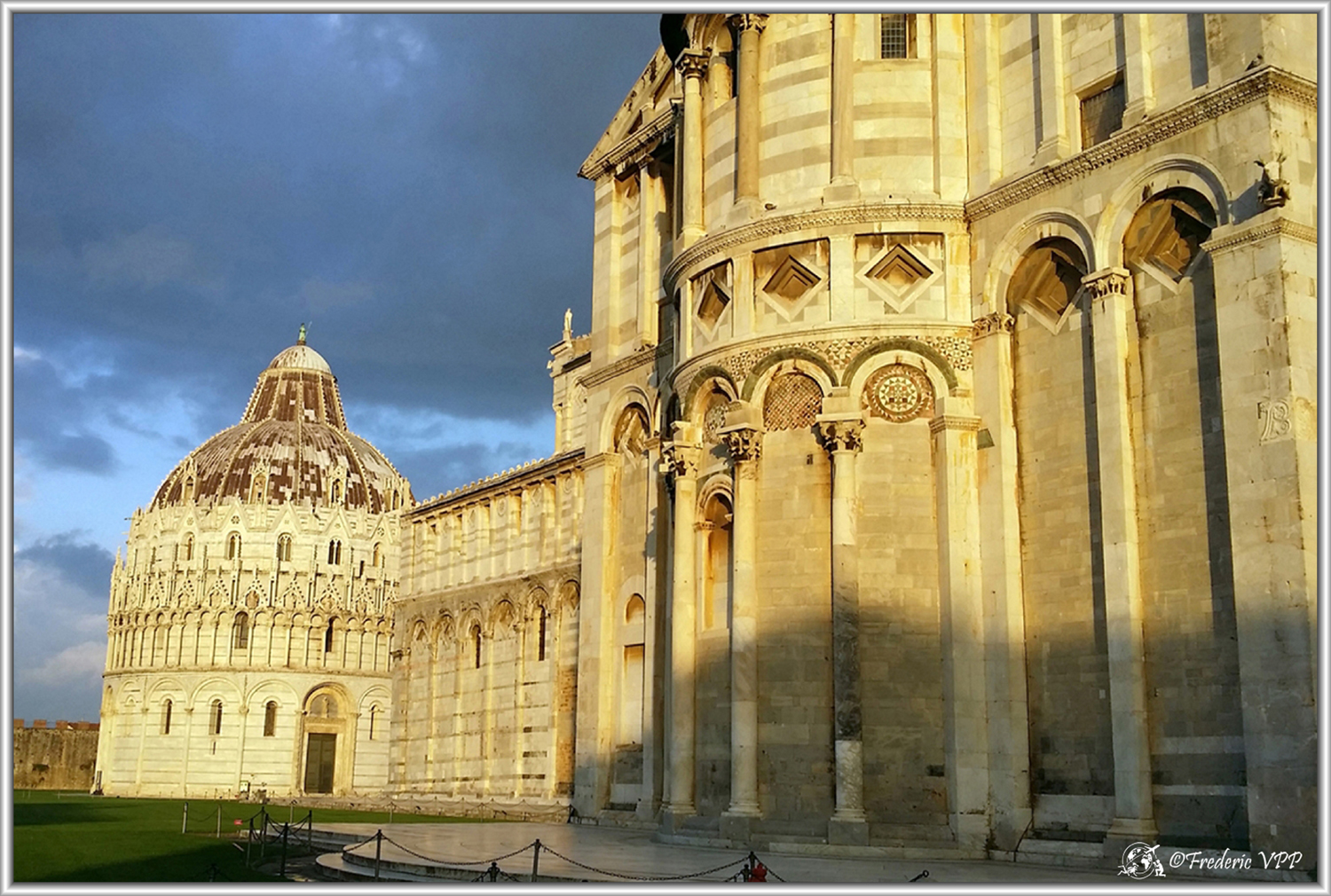
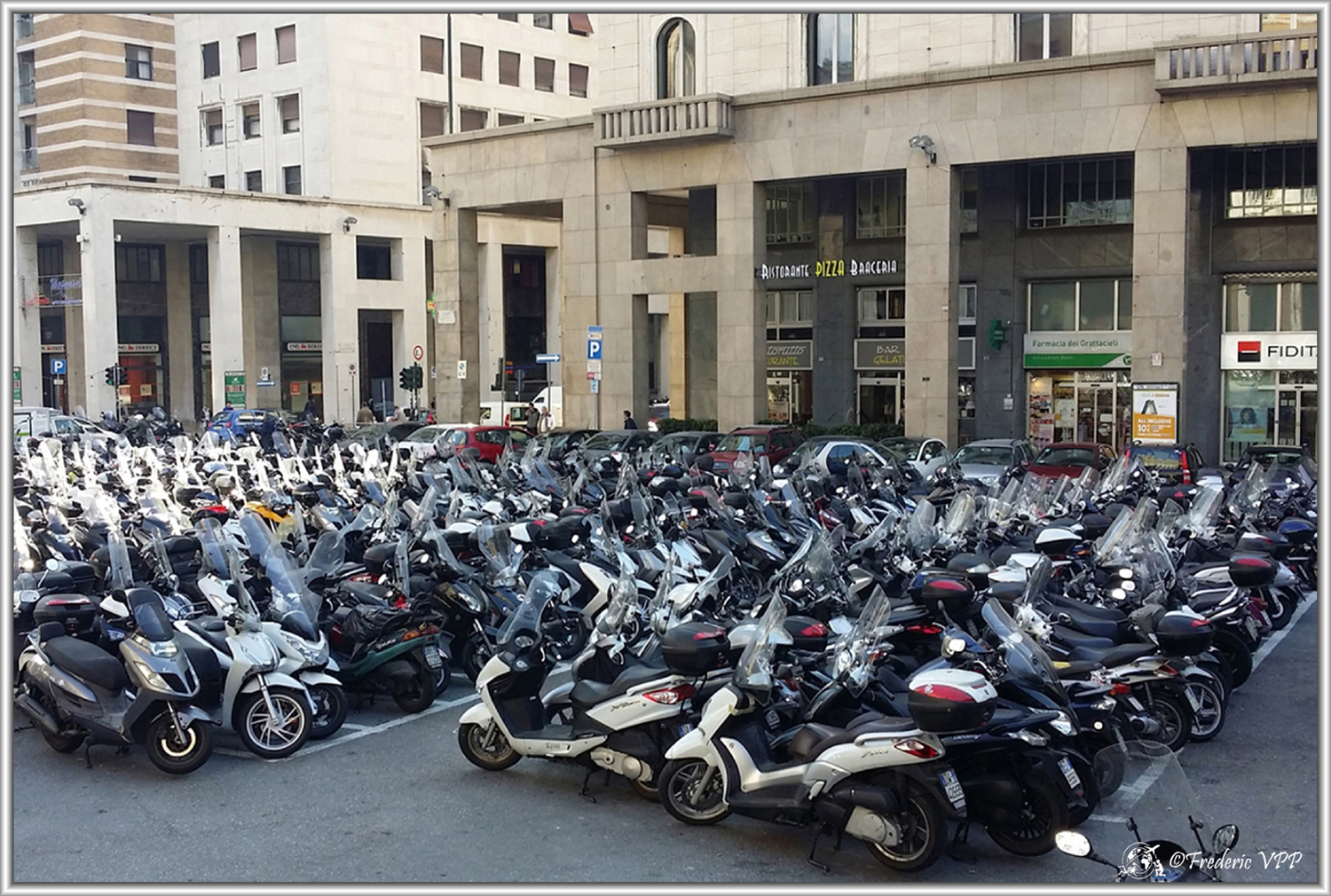
It is also an island in full expansion with the construction of hotels and these roads under construction which augur a booming road system to accommodate more and more tourists . So don't delay to discover its natural charm again, and especially these friendly people. Sardinia is reminiscent of southern Corsica for its hilly landscapes. The return was via Italy, more precisely via Livorno. From there, back to Pisa and the discovery of this tourist hotspot, which I discovered early in the morning. I was very lucky because tourists were rare. Then a stop in Genoa and return to Toulon. Genoa and Pisa are worth a detour and for the latter, don't hesitate to get up early if you want to take full advantage of this "stunning" place.
|
|
Before the development of Rome, Italy was composed of several cultures and civilizations, mostly Indo-European (Italiotes or Italics), on a Ligurian Neolithic substrate. On these cultures described as autochthonous, encroached in the south, the flourishing Greek colonies of Magna Graecia (Syracuse, Agrigento and Selinunte), in the center, Italic peoples, who came from Central Europe in the Bronze Age, close to the Celts, the Etruscan civilization, non-Indo-European and to the north the Veneti, Ligurians and Celts, the latter arriving later from Bohemia, occupy the Po plain, later called Cisalpine Gaul.
But the history of Italy that everyone knows is above all the heyday of Rome. This city built in the middle of the 8th century BC. AD, by Remus and Romulus, raised by a wolf, tells the story. The conquests of Julius Caesar, who dominated a large part of the Mediterranean basin, made Rome a great capital. Vercingetorix, our Gaul also submitted to Julius Caesar and France, sorry, Gaul, became a Roman colony. From this period, many cities became counters: Massilia (Marseille), Carthage, ... or modernized including Lutèce (Paris), Roman remains, witnesses of this prosperous period: the Aqueducts, the Baths, the Circuses, the Roads . To "colonize" the countries, the soldiers of the campaigns of Rome, could have a plot of land to live there as a farmer or breeder.
Unfortunately, when Julius Caesar died, a new civil war tore Rome apart. Many emperors succeeded him: Auguste, Claude, Néron, Marc Aurèle to quote him only the best known. During this time, the empire is Christianized and under the reign Diocletian of new persecutions on the Christians took place. Under Constantine, the persecutions ceased. From Rome, Christianity spread throughout Italy. Italy was also a breeding ground for art: Michelangelo, Raphael, Galileo,... Many artists came there to learn the techniques of the great masters. The idea of the unification of Italy followed the French Revolution in 1789. The Kingdom of Italy, proclaimed in 1861, started in Sardinia. The Kingdom annexed Venice in 1866, then Rome in 1870. This caused the beginning of a fracture between the Italian State and the Church which would last until the Lateran Accords in 1929. The form of government proclaimed was that of a constitutional monarchy, with a parliament elected by restricted suffrage. Rome officially became the capital of Italy in 1871. Neutral in the 1st World War, it sided with the Germans in the 2nd. Mussolini took power and fascism took hold in Italy. In 1943, the Allies landed in Sicily and then entered southern Italy; Mussolini is overthrown then imprisoned, by order of the king. He was killed trying to escape. In 1946, a referendum put an end to the monarchy, the Italian Republic was proclaimed and the royal family was exiled.
The Vatican is the territorial support of the Holy See landlocked in the city and Italian capital of Rome. It is the temporal representation of all the institutions of the Roman Catholic Church.
|
|
Sorry if the links are outdated or not accessible
|