Jordan
Jordan, October 2018
The ten days in Jordan, from Amman to Aqaba, in this magnificent country for sightseeing and diving. Three days are reserved for visits, which is still quite short. This is not my first trip to an Arab country but it is impossible to compare Tunisia with Jordan...
|
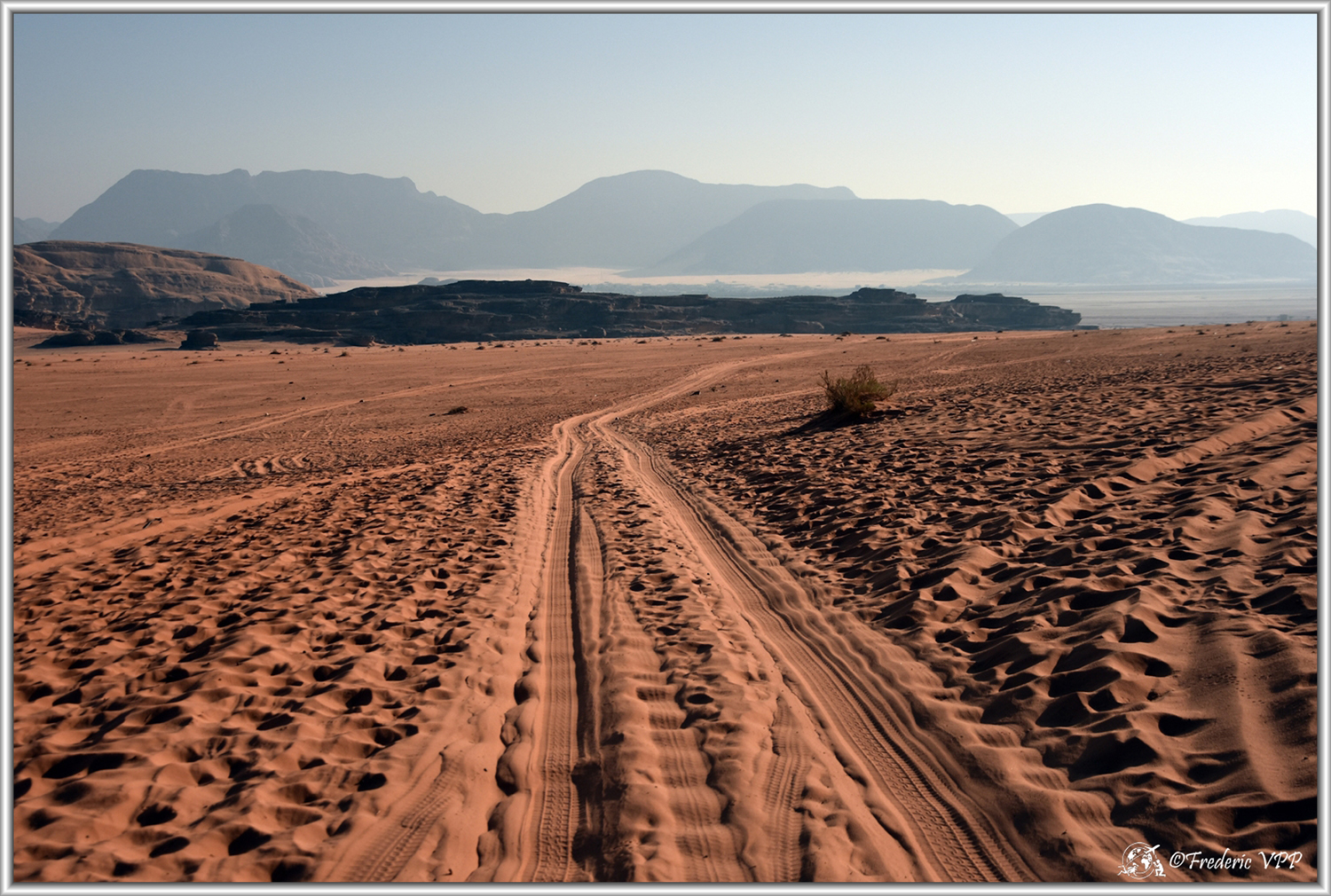
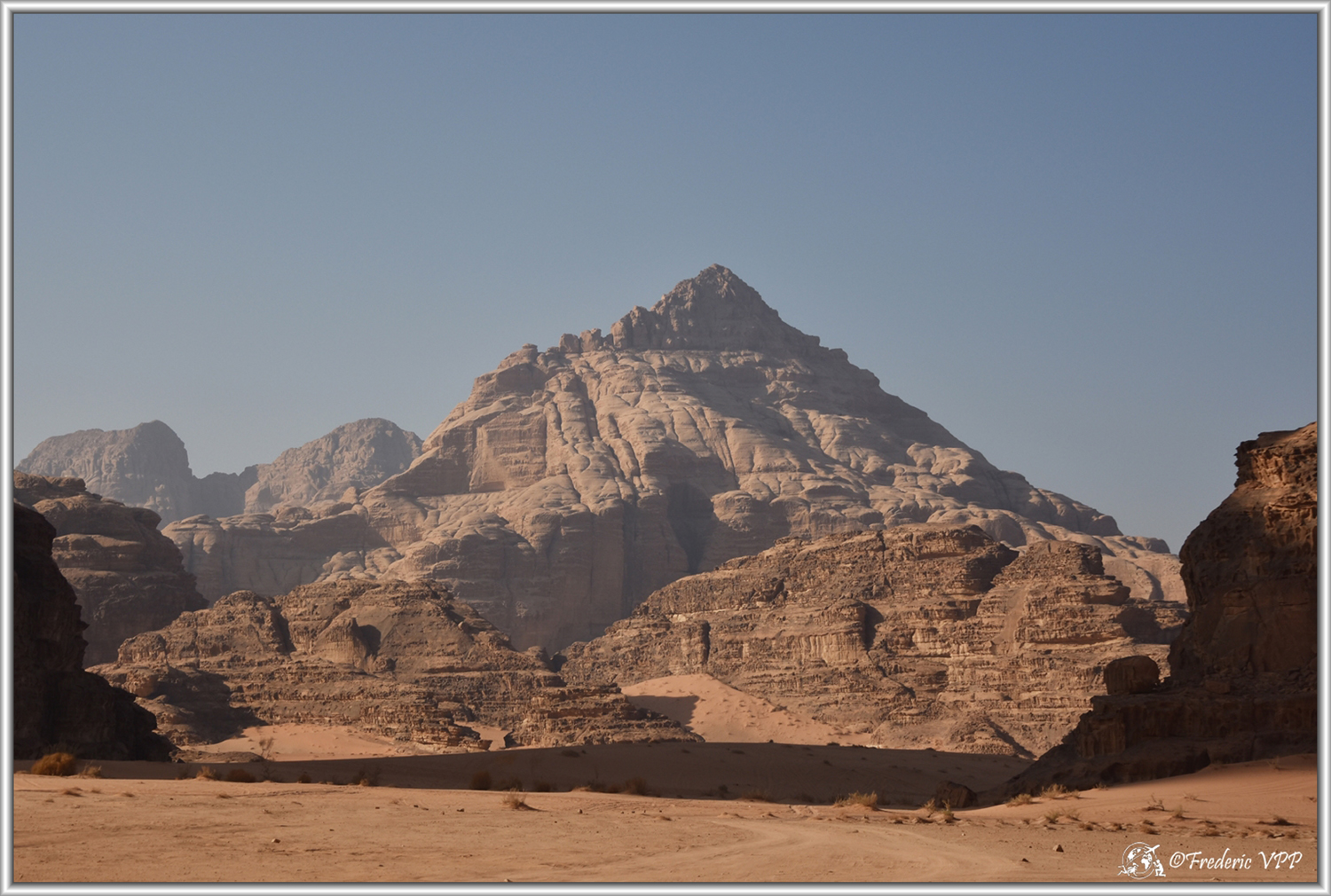
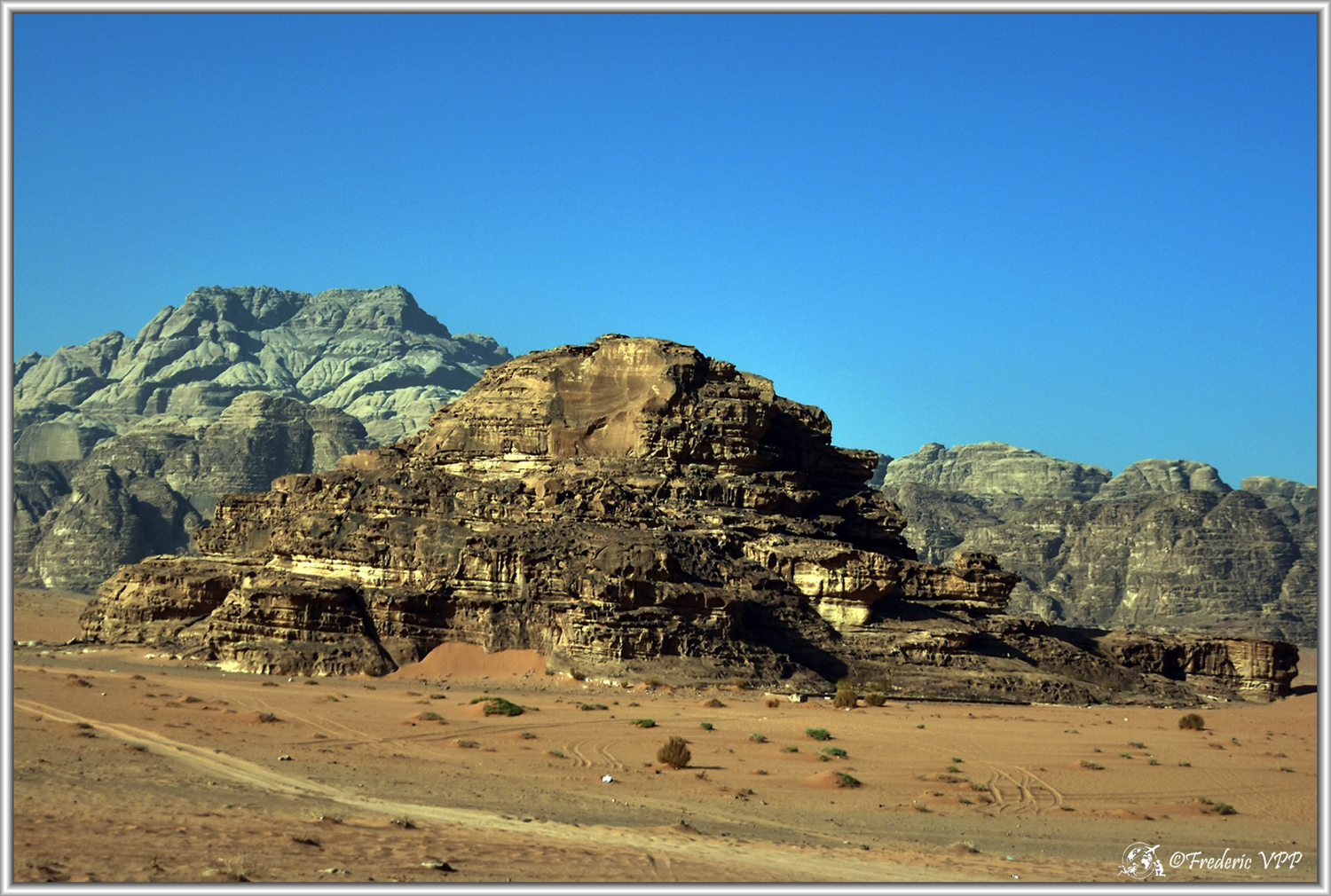
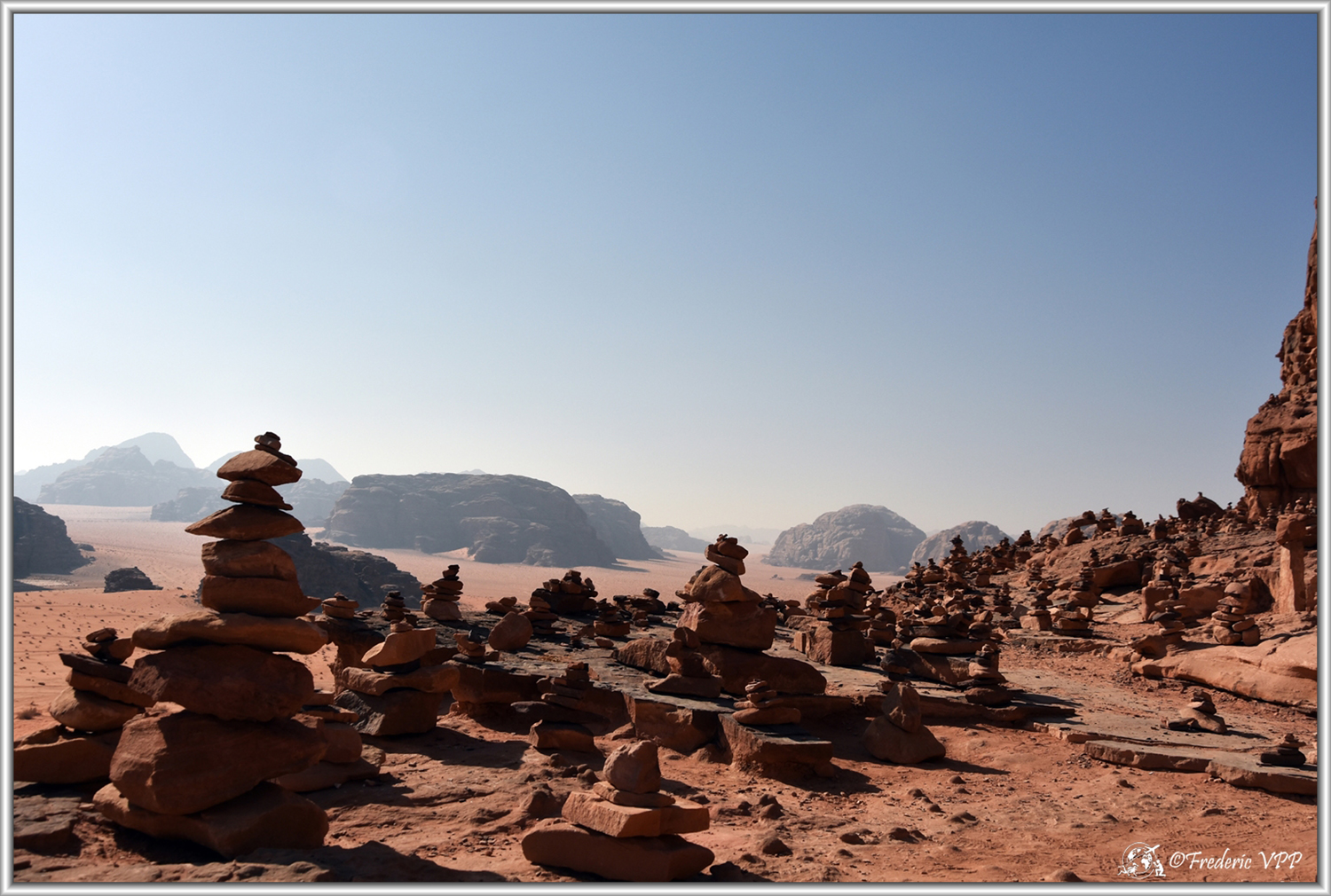
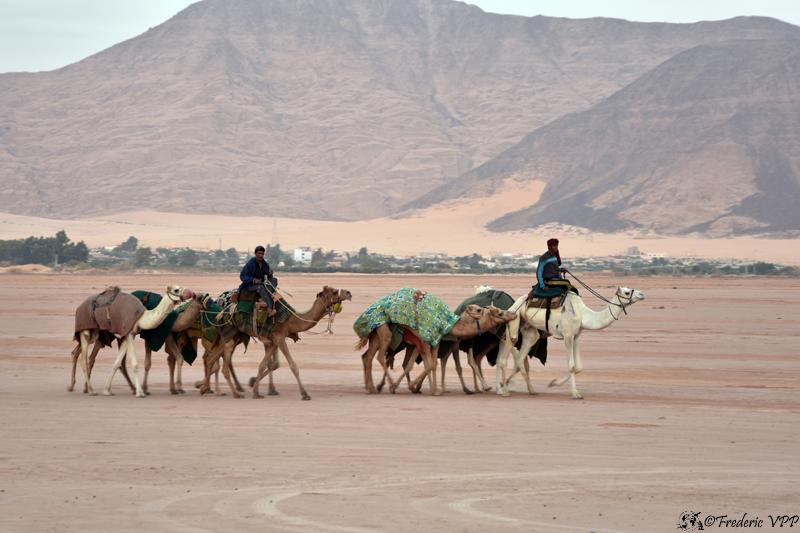
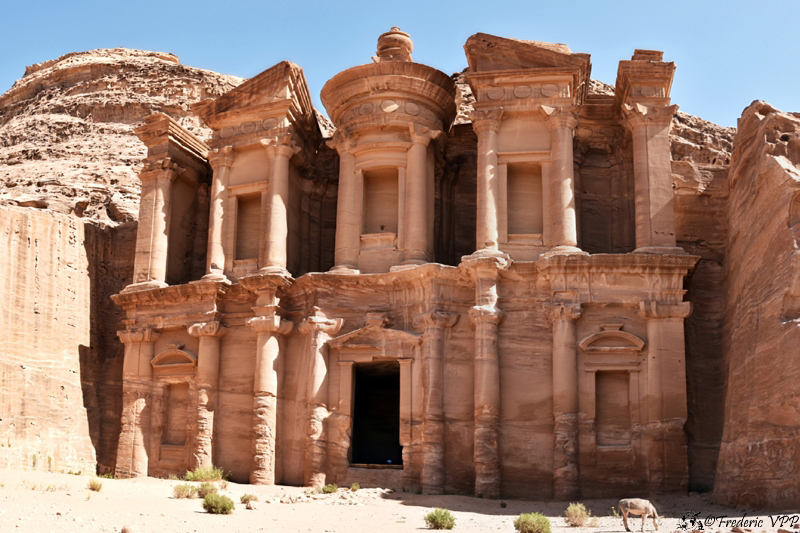
I landed in Amman, the capital. The next day, visit Madaba then Mount Nebo, short passage to the Dead Sea to finish in Petra. Finally, a night in Wadi Rum then direction Aqaba, for seven days including five days of diving.
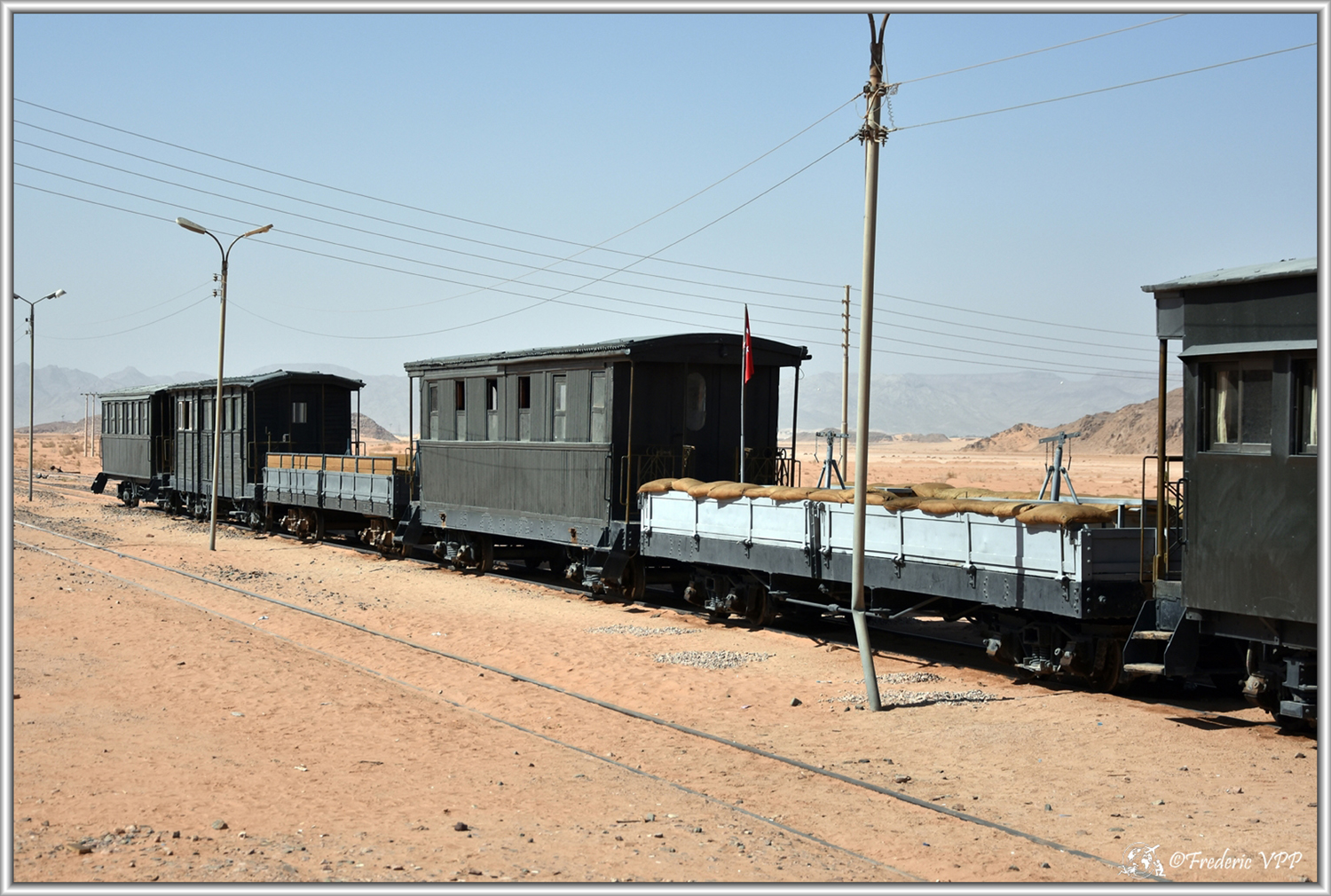
Driving seems easy by renting a car. In my opinion, it is still preferable to use a private driver, which will not cost you much more, but will save you precious time on the many checkpoints on the roads. In addition, the English speaking drivers, you will have explanations of the places. A detail that caught my attention, the Jordanian flag really flies everywhere and the portrait of the King of Jordan is often visible on the walls. I was surprised not to see long railway lines in this country. The distances between Amman the capital and Aqaba is 320km (199mi) and many trucks travel this road which suffer the consequences. Don't be surprised if you see a lot of cars in the left lanes. There is a railway line but it is only used for transporting phosphate. |
|
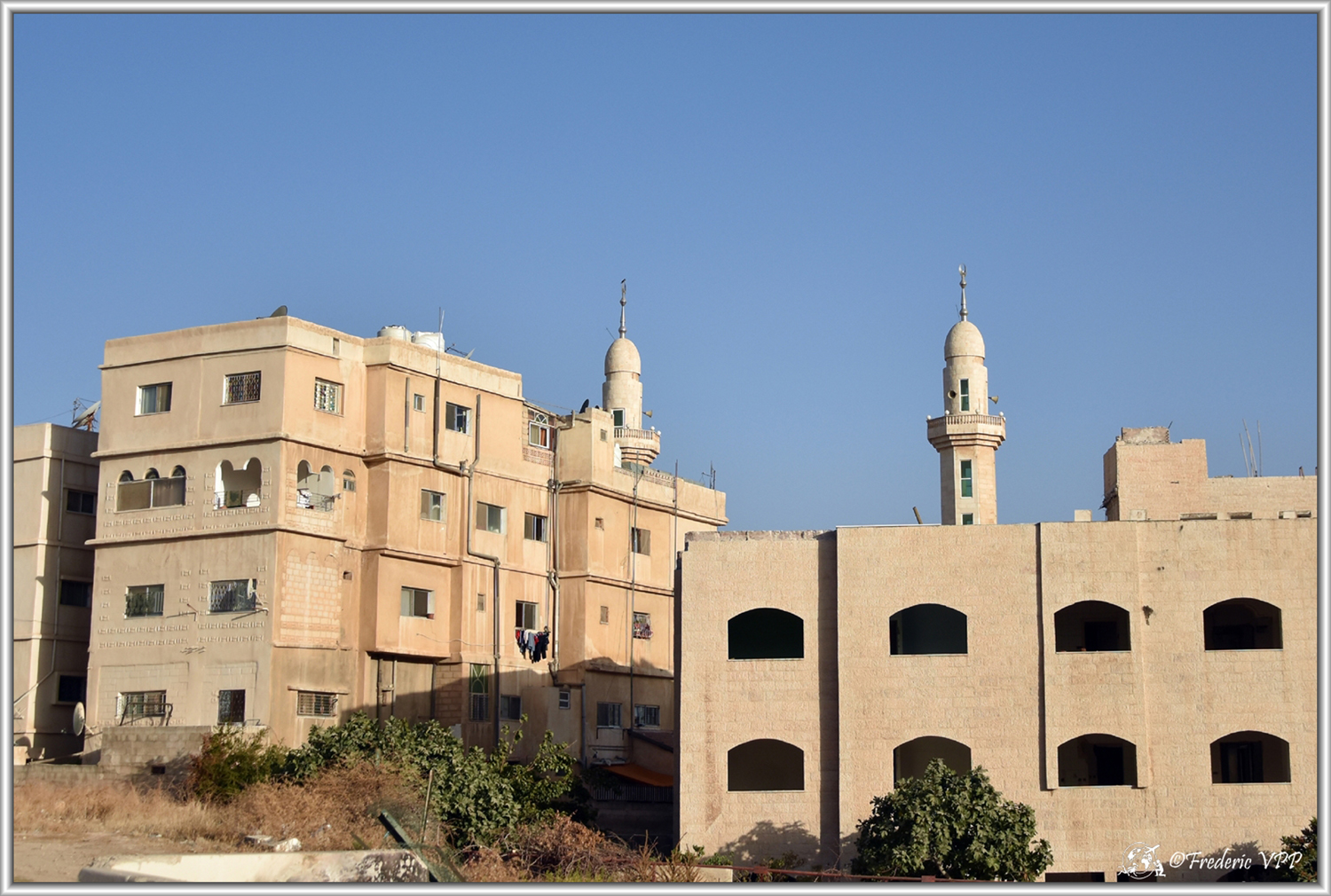
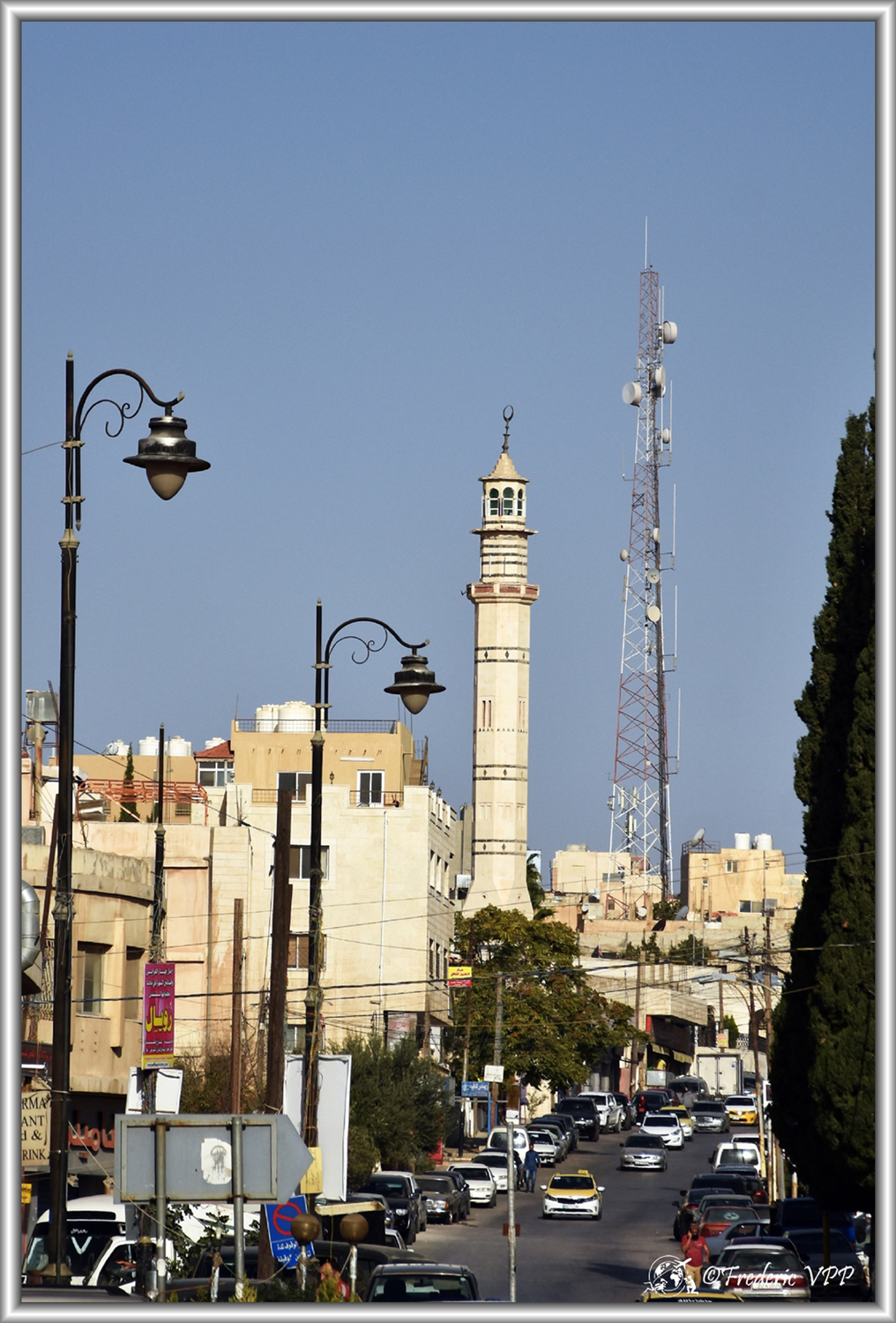
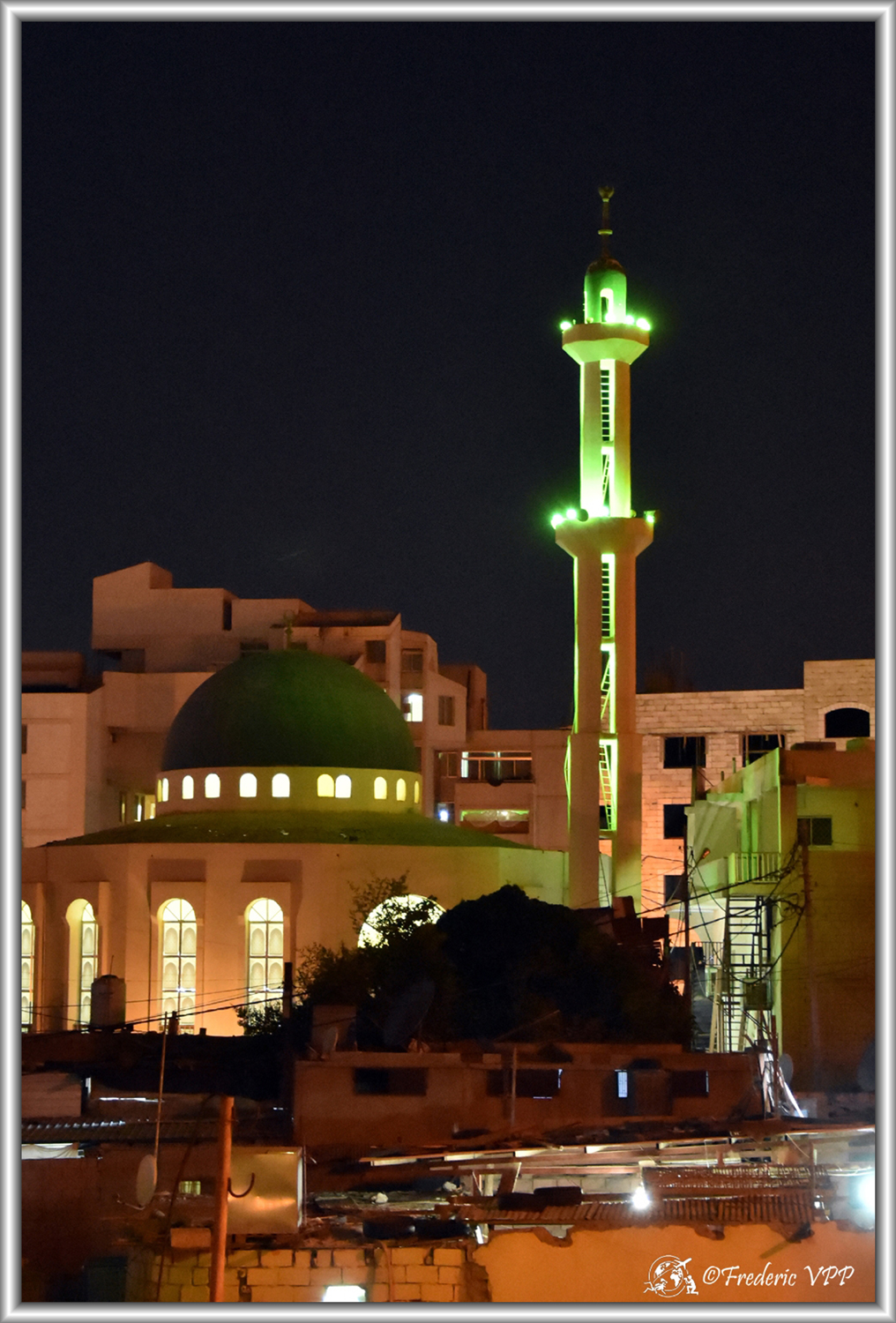
Amman : I only saw Amman through car windows, especially since my hotel was on the outskirts of town. I would have liked to stay a full day to explore the city. From what little I saw, the city is really spread out and the traffic is still difficult.
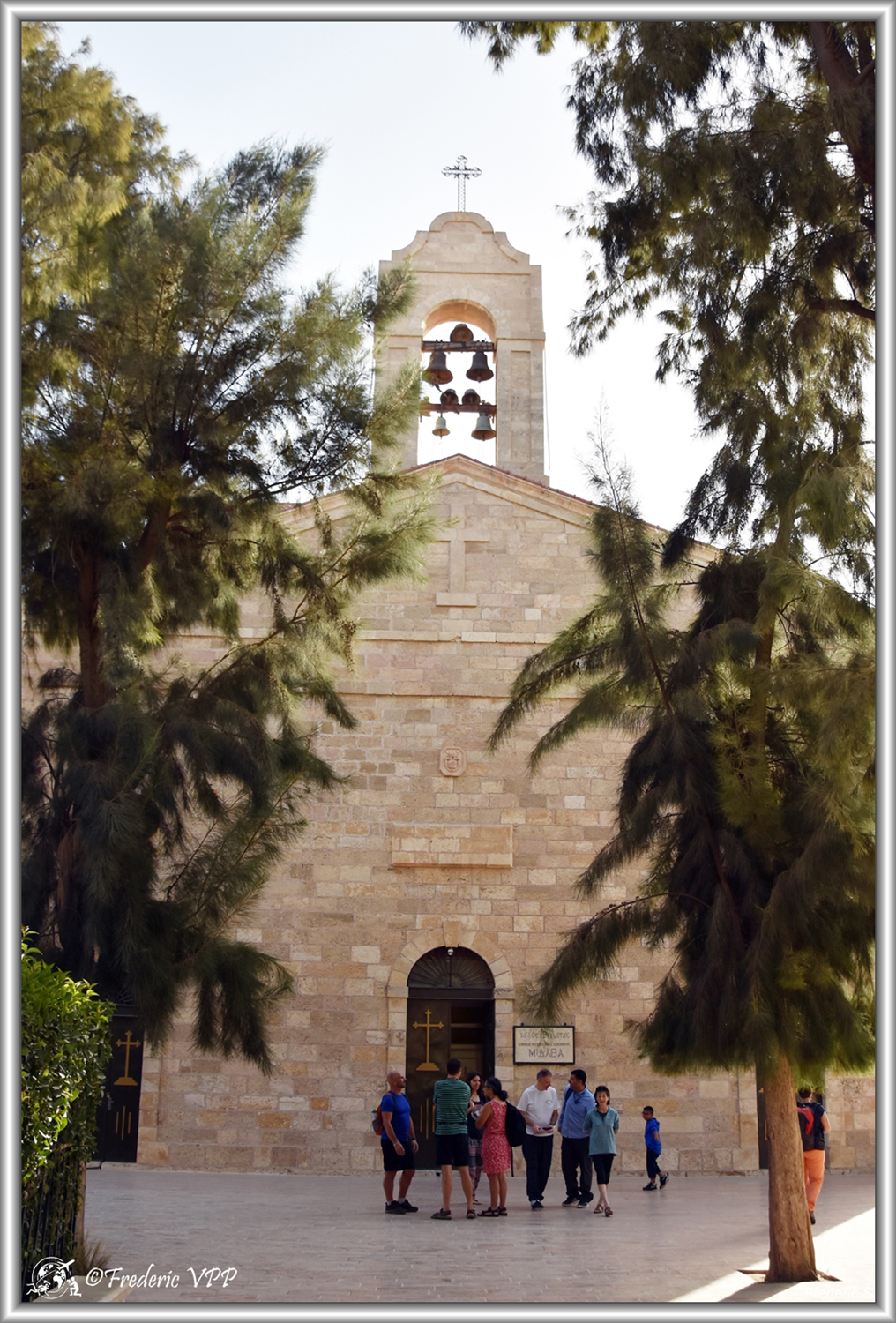
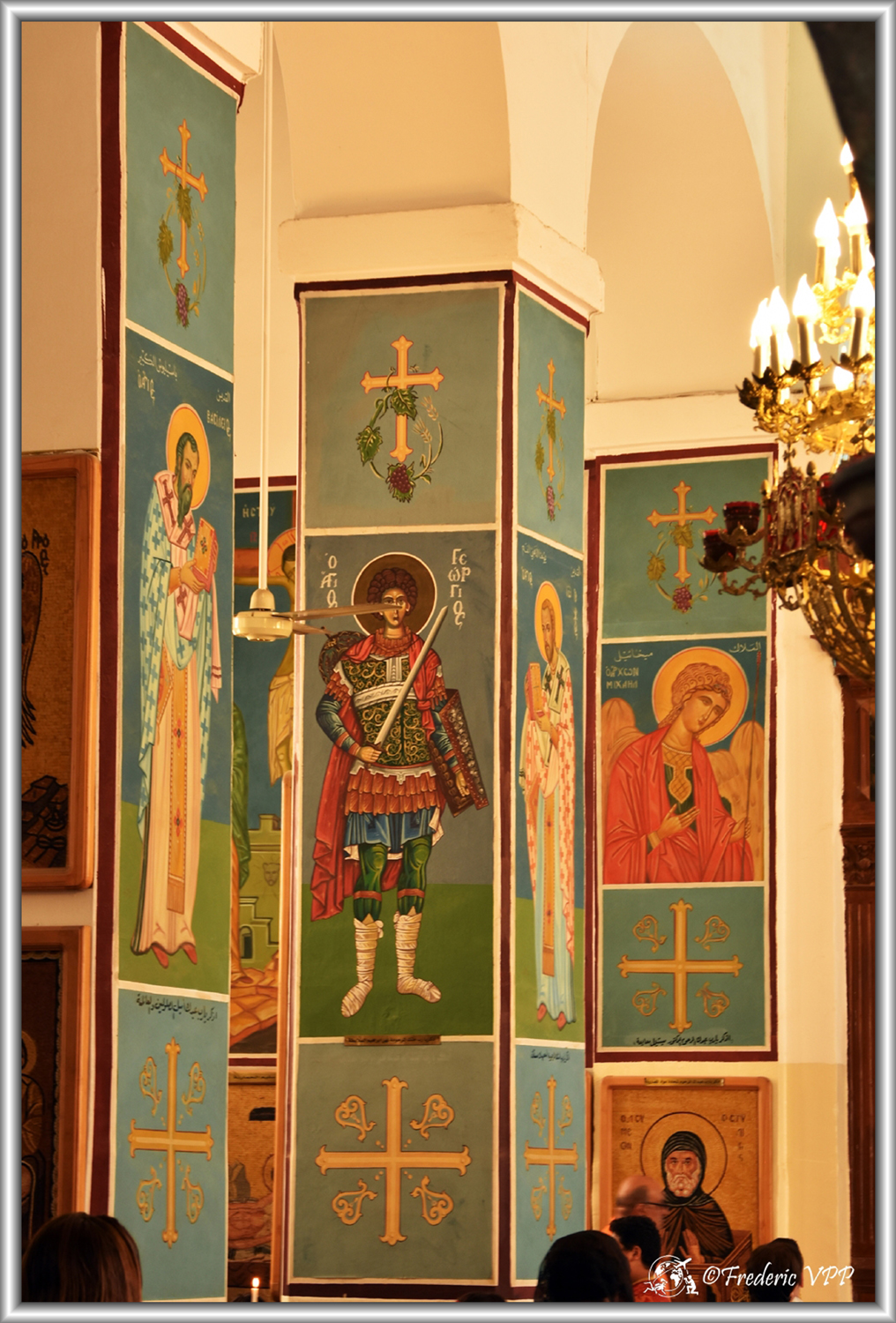
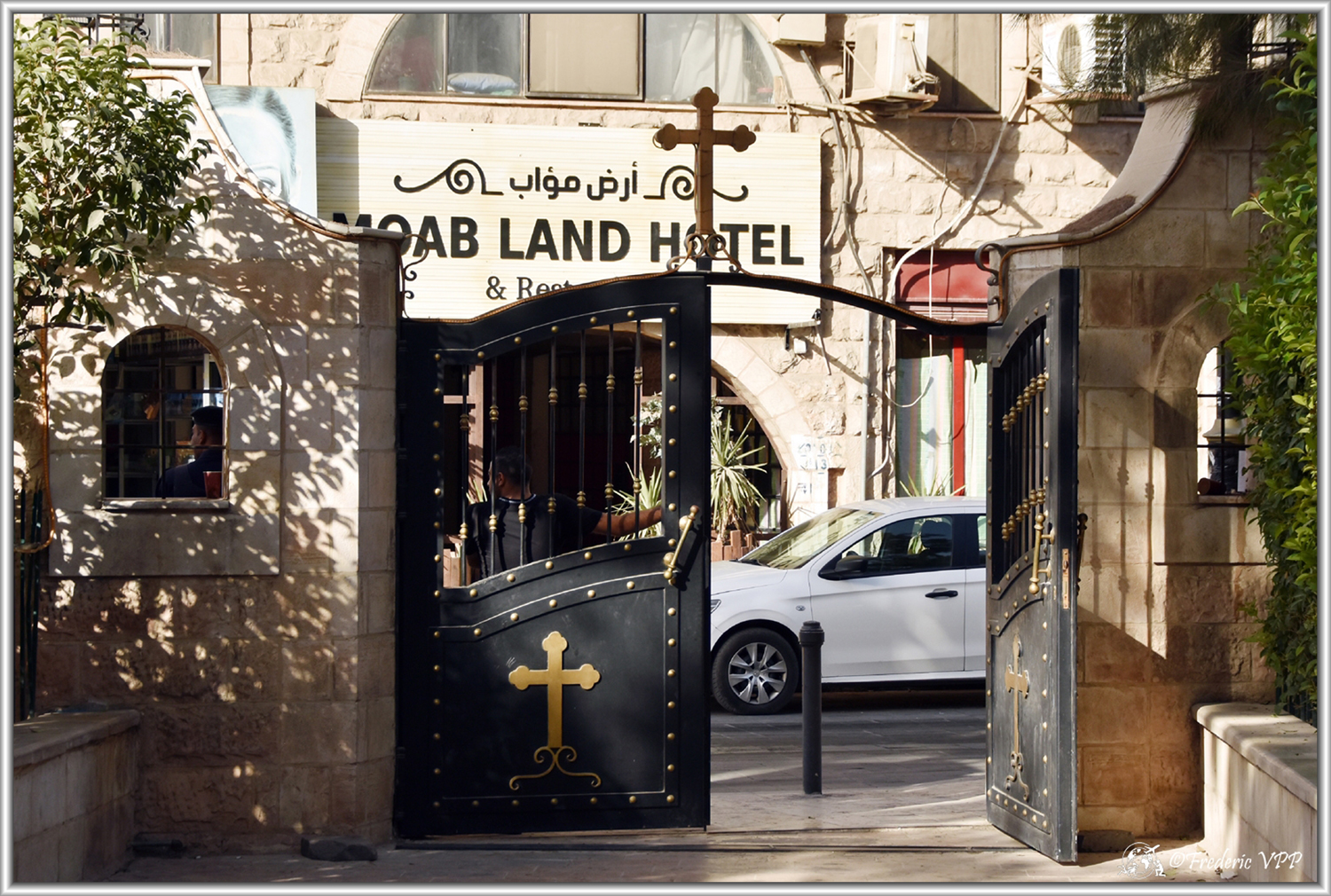
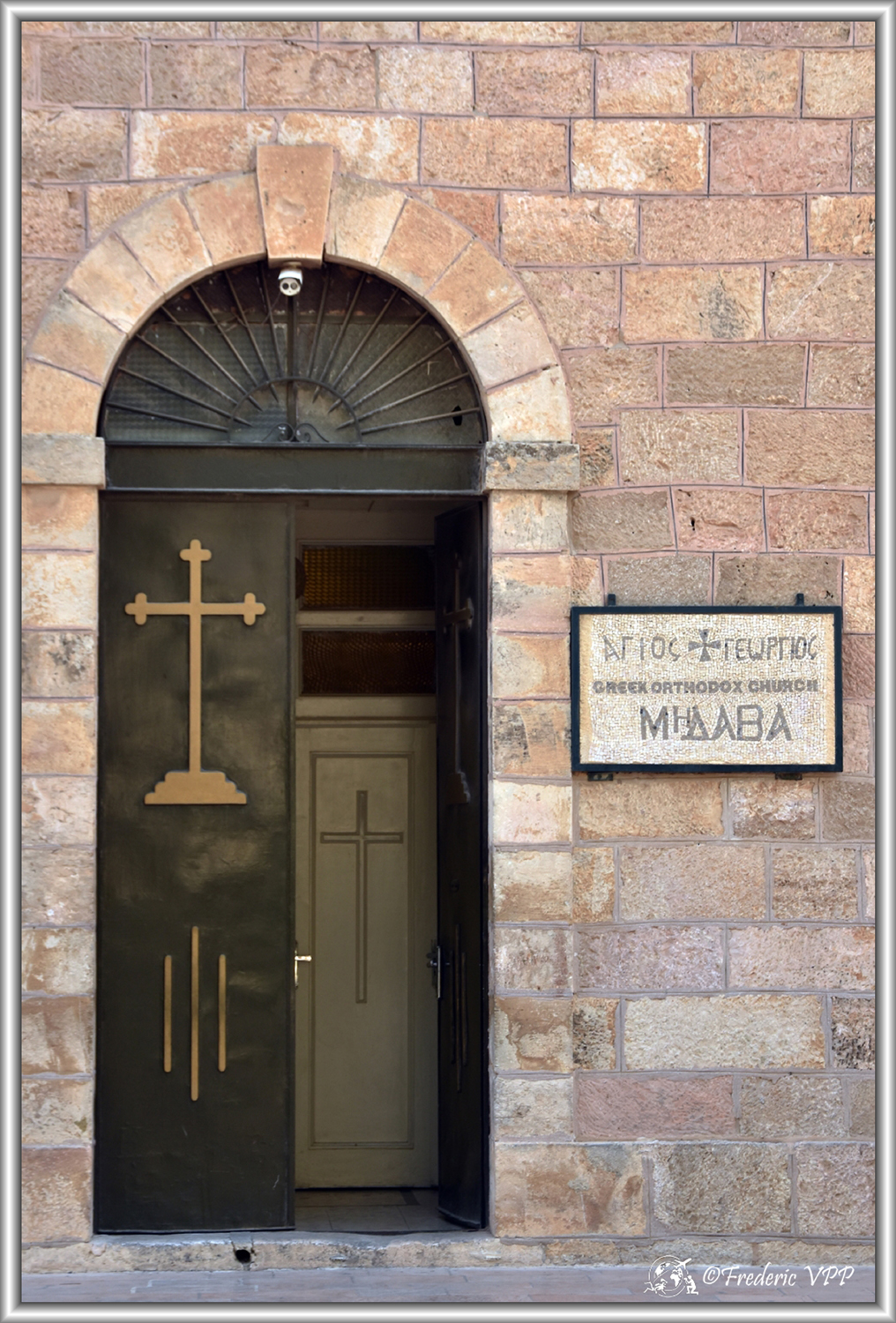
Madaba : I only spent an hour there to visit St. George's Greek Orthodox Church. It was erected in 1800 and the paintings on the walls are truly magnificent. An office was in progress so I couldn't take full advantage of the place.
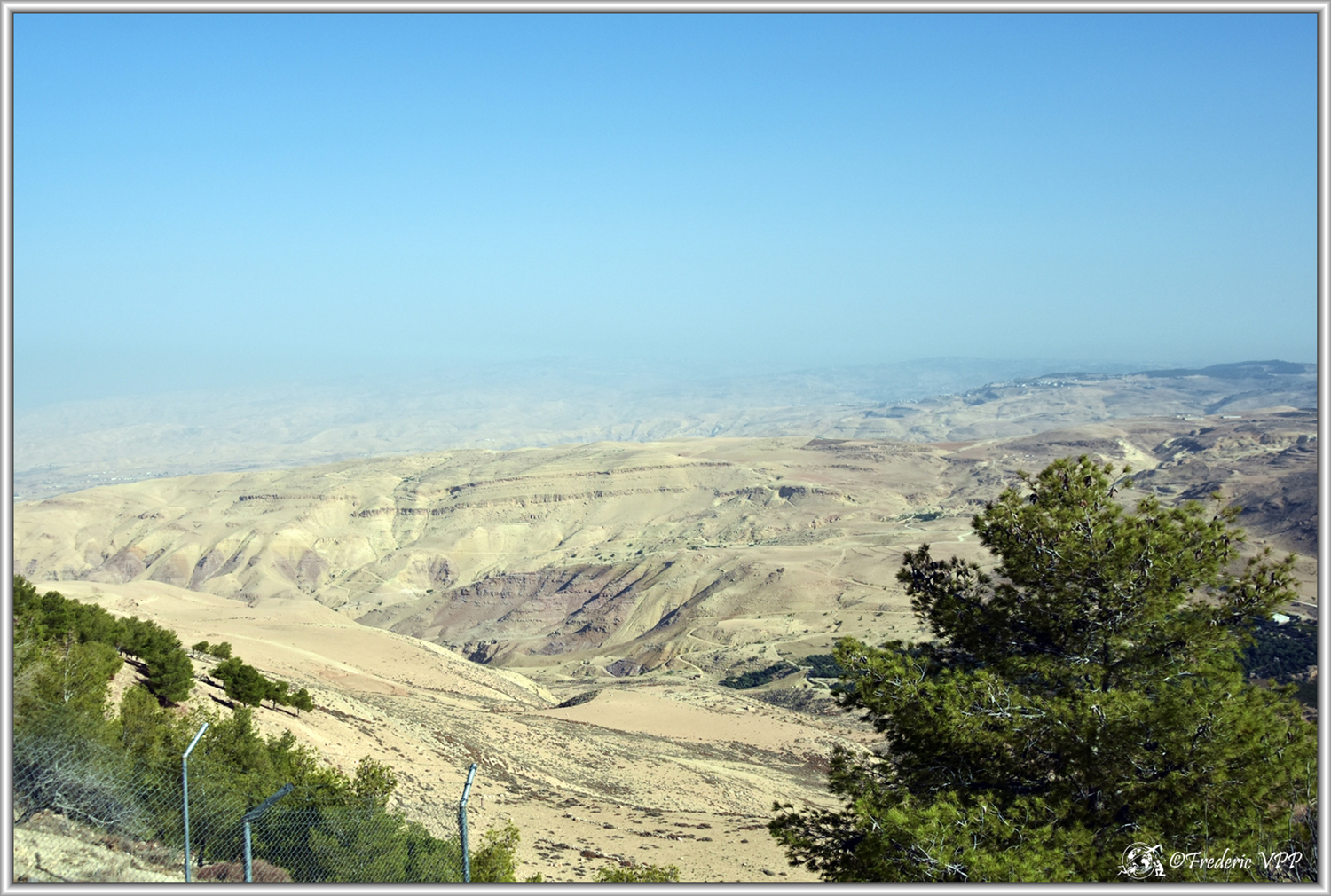
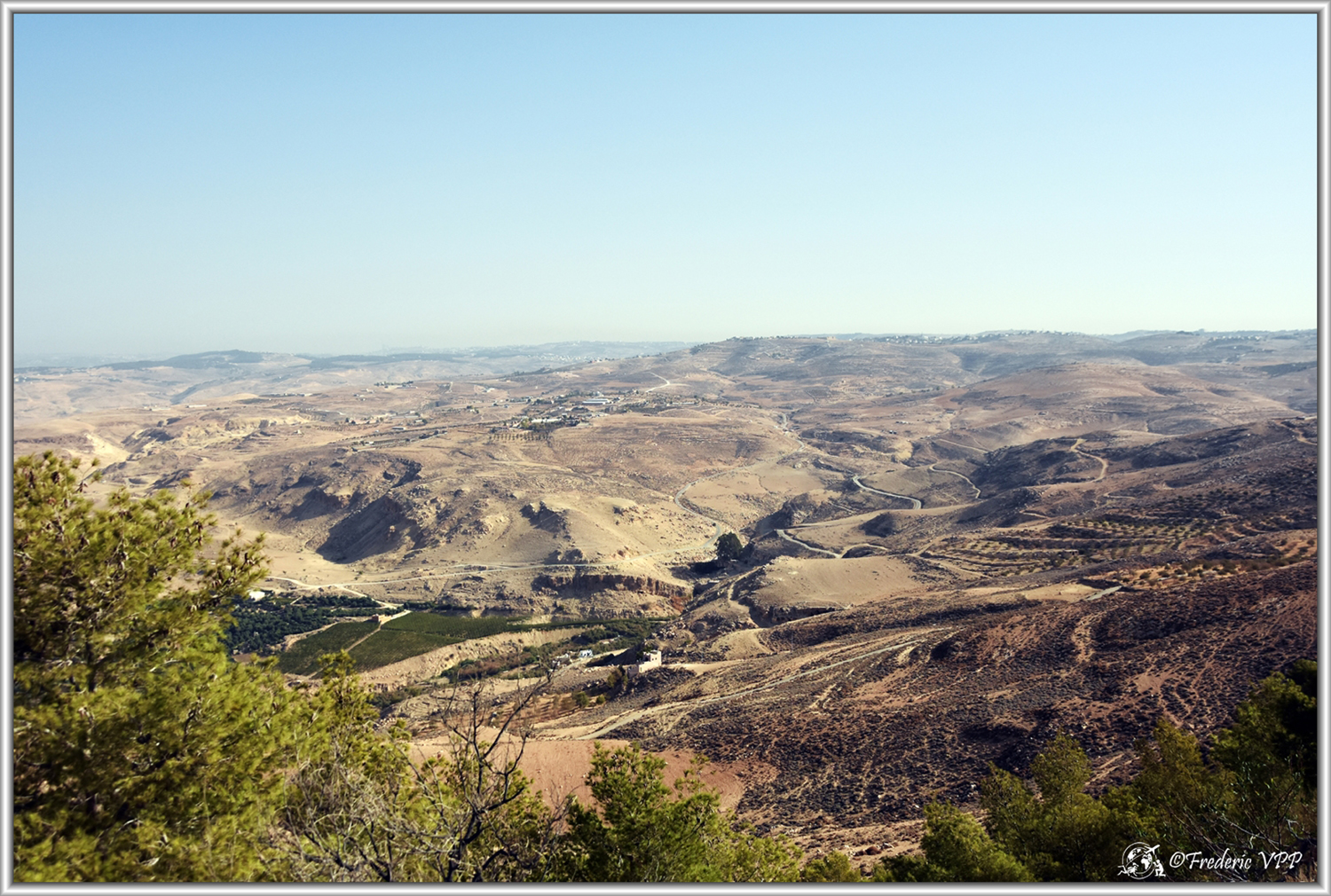
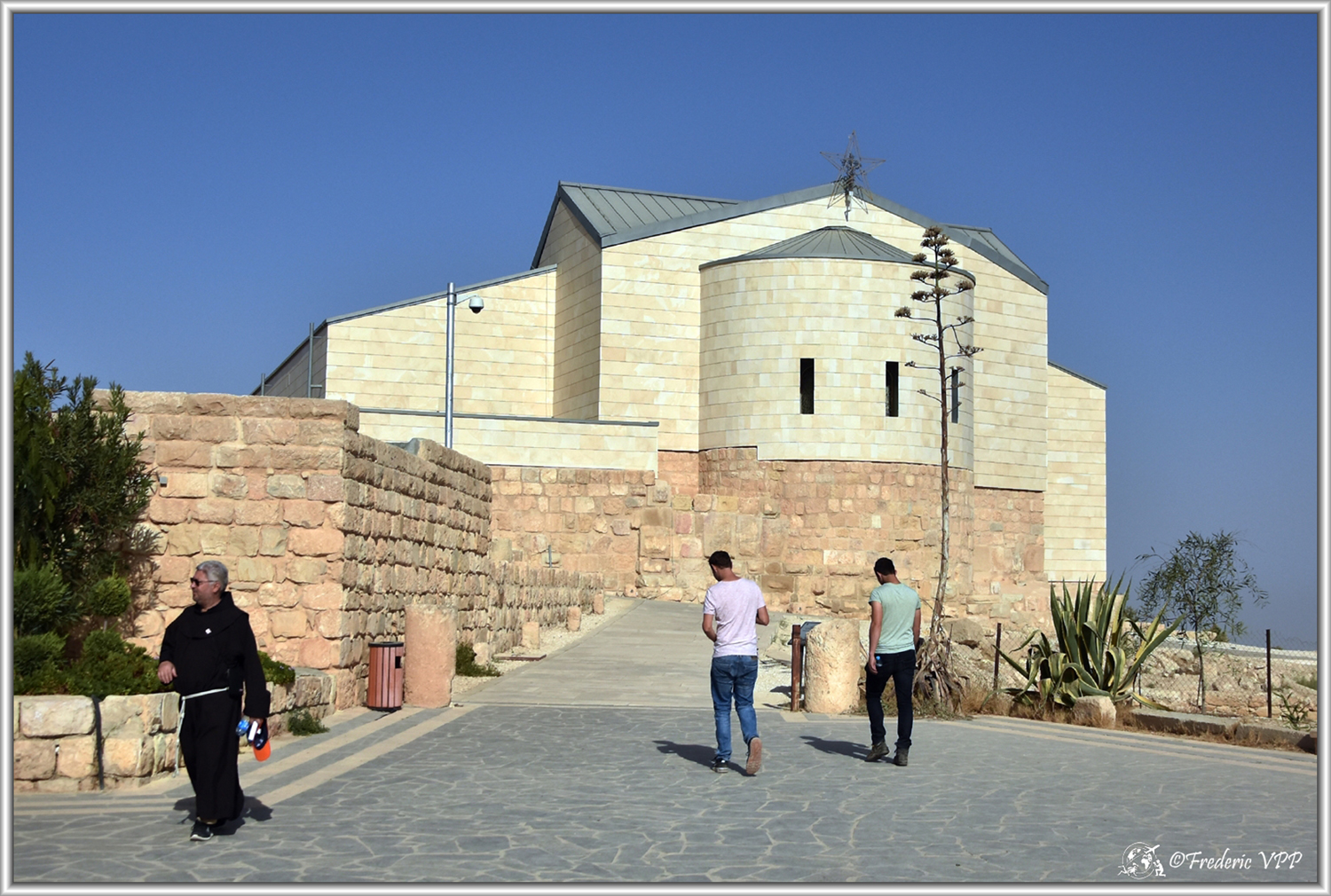
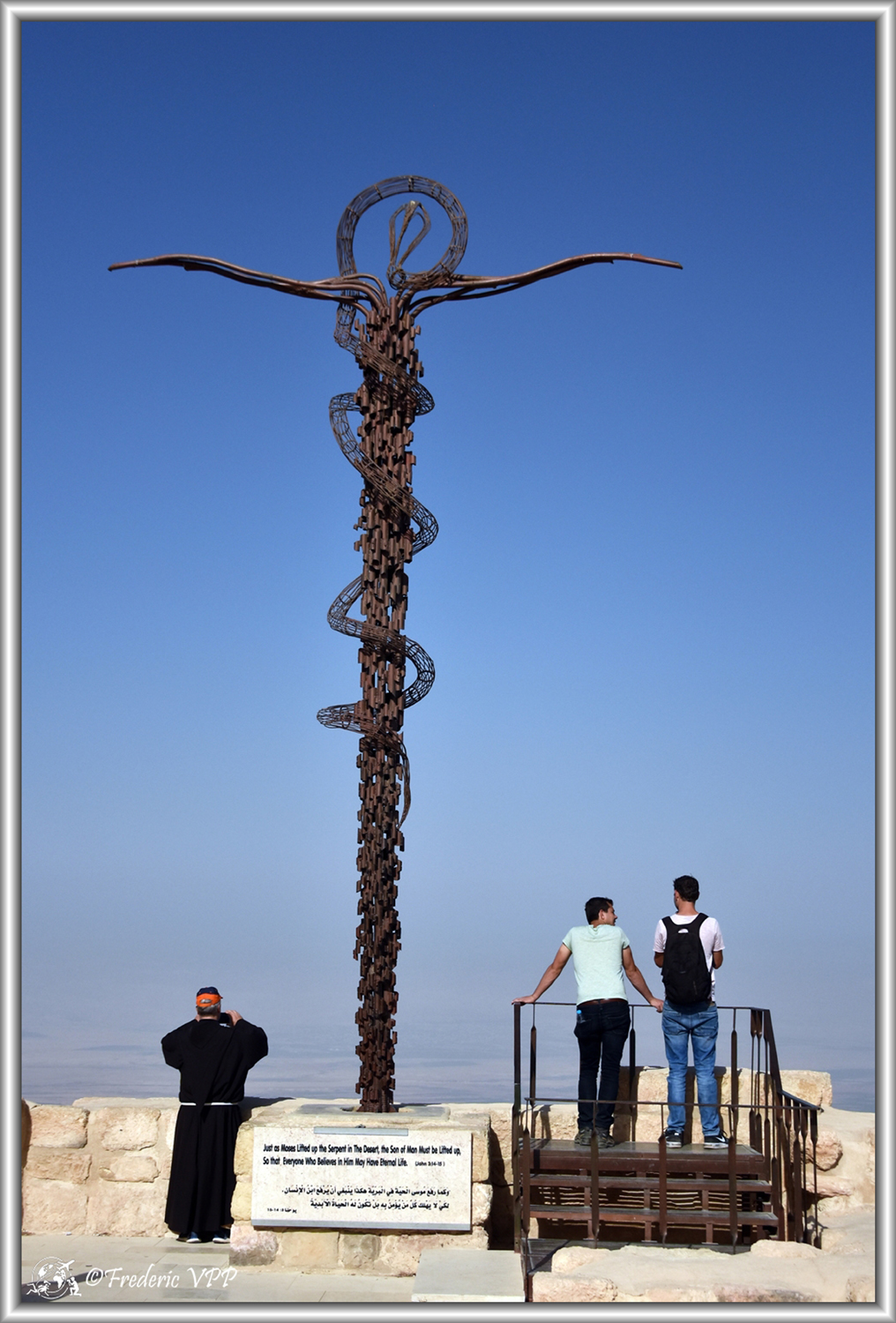
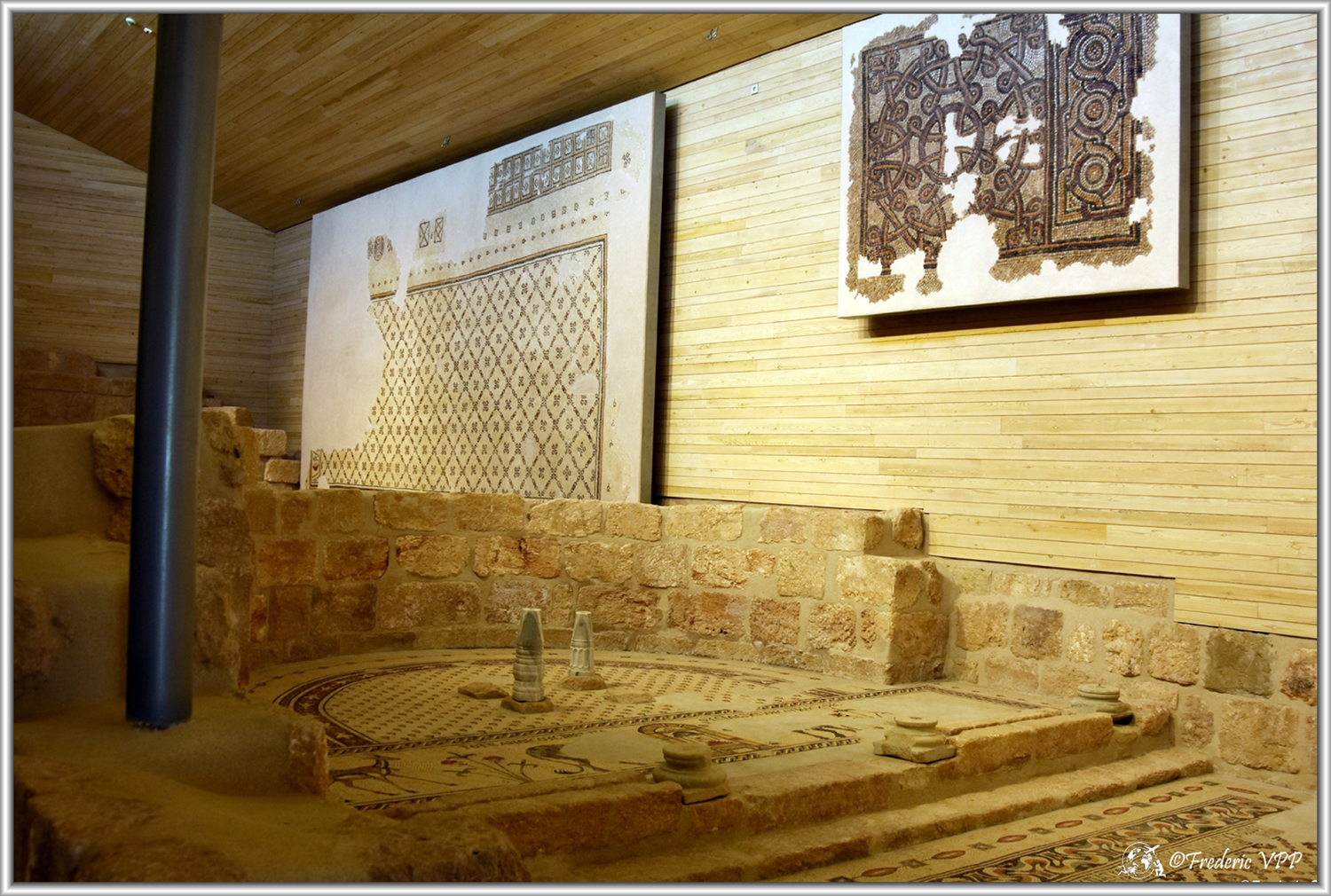
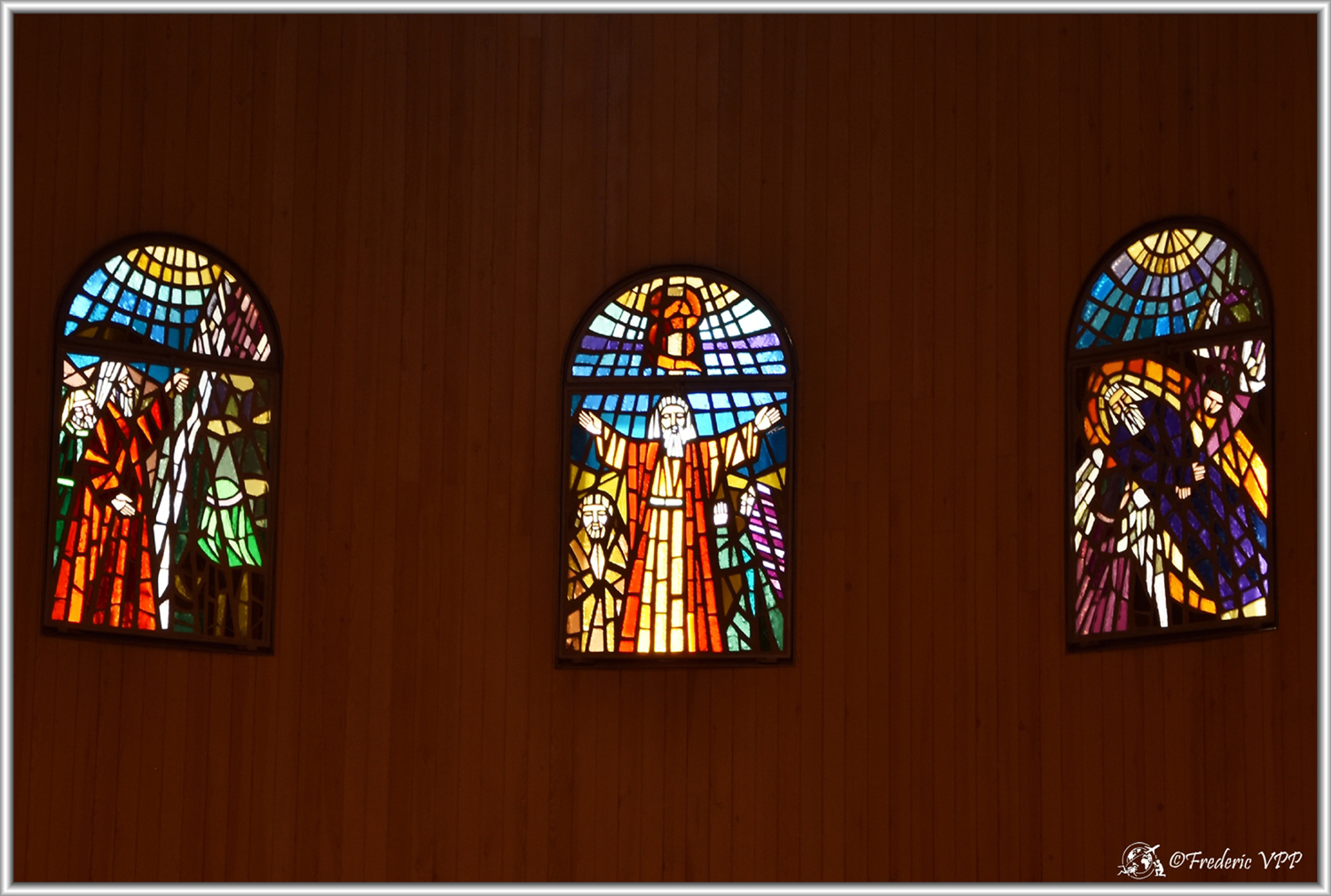
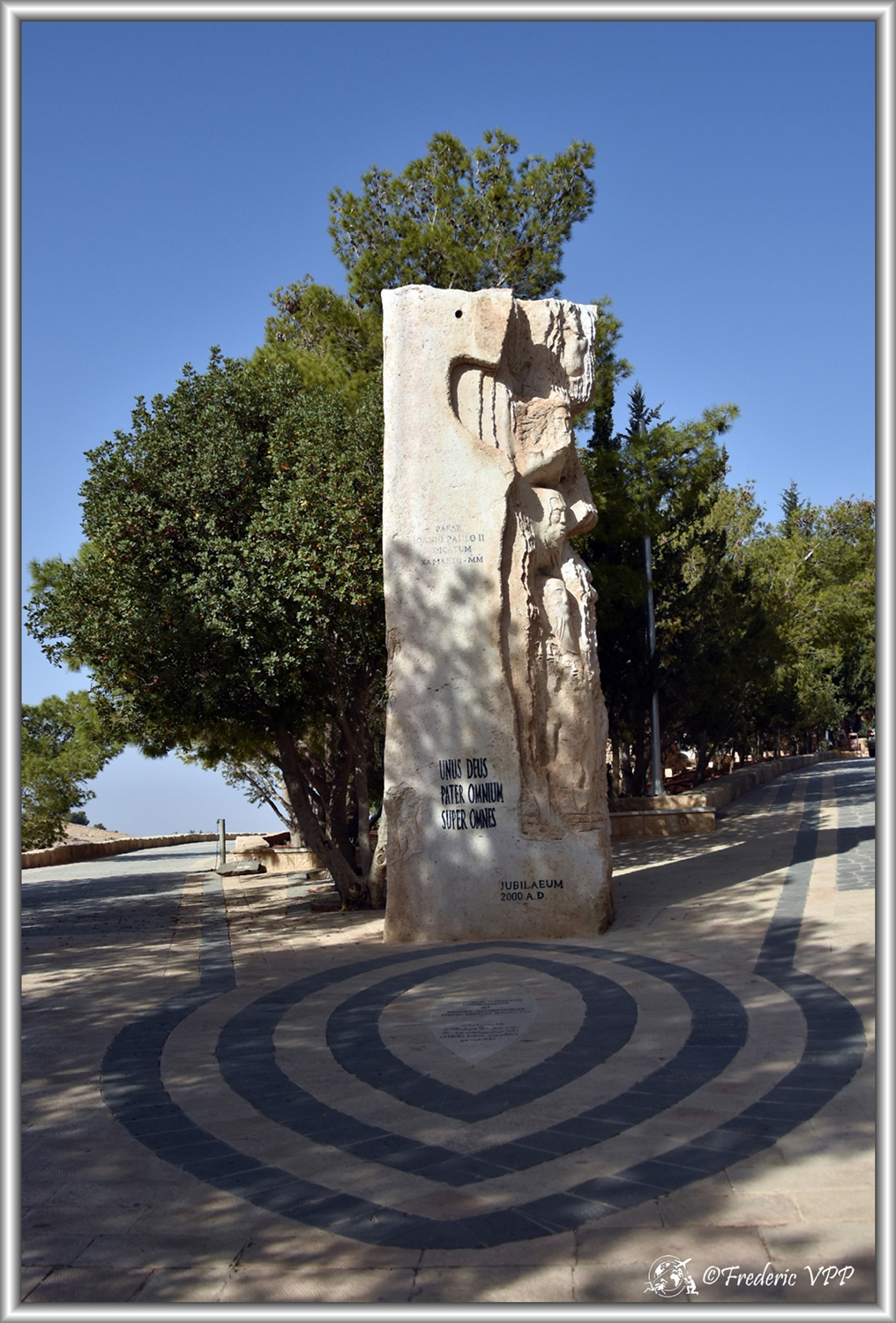
Mount Nebo: The basilica of the Mausoleum of Moses is erected on a hill of 817m (2680ft). An office was underway in the basilica which is also a museum. I was particularly impressed by the panoramic view from the top of this hill.
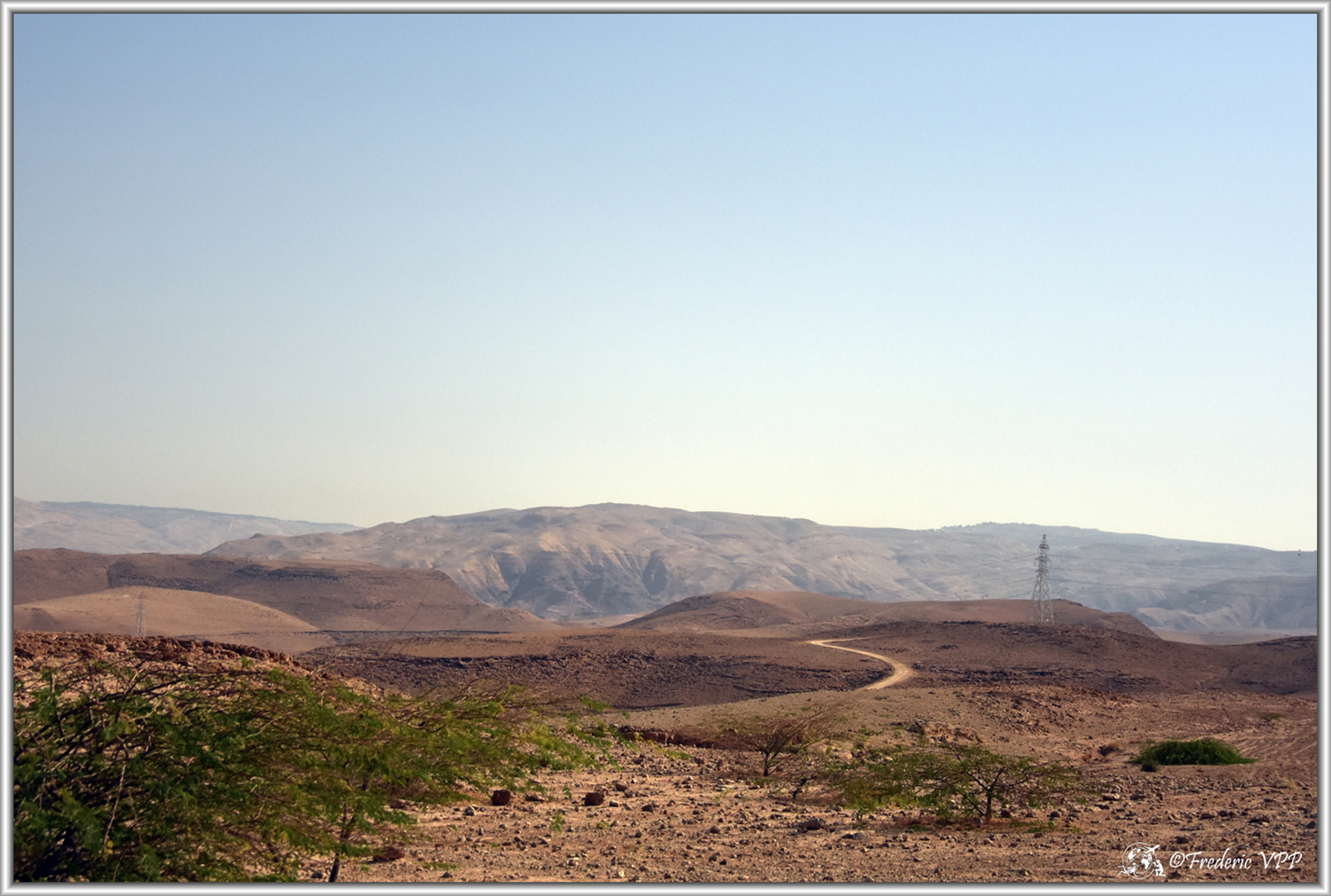
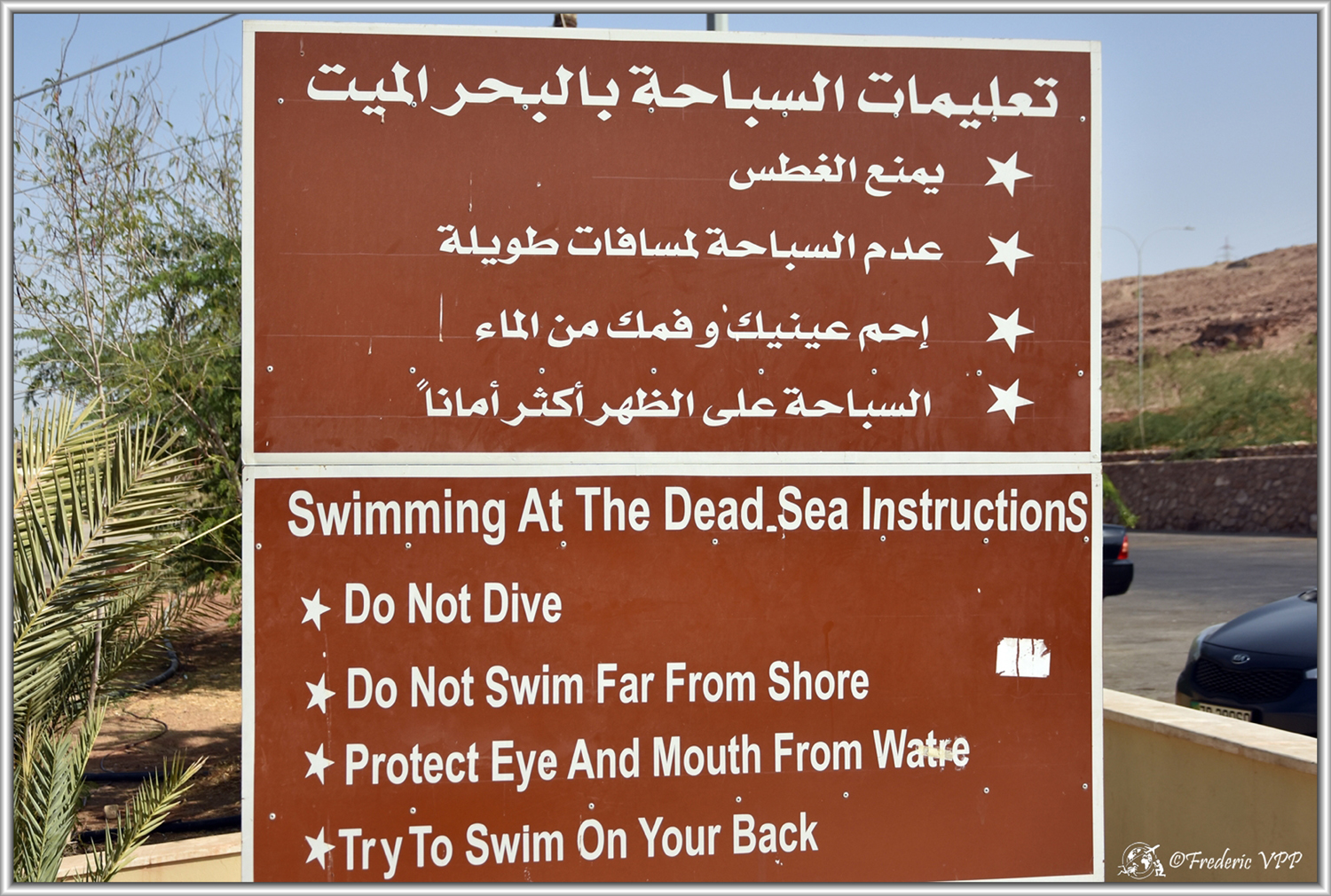
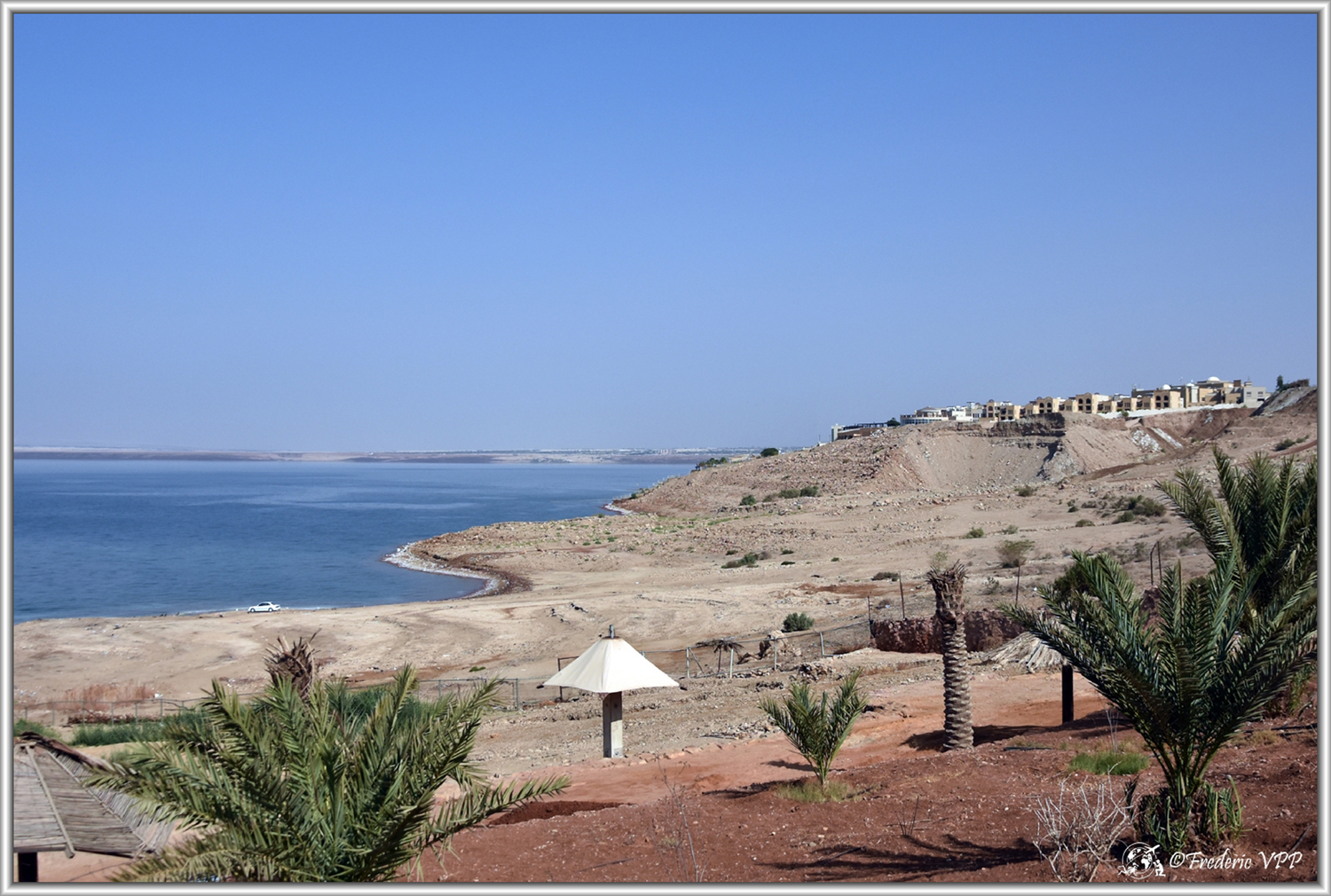
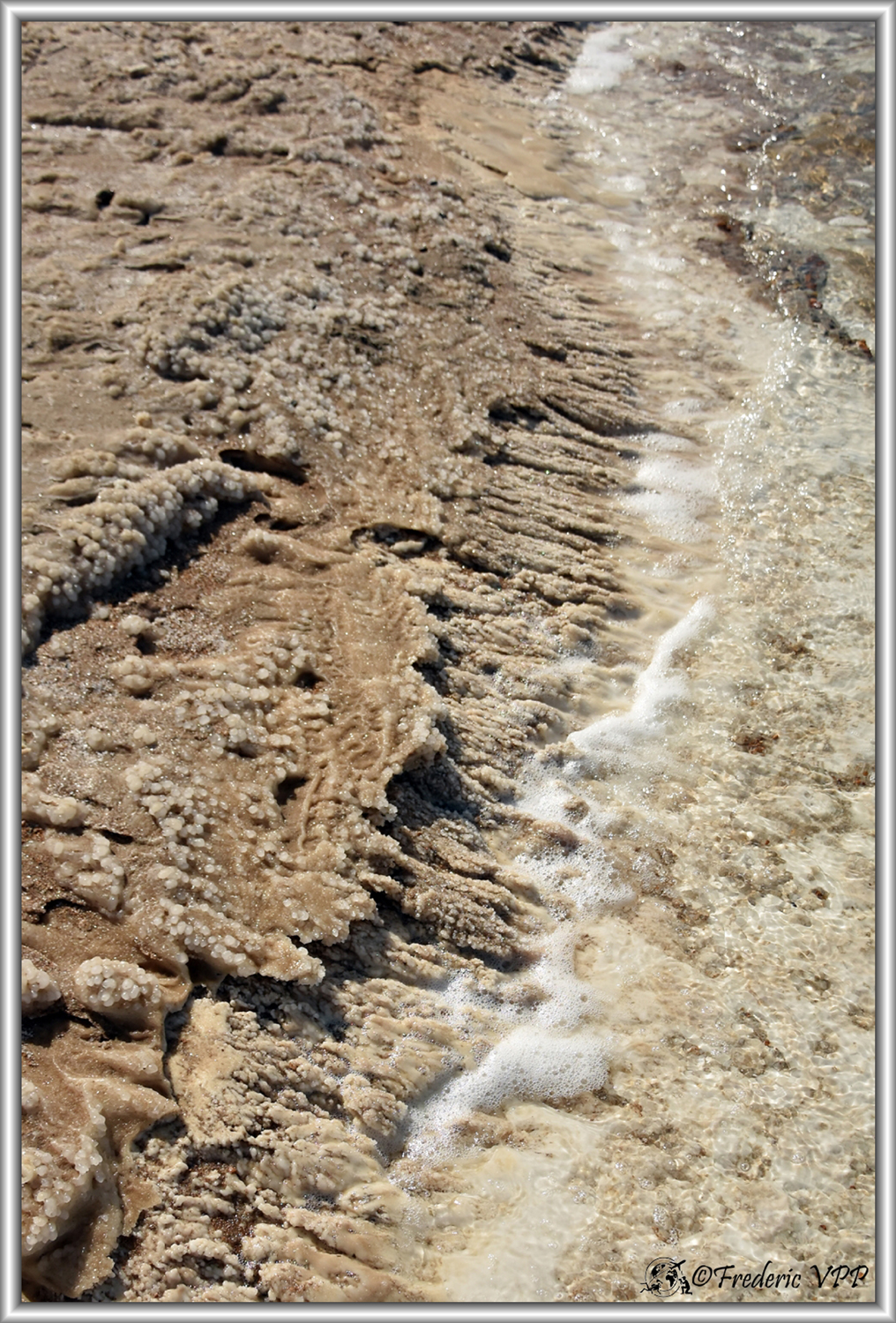
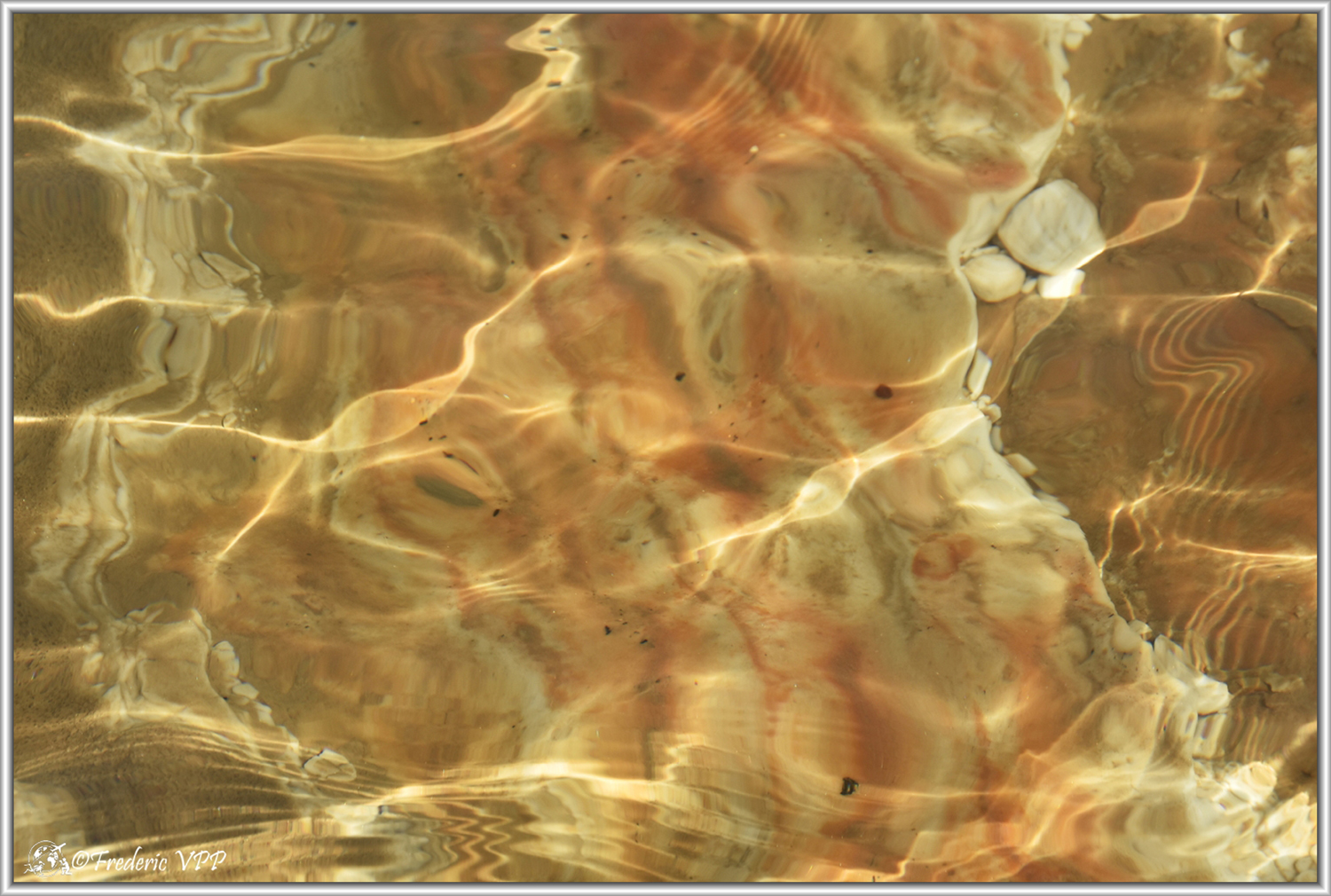
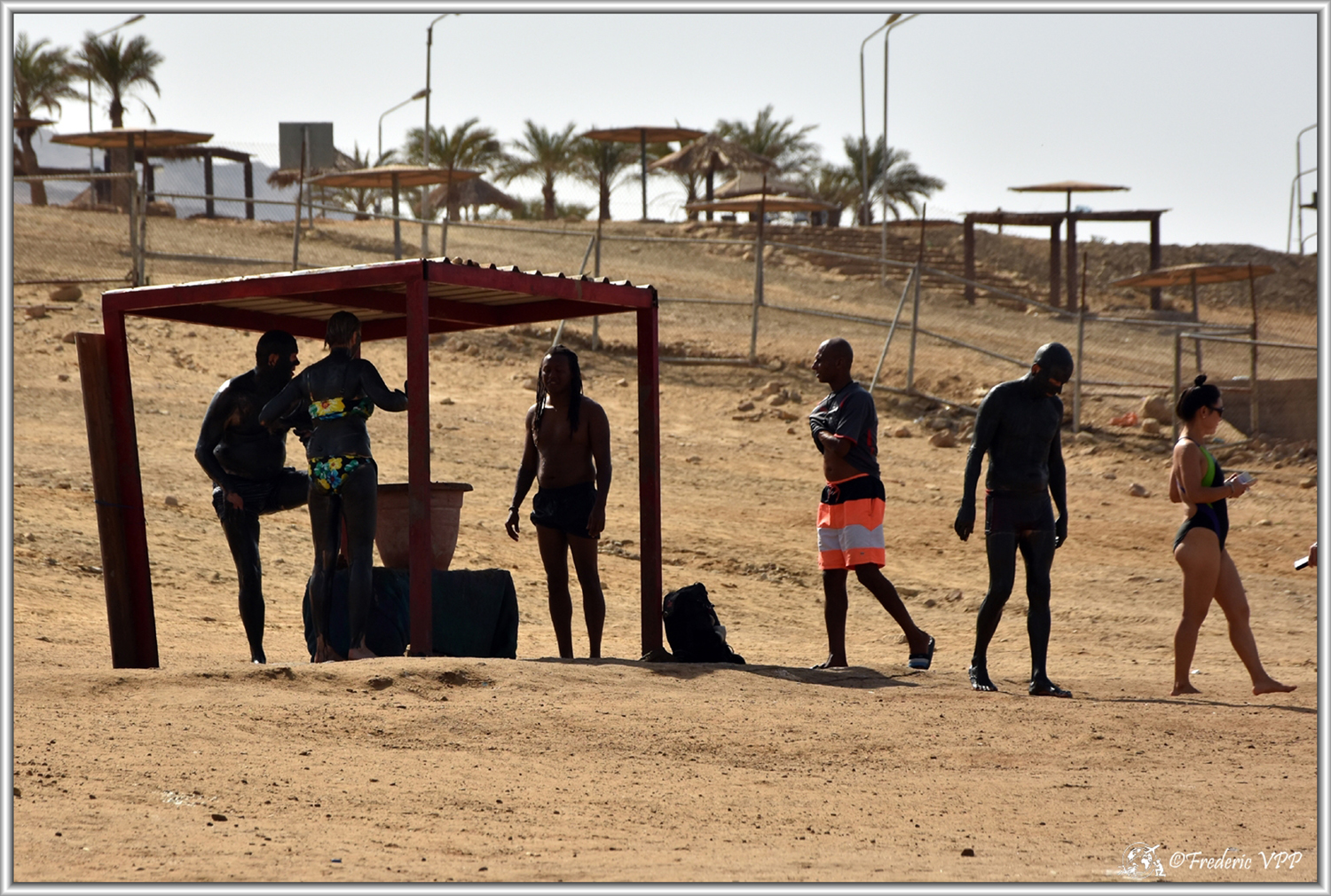
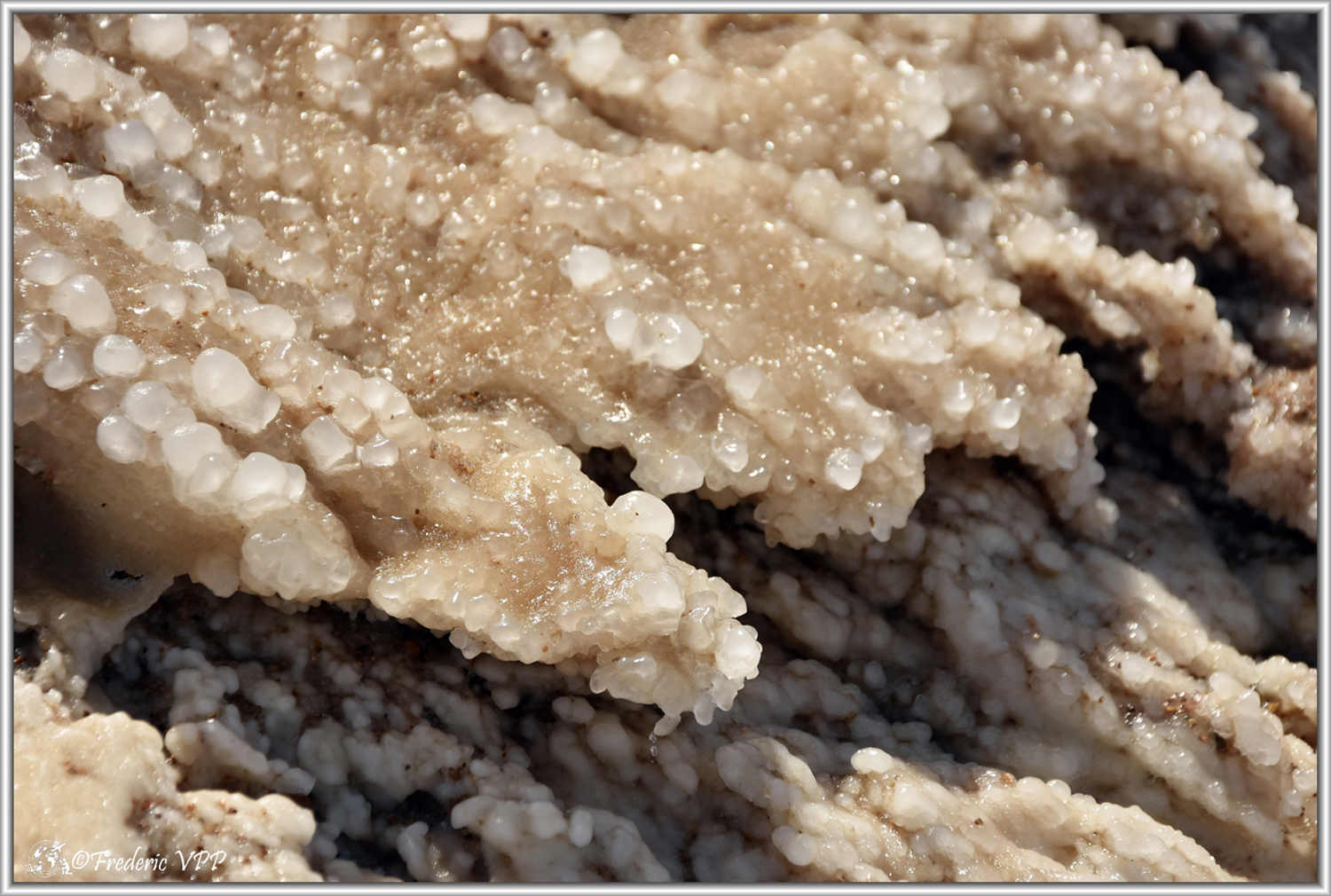
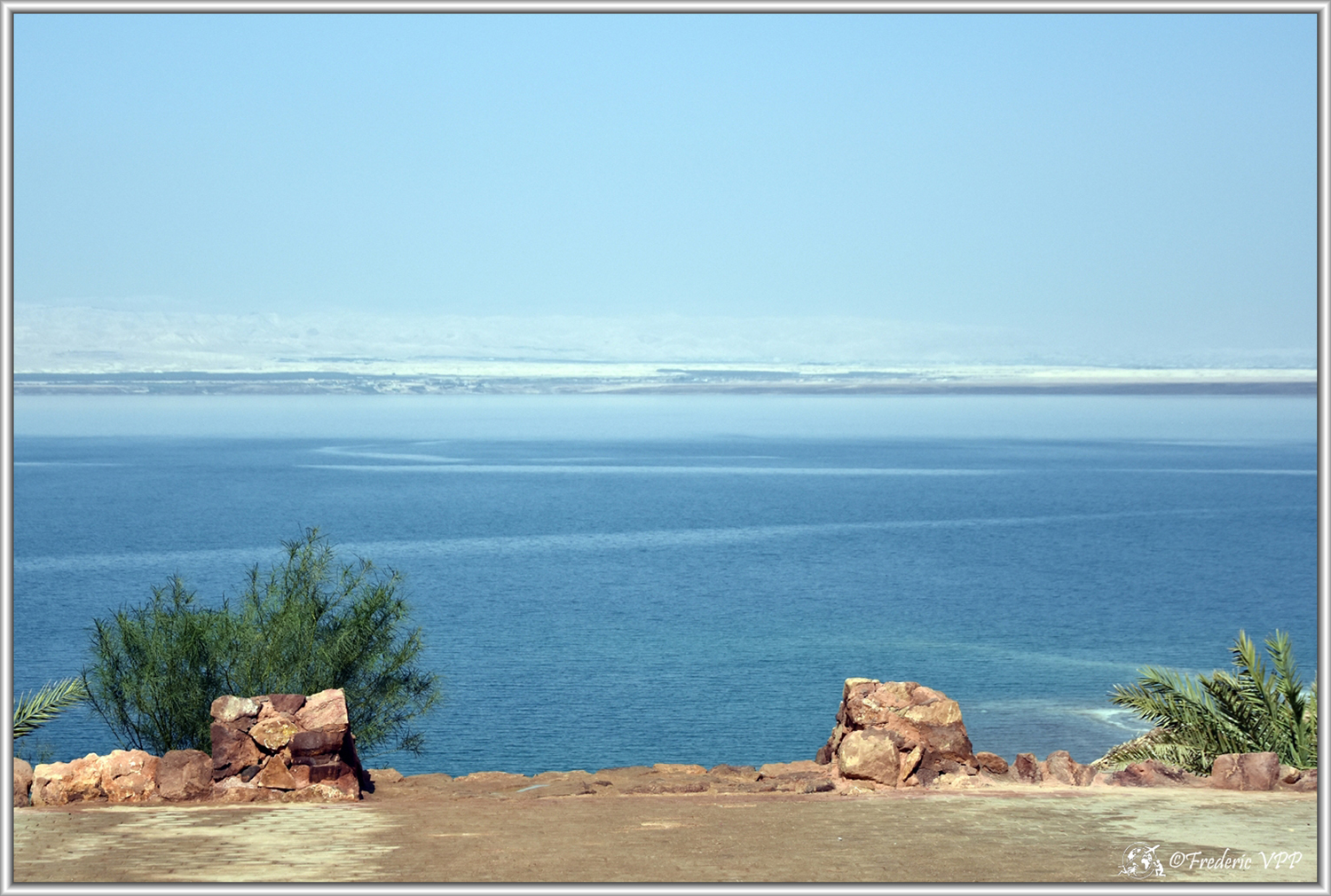
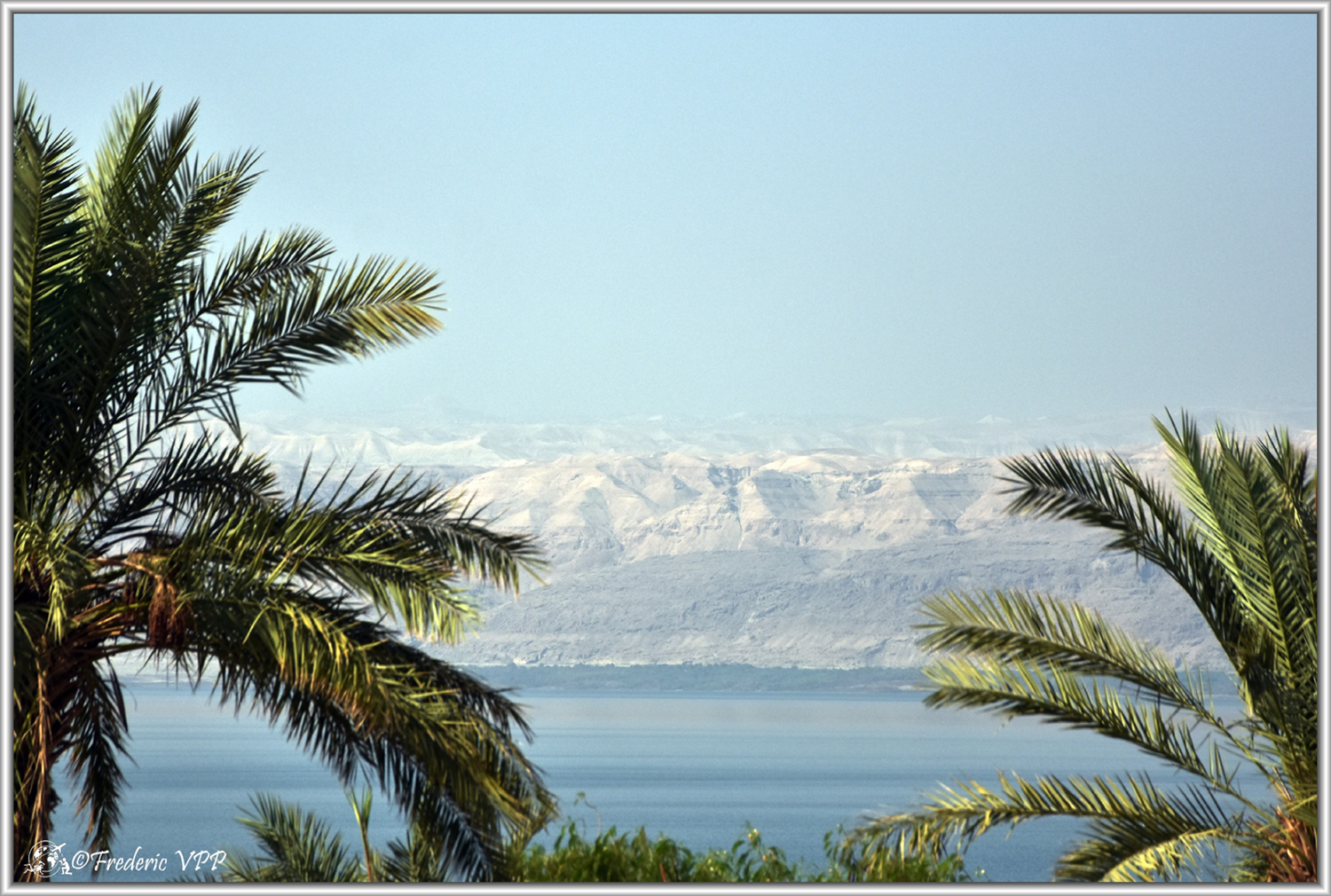
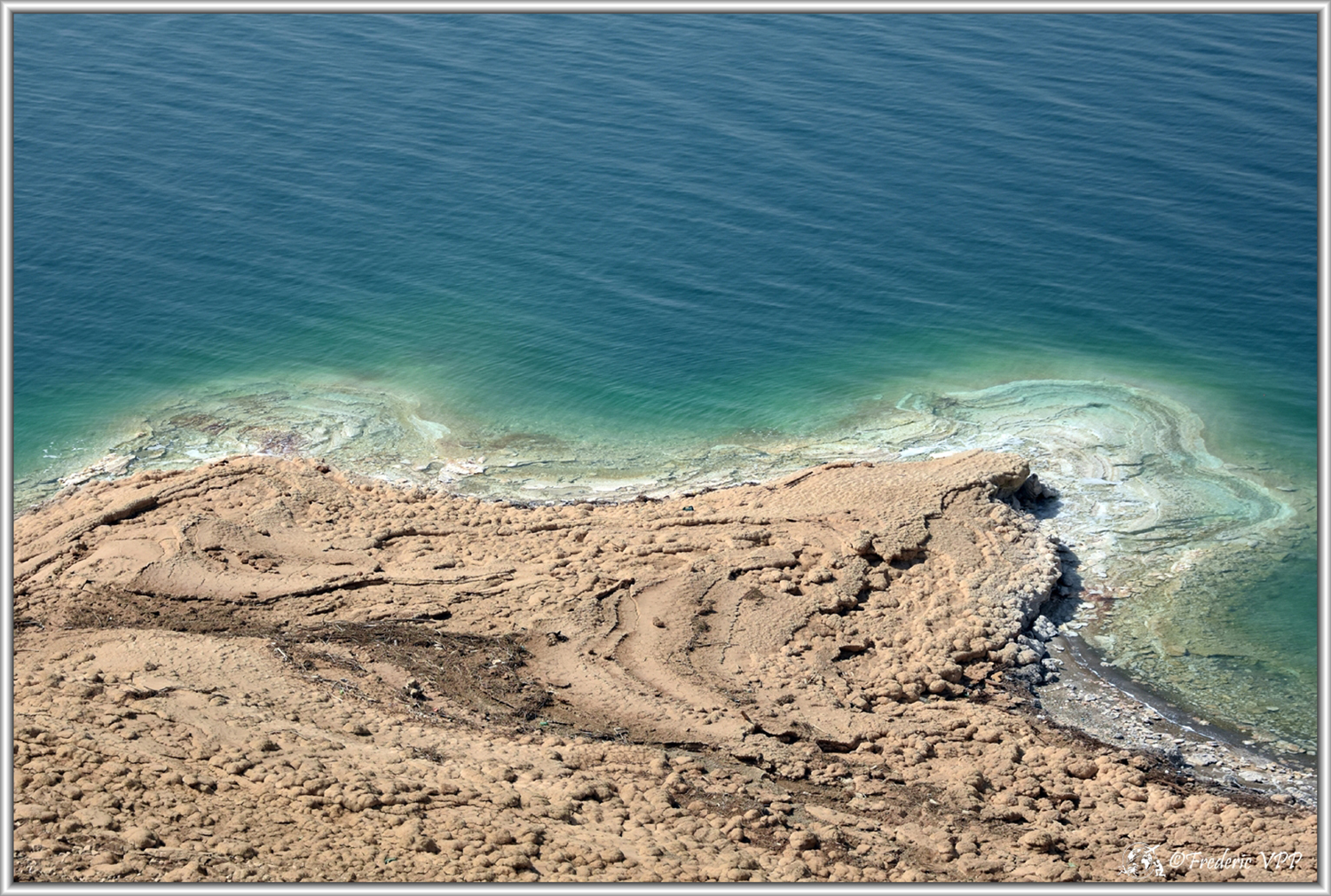
The Dead Sea: Even having visualized the extent of the Dead Sea on Google Map, I did not expect such a huge place. Opposite, the hills of Israel seem so far away. I was only able to soak part of the legs because the salt present gnaws the skin quite easily and I was able to realize that... The background color looks like marble in some places but that's the mixture of salt and sand which gives this mottled appearance. I picked up a white pebble and in the end it was just agglomerated salt. People are covered in black mud, which is good for the skin. On the other hand, signs point out the dangers of bathing in the Dead Sea.
|
|
Jordan, in long form the Hashemite Kingdom of Jordan, is a constitutional monarchy. It is mainly composed of an arid desert plateau to the east, and a mountainous region to the west.
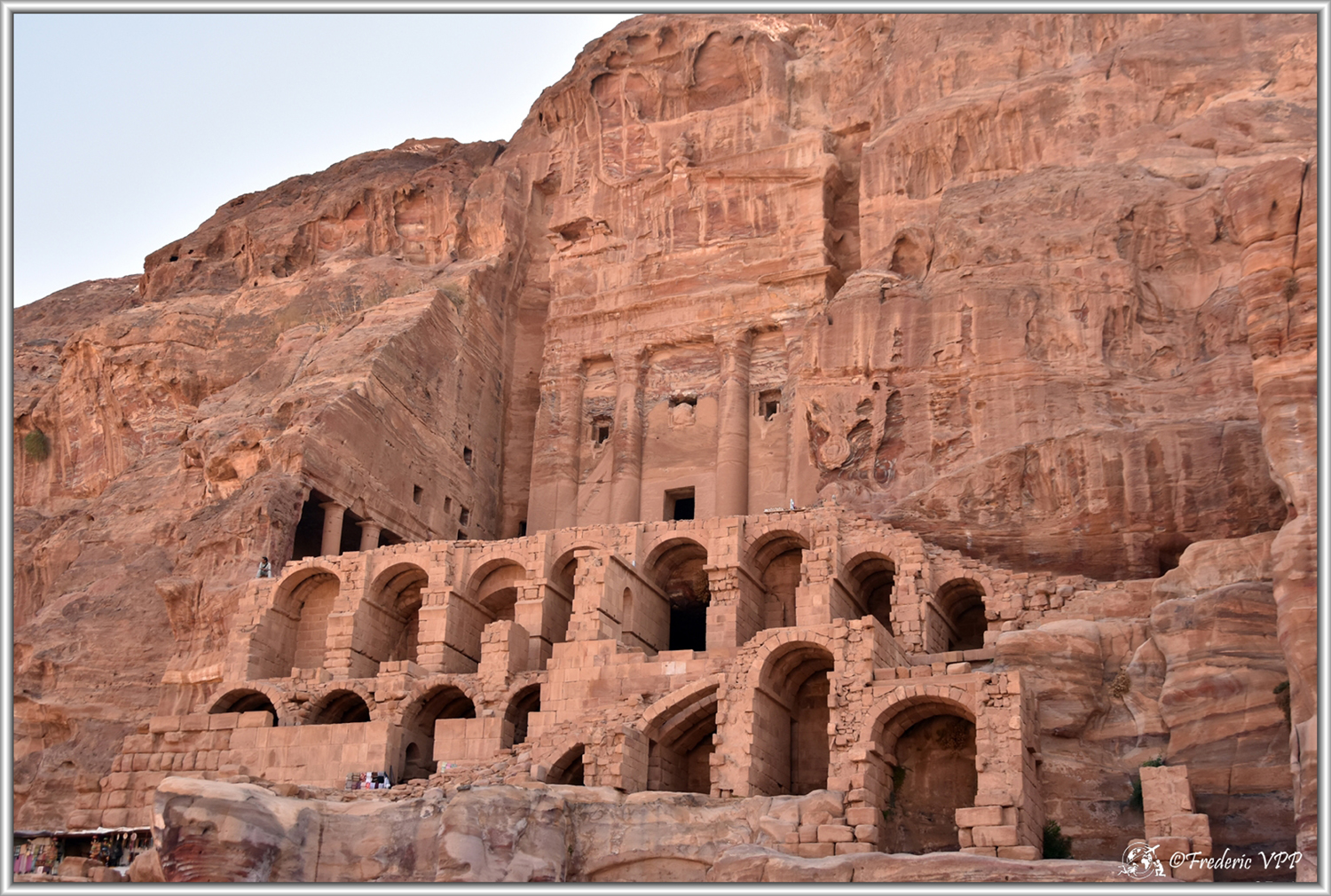
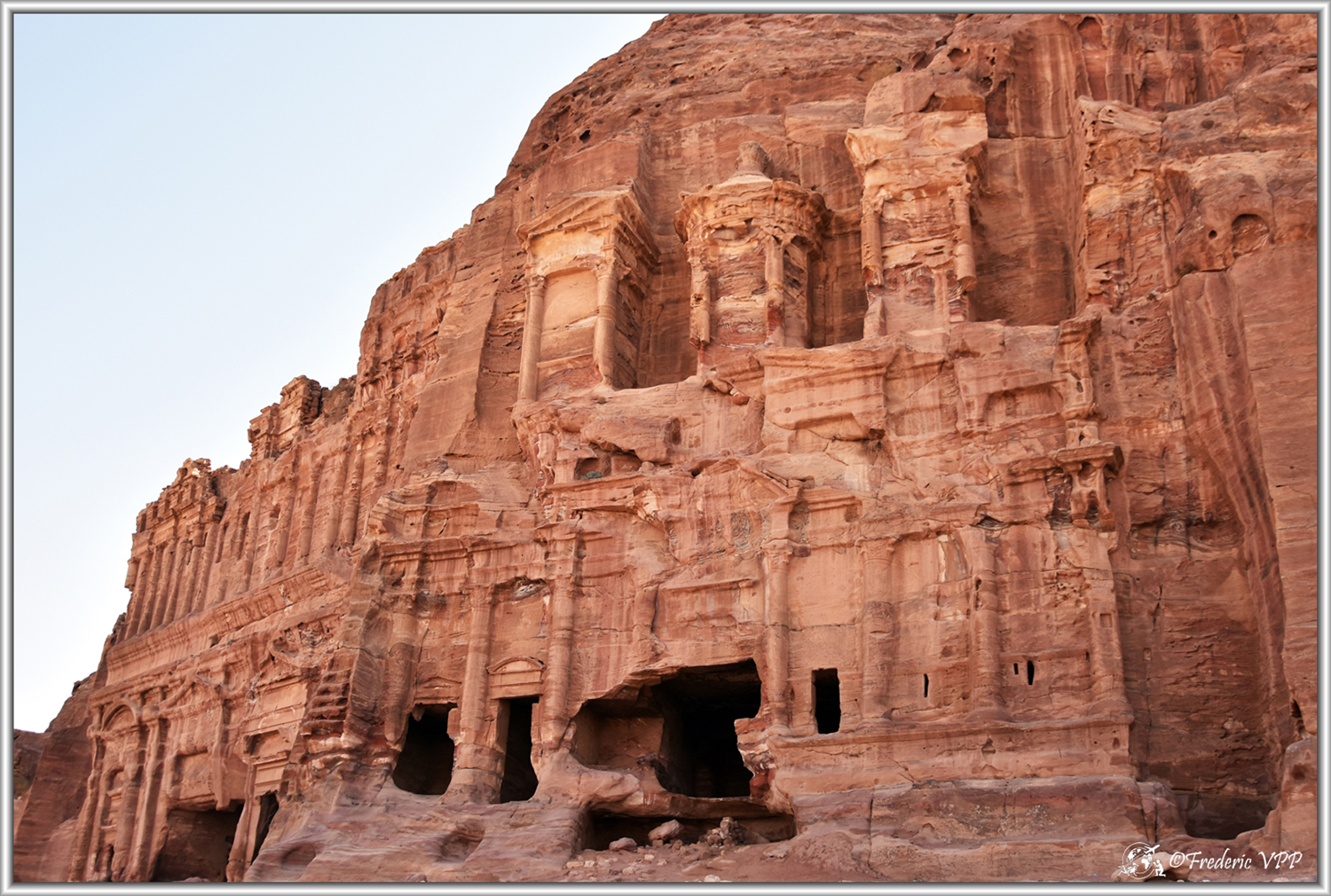
Many civilizations and kingdoms have succeeded one another on Jordanian soil, straddling the fertile crescent and the Arabian desert. Some historical peoples have established their capitals there such as the Ammonites, the Edomites, the Moabites. Other civilizations also dominated this region, such as the Akkadians, the Assyrians, the Babylonians, the Persians, as well as Pharaoh's Egypt or the Hasmonean Jewish dynasty of the Maccabees. The most famous civilization in Jordan was probably the Nabataean civilization which left rich archaeological remains there like Petra. The Arabic alphabet seems to have been born in Petra. Other civilizations also ruled in Jordan such as Macedonians, Romans, Byzantines and Ottomans. From the 7th century, the region has been culturally Muslim and Arab, with the exception of a brief period of Crusader domination and under the British Mandate.
During the First World War, the British conquered a strip of territory from the Ottoman Empire. In 1920, during the San Remo Conference and in the mandate given to the British over Palestine in 1922, the allies redefine the borders of the region by dividing it into four mandates, including that of Mandatory Palestine, which includes the territories located between the sea Mediterranean and the Syrian desert, territories corresponding today to Israel, the West Bank, the Gaza Strip and Jordan. The British split the region into two parts: Palestine to the west of the Jordan, and the "Hashemite Emirate of Transjordan" to the east.
In 1946, the Emirate acquired full independence and became the "Hashemite Kingdom of Transjordan". In 1949, to mark territorial changes, the kingdom changed its name to become the "Hashemite Kingdom of Jordan". After the Six Day War (Israel's "preventive attack" against its Arab neighbours), the country lost much of its prestige in the eyes of the Palestinians who were developing "a state within a state". They are waging their own struggle against Israel. In 1994, the Israeli-Jordanian peace treaty was signed, giving rise to minor modifications to the borders and remaining awaiting a final settlement of the Israeli-Palestinian conflict. King Hussein died in February 1999. His son, Abdallah II, succeeded him and continued the political and economic reforms of the country begun in the 1990s, towards more liberalism. In the 2000s, and despite the events affecting the region, the Jordanian government showed regular concern for remaining at peace with its neighbours. The different provinces are "Governorates". Its economy is essentially based on oil, and also on tourism. Islam is the state religion. According to official estimates, 92% of the inhabitants are Sunnis and Christians represent 6% of the population.
|
|
Sorry if the links are outdated or not accessible
|