China
ChinaChina, January 2025
I was finally able to visit China. An Asian country that I like very much because of its history, its innovations and the association between the past and the future...
|
When you travel to China, as a European, you imagine a policed country, with multiple cameras, a country where people don't make a mistake in the street. However, the population does not always follow the rules. The number of scooters that do not respect the lights or the direction of the road.
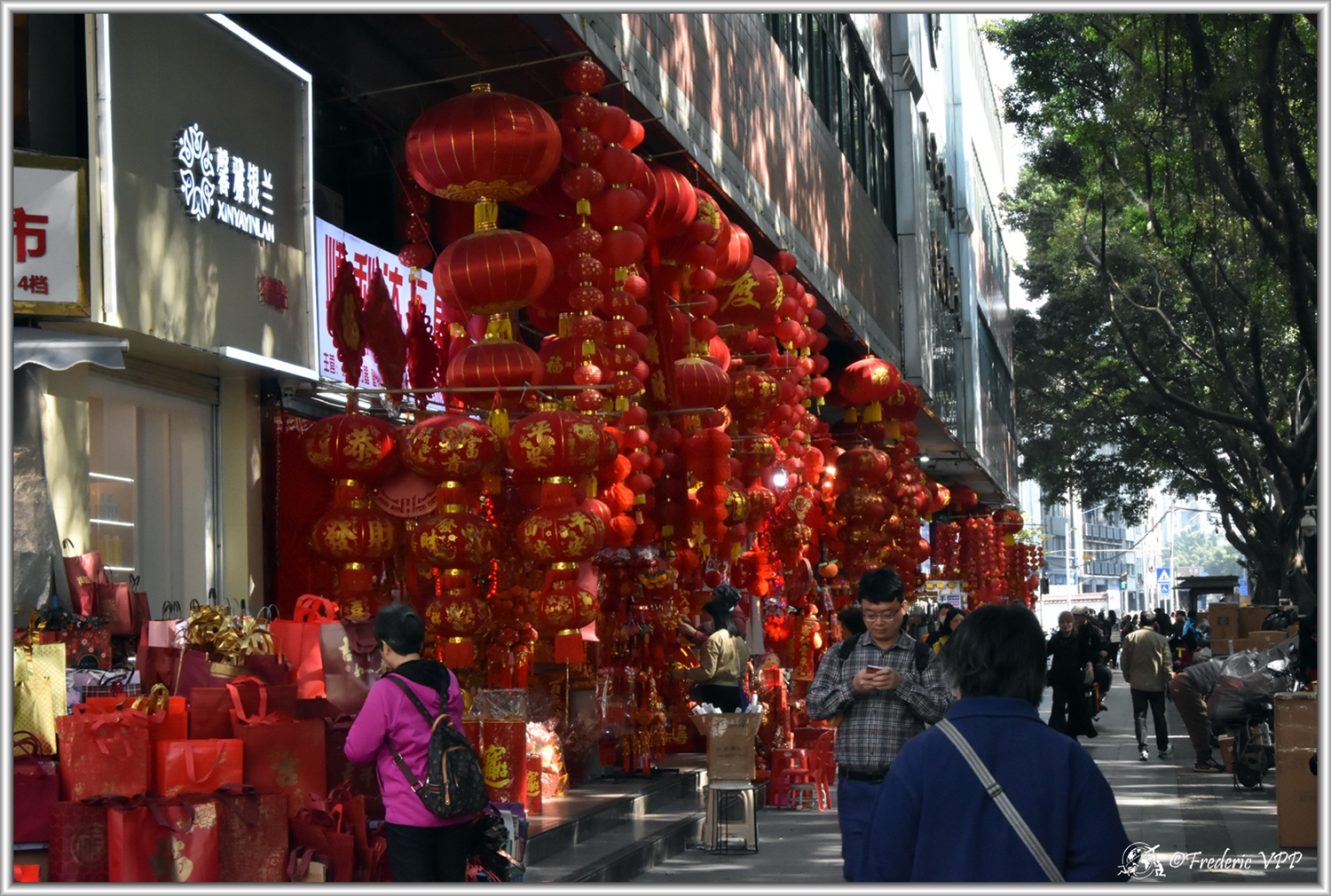
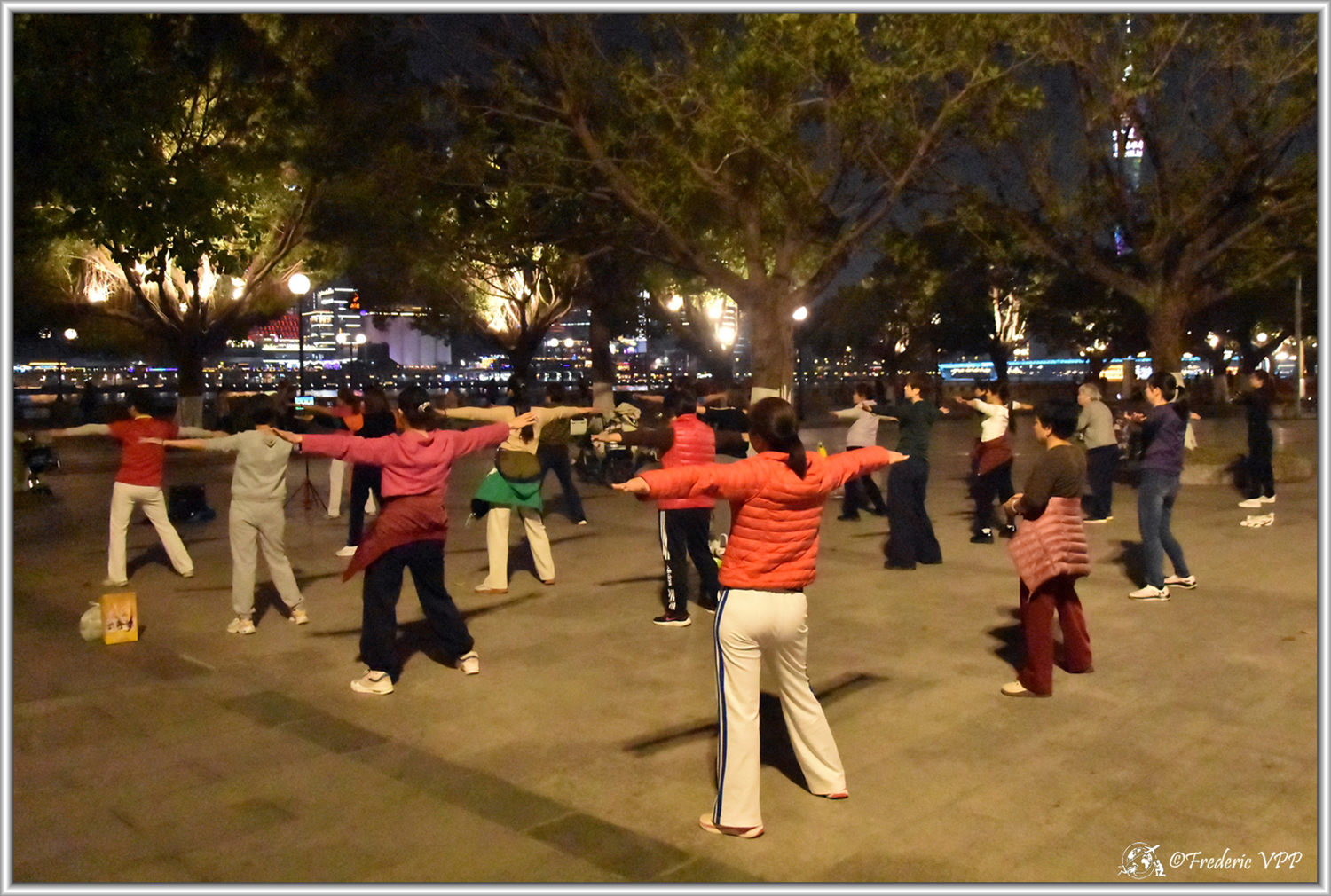
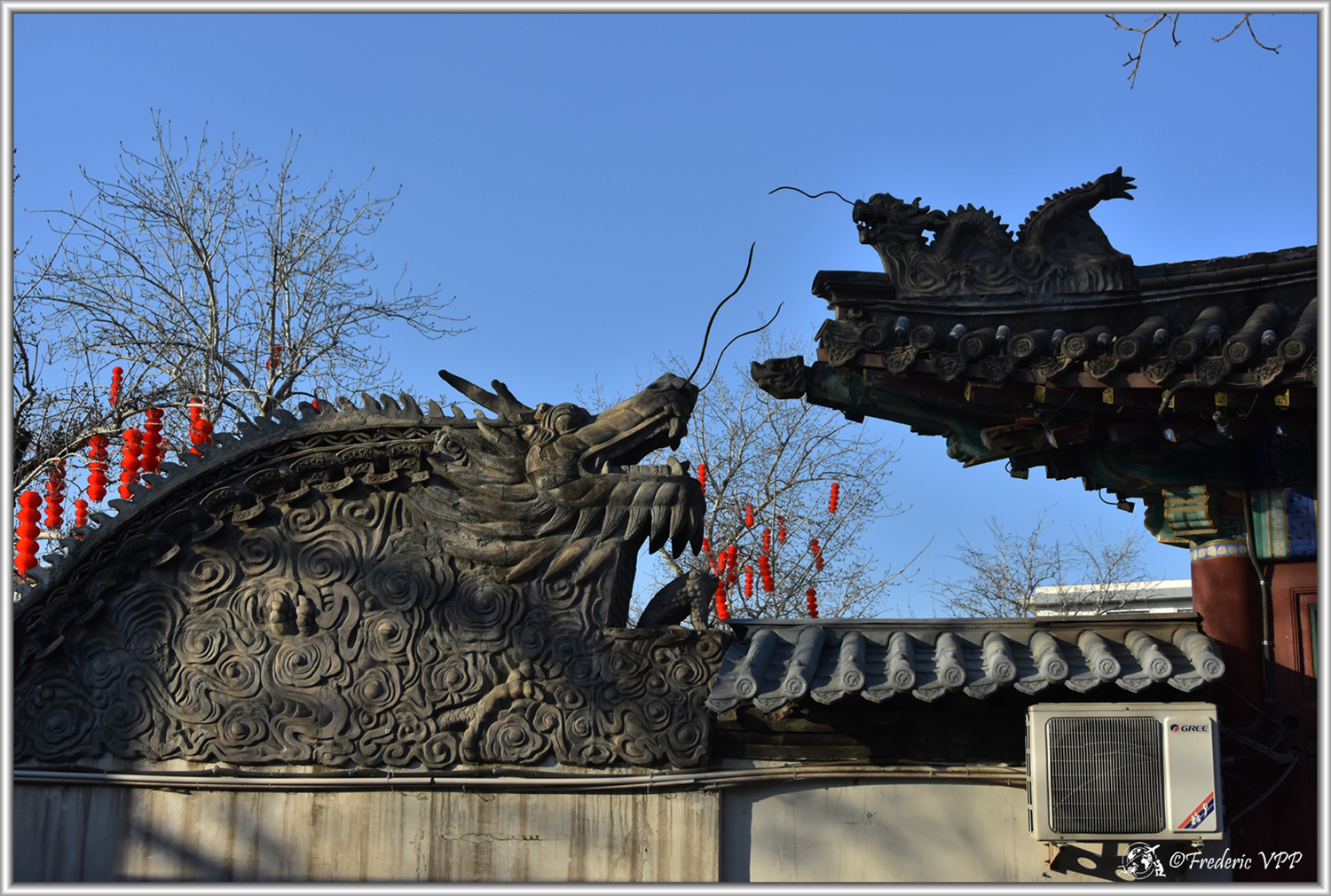
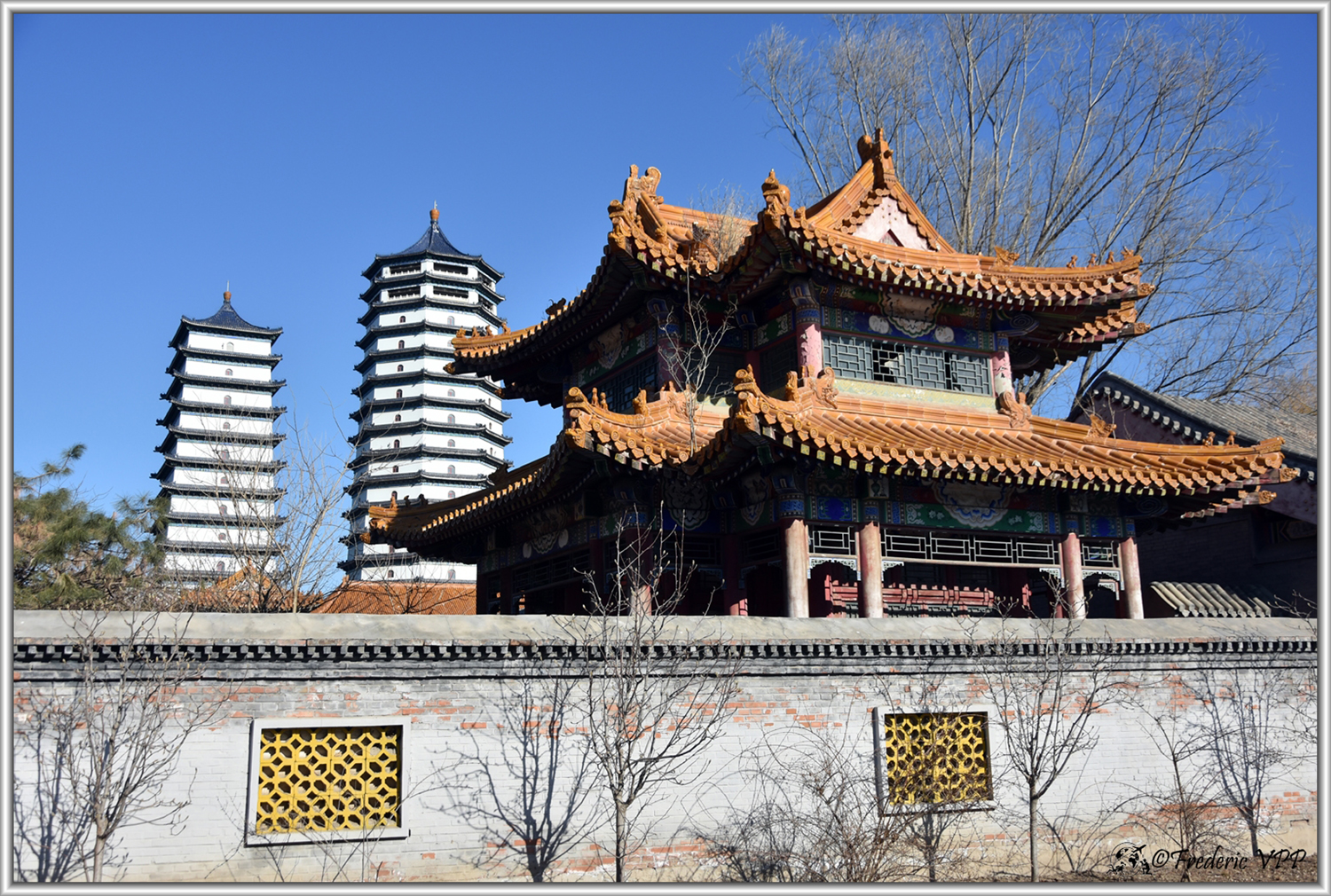
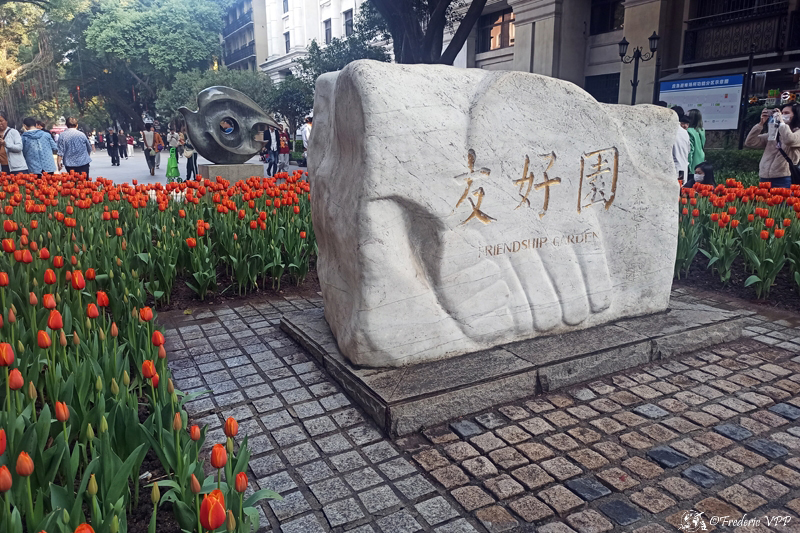
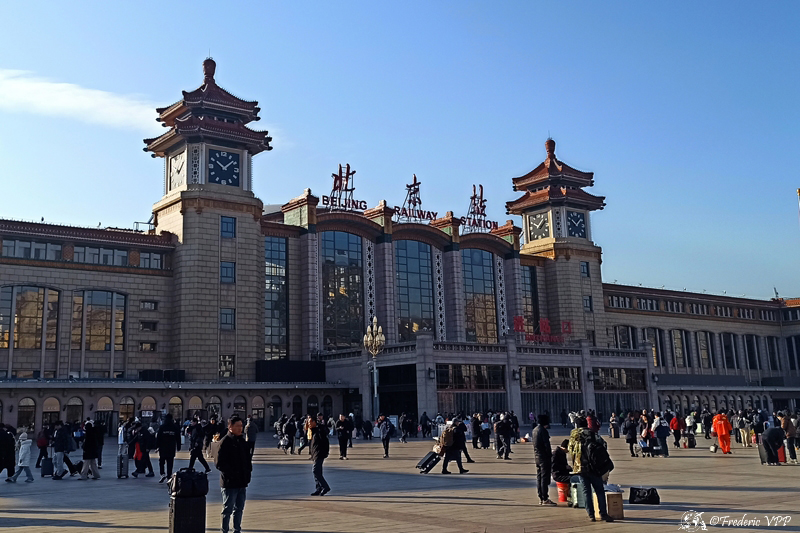
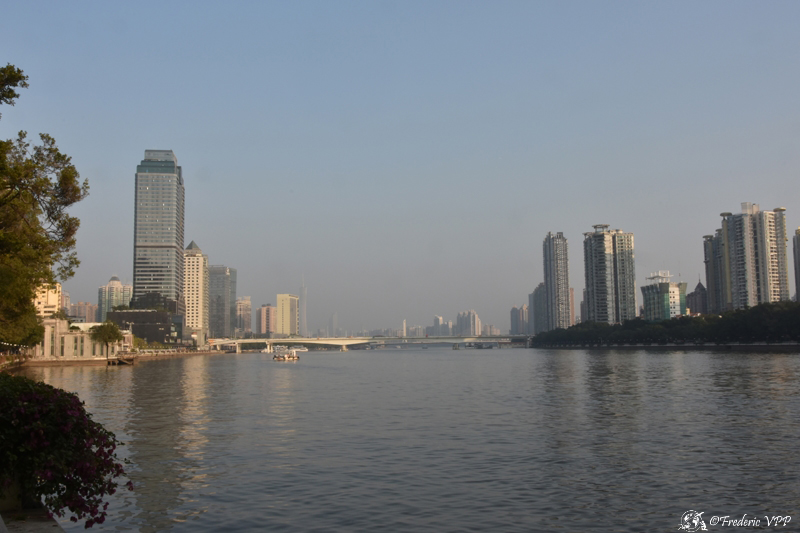
I visited two cities: Guangzhou and Beijing, two completely different cities. Guangzhou is a city where the past and the modern mix. Beijing looks more like an American city with many buildings. That's what struck me the most in the capital.
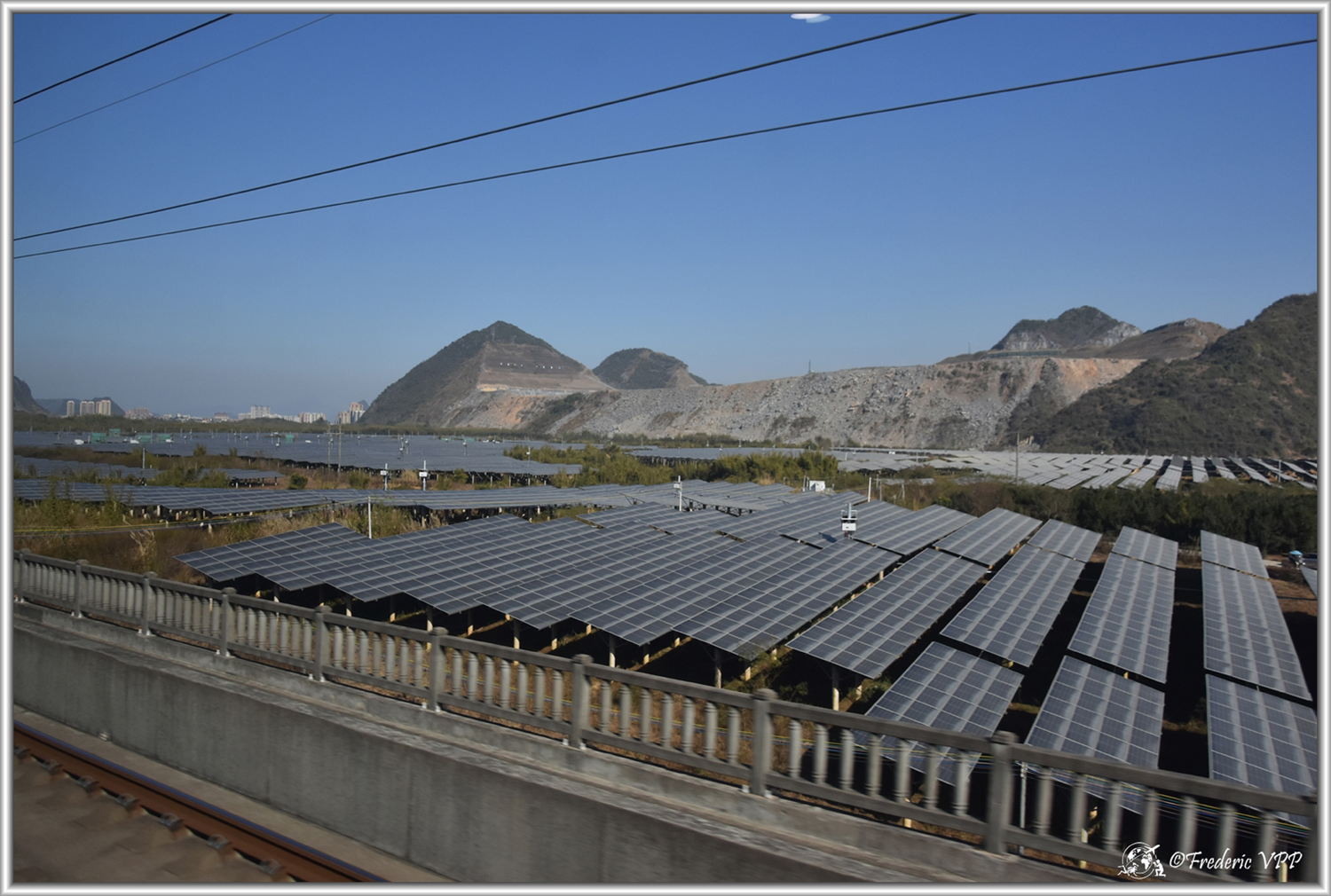
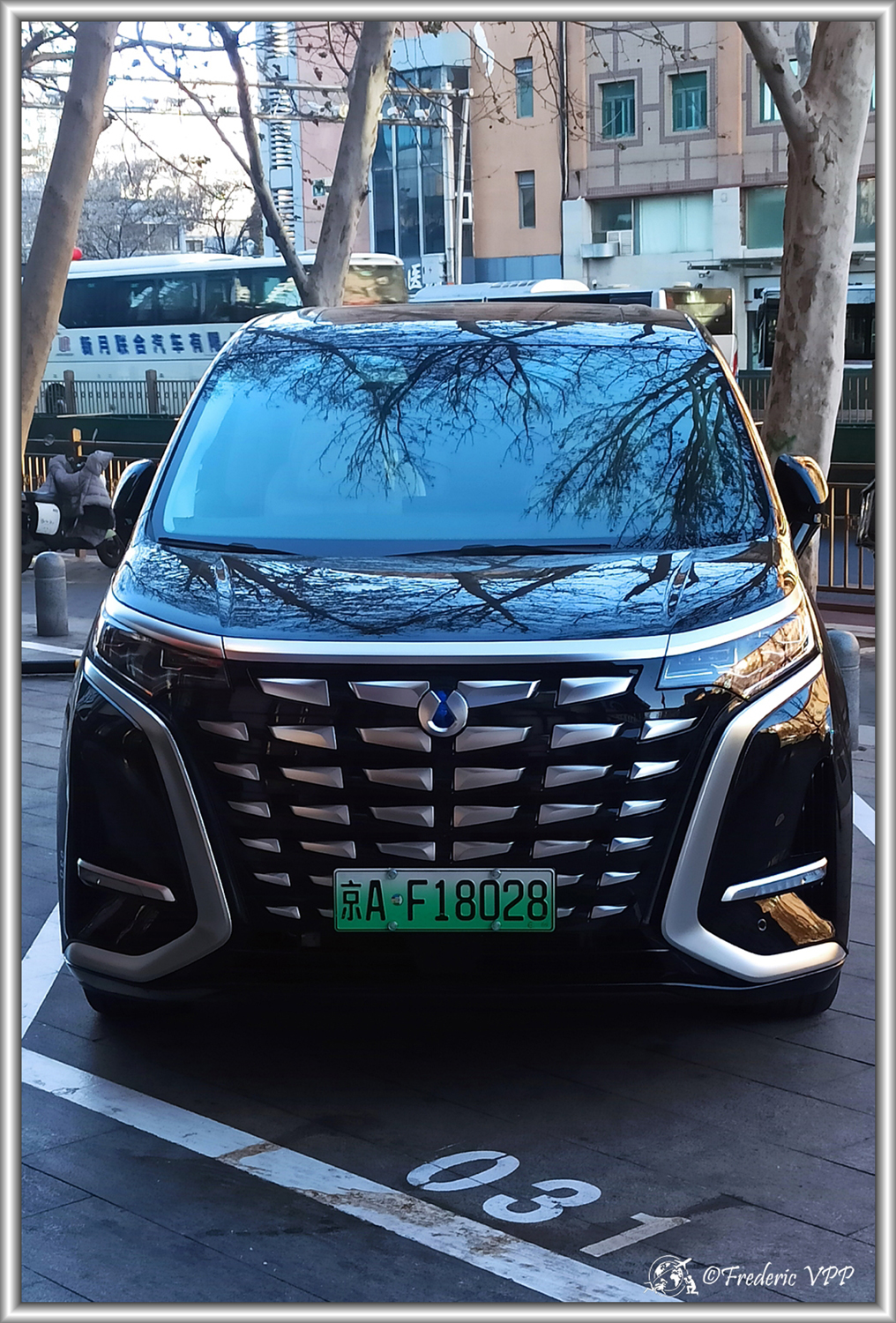
The streets are also quieter. The number of electric or hybrid vehicles is important. You feel this more in Guangzhou than in Beijing, but the number of vehicles is smaller. The scooters are all electric too.
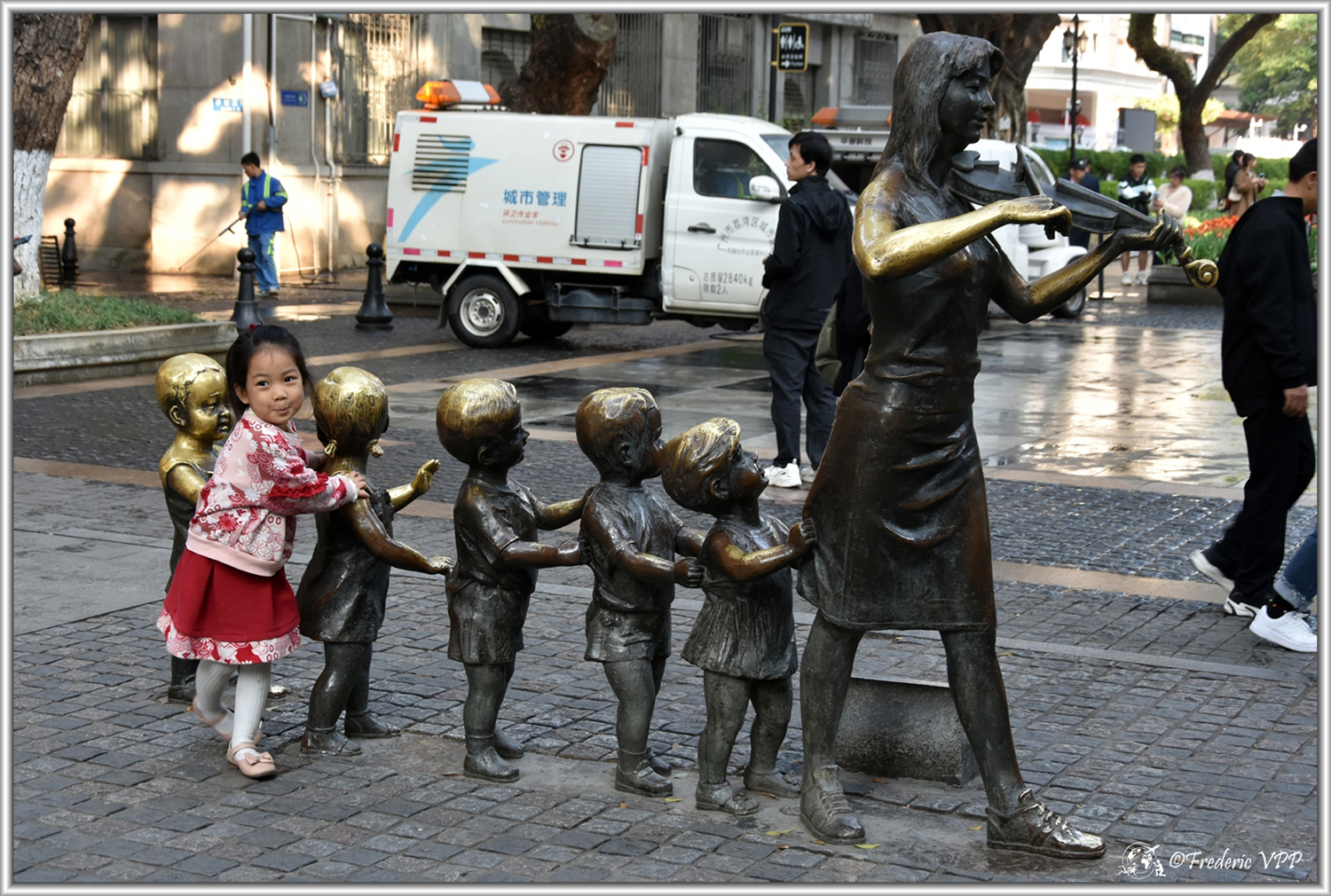
Another thing that surprises you is the cleanliness. When I compare the Paris metro with that of Canton or Pélin, or the cleanliness of the streets, Paris is a really dirty city. It's true that in China, many people work in cleanliness. But there's also the mentality, we want to do things well. And finally, the Chinese, very rarely, throw papers on the ground.
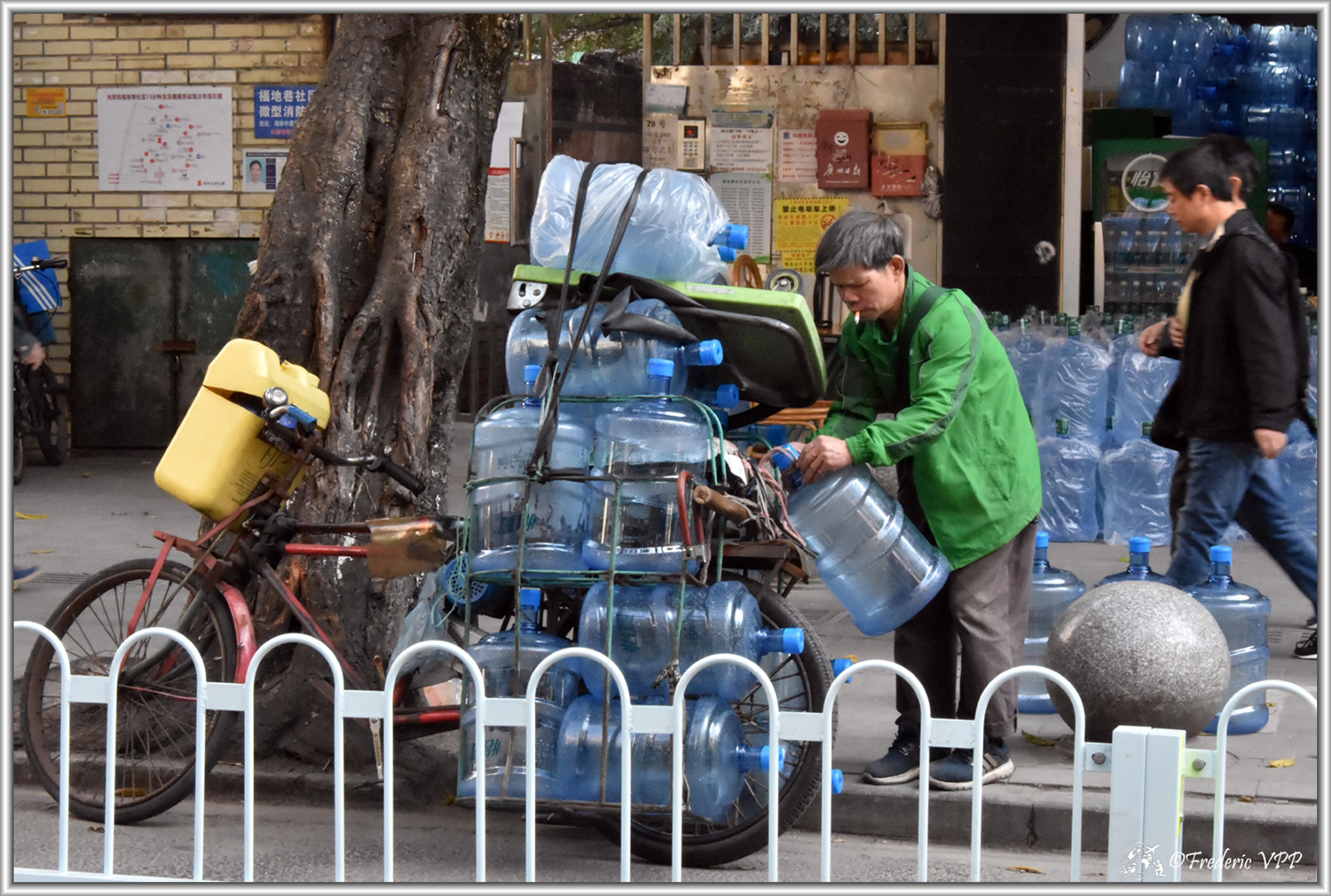
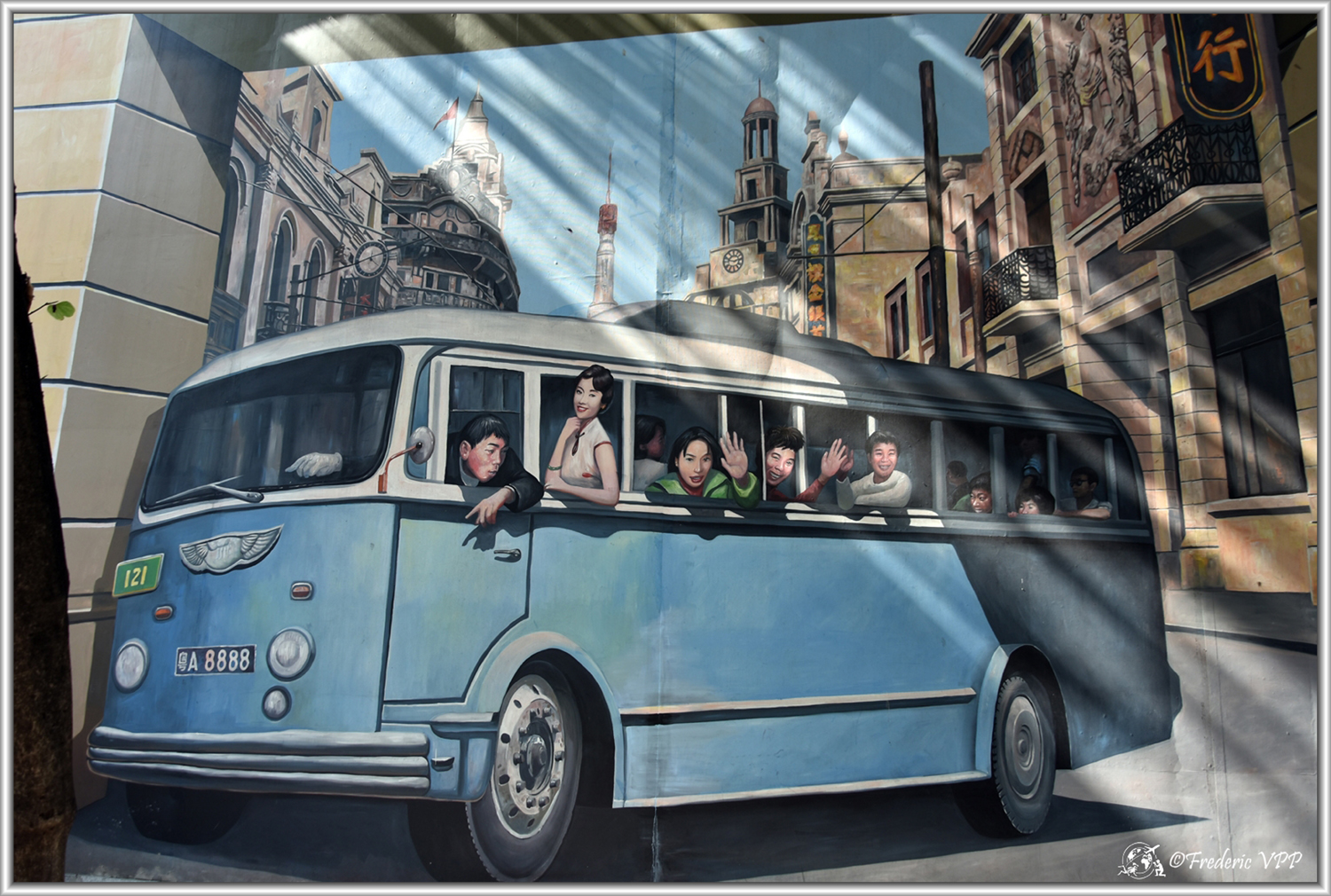
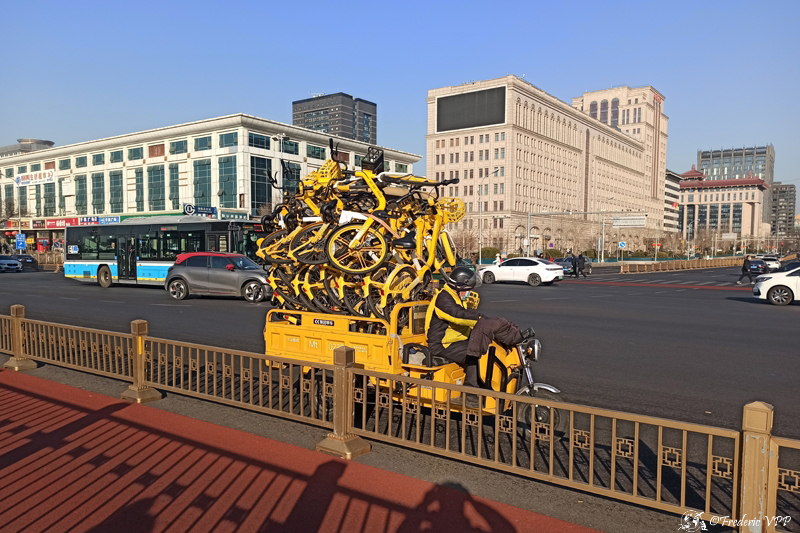
Life in Guangzhou and Beijing is punctuated by delivery people, who are very numerous and fortunately, their vehicles are electric. You have scooters as well as small vehicles. There are even trolleys, mainly in Guangzhou, which is the city of exports. It is a showcase of China's trade relations with other countries. In the "Transport" section, you will see some of these trolleys. This mix of the past and the modern can also be felt in transport, the same as in India or the Philippines.
|
|
China is one of the oldest civilizations in the world, and is sometimes cited as the oldest continuous civilization. It originated in the Yellow River Valley and then spread southwards, westwards, temporarily extended to the Caspian Sea, conquered Xinjiang and Tibet, and northwards.
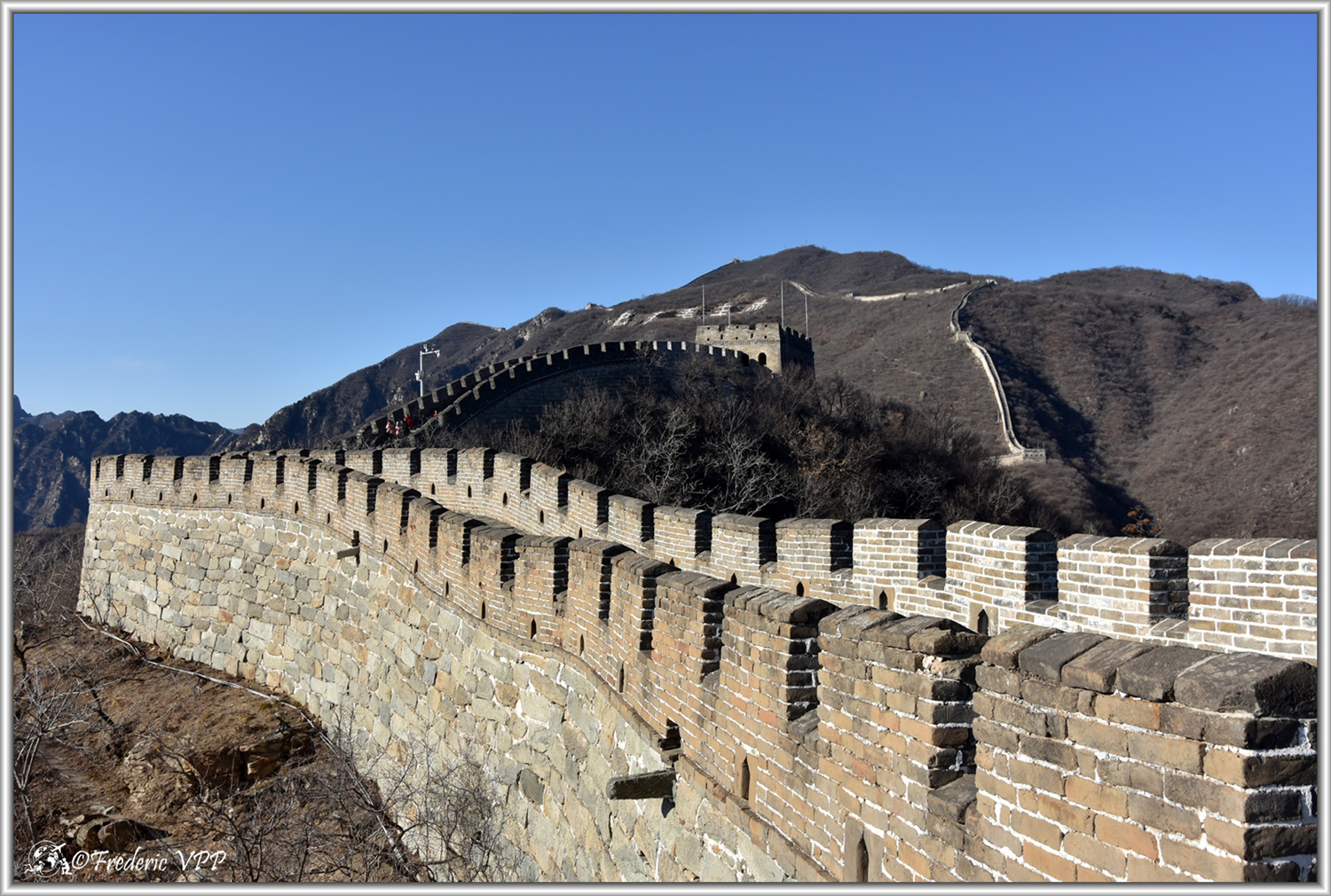
As early as the Neolithic period, there existed in China, sedentary organized societies that practiced agriculture and animal husbandry. The cultivation of rice appeared around 5000 BC. The history of ancient China begins around 1300 BC. After the first dynasties, which occupied only the most central part of the country, the great unifier of China was Emperor Qin Shi Huang, founder of the Qin Dynasty (which gave its name to China) in 221 BC, as well as the Great Wall of China.
Under the Han, then the Song, the country experienced long periods of peace, during which China can be counted first among the most important nations in the world, by its innovations, under the Tang and under the Song in particular. At this time, the Silk Road was set up. It made it possible to establish contacts, at first indirect, with most of the great empires of the Old World, and as far as Europe.
After the trauma of the Mongol invasion by Genghis Khan's heirs, the Yuan dynasty, it took power in northern China from 1234. Until the end of the thirteenth century, Europe knew very little about China, with which it was indirectly linked by the Silk Roads, along which multiple intermediaries and merchants followed one another to keep their fragmentary knowledge of the route secret.
A new dynasty of Han ethnicity regained power in 1368, the Ming dynasty. In 1405, China prepared with the construction of the "Grand Fleet" for one of the greatest maritime exploration adventures of the Middle Ages, which took it in seven expeditions under the leadership of Admiral Zheng He to Java, Ceylon and then East Africa.
In 1644, a new "non-Han" dynasty, this time Manchu, descended from tribes that had nomadized in eastern Siberia and settled north of Beijing, seized the throne of China and founded the Qing dynasty. It ended after the 1911 Revolution, which led to the proclamation of the Republic of China by Dr. Sun Yat-sen on January 1, 1912, and the abdication of Emperor Puyi, "the last emperor" in February of the same year.
|
|
Forgetting your credit card or cash. Even if both payment methods are used, the WeChat or Allipay app allows you to pay for your expenses. It's very convenient. You can easily find this information on the Internet. Just a word of advice, remember to download your apps before arriving in China. Just be careful because beyond 300CNY, you will have payment fees.
Also remember to use a VPN, to download before arriving. I used LetsVPN which I managed to download on the spot because NordVPN failed me.
For the phone, I had bought a card with VPN included on Amazon. I had a problem when I arrived so I bought a 60gb data card at the airport. With the VPN, I was able to use my apps without any problems.
|
|
Sorry if the links are outdated or not accessible
|
The following photos are a summary of my trip. You'll have to look at the other albums from China